




The infrastructure allowing artificial intelligence to spend money has arrived far more rapidly than anyone in the financial world anticipated. Within a span of just a few weeks, the payment landscape was fundamentally rewritten as industry giants Visa and Mastercard formally opened their transaction rails to autonomous AI agents. Simultaneously, the cryptocurrency exchange OKX launched a groundbreaking marketplace designed specifically for software agents to hire and pay one another without any human involvement. While Morgan Stanley project that these “agentic shoppers” could drive between $190 billion and $385 billion in US e-commerce by the year 2030, a parallel debate is emerging. Even as technology companies race to build the pipes for this massive economic shift, major financial institutions are openly questioning whether everyday consumers are actually ready to hand over their wallets to algorithms.
In a remarkable moment of industry convergence, Visa and Mastercard both launched major agentic payment initiatives on the exact same day. Visa announced a partnership with OpenAI to integrate its global payment network directly into ChatGPT, allowing the virtual assistant to complete purchases on behalf of users rather than simply suggesting products. Transactions are secured by Visa’s tokenization technology and governed by strict, user-defined spending limits. Simultaneously, Mastercard unveiled “Agent Pay for Machines,” a service tailored for micro-transactions between different AI agents. By utilizing public blockchains like Solana and Polygon for permissions, and settling transactions across cards and stablecoins, Mastercard hopes to spark a “superbloom” of new AI-driven business models. Together, these simultaneous moves instantly graduated AI payments from experimental pilots into mainstream financial infrastructure.
While the card networks are busy connecting virtual assistants to traditional merchants, the cryptocurrency sector is pushing the boundaries of autonomy even further. The crypto exchange OKX recently launched a dedicated marketplace where AI agents can hire one another, execute autonomous payments using stablecoins, and build portable, on-chain reputations. Under this model, there is no human on either end of the transaction. For example, one agent might hire another to analyze a complex dataset, design a digital advertisement, or monitor a crypto wallet for security threats. By utilizing escrow systems and recording reputation metrics on the blockchain, OKX is providing a blueprint for a fully software-native economy. This shift suggests that the next generation of financial customers may not be human beings at all, but rather independent software programs conducting commerce amongst themselves.
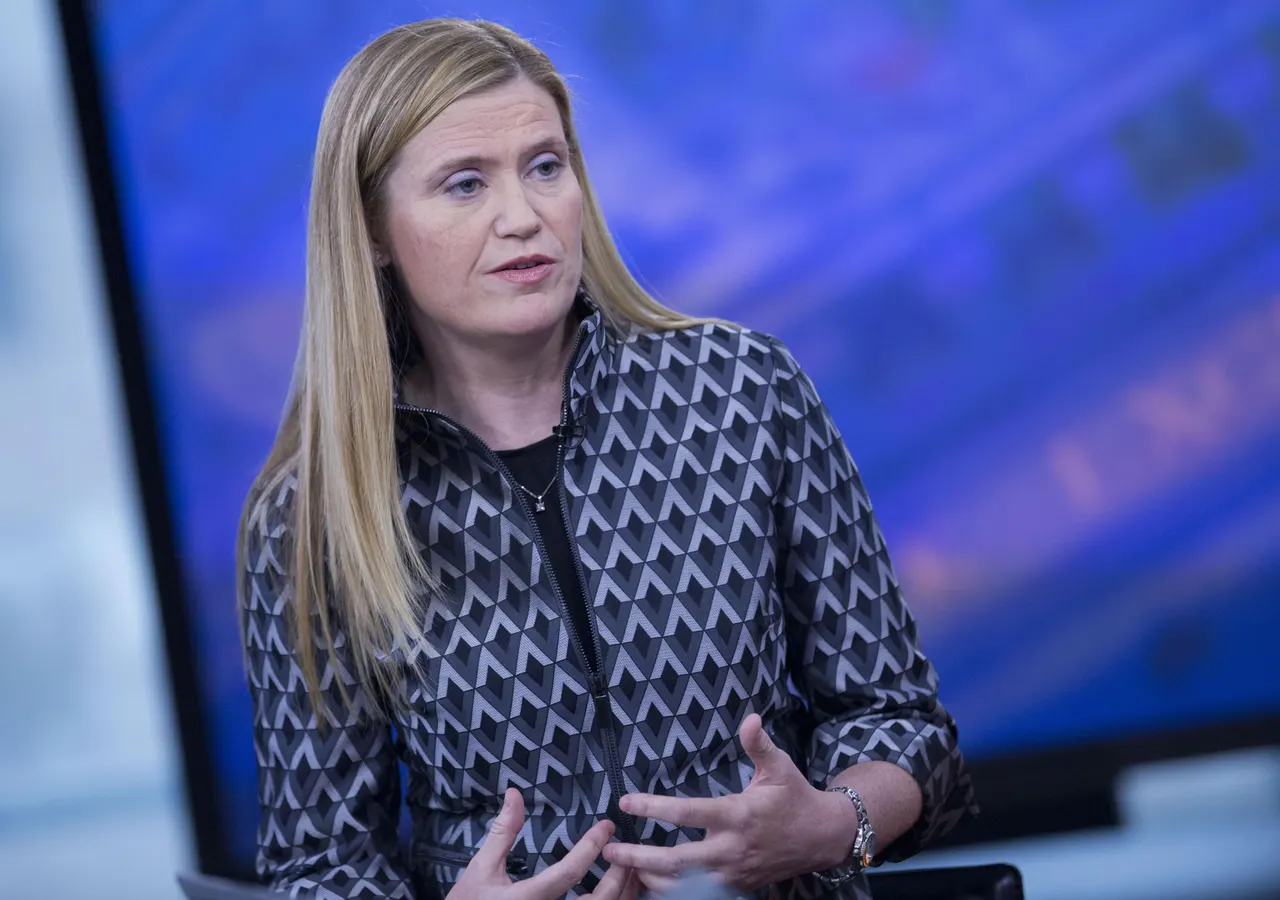
Despite this dizzying technological progress, traditional banking leaders urge caution, noting that consumer trust is not keeping pace with engineering. Speaking at a recent industry event, Marianne Lake of JPMorgan Chase pointed out that while consumers happily use AI to search and compare products, they remain deeply hesitant to delegate actual purchasing power to machines. It is one thing to have an AI assistant curate a list of potential holiday packages, but it is an entirely different emotional hurdle to let that same assistant independently spend thousands of dollars on flights and hotels. The moment an algorithm shifts from offering friendly advice to executing financial transactions, the psychological stakes skyrocket, highlighting a massive gap between what the technology can do and what humans are comfortable permitting.
This resistance is rooted in practical concerns regarding accountability and dispute resolution. If an AI agent accidentally books the wrong flight, purchases counterfeit goods, renews an unwanted commercial subscription, or falls victim to a digital phishing scam, the central issue is not the sophistication of the code, but rather who bears the financial loss. Banking institutions emphasize that before agentic commerce can truly go mainstream, the financial ecosystem must establish clear rules of engagement. This includes maintaining human oversight for high-value decisions, ensuring absolute transparency in what agents are doing behind the scenes, and creating a robust, legally binding liability framework to handle errors when autonomous systems inevitably make mistakes.
Ultimately, the technical foundations for autonomous commerce have outpaced public readiness, meaning the true challenges of this financial revolution are social rather than technological. Payment networks, crypto platforms, and major banks have successfully built the rails, but the rules of trust between consumers, merchants, and regulators remain completely unwritten. The coming year will determine whether agentic payments become a routine part of daily life or remain a niche technological novelty. If service providers can deliver ironclad security, transparent audit trails, and clear consumer protections, adoption will likely skyrocket. If they cannot, human shoppers will continue to keep their hands firmly on the checkout button, proving that teaching AI how to pay was the easy part; the real challenge is convincing humanity that it is safe to let them spend.