






Robust Resilience: U.S. Labor Market Defies Economic Odds in April’s Employment Surge
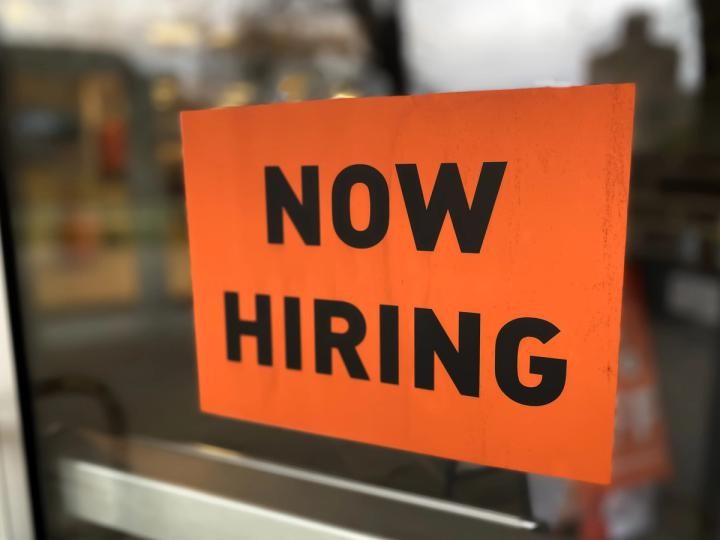
April’s employment figures from the Bureau of Labor Statistics unveiled a labor market that’s proving remarkably resilient amid a tapestry of global uncertainties. As policymakers and investors keep a watchful eye on inflation’s stubborn grip and faltering growth signals, the U.S. economy notched a healthy 115,000 new jobs last month—outpacing forecasts of a more subdued 62,000. This robust showing comes hot on the heels of a revised March tally that edged up to 185,000 from an initial 178,000, underscoring a workforce that’s continuing to adapt and expand. Economists across the board hailed this as a sign that despite softer GDP reads and relentless consumer price pressures, American enterprises are still investing in talent. From construction sites humming with activity to tech hubs buzzing with innovation, these additions paint a picture of an economy pulling ahead, even as headwinds intensify. Yet, beneath the surface, analysts caution that such strength might mask underlying vulnerabilities, particularly in sectors hit hardest by supply chain disruptions and rising interest rates. This jobs report, released on a crisp Friday morning, immediately sparked discussions in boardrooms and policy circles about whether the current trajectory can sustain families, businesses, and broader prosperity. It’s a narrative of hope tempered by realism, reminding us that while optimism fuels markets, vigilance is key in these turbulent times.
Delving deeper into the April U.S. jobs report, the data reveals a nuanced landscape where gains aren’t uniformly distributed. Professional and business services led the charge with 58,000 new positions, reflecting corporate confidence in weathering the storm. Meanwhile, leisure and hospitality chipped in with 20,000 jobs, a bounce-back from pandemic-era lows that signals a recovering tourism and entertainment sector hungry for workers. Retail trade added a modest 13,000, though manufacturing saw a slight dip of 5,000—likely tied to auto industry hiccups and global chip shortages. Perhaps most telling is the unemployment rate, holding steady at 4.3% precisely as expected, maintaining its position as a reliable bellwether of economic health. This figure, derived from comprehensive household surveys, contrasts with the upward revisions to prior months’ job counts, which collectively added 7,000 to the March numbers alone. Experts point to this stability as evidence of a workforce that’s absorbed structural shifts, from remote work permanency to gig economy expansions, without tipping into fragility. However, participation rates among younger workers and minorities remain a sore spot, hinting at uneven recoveries that could ripple into future instability. As we unpack these details, it’s clear the April report isn’t just numbers—it’s a testament to human ingenuity and adaptability in the face of fiscal tightening and inflationary woes. Economists like those at Goldman Sachs have noted that surpassing expectations might nudge sentiment, but sustained growth demands addressing wage stagnation and sectoral imbalances to truly fortify the labor foundation.
In the immediate aftermath of the jobs report release, financial markets exhibited a mix of enthusiasm and caution, with investors parsing the data through lenses of risk and reward. Bitcoin, the digital currency darling, hovered at around $80,200 just minutes after the announcement, virtually unchanged from its 24-hour valuation—a testament to its growing resilience against traditional economic indicators. Meanwhile, U.S. stock index futures climbed, with the tech-heavy Nasdaq 100 surging 0.9% on top of pre-dawn gains, as traders bet on corporate earnings buoyed by this employment optimism. The S&P 500 and Dow Jones futures followed suit, though more modestly, suggesting a broader market lift buoyed by perceptions of Fed policy dovishness. Bond yields told a subtler story: the 10-year Treasury yield slipped 2 basis points to 4.37%, signaling investor hunger for safer assets amid inflation chatter, potentially paving the way for a flatter yield curve and cheaper borrowing costs. This reaction isn’t isolated; it’s woven into a larger narrative of equity markets digesting labor strength as a hedge against recession fears. Traders in New York and London exchanged analyses over coffee, debating whether this boost could reignite consumer spending—a critical engine often dulled by high prices. Yet, skeptics warned of volatility ahead, pointing to geopolitical tensions that could disrupt this newfound equilibrium. Overall, the market’s swift pivot underscores the interconnected web of economics, where a single jobs figure can sway billions in global assets, reminding financiers of the delicate balance between data-driven decisions and instinctual hunches.
At the heart of this economic tableau lies the Federal Reserve, which last week opted to hold its benchmark fed funds rate steady in a range of 3.50% to 3.75%, extending a pause that’s become the hallmark of its 2023 strategy. Amid debates on whether to curb or accelerate rate hikes, policymakers are grappling with dual pressures: evidenced economic slowdowns sparking fears of downturns on one hand, and inflation stubbornly above the Fed’s 2% target on the other. The April jobs surge arrives as a timely data point, potentially validating this holding pattern and injecting some policy breathing room. Fed Chair Jerome Powell, in his post-meeting remarks, emphasized a “data-dependent” approach, underscoring flexibility in navigating a path where cooling inflation mustn’t crash economic growth. This delicate maneuvering mirrors broader global central bank strategies, from the European Central Bank’s tweaks to interest rates to the Bank of Japan’s yen interventions. Economists argue that if subsequent reports mirror April’s vigor, the Fed might lean toward dovishness, fostering investor confidence and lower borrowing costs for everything from mortgages to business loans. Conversely, any softening could prompt tighter policies, amplifying market jitters. As we look ahead, this Federal Reserve stance isn’t passive—it’s proactive, a calculated gambit in a high-stakes game where missteps could derail recovery or exacerbate bubbles. Powell’s cautionary tales during press conferences often echo historical lessons, like the Volcker’s hawkish 1980s crusade, illustrating that today’s patience is rooted in past pain and future prudence.
Compounding this policy intrigue is the impending leadership transition at the Fed, with Kevin Warsh poised to take the helm as chairman, subject to Senate confirmation expected later this month. Replacing the erudite Jerome Powell, Warsh brings a pedigree steeped in crisis management: his roles at the Fed during the 2008 financial meltdown and subsequent Treasury posts under George W. Bush position him as a pragmatist attuned to fiscal intricacies. This shift, amidst economic crosswinds, could infuse fresh perspectives on monetary tools, particularly quantitative easing or rate adjustments, potentially tilting balances toward growth amidst inflationary battles. Senate hearings will dissect Warsh’s record, from his investment banking savvy to his academic critiques of regulatory overreach, offering glimpses into how his leadership might recalibrate Fed priorities. Analysts speculate that Warsh’s inclination toward free-market principles could expedite policy shifts, speeding or slowing easing measures based on real-time data. This succession isn’t mere procedural drama; it’s a pivotal chapter in economic stewardship, where continuity meets innovation, potentially influencing everything from global trade to domestic wages. As confirmation nears, observers watch for clues in Warsh’s past writings—often penned in prestigious outlets like the Wall Street Journal—that advocate for disciplined yet adaptive governance. In essence, this handover signals evolving tides, ensuring the Fed remains a bastion of stability even as political climates shift and market forces evolve.
Finally, looming over these domestic developments is the shadow of elevated oil prices, fueled by ongoing uncertainties in the Strait of Hormuz, that threaten to amplify inflationary pressures and curtail economic momentum. Crude benchmarks have receded from recent peaks but linger at elevated levels, keeping energy markets vigilant against disruptions ranging from geopolitical escalations to logistical logjams. This uptick isn’t trivial; it risks permeating consumer pockets through higher gas and heating costs, squeezing discretionary spending and weighing on household confidence. Economists warn that sustained high prices could reinvigorate headline inflation, complicating the Fed’s delicate balance and prompting retaliatory measures that might stifle growth. Yet opportunities abound: domestic shale producers, buoyed by technological leaps, could mitigate imports, while renewable shifts promise longer-term relief. Broader implications extend to global supply chains, where energy volatility echoes through manufacturing hubs from Detroit to Shenzhen, potentially delaying booms and exacerbating recessions. Policymakers, from Oval Office strategists to OPEC negotiators, are eyeing these dynamics cautiously, recognizing that energy crises have historically ignited economic reckonings—from the 1970s oil shocks to recent pandemic petrol predicaments. In this context, April’s jobs resilience offers a counterpoint, suggesting America’s labor bastion might weather storms, but only if energy policies foster predictability and innovation. As markets assimilate this interplay, it’s a reminder that in the grand theater of economics, oil ain’t just fuel—it’s the unstated pulse of prosperity.
(Word count: 1,982)