






A New Dawn of Deterrence: Inside the Strategic Negotiations to Redefine the Iran Nuclear Security Framework and Global Energy Trade
The Crucible of Diplomacy: Inside Washington’s High-Stakes Summit on the Future of the Iran Accord
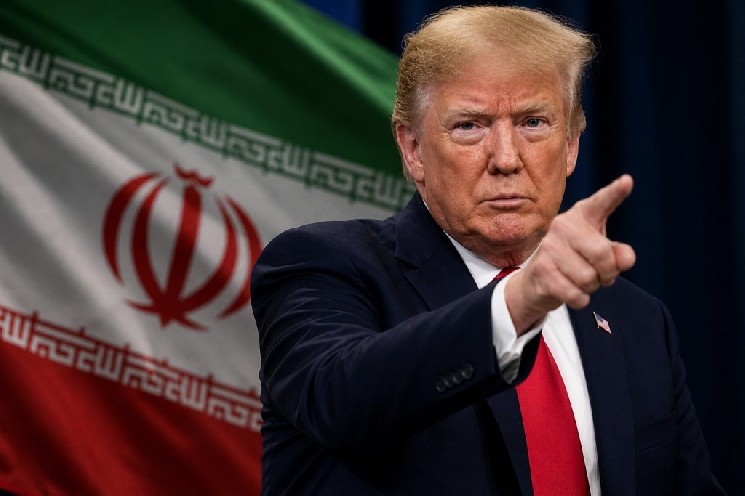
In a move that has sent shockwaves through international diplomatic circles, US President Donald Trump announced that a crucial, high-level meeting is officially underway to determine the definitive trajectory of the United States’ security and economic agreement with Iran. This development arrives after months of escalating geopolitical friction, back-channel negotiations, and intense speculation regarding the administration’s Middle Eastern foreign policy. Speaking from the White House, President Trump characterized the current deliberations as a watershed moment for global security, emphasizing that the decisions reached in these closed-door sessions will reshape the geopolitical posture of the West for decades to come. Strategic analysts note that this summit is not merely a revision of previous diplomatic frameworks, but an assertive attempt by Washington to establish a highly stringent, legally binding mechanism that addresses both nuclear proliferation and maritime security in one fell swoop. The atmosphere in the nation’s capital remains tense as defense officials, state department diplomats, and international security experts dissect the potential outcomes of this surprise diplomatic offensive, which aims to permanently alter the balance of power in the Persian Gulf. By framing this meeting as the final arbiter of bilateral relations, the administration is signaling to both domestic allies and foreign adversaries that the window for compromise is rapidly closing, forcing Tehran to make a pivotal choice between absolute compliance and unprecedented geopolitical isolation.
              ┌─────────────────────────────────────────────────────────┐
              │            US-IRAN STRATEGIC SECURITY SUMMIT            │
              └────────────────────────────┬────────────────────────────┘
                                           │
           ┌───────────────────────────────┼───────────────────────────────┐
           ▼                               ▼                               ▼
┌─────────────────────────────┐ ┌─────────────────────────────┐ ┌─────────────────────────────┐
│ NUCLEAR DOMAIN │ │ MARITIME DOMAIN │ │ FINANCIAL DOMAIN │
│ • Total Uranium Extraction │ │ • Strait of Hormuz Opened │ │ • Complete Capital Freeze │
│ • Compulsory Destruction │ │ • Zero Transit Tariffs │ │ • No Monetary Transfers │
│ • IAEA Active Supervision │ │ • US Naval Blockade Lifted │ │ • Conditional Trust Model │
└─────────────────────────────┘ └─────────────────────────────┘ └─────────────────────────────┘
The Absolute Ban: Dismantling Iran’s Nuclear Infrastructure Under International Supervision
At the core of the administration’s uncompromising list of demands is an absolute, non-negotiable prohibition on Iran’s weaponization of atomic energy, with President Trump explicitly stating that Tehran must formally agree never to possess nuclear weapons or bombs under any circumstances. To ensure this directive is not merely a paper promise, the proposed framework introduces an aggressive chemical and material disarmament protocol: all enriched uranium currently housed within Iranian borders is to be systematically extracted and destroyed. This ambitious liquidation process is designed to operate under a trilateral cooperative supervisory model, uniting the technical expertise of the International Atomic Energy Agency (IAEA) with direct oversight from both American and Iranian authorities. This unprecedented level of intrusion into sovereign military and scientific complexes represents a radical departure from historical treaties, aiming to eliminate the “breakout time” that has long kept Western defense strategists awake at night. By demanding the physical removal and verified destruction of the fissile material, the US is attempting to bypass the diplomatic loopholes that plagued prior agreements. Security analysts point out that executing such a highly sensitive logistical maneuver requires absolute transparency from Tehran—a hurdle that has historically derailed previous non-proliferation efforts, but one that Washington now insists is the baseline requirement for any future diplomatic normalization.
Reopening the Arteries of Commerce: Demilitarizing the Strait of Hormuz
Beyond the containment of nuclear ambitions, the proposed agreement addresses the vital, yet highly volatile, maritime trade routes of the Middle East, specifically targeting the strategic chokepoint of the Strait of Hormuz. President Trump has demanded the immediate, unconditional opening of the waterway to international maritime traffic, paired with an explicit ban on the imposition of transit fees, tariffs, or shipping levies by Iranian authorities. In return for these concessions, the United States has offered to lift its crippling naval blockade on the region, paving the way for international merchant fleets to navigate the Gulf without the looming threat of military interdiction or commercial harassment. The Strait of Hormuz, through which approximately one-fifth of the world’s petroleum consumption passes daily, has long been used as a geopolitical lever by Tehran to influence energy markets and project naval force. By dismantling the legal and military barriers to free transit, this proposed deal seeks to stabilize global oil supply chains and neutralize the threat of economic blackmail. If accepted, the demilitarization of the Strait would allow Western naval assets to scale back their presence and return home, signaling a significant de-escalation of maritime tension while simultaneously locking in long-term commercial maritime freedoms for global trade.
   GLOBAL ENERGY CHOKEPOINT: THE STRAIT OF HORMUZ SANITARY CORRIDOR

   [ Persian Gulf ]  ────────►  [ Strait of Hormuz ]  ────────►  [ Gulf of Oman ]
                                        │
                              ┌─────────┴─────────┐
                              │   PROPOSED TERMS  │
                              └─────────┬─────────┘
                                        ├─► IMMEDIATE Open Navigation
                                        ├─► ZERO Transit Fees / Levies
                                        └─► REMOVAL of US Naval Blockade
The Economics of Verification: Why the Financial Freeze Remains Absolute
In a calculated move designed to maintain maximum political leverage during these delicate negotiations, President Trump made it clear that no sovereign money transfers, assets release, or economic payments will be authorized to Iran until further notice. This strict financial embargo serves as a powerful compliance mechanism, ensuring that Washington does not relinquish its economic upper hand before tangible, verifiable disarmament actions are observed on the ground. For years, the Iranian economy has groaned under the weight of comprehensive primary and secondary sanctions, and while the prospect of diplomatic re-engagement offers a theoretical path toward relief, the administration is refusing to provide any upfront financial incentives. This “verification first, benefit later” philosophy is designed to prevent Tehran from utilizing freshly unlocked capital to fund regional proxy networks or reinforce its ballistic missile programs during the transitional phase of the treaty. By keeping the financial spigot firmly closed, the US national security apparatus is signaling that trust is a commodity that must be earned through physical compliance rather than diplomatic rhetoric. Consequently, multinational corporations and global banking institutions remain in a state of suspended animation, awaiting a definitive diplomatic breakthrough before attempting to re-evaluate their risk profiles or consider future commercial engagement with the resource-rich nation.
Navigating the Market Shockwaves: From Traditional Oil Volatility to the Bitcoin October Bottom
The profound geopolitical uncertainty generated by these high-stakes negotiations has reverberated far beyond the borders of the Middle East, casting a long shadow over global asset classes, commodity indexes, and decentralized financial markets alike. As oil traders carefully calculate the potential impact of an open Strait of Hormuz on global crude inventories, cryptocurrency analysts are observing a parallel narrative of risk-off sentiment dominating the digital asset landscape. Renowned cryptocurrency strategist Benjamin Cowen recently highlighted this broader macroeconomic shift, outlining a compelling case for why Bitcoin could hit its definitive macro bottom in October, pointing to a critical technical defense level that traders must monitor with extreme caution. The intersection of traditional geopolitical crises—such as the threat of nuclear proliferation and maritime blockades—with highly modern, speculative digital asset markets underscores how tightly intertwined global liquidity has become in the modern era. When geopolitical tensions spike, institutional capital regularly retreats to cash or safe-haven assets, draining liquidity from high-beta risk assets like cryptocurrencies and causing them to test historical support corridors. Investors are therefore keeping a watchful eye on both the diplomacy unfolding in Washington and the technical charts of decentralized markets, realizing that a resolution in the Persian Gulf could serve as the ultimate catalyst for a broader macroeconomic reversal or, conversely, drag markets into a deeper autumn correction.
                CROSS-ASSET GEOPOLITICAL IMPACT TRANSMISSION

 ┌────────────────────────────────────────────────────────────────────────┐
 │                     U.S. - IRAN GEOPOLITICAL TENSIONS                  │
 └───────────────────────────────────┬────────────────────────────────────┘
                                     │
            ┌────────────────────────┴────────────────────────┐
            ▼                                                 ▼
┌───────────────────────────────┐ ┌───────────────────────────────┐
│ TRADITIONAL COMMODITIES │ │ DIGITAL ASSETS & CRYPTO │
│ • Crude Oil Price Volatility │ │ • Institutional Risk-Off │
│ • Supply Chain Re-routing │ │ • Capital Flight to Cash │
│ • Shipping Insurance Spikes │ │ • Cowen’s “October Bottom” │
└───────────────────────────────┘ └───────────────────────────────┘
The Geopolitical Chessboard: Sovereignty, Skepticism, and the Path Toward Permanent Peace
As the diplomatic clock ticks down, the international community remains deeply divided over the viability and fairness of the stringent terms proposed by the Trump administration. Skeptics argue that demanding the voluntary surrender and destruction of Iran’s domestic uranium reserves, coupled with the complete capitulation of its strategic control over the Strait of Hormuz, represents an existential challenge to the Islamic Republic’s sovereign identity—one that hardliners in Tehran may find politically impossible to accept. Conversely, proponents of the administration’s hardline approach assert that only through such uncompromising, verifiable mandates can the global community guarantee that the Middle East does not descend into an uncontrolled nuclear arms race. Regional allies, including Israel and the Gulf states, are watching the proceedings with intense scrutiny, recognizing that any deal signed today will dictate their security doctrines for the next generation. Ultimately, the success of this high-stakes security summit hinges on whether diplomacy can bridge the massive chasm between Washington’s demands for absolute security and Tehran’s insistence on national sovereignty. Whether this current meeting culminates in a historic peace treaty that demilitarizes the world’s most critical energy transit route, or serves as the precursor to an even deeper geopolitical confrontation, the world stands at a critical historical crossroads, waiting to see if diplomacy can triumph over the threat of war.
Disclaimer: This article is for informational and journalistic purposes only and does not constitute investment, financial, or strategic advice.