


Beyond the Hype: Why Real-World Asset Tokenization is the True Future of Digital Finance
The volatile world of cryptocurrency has long been defined by its dramatic boom-and-bust cycles, often fueled by speculative frenzies surrounding digital assets with little to no intrinsic value. Yet, behind the sensationalized headlines of overnight dog-themed millionaire stories, a profound structural shift is quietly reshaping the digital asset landscape. Unlike previous market cycles dominated by speculative retail bubbles, the current era is witnessing the rise of utility-driven blockchain applications. At the forefront of this evolution is the tokenization of Real-World Assets (RWAs)—a transformative process that bridges the gap between traditional finance (TradFi) and decentralized networks. Industry leaders now argue that the era of empty speculation is drawing to a close, paving the way for a financial ecosystem where digital tokens represent tangible, productive assets such as real estate, government bonds, and commodities.
              ┌──────────────────────────────────────────┐
              │       THE FUTURE OF DIGITAL WEB3         │
              └────────────────────┬─────────────────────┘
                                   │
            ┌──────────────────────┴──────────────────────┐
            ▼                                             ▼
┌───────────────────────────┐ ┌───────────────────────────┐
│ MEMECOINS & HYPOTHESIS │ │ REAL-WORLD ASSETS │
│ – Zero intrinsic utility│ │ – Tangible underlying │
│ – Speculative bubbles │ │ – Yield-generating │
│ – High volatility risk │ │ – Institutional scale │
└───────────────────────────┘ └───────────────────────────┘
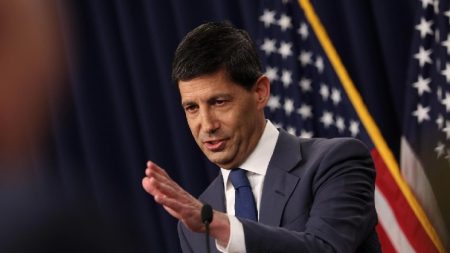
This emerging paradigm shift recently received a major endorsement from one of the retail trading industry’s most influential figures. Vladimir Tenev, the Chief Executive Officer of the United States-based stock and cryptocurrency brokerage Robinhood, publicly declared that the long-term viability of the digital asset industry hinges entirely on the integration of physical assets onto the blockchain. Speaking with CNBC, Tenev dismissed the long-term viability of memecoins, painting them as fleeting phenomena devoid of economic productivity. He emphasized that the financial sector is rapidly entering a critical convergence phase where legacy systems and decentralized ledgers merge. According to Tenev, creating hundreds of speculative tokens serve no genuine purpose if the underlying assets do not offer real-world utility or generate sustainable economic yields. By focusing on tokenized RWAs, financial institutions can unlock multi-trillion-dollar pools of capital, streamline cross-border transactions, and democratize access to previously illiquid markets.
┌───────────────────────────────────────────────────────────────────────────┐
│ THE RWA ECOSYSTEM │
├─────────────────────┬──────────────────────────────┬──────────────────────┤
│ Asset Class │ Traditional Market Barrier │ Tokenized Solution │
├─────────────────────┼──────────────────────────────┼──────────────────────┤
│ Sovereign Debt │ High entry minimums │ Fractionalized yield │
│ Premium Real Estate │ Geographic & capital limits │ Global 24/7 liquidity│
│ Commodities │ Complex custody & settlement │ Instant peer-to-peer │
└─────────────────────┴──────────────────────────────┴──────────────────────┘
The Strategic Powerhouse: Decoding the Robinhood-Uniswap Alliance
While the philosophical debate over utility versus speculation continues to divide the crypto community, strategic institutional moves are already laying the groundwork for this new decentralized architecture. A prime example of this transition is the deeply integrated, yet frequently overlooked, partnership between Robinhood and decentralized exchange (DEX) giant Uniswap. According to Geoff Kendrick, the respected Head of Digital Asset Research at banking giant Standard Chartered, global markets are severely underestimating the long-term implications of this alliance. Kendrick notes that Robinhood’s decision to tap Uniswap as its primary decentralized finance (DeFi) infrastructure provider signals a monumental vote of confidence from a highly regulated traditional brokerage. This partnership serves as a powerful validation of Uniswap’s institutional-grade smart contracts, demonstrating that legacy platforms can seamlessly interact with permissionless protocols without compromising security or regulatory compliance.
   ┌────────────────────────┐         ┌────────────────────────┐
   │   ROBINHOOD PLATFORM   │         │    UNISWAP PROTOCOL    │
   │  - Trusted brand       │         │  - Industry-lead AMM  │
   │  - Massive retail base │ <=====> │  - Deep liquidity pools│
   │  - Regulatory license  │         │  - Non-custodial tech  │
   └────────────────────────┘         └────────────────────────┘
                                │
                                ▼
                  ┌───────────────────────────┐
                  │  ROBINHOOD CHAIN (L2)     │
                  │  - Fast transactions      │
                  │  - Institutional grade    │
                  │  - Native RWA settlement  │
                  └───────────────────────────┘
Under the terms of this milestone agreement, Uniswap is slated to function as the native automated market maker (AMM) for “Robinhood Chain,” the brokerage’s proprietary Layer-2 blockchain network. By leveraging Uniswap’s liquidity engine, Robinhood aims to provide its millions of users with a frictionless, low-cost environment for trading both digital currencies and tokenized traditional assets. This collaboration represents far more than a simple product integration; it establishes a scalable blueprint for how traditional financial intermediaries can harness decentralized liquidity pools to optimize asset settlement, reduce counterparty risk, and eliminate costly middlemen from the clearing process.
Traditional Finance Meets Decentralization
- Institutional Adoption: Wall Street firms are shifting from speculative trading to building on-chain settlement systems.
- Enhanced Liquidity: Tokenizing illiquid assets allows fractional ownership, opening markets to global retail investors.
- Operational Efficiency: Smart contracts automate compliance, auditing, and dividend distributions in real time.
- Decentralized Infrastructure: Legacy brand partnerships validate the security and scalability of protocols like Uniswap.
This structural convergence is driving institutional analysts to re-evaluate the intrinsic value of Web3 infrastructure tokens. Standard Chartered, which has aggressively expanded its digital asset research division, recently highlighted Uniswap as the undisputed central hub for the future trading of tokenized assets. Highlighting its robust volume metrics and unmatched developer ecosystem, the banking multinational set an ambitious long-term price target of $100 for Uniswap’s native governance token (UNI). This bullish outlook reflects a broader institutional consensus: as real-world assets migrate to public and private ledgers, the underlying protocols powering these transactions will capture enormous economic value, transitioning from speculative utility tokens into highly critical utilities of global commerce.
Token Valuation Dynamics:
┌────────────────────────────────────────────────────────┐
│ Current Status (Speculative DeFi utility) │ ░░░░░░░░░░ $10 – $15
├────────────────────────────────────────────────────────┤
│ Future Outlook (Global RWA Liquidity Engine) │ ███████████████████ $100
└────────────────────────────────────────────────────────┘
As the digital asset ecosystem matures, the stark contrast between hype-driven memecoins and yield-generating RWA protocols will become increasingly apparent. Financial institutions are moving beyond the experimental phase and are now deploying capital into production-ready blockchain networks. The transition from speculative retail trading to institutional-grade, asset-backed tokenization represents the next natural evolution of global finance. Investors and enterprises that recognize this fundamental shift today—and position themselves within robust ecosystems like the Robinhood-Uniswap alliance—will be the primary architects of a more efficient, accessible, and transparent global financial system.