




Kevin Warsh Clears Senate Hurdle: Fed’s Fate Hangs in Nomination Balance
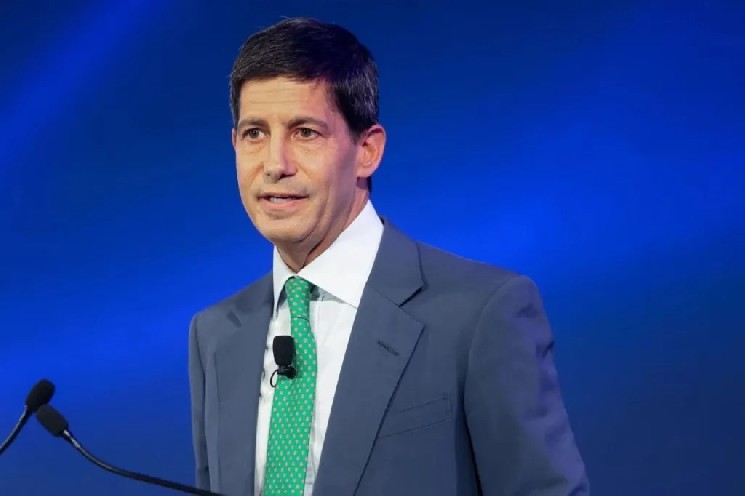
In a move that could redefine the heart of American economic stewardship, former Federal Reserve vice chairman Kevin Warsh edged closer to reclaiming his seat at the helm of monetary policy. Nominated by President Donald Trump, Warsh’s bid for the Federal Reserve chairmanship advanced significantly this week after receiving approval from the Senate Banking Committee in a razor-thin vote of 13 to 11. This development lands just weeks before current chairman Jerome Powell’s term expires on May 15, thrusting Warsh into the spotlight as a potential architect of sweeping changes within one of the world’s most powerful institutions. The nomination now heads to the full Senate floor for final ratification, where partisan currents and economic stakes are poised to collide once more. For observers watching the evolution of U.S. monetary policy, this isn’t just another bureaucratic shuffle; it’s a pivotal moment hinting at turbulent shifts amid inflation woes and fiscal debates.
The journey to this point has been anything but straightforward, marked by political intrigue and legal shadows. Republican Senator Thom Tillis had previously thrown a wrench into the process by stalling Warsh’s confirmation hearings, citing concerns that seemed intertwined with broader ideological battles. But momentum reignited after the Justice Department paused its probe into alleged improprieties surrounding the Federal Reserve’s headquarters renovation in Washington, D.C. This decision, announced mid-process, appeared to lubricate the gears of approval, allowing the Banking Committee to proceed without further obstruction. While details of the investigation remain under wraps, the timing raised eyebrows among critics who speculate on how external pressures influenced the Senate’s machinery. Warsh, a staunch advocate for fiscal conservatism, has maintained that his focus remains squarely on stabilizing the economy—yet this hurdle underscores how personal ambitions and policy visions often entangle with Washington’s partisan chess game.
Delving into Warsh’s background reveals a man forged in the fires of Wall Street and high-level economic strategy, bringing a blend of insider experience and outsider zeal to the Federal Reserve. A Yale-educated financier who rose through the ranks at Morgan Stanley, Warsh served as a Fed governor from 2006 to 2011 before stepping into the vice chair role. His tenure coincided with the aftermath of the 2008 financial crisis, where he honed his views on regulatory oversight and central banking’s role in sustaining prosperity. Now, decades later, Warsh’s return signals a potential renaissance for policies that emphasize restraint and entrepreneurial freedom. Industry analysts note his past critiques of easy-money policies as a harbinger of his likely approach: one that prioritizes long-term growth over short-term stimulus. “Warsh’s perspective is shaped by real-world financial battles,” remarked economists familiar with his career, highlighting how his experience navigating market volatility might steer the Fed away from perceived overreach. This is no neophyte stepping into the void; rather, a seasoned strategist poised to challenge the status quo.
In articulating his vision, Warsh has called for nothing less than a “regime change” at the Federal Reserve, promising transformations that could reshape how the institution manages inflation and communicates with the public. Central to his platform is the drastic reduction of the Fed’s colossal balance sheet, currently ballooning around $6.7 trillion—a legacy of pandemic-era interventions that pumped liquidity into the economy. Warsh envisions a leaner central bank, arguing that such bloat risks distorting markets and fueling unintended bubbles. He also proposes revamping inflation targeting, moving toward frameworks that account for supply-side disruptions and productivity trends rather than reactive adjustments. On the communication front, Warsh suggests fostering transparency that empowers markets with clearer guidelines, potentially ditching some of the nuanced, data-driven rhetoric that has characterized Powell’s era. Detractors, however, point to the absence of concrete timelines or mechanisms for these reforms, labeling them ambitious yet vague blueprints. “It’s bold talk,” said one monetary policy expert, “but executing ‘regime change’ requires navigating bureaucratic labyrinths and economic crosswinds that could upend global stability.”
Yet, the approval vote unveiled a stark partisan chasm, illustrating how deeply entrenched divisions are fracturing what was once bipartisan consensus on Federal Reserve leadership. For the first time since 2020, a nomination cleaved the Senate Banking Committee strictly along party lines, with zero Democratic support—a far cry from Jerome Powell’s previous confirmations, which garnered overwhelming backing like 23-1 votes. Democratic Senator Raphael Warnock lambasted the process, declaring Warsh’s responses to pre-hearing questions “woefully inadequate” and unfit for the gravity of the position. Critics argue this rift exposes a system where ideological fervor overrides expertise, potentially undermining the Fed’s credibility as an independent watchdog. Inside sources describe heated arguments in committee rooms, where Republicans hailed Warsh as a defender of free-market principles, while Democrats warned of regressive policies that could deepen inequalities. This polarization isn’t new in American politics, but its infiltration into central banking decisions signals broader fractures, leaving pundits to ponder if Warsh can bridge divides or merely amplify them in an election year fraught with economic uncertainties.
As Warsh’s nomination hurdles toward its climactic vote, the implications for U.S. monetary policy and the global economy loom large, echoing lessons from past transitions. If confirmed, his tenure could herald a cautious retreat from expansive interventions, prioritizing fiscal discipline to combat inflation without stifling growth—a philosophy reminiscent of Paul Volcker, whose hawkish 1980s reforms tamed rampant price hikes but at the cost of recessions. Experts warn of ripple effects: tighter money supply might cool overheated markets but could exacerbate debt burdens for struggling households. Internationally, allies like China and Europe watch closely, as Fed pivots influence currency values and trade flows. Amid this backdrop, public discourse buzzes with speculation—from stock market jitters to debates on affordability. One thing is clear: in an era of volatile geopolitics and domestic turbulence, the Federal Reserve’s chair isn’t just a policy maker; it’s a symbol of stability. As the Senate prepares for the floor debate, Americans are left reflecting on how one man’s perspective might steer the ship through choppy waters. This is not investment advice.