





The Legislative Dawn of Digital Asset Taxation
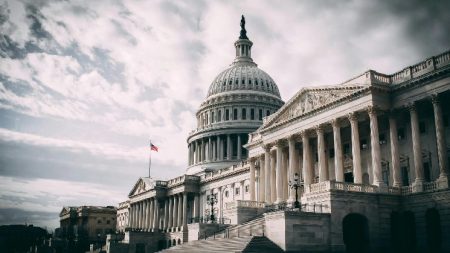
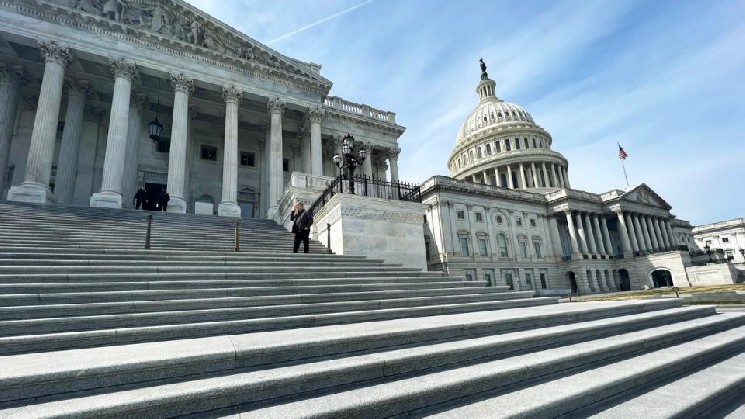
For years, the domestic cryptocurrency sector has operated under a cloud of regulatory ambiguity, navigating an unpredictable landscape dominated by ad-hoc enforcement actions rather than cohesive, legislated policy. That paradigm shifted dramatically when the House Ways and Means Committee—the powerful, constitutionally mandated engine of American tax legislation—dispatched seven comprehensive draft bills to lawmakers and industry stakeholders ahead of a highly anticipated legislative hearing. The unveiling of this legislative package marks a significant procedural milestone, indicating that Congress is finally prepared to transition from reactionary oversight to active, structural governance. Rather than leaving the complex, multi-layered nuances of Web3 technology in the hands of administrative agencies or judicial interpretation, this committee is structurally asserting its authority over the tax code to integrate digital assets into the formal framework of American commerce. For an industry that has long lamented the lack of clear federal guidelines, the systemic involvement of the Ways and Means Committee represents the start of a new epoch—one where digital instruments are no longer treated as exotic, misunderstood anomalies but as formalized components of the nation’s financial architecture. This concerted effort to establish clear rules of engagement highlights the growing political realization that digital finance is a permanent fixture of the macroeconomic landscape, requiring a sophisticated and nuanced tax regime to foster domestic innovation while ensuring compliance.
The Mechanics of Reform: Staking, Mining, and the De Minimis Threshold
At the core of this legislative package is an ambitious attempt to untangle the procedural knots that have long paralyzed everyday usage and network validation. The draft bills directly target several of the most contentious friction points within cryptocurrency tax regulations, specifically addressing the taxation of digital asset mining, staking operations, and day-to-day micropayments. Under the current tax code, the transactional mechanics of decentralized protocols create substantial compliance hurdles; for instance, every micro-transaction, from buying a cup of coffee with a digital asset to paying a minor network gas fee, technically triggers a capital gains realization event, saddling consumer-facing applications with complex, impractical recordkeeping requirements. To fix this, the committee has proposed a sensible de minimis tax exemption for routine network fees and minor everyday transactions, successfully removing a major barrier to using digital currencies as viable mediums of exchange. Concurrently, the draft bills seek to modernize the tax rules for crypto staking and mining by codifying clear timelines for when validation rewards are recognized as taxable income, moving away from current, costly administrative practices that require validators to calculate complex fair-market valuations the exact second a token is minted or earned. By shifting the tax realization point to the moment these digital assets are actually sold or liquidated, lawmakers are attempting to align Web3 policies with traditional agriculture and manufacturing standards, where newly produced goods are not taxed until they reach the retail market.
Realizing Balance Sheet Legitimacy: Stablecoins and the Cash Equivalency Debate
As lawmakers on Capitol Hill seek to standardize the revenue frameworks for Web3 protocols, a parallel and equally consequential debate is unfolding within corporate governance circles regarding the fundamental classification of stablecoins. Recently, the Financial Accounting Standards Board’s (FASB) Investor Advisory Committee met to dissect whether digital assets pegged to the sovereign dollar can legally qualify as cash equivalents on corporate balance sheets, a decision that carries massive implications for institutional capital allocation. Currently, corporate treasurers are hesitant to hold stablecoins due to rigid accounting rules that require these assets to be classified as indefinite-lived intangible assets, forcing companies to write down their value during market dips without allowing them to write them up when conditions stabilize. To bridge this gap, observers are closely monitoring whether the FASB will establish a standardized framework for stablecoin issuers, focusing on the underlying structure of their reserves, the geographic location of their institutional depositors, and the daily transparency of their liquidity pools. Establishing stablecoins as cash equivalents would drastically lower the barriers to entry for traditional multi-national conglomerates seeking to integrate Web3 technology into their supply chains, provided that issuers can meet the rigorous disclosure thresholds currently under review. This ongoing deliberation underscores a broader efforts to integrate digital assets into corporate financial reporting, reflecting the growing demand for stable, predictable dollar-backed channels in a globalized, round-the-clock market.
Constructing the Regulatory Triumvirate
To appreciate the strategic significance of these new legislative drafts, one must view them not in isolation but as part of a highly coordinated, multi-pronged legislative strategy designed to secure long-term regulatory clarity for the digital asset economy. Industry leaders, including Alison Mangiero, the head of industry affairs and U.S. policy at the Crypto Council for Innovation, have widely characterized these draft bills as the third leg of a metaphorical legislative stool. The first two legs of this structural framework are comprised of the stablecoin-focused GENIUS Act and the comprehensive market-structure guidelines laid out in the Clarity Act, both of which seek to untangle the jurisdictional turf wars between the Securities and Exchange Commission (SEC) and the Commodity Futures Trading Commission (CFTC). By introducing dedicated tax legislation alongside these structural reforms, policy advocates argue that Congress is finally building a complete framework that can safely support institutional financial products and consumer-focused decentralized applications alike. Beyond establishing regulatory boundaries for exchange operators, the Ways and Means draft bills aim to grant digital assets tax parity with traditional financial instruments, extending established rules such as securities lending provisions, mark-to-market accounting treatment, and formal charitable deduction frameworks to widely traded digital assets. This comprehensive alignment with the legacy financial system is not merely symbolic; it represents a calculated effort to institutionalize Web3, ensuring that digital portfolios are subjected to the same logical tax incentives and wealth-preservation strategies that have long existed for traditional equities, bonds, and real estate.
The Congressional Labyrinth: Navigating the 2026 Fiscal Cliff
Despite the momentum generated by this legislative package, the ultimate path toward enacting these draft bills into law remains heavily dependent on the complicated dynamics and crowded schedule of Capitol Hill. With the legislative calendar packed with pre-existing bipartisan initiatives, defense authorizations, and appropriations disputes, veteran policy analysts caution that these crypto-specific proposals are unlikely to advance as standalone measures during the current session. Instead, the real opportunity for these tax reforms to cross the legislative finish line will likely occur around the 2026 calendar year, a period that fiscal experts have already circled due to a looming domestic policy event: the major sunsetting of individual tax provisions from the 2017 Tax Cuts and Jobs Act. This impending fiscal cliff will force a deeply divided Congress to negotiate a massive, omnibus tax package, creating a highly strategic vehicle into which lawmakers can insert carefully crafted, pre-vetted crypto tax policy measures. By utilizing the intervening months to conduct thorough legislative hearings, solicit expert testimony, and build bipartisan consensus, the House Ways and Means Committee is essentially front-loading the technical drafting process, ensuring that when the grand tax negotiations of 2026 begin, these digital asset provisions will be refined and ready for immediate inclusion. This deliberate, long-term approach to policymaking reflects a mature understanding of how complex modern tax laws are written, transforming digital asset reform from a niche, partisan debate into an essential component of the nation’s broader fiscal landscape.
Navigating Sovereign Competitiveness and the Path Forward
Ultimately, the drive to establish a standardized, transparent, and legally binding digital asset tax regime is directly tied to the broader question of global competitiveness and technological leadership in an increasingly decentralized world. As competing financial centers across Europe, Asia, and the Middle East continue to roll out comprehensive, state-supported regulatory frameworks like the Markets in Crypto-Assets (MiCA) regulation, the United States risks losing its historic dominance in commercial finance if it relies solely on unpredictable enforcement actions. The upcoming public hearing scheduled by the House Ways and Means Committee represents a critical moment for lawmakers to engage directly with industry leaders, economic experts, and technological pioneers to develop a balanced tax policy that stops domestic talent and capital from moving overseas. By focusing on practical solutions, such as de minimis exemptions for day-to-day transactions and clear guidelines for staking and mining rewards, American policymakers have a unique opportunity to build a modern fiscal landscape that encourages domestic investment while protecting federal revenue. The structural work taking place on Capitol Hill shows that the debate has shifted from whether digital assets should exist to how they can be safely integrated into the fabric of the American economy. As the public hearings begin and draft proposals are refined into formal bills, the global financial community will be watching closely to see if the United States can successfully adapt its tax code to support the next generation of financial technology.