





A Strategic Retrenchment in the Digital Asset Arena
Grayscale’s Proactive Retreat: Shelving Plans for Cardano, Polkadot, and Hedera ETFs
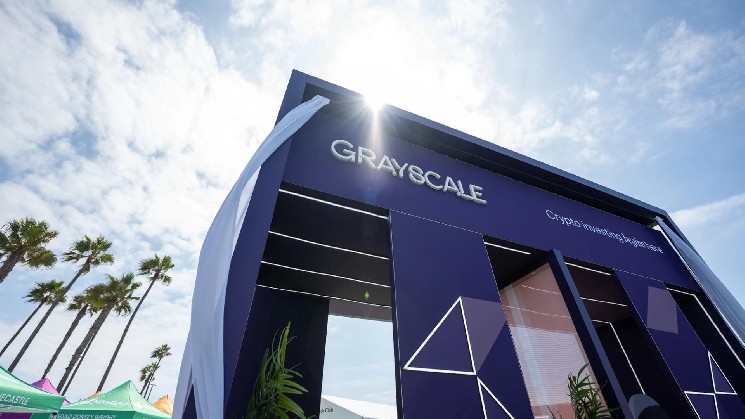
In an unexpected late-Friday regulatory maneuver that has sent ripples through the digital asset management sector, Grayscale Investments, the world’s largest cryptocurrency asset manager, has formally abandoned its ambitious plans to launch exchange-traded funds (ETFs) tied to three prominent alternative Layer-1 blockchains: Cardano ($ADA), Polkadot ($DOT), and Hedera ($HBAR). By submitting three separate voluntary withdrawal requests to the U.S. Securities and Exchange Commission (SEC) just before the weekend, the digital asset giant signaled a sudden, pragmatic shift in its product expansion strategy. In these formal communiqués, Grayscale explicitly informed the federal regulator that it “does not intend to proceed with the planned distribution” of the shares associated with each of the three single-asset trusts. This quiet administrative retreat marks a notable pause in the industry-wide rush to wrap altcoins in traditional, Wall Street-accessible exchange-traded shells, underscoring the immense pressure that prolonged market volatility and shifting macroeconomic conditions are exerting on institutional product development pipelines. For an industry that spent much of the past year celebrating the historic regulatory approvals of spot Bitcoin and Ethereum investment vehicles, Grayscale’s decision to pull back serves as a sobering reminder that the appetite of traditional investors for more speculative, niche digital assets remains highly sensitive to broader market dynamics and liquidity constraints.
The Anatomy and Timeline of the Aborted Investment Vehicles
From Bullish Ambitions to Regulatory Withdrawals: Tracing the Brief Lifespan of the Trusts
The origin of these defunct investment vehicles dates back to early 2025, a period when optimism within the digital asset space was running high and asset managers were eager to capitalize on the regulatory momentum generated by the successful launch of primary cryptocurrency ETFs. Grayscale first initiated its plans for a Cardano-based investment vehicle in February 2025, closely followed by a similar filing for a Polkadot trust later that same month. As the year progressed, these preliminary concepts evolved into formal, structural filings; Grayscale officially submitted the corresponding Form S-1 registration statements for both the Cardano ($ADA) and Polkadot ($DOT) trusts on August 29, 2025. Less than two weeks later, on September 9, 2025, the firm expanded its ambitious altcoin roster by submitting a registration statement for Hedera’s native token ($HBAR). Structurally, these proposed funds were engineered as passive investment vehicles, designed specifically to track the spot prices of their respective underlying tokens, net of administrative fees and trust operating expenses. This design would have allowed traditional retail and institutional investors to gain direct exposure to the price movements of ADA, DOT, and HBAR through conventional brokerage accounts, eliminating the technical hurdles of setting up digital wallets, managing private keys, or navigating decentralized exchanges. However, because Grayscale had not yet sold any securities under these registrations, nor had it distributed preliminary prospectuses to the investing public, the firm was positioned to execute a clean, uncomplicated exit, free from the complex operational and legal hurdles of unwinding active investor capital.
Regulatory Dynamics: A Voluntary Retreat Rather Than SEC Rejection
Navigating the SEC Maze: Why Grayscale’s Strategic Self-Correction Matters
Crucially, industry observers and securities lawyers have pointed out that this regulatory backtracking was initiated entirely by Grayscale itself, rather than being the result of a formal rejection, disapproval order, or hostile pushback from the Securities and Exchange Commission. In the highly scrutinized relationship between digital asset managers and federal regulators, the distinction between a voluntary withdrawal and an official agency rejection is of paramount importance. Grayscale, which historically engaged in a fierce, multi-year legal battle with the SEC to successfully convert its flagship Grayscale Bitcoin Trust (GBTC) into a spot ETF, understands the long-term value of maintaining a cooperative, non-adversarial relationship with Washington’s financial watchdogs. By choosing to proactively withdraw the registration statements before the SEC could issue formal deficiency letters or launch prolonged review cycles, Grayscale effectively preserves its regulatory capital. This strategic self-correction allows the firm to avoid establishing unfavorable public precedents or inviting unnecessary regulatory friction surrounding these specific Layer-1 assets. Instead of dedicating significant legal and administrative resources to defend the compliance structures of niche altcoin products during a period of regulatory uncertainty, the asset manager has chosen to pause, reassess the landscape, and concentrate its efforts on assets with more robust, immediate institutional demand.
The Harsh Reality of the Altcoin Bear Market
Decimated Valuations: Tracking the Severe Market Losses of ADA, DOT, and HBAR
Behind the corporate and regulatory restructuring lies a stark financial reality: the underlying market valuations for Cardano, Polkadot, and Hedera have suffered catastrophic declines over the course of 2025, severely undermining the commercial viability of launching specialized ETFs for these assets. A detailed look at the numbers reveals a challenging landscape for these alternative Layer-1 protocols. Year-to-date, Cardano’s $ADA has shed over 41% of its value, while Polkadot’s $DOT has fared even worse, losing approximately 54% of its market capitalization, and Hedera’s $HBAR has recorded a 35% decline. The market picture becomes dramatically bleaker when analyzing the performance of these tokens since late February 2025, the exact period when Grayscale first initiated these filings. Since that high-water mark, Cardano has endured a punishing 70% drawdown, while Polkadot suffered a devastating 80% downward plunge. Hedera was not spared from the selling pressure either, dropping more than 70% from its late-February valuation. For an asset manager, such severe and prolonged price depreciations represent a fatal blow to the economic math of managing an ETF; because fund managers generate revenue primarily through management fees calculated as a percentage of total Assets Under Management (AUM), a collapsing token price directly decimates the projected profitability of the fund, rendering the high costs of legal compliance, secure institutional custody, and market-making financially unsustainable.
Shifting Institutional Appetites and the Flight to Blue-Chip Quality
Consolidation and Conservatism: Why Wall Street is Bypassing Mid-Cap Altcoins
The decision to shelve these altcoin ETFs also reflects a broader, macro-driven shift in institutional investor sentiment, characterized by a distinct “flight to quality” within the digital asset ecosystem. While spot Bitcoin and Ethereum ETFs continue to successfully capture the lion’s share of institutional inflows, alternative smart-contract platforms and Layer-1 protocols have struggled to generate meaningful engagement among conservative wealth managers, corporate treasuries, and pension funds. In an economic environment defined by sustained high interest rates, persistent global macroeconomic uncertainty, and a general compression of risk tolerance, traditional institutional allocators are increasingly consolidating their crypto exposure exclusively around the market’s two undisputed blue-chip assets. The technological value propositions of Cardano’s peer-reviewed academic architecture, Polkadot’s multi-chain interoperability, and Hedera’s enterprise-grade hashgraph consensus mechanism remain highly regarded within developer communities, but they have failed to translate into the deep liquidity pools, robust derivatives markets, and daily trading volumes required to support a healthy, highly liquid ETF wrapper. Without a strong, reliable baseline of institutional demand, launching highly specialized altcoin investment products poses significant market-making risks, including wide bid-ask spreads and severe tracking errors, which can ultimately harm the end investor and damage an asset manager’s institutional reputation.
The Path Forward for Grayscale and the Broader Crypto ETF Landscape
Corporate Maturity and the Future of Alternative Asset Management
Ultimately, Grayscale’s decision to withdraw its registration statements for Cardano, Polkadot, and Hedera should not be interpreted as a permanent rejection of these protocols, but rather as a mature, disciplined business decision dictated by prevailing market realities. By streamlining its product pipeline, the pioneer crypto asset manager is aligning its offerings with the practical demands of its institutional clientele, focusing its resources on defending its market share in the highly competitive Bitcoin and Ethereum ETF spaces while continuing to offer diversified, multi-asset private trusts for accredited investors who still desire exposure to the broader altcoin market. This development signals a broader transition for the cryptocurrency sector, moving away from the speculative euphoria of trying to securitize every digital asset in existence and toward a more calculated, demand-driven phase of institutional integration. As market cycles inevitably turn and regulatory frameworks become more defined, it is highly likely that Grayscale and other major asset managers will eventually revisit these alternative Layer-1 assets. However, for the foreseeable future, the pathway to mainstream Wall Street adoption remains a highly exclusive club, open only to those digital assets that possess the immense liquidity, institutional trust, and market resilience necessary to withstand the volatile tides of global finance.