






The Velocity of DeFi: Decoding the Sudden Surge of DeXe Protocol ($DEXE) in a Volatile Crypto Landscape
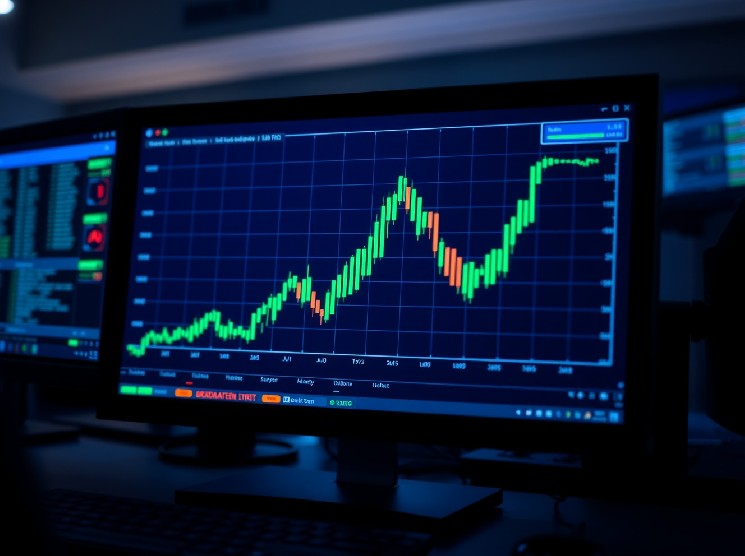
The fast-paced arena of decentralized finance (DeFi) witnessed another display of rapid market dynamics today as the native utility token of the DeXe Protocol, trading under the ticker $DEXE, experienced an abrupt and aggressive price spike. Within a remarkably tight five-minute trading window on the Bitcoin World market, the token’s valuation jumped by 4.84%, propelling its market price to a high of $39.93. For seasoned market observers and active day traders alike, this sudden burst of upward momentum serves as a stark reminder of the liquidity dynamics and high-velocity capital flows that define modern digital asset ecosystems. While a sub-five-percent move might appear modest in the historical context of cryptocurrency wild swings, the sheer compression of this movement into a three-hundred-second interval points to a concentrated influx of buying pressure. The suddenness of the move has sparked intense analysis across trading desks, with market participants eagerly scrutinizing order books, blockchain transaction records, and social sentiment channels to determine whether this rally is the prelude to a sustained breakout or merely a transient blip on the radar of decentralized asset management.
To truly understand the mechanics behind this sudden price appreciation, one must analyze the plumbing of decentralized finance markets and the specific architectural design of the DeXe Protocol itself. In the cryptocurrency ecosystem, short-term valuation spikes of this nature are rarely accidental; they are typically the byproduct of highly coordinated or automated market actions. These can range from institutional-sized “whale” buy orders clearing out thin sell-side liquidity, to automated algorithmic trading systems reacting to subtle on-chain data changes, or even decentralized autonomous organization (DAO) governance decisions that signal future utility. Because $DEXE operates as a specialized asset-management and decentralized governance token rather than a highly liquid payment currency like Bitcoin or Ethereum, its order book thickness on major exchanges is naturally more sensitive to sudden inflows of capital. When a substantial buy order enters such an ecosystem, it can swiftly exhaust the immediate supply of tokens available at the prevailing market rate, forcing the price upward in a vertical cascade as the matchmaking engine matches the buyer with higher and higher sell orders.
This dramatic price action does not occur in a vacuum; rather, it unfolds against a broader backdrop of macroeconomic uncertainty and shifting regulatory frameworks that continue to test the resilience of the global cryptocurrency sector. Over the past several quarters, the DeFi landscape has undergone a profound transformation, transitioning from speculative yield-farming protocols to highly sophisticated, governance-driven asset management platforms. The DeXe Protocol sits at the very heart of this evolution, offering developers and traders a robust framework to deploy decentralized social trading applications and autonomous fund portfolios. Yet, the wider altcoin market remains notoriously fickle, often oscillating wildly between bouts of intense accumulation and aggressive capital flight. For active market participants, a sudden 4.84% vertical climb in five minutes presents a double-edged sword: it offers a lucrative window of opportunity for momentum traders riding the wave of high-volume volatility, while simultaneously presenting a high-risk trap for retail investors chasing late-stage entries just before market makers begin executing profit-taking strategies.
For retail and institutional traders aiming to navigate these treacherous waters, evaluating the long-term sustainability of such a rapid price increase requires a disciplined, multi-faceted analytical approach. Traditional market wisdom dictates that rapid vertical spikes without a corresponding, transparent fundamental driver—such as a major exchange listing, a strategic partnership announcement, or a critical protocol upgrade—are highly susceptible to equally rapid retracements. When market speculators observe a asset rallying on high velocity, the temptation to lock in short-term gains can trigger a secondary wave of selling pressure that rapidly suppresses the initial gains. Consequently, analysts strongly advise market participants to closely monitor key health indicators, such as consolidated 24-hour trading volumes across global spot exchanges, the depth of the bid-ask spread on major order books, and real-time on-chain transfer volumes, to determine if this sudden demand is backed by organic, long-term accumulation or merely temporary algorithmic manipulation.
Ultimately, the sudden trajectory of $DEXE to the $39.93 threshold serves as a vivid case study of the structural realities governing lower-to-mid-cap digital assets in the contemporary financial landscape. While the localized rally highlights the undeniable technological appeal and speculative intrigue surrounding decentralized governance protocols, it also underscores the vital importance of clinical risk management in the crypto space. In an environment where market structures can shift completely in under five minutes, relying on superficial price appreciation without verifying underlying liquidity and macroeconomic catalysts is a recipe for portfolio volatility. As the DeXe Protocol continues to mature and expand its decentralized asset management footprint, the broader market will undoubtedly keep a watchful eye on its trading patterns, searching for clues as to whether today’s brief flash of green is a harbinger of a broader structural uptrend or simply another routine fluctuation in the endless cycle of decentralized finance.
Frequently Asked Questions (FAQs)
What is the DeXe Protocol ($DEXE) and what is its primary utility?
$DEXE is the native ERC-20 utility and governance token of the DeXe Protocol, an innovative decentralized social trading and asset management platform. The protocol allows users to copy the trading strategies of successful managers in a trustless environment, govern decentralized autonomous organizations (DAOs), and participate in platform decision-making. The token itself is utilized to facilitate governance voting, secure ecosystem operations, and align incentives between portfolio managers and individual investors.
What are the most common catalysts for a 5-minute price surge in altcoins?
Rapid price moves in altcoins like $DEXE are typically driven by three primary variables:
- Large Market Orders: A single large-scale investor (often referred to as a “whale”) executing a market buy order that quickly consumes the available liquidity on order books.
- Algorithmic Trading: High-frequency trading bots reacting to technical indicators, social media sentiment spikes, or on-chain wallet movements.
- Information Asymmetry: Early-stage accumulation by insiders or highly active traders ahead of an imminent, high-impact public announcement or protocol milestone.
How should traders manage their risk when encountering sudden price spikes?
Traders encountering sudden price volatility should prioritize risk preservation by utilizing guaranteed stop-loss orders, avoiding the use of excessive leverage, and verifying the asset’s trading volume across multiple platforms. It is crucial to analyze whether the surge is supported by broad market volume or if it is a low-volume anomaly that could easily reverse. Diversification and avoiding the psychological trap of “Fear of Missing Out” (FOMO) remain the most effective defenses against rapid market reversals.