


CZ Reveals Bullish Crypto List as Solana’s Shanghai Expansion Hits Unexpected Roadblock
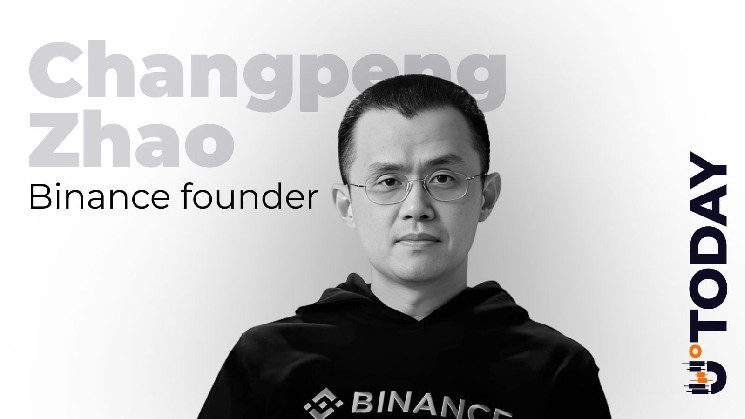
Changpeng Zhao, one of the most influential figures in the digital asset industry, has set the cryptocurrency community talking once again. Over the past week, the Binance co-founder openly shared which digital assets he believes have the strongest potential, offering a rare and candid glimpse into his market perspective at a time of heightened global regulatory scrutiny. His list included Bitcoin, Ethereum, BNB, XRP, Solana, HYPE, Zcash, SIGN, and stablecoins. By themselves, those comments were always going to generate headlines. But they arrived at an especially delicate moment, as Solana’s ambitious expansion into Shanghai was suddenly thrown into doubt. What began as a promising step for blockchain adoption in mainland China quickly turned into a controversy, and CZ, who initially welcomed the development, has found himself responding to speculation that his own words may have made matters worse.
The exchange founder’s bullish checklist reflects a wide-ranging view of the crypto sector, spanning established giants and relatively newer names. Bitcoin and Ethereum, as the two largest assets, hardly need an introduction; they remain foundational investments for most long-term market participants. BNB, the native token of Binance, also comes as no surprise, given CZ’s long-standing belief in the exchange’s ecosystem. Meanwhile, XRP and Solana have both spent much of the past few years navigating legal and regulatory challenges, and their inclusion suggests CZ sees resilience in projects that have faced serious headwinds. Perhaps more interesting is the presence of HYPE and SIGN, tokens that sit further from the mainstream spotlight. Their inclusion underlines a willingness to look beyond the most obvious names and identify digital assets that may be undervalued by the wider public. By also including stablecoins in his outlook, CZ appears to acknowledge the essential role that dollar-backed digital currencies play in providing liquidity and stability within the broader ecosystem. It is a list that seems designed to send a message: despite the ongoing turbulence in the market, he continues to see meaningful opportunities across a broad spectrum of crypto assets.
A Bullish Lineup That Reflects Broader Confidence
CZ’s public endorsement carries special weight, not only because of his role as one of crypto’s most recognizable leaders, but also because he has consistently proven willing to speak his mind even when it puts him at odds with regulators and industry peers. By choosing to highlight such a varied group of digital assets, he may be signaling that the current market phase is less about doom and more about preparation for the next wave of growth. That message could resonate strongly with retail and institutional investors who have been waiting to see whether heavy hitters still believe in crypto’s long-term trajectory. His wording also suggests that he is not just passively holding assets but actively following the development of multiple blockchain protocols. That includes Solana, which has emerged in recent years as a major competitor to Ethereum in the race for decentralized applications, non-fungible tokens, and high-speed trading. CZ’s decision to include Solana in his bullish portfolio is notable in itself, given that Binance and Solana have sometimes been seen as rivals within the broader crypto ecosystem. However, the timing of his comments would soon put that endorsement under an uncomfortable spotlight.
Solana’s Shanghai Ambitions Take Center Stage
Days before CZ made his list public, Solana had captured the attention of the global crypto press with an aggressive move into mainland China’s commercial capital. The project announced the opening of a new office in Shanghai and simultaneously launched a significant advertising campaign across the city. For a blockchain network that has faced regulatory setbacks in various parts of the world, the Shanghai expansion was interpreted as a bold signal of confidence. Many observers saw it as a possible sign that China, despite its strict ban on cryptocurrency trading, was beginning to soften its stance toward blockchain technology. The idea of Solana establishing a physical presence in one of China’s most vibrant economic hubs made headlines and sparked fresh debate about the future of cryptocurrency in the country.
At first, CZ appeared genuinely excited about the news. In a social media post, he suggested that Solana’s advertisement and its new physical footprint in Shanghai could open the door for other blockchain projects to follow. He went on to speculate that such moves might point toward a gradual relaxation of China’s restrictive approach to digital assets. For anyone familiar with Chinese crypto policy, those comments felt bold. Beijing had spent years cracking down on crypto trading, mining, and related promotional activities. The slightest public encouragement from a major figure like CZ was bound to attract внимательную attention. Yet, for a short time, the mood was upbeat, and the overall sentiment among crypto enthusiasts was that China might be shifting toward a more pragmatic relationship with blockchain innovation.
An Event Postponed and Questions Begin to Rise
That optimistic narrative was quickly complicated on October 16, when a Solana community event scheduled at the Shangri-La Hotel in Shanghai was postponed under circumstances that were not entirely clear. Reports emerged that attendees at the venue were approached by law enforcement authorities, prompting immediate alarm across social media. The organizers, for their part, described the postponement as a logistical issue, insisting that there was no deliberate interference by the authorities. That explanation did little to calm speculation, especially after Solana Foundation President Lily Liu offered her own account of what had happened. According to Liu, registration numbers suddenly quadrupled, far exceeding the number of attendees that the organizers had officially reported to local authorities. The registration spike, she explained, ultimately made it impossible to continue with the event as planned because the gathering was no longer operating within the parameters that had been approved.
The explanation seemed plausible, but it failed to fully extinguish the firestorm on social media. Many users quickly connected the dots between CZ’s earlier comments and the abrupt postponement. Some speculated that his public encouragement had caught the attention of Chinese regulators, prompting them to take a closer look at Solana’s Shanghai activities. Others suggested that CZ’s remarks about China potentially loosening its crypto restrictions were precisely the kind of public narrative that Beijing would want to shut down quickly. The controversy grew so loud that CZ was forced to respond directly. In a series of posts on X, formerly known as Twitter, he firmly rejected the claim that his social media activity was responsible for what had happened. He pointed to a curious detail: the Solana advertisement that had been displayed on a building in Shanghai was reportedly taken down within just ten minutes. According to CZ, it would have been impossible for his post to cause that removal because he only became aware of the advertisement twelve to twenty-four hours after it was already visible to the public.
CZ Fires Back at Speculation
The timeline has become a crucial part of the story. If the advertisement had already been scheduled for removal before CZ even mentioned it, then the theory that his comments provoked the authorities loses much of its weight. CZ used that reasoning to dismiss the speculation as unfounded, emphasizing that anyone claiming he caused the controversy was ignoring simple facts. He did not stop there. Instead, he reiterated that he remains supportive of blockchain projects entering China, even while acknowledging the complexities of operating within the country’s regulatory environment. His defense suggested that China’s policymakers are not reacting to individual tweets or market personalities, but rather following a broader strategy toward digital assets that remains tightly controlled and largely unpredictable.
Despite the uproar, the events in Shanghai have not diminished CZ’s public enthusiasm for Solana or the other assets on his bullish list. In many ways, the episode has only reinforced the narrative that China remains one of the most challenging and opaque markets for cryptocurrency businesses. Even with an office in Shanghai and a visible advertising campaign, Solana discovered that official approval to hold an event requires careful attention to administrative details, including strict limits on the number of participants. The fourfold surge in registrations, while a testament to the project’s popularity, may have unintentionally created a logistical headache that no amount of goodwill could solve. Whether the authorities were genuinely responding to a permit violation or were looking for a reason to exert control remains unclear. But the incident has offered a rare glimpse into the practical realities of operating a blockchain business in a country where the line between welcoming innovation and suppressing it remains razor-thin.
What This Means for Crypto’s Future in China
As the dust settles, the bigger question remains: what does this episode reveal about the future of cryptocurrency in China? On one hand, the fact that Solana felt confident enough to open an office in Shanghai and run an advertising campaign suggests that some blockchain-related activities are still tolerated, particularly those that stop short of actual trading. On the other hand, the swift response to the event and the rapid removal of the advertisement demonstrate just how quickly the authorities can intervene when they believe rules have been broken. China’s position has never been easy to summarize, and this latest controversy highlights why so many crypto companies remain cautious about entering the market.
For CZ, the situation is deeply personal. As the founder of the world’s largest crypto exchange, he has long navigated a complicated relationship with China. He stepped away from Binance’s operations in the mainland years ago, but he has remained vocal about the importance of blockchain technology and its ability to thrive globally. His recent comments about the crypto assets he is bullish on should, in many ways, be read as a broader statement of confidence in the industry’s resilience. The Shanghai controversy, while uncomfortable, is unlikely to shake that confidence. If anything, it may serve as a reminder that the path to mainstream acceptance is rarely smooth, even for projects with strong technology and enthusiastic communities.
The coming months will reveal whether Solana manages to continue its expansion in Shanghai or whether this week’s events force the project to recalibrate its approach. In the meantime, the crypto market remains focused on what CZ will say next. His ability to generate headlines with a simple social media post is unmatched, and his latest list of bullish assets has already become a talking point for investors trying to understand where the industry is heading. Whether or not his words had anything to do with the cancelled Solana event, one thing is certain: his influence over the narrative has not faded. For a sector that often feeds on momentum and perception, that kind of attention is valuable. And for CZ, the opportunity to remind everyone that he remains deeply engaged with the digital asset market is evidence enough that he sees brighter days ahead, even amid the chaos.