



The Great Crypto IPO Freeze: Why Digital Asset Giants Are Shelving Public Debuts Until 2025
The grand promises of a digital asset gold rush on Wall Street have officially met the cold reality of macroeconomic gravity. Just a year ago, the financial sector was abuzz with anticipation as a wave of high-profile cryptocurrency firms prepared to transition from private disruptors to publicly traded titans. Fueled by the historic debut of Coinbase and the subsequent launch of spot Bitcoin exchange-traded funds (ETFs), institutional appetite for crypto-native equities seemed insatiable. Today, however, that fervor has chilled into a calculated, strategic retreat. A combination of lackluster trading volumes, poor post-listing performances from early movers, and a highly unstable macroeconomic backdrop has forced the industry’s most prominent players to mothball their initial public offering (IPO) ambitions. As regulatory scrutiny persists and global liquidity tightens, the digital asset ecosystem is learning a hard lesson in market timing, realizing that the path to a successful public debut requires far more than just a bullish crypto cycle.
At the heart of this widespread hesitation is a string of cautionary tales that have left institutional investors deeply skeptical. The disappointing post-listing performance of pioneers like BitGo (BTGO) served as an early warning sign, proving that public market investors are no longer willing to buy into crypto-related stocks at inflated valuations without proven, sustainable revenue models. This cooling enthusiasm has triggered a domino effect across the sector. Major players—including Payward (the parent company of the veteran exchange Kraken), Ethereum infrastructure giant Consensys, hardware wallet manufacturer Ledger, and pioneering digital asset manager Grayscale—have all quietly delayed their IPO roadmaps. Rather than rushing into a hostile market where they risk being undervalued or heavily shorted, these executive teams are choosing to wait for broader market conditions to stabilize. In this risk-averse climate, capital preservation and operational efficiency have taken precedence over the prestige of a ringing opening bell on the Nasdaq or New York Stock Exchange.
   ┌──────────────────────────────────────────────────────────┐
   │             THE STATUS OF MAJOR CRYPTO IPOs              │
   └──────────────────────────┬───────────────────────────────┘
                              │
     ┌────────────────────────┴────────────────────────┐
     ▼                                                 ▼
┌──────────────────┐ ┌──────────────────┐
│ POSTPONED / │ │ ACTIVELY │
│ ON HOLD STATUS │ │ PROCEEDING │
└────────┬─────────┘ └────────┬─────────┘
│ │
├─► Kraken (Payward) ├─► Blockchain.com
├─► Consensys │ (Filed Confidentially)
├─► Ledger │
└─► Grayscale └─► FalconX
(Draft S-1 Submitted)
Despite the overarching atmosphere of caution, a few resilient contrarians are still pushing forward, determined to establish an early foothold in the public markets. These companies are betting that by laying the regulatory groundwork now, they will be positioned at the front of the queue when the macroeconomic tides inevitably turn. In May, pioneer wallet and exchange provider Blockchain.com announced that it had confidentially filed for a U.S. IPO with the Securities and Exchange Commission (SEC). Shortly thereafter, reports emerged that institutional crypto trading platform FalconX had also submitted a draft S-1 registration statement with the SEC, marking the crucial first step toward a potential listing. By utilizing confidential filings, these firms can navigate the arduous SEC review process away from the public eye, protecting their sensitive financial data while keeping their options open for the exact moment the investor appetite returns. This quiet preparation highlights a clear divergence in strategy between consumer-facing retail platforms, which are highly sensitive to short-term market sentiment, and institutional-grade service providers betting on the long-term infrastructure play.
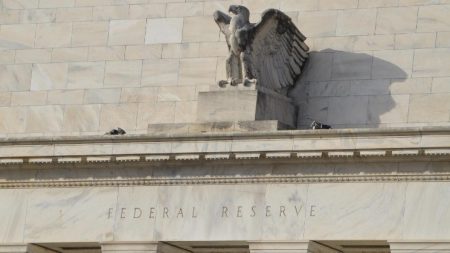
However, the primary obstacle blocking these public aspirations is not found within the crypto industry itself, but rather in the broader macroeconomic environment. According to market analysts, including industry expert Lopez, a highly restrictive global monetary policy has significantly dampened investor appetite for risk. The prevailing uncertainty surrounding the Federal Reserve’s interest rate trajectory has made fund managers incredibly cautious when evaluating high-beta, volatile assets. While recent political shifts in the United States and dovish signals from central bankers suggest a long-term deflationary shift that could eventually justify aggressive rate cuts, immediate global market pressures remain intense. The global financial system continues to experience severe bouts of turbulence, punctuated by unprecedented central bank interventions. Specifically, the Bank of Japan’s aggressive maneuvers to defend the yen and unwind the decade-long global carry trade have sent shockwaves through international markets, triggering massive deleveraging events that hit risk assets like cryptocurrencies first and hardest.
           ┌────────────────────────────────────────┐
           │    MACRO PRESSURES DAMPENING APPETITE  │
           └───────────────────┬────────────────────┘
                               │
     ┌─────────────────────────┼────────────────────────┐
     ▼                         ▼                        ▼
┌──────────────────┐ ┌──────────────────┐ ┌──────────────────┐
│ FEDERAL RESERVE │ │ BANK OF JAPAN │ │ INVESTOR │
│ UNCERTAINTY │ │ YEN DEFENSE & │ │ APPREHENSION & │
│ (Interest Rate │ │ CARRY TRADE │ │ AFTERMARKET │
│ Fluctuations) │ │ UNWINDING │ │ SUPPORT FEARS │
└──────────────────┘ └──────────────────┘ └──────────────────┘
This macroeconomic volatility directly translates to a lack of aftermarket support, which is the ultimate killer of any newly minted public stock. “Investors are hesitant to back a stock in an IPO because they are worried about whether there will be support in the aftermarket,” Lopez notes, highlighting a critical mechanical vulnerability of the current financial landscape. In a healthy bull market, institutional market makers and retail investors provide a liquidity floor that prevents a newly listed stock from crashing below its offering price. Currently, however, investment banks are struggling to find institutional buyers willing to commit the necessary capital to guarantee a stable post-IPO trading floor. Without this vital aftermarket backing, any crypto firm attempting to debut in the current climate risks experiencing a disastrous, high-profile selloff during its first week of trading. Such an event would not only damage the company’s brand and employee morale but could also permanently impair its ability to raise capital through public equity markets in the future.
Consequently, industry experts believe the window for blockchain-based public listings will remain firmly shut for the remainder of the calendar year, with a meaningful reopening projected for mid-to-late 2025. This timeline is closely tied to the cyclical nature of the underlying digital asset market. Historical data shows that the broader crypto market’s trajectory remains tightly correlated with the price action of Bitcoin (BTC), which dictates investor sentiment across both private and public venues. Analysts widely project that the current Bitcoin market cycle will reach its cyclical bottom around October, after which a period of accumulation and steady recovery is anticipated. If the Federal Reserve initiates a steady drumbeat of rate cuts in late 2024 and global liquidity conditions ease, the stage will be set for a powerful resurgence. For the patient crypto giants currently holding their S-1 filings in reserve, surviving the current freeze and waiting for this alignment of favorable macro factors and rising crypto valuations may well be the difference between a historic Wall Street triumph and a costly public failure.