


Bitcoin’s Volatile Dip: Trump’s Iran Diplomacy Halt Sends Cryptocurrencies Tumbling
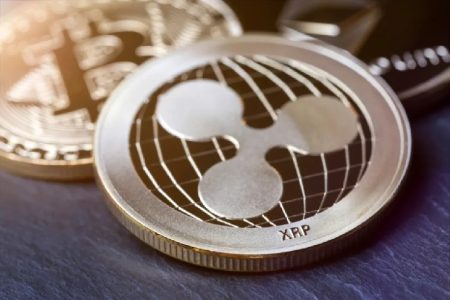
In the ever-fluctuating world of digital finance, where fortunes can shift on a presidential tweet, Bitcoin took an unexpected nosedive on a Wednesday morning, mirroring the abrupt twists in international relations. As traders on the U.S. East Coast monitored their screens, the leading cryptocurrency shed about $100, sliding to approximately $77,351 just before noon Eastern Time. This sharp pullback erased a modest uptick from earlier in the session, underscoring how geopolitical developments can swiftly alter investor sentiment. For cryptocurrency enthusiasts and market watchers alike, the drop felt like a stark reminder of the delicate interplay between global politics and financial markets—a narrative far removed from the scripted narratives of traditional equities.
What sparked this downturn was none other than U.S. President Donald Trump’s unfiltered remarks, broadcasted live via social media and swiftly amplified by news outlets. A Fox reporter shared Trump’s statements on X (formerly Twitter), revealing that the president had abruptly called off plans for diplomatic envoys to embark on an arduous journey tied to sensitive negotiations with Iran. “I’ve told my people a little while ago they were getting ready to leave, and I said, ‘Nope, you’re not making an 18-hour flight to go there. We have all the cards. They can call us anytime they want, but you’re not going to be making any more 18-hour flights to sit around talking about nothing,’” Trump reportedly said, his words dripping with characteristic candor and impatience. This pivot in strategy sent ripples through markets, as it directly interfered with expectations for new talks involving Iran, a country often at the center of economic sanctions and diplomatic intrigue.
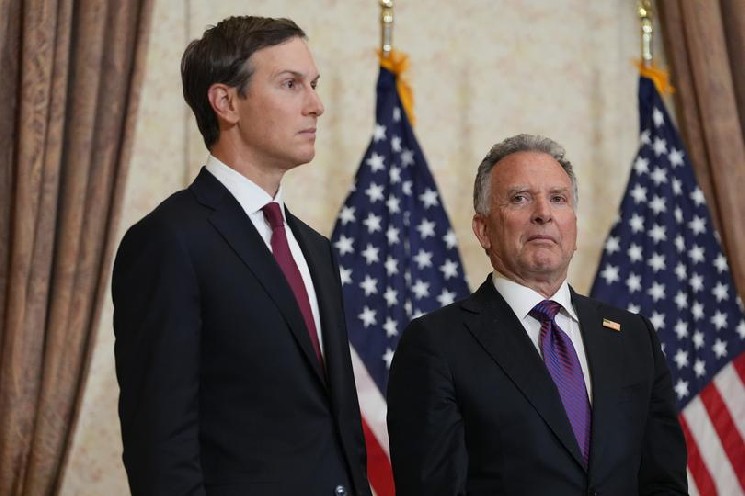
The envoys in question—Steve Witkoff and Trump’s stepson, Jared Kushner—were poised to head to Pakistan for what was anticipated to be a fresh round of discussions aimed at bridging divides with Iran. Their planned departure for the region carried symbolic weight, signaling potential progress in thawing diplomatic frosts. However, Trump’s decision came mere hours after Iran’s Foreign Minister Abbas Araghchi had concluded his own visit to Pakistan, leaving a trail of dashed hopes among those who had pegged this as a window for constructive dialogue. In the context of Middle Eastern geopolitics, such missed opportunities often heighten uncertainties, and in the cryptocurrency space, where volatility thrives on news from the headlines, this move injected an element of unpredictability that investors were quick to react to.
Yet, for all the commotion, the decline in Bitcoin’s value appeared contained, offering a glimmer of resilience amid the storm. Analysts observed that the crypto market treated this episode as more of a transient blip than a harbinger of lasting upheaval. Traders and experts alike noted that while the immediate fallout was palpable, the broader outlook for cryptocurrencies remained intact. This perspective draws from historical patterns where geopolitical shocks—be they trade wars or diplomatic standoffs—have initially rattled digital assets like Bitcoin and Ethereum, only for them to rebound as markets recalibrate. The limited scope of the drop suggested a degree of insulation, where the cryptocurrency ecosystem’s growing maturity helps cushion against isolated incidents, even those emanating from the highest echelons of power.
As the crypto community absorbs these developments, eyes are turning to forthcoming statements from U.S. officials and potential responses from Iran, which could either quell or intensify the turbulence. Diplomatic channels often rely on backchannels and subtle cues, and Trump’s anticipated address at a cryptocurrency conference in Palm Beach around noon Eastern Time adds another layer of anticipation. Scheduled to speak in a forum dedicated to blockchain innovation, his remarks could pivot the conversation toward the intersection of policy and technology, offering insights into how his administration views the crypto landscape amidst international tensions. Will he address the Iran talks directly, or delve into broader themes of decentralization and regulation? The uncertainty fuels speculation but also highlights the evolving role of cryptocurrencies as barometers for global sentiment.
In a tapestry of economic and political threads, this episode with Bitcoin underscores the intricate connections binding Wall Street decisions to White House whims. Market participants are advised to stay attuned to real-time updates, as the next move—be it from Tehran, Washington, or an anonymous whale in the crypto seas—could redefine fortunes. Amidst this drama, one thing remains clear: in the age of digital currency, no policy shift is isolated, and every tweet can echo across borders and blockchains alike. As Bitcoin hovers in this uneasy equilibrium, the stage is set for a riveting sequel in the ongoing saga of geopolitics and finance.
Geopolitical Shadows: How Trump’s Foreign Policy Pivot Affects Global Crypto Markets
Trump’s foreign policy maneuvers, often characterized by bold, unilateral decisions, have long influenced markets beyond traditional sectors, extending into the nascent cryptocurrency realm. From his early days in office to his current tenure, the president has shown a knack for disrupting norms, and this latest action on Iran diplomacy is no exception. The irony isn’t lost on observers: a leader who has championed deregulation for crypto projects in the U.S. is indirectly swaying their value through international chess moves. His approach, blending negotiations with pressure tactics, mirrors the “America First” doctrine that has reshaped trade relations and alliances, now casting unforeseen shadows over digital assets prized for their borderless nature. As global institutions grapple with inflation and economic rebound, such interventions highlight how even non-financial events can cascade into financial reverberations, challenging the perceived independence of cryptocurrencies.
Experts in the field argue that the volatility induced by Trump’s remarks exposes the underlying fragility of crypto valuations in a polarized world. Bitcoin, often hailed as a hedge against traditional instability, revealed its sensitivities to geopolitical news—a paradox for a asset class born in the ethos of decentralization. Historical precedents abound: think of how U.S.-China trade tensions in 2018 sent Bitcoin soaring as a safe haven, only to plummet with policy clarifications. Here, the cancellation of envoys’ travel amplifies perceptions of worsening relations, potentially eroding investor confidence in regions proximate to conflict. Pakistan, as the intended host, occupies a strategic position in South Asia, and any destabilization there could echo through energy markets, remittances, and yes, cryptocurrency flows—the latter increasingly integrated into global finance.
Moreover, Trump’s personal ties add a layer of intrigue; designating Kushner, his stepson, for such a role speaks to dynastic influences that have buzzed in political circles since his first term. Kushner’s previous involvements in Middle East diplomacy underscored his role as a nexus between business and politics, and his renewed assignment hinted at continuity in Trump’s unorthodox methods. Yet, pulling the plug on these talks mid-preparation doesn’t just scotch diplomatic efforts—it broadcasts a signal of heightened tensions, potentially exacerbating sanctions against Iran that already pinch global supply chains. For cryptocurrency investors, who often operate in a web of interconnected economies, this isn’t mere background noise; it’s a direct input into algorithms and sentiment analyses that drive trading bots and human strategies alike.
The limited extent of Bitcoin’s decline, however, suggests markets are adopting a wait-and-see posture rather than panic mode. Experienced traders point to this as evidence of maturing crypto ecosystems, where overnight news triggers corrections but not calamities. Integration with mainstream finance, boosted by institutional adoption, has fortified these assets against isolated shocks, allowing for quicker recoveries. Ethereum and other altcoins also ticked up in response, illustrating diversified portfolios’ strengths. Yet, as the dust settles, the episode serves as a cautionary tale for over-reliance on any single geopolitical event, urging investors to parse signals amidst noise.
Going forward, the focus will likely shift to articulated policy from the White House, potentially clarifying ambitions without the drama of canceled flights. In an era where Twitter diplomacy has become a tool of statecraft, real-time updates from Trump and his aides could either stabilize or stir markets anew. Iran’s silence thus far is telling; a calibrated response might de-escalate, while rhetoric could inflame. For the crypto community, this underscores the imperative of resilience, where blockchain’s transparency stands as a counterbalance to opaque political maneuvers.
Ultimately, this incident weaves into a broader narrative of how U.S. foreign policy exerts outsized influence on digital frontiers. As cryptocurrencies like Bitcoin gain traction globally, such events blur lines between political theater and economic reality, demanding vigilance from all stakeholders—from retail traders to hedge fund managers. In the grand scheme, it’s a reminder that in finance, as in diplomacy, patience and perspective often outpace impulsivity.
Expert Insights: Analyzing the Market Reaction to Diplomatic Drama
Delving deeper into the market’s pulse, financial analysts and crypto strategists have weighed in on Bitcoin’s recent fluctuation, drawing parallels to past incidents where international relations collided with asset prices. Renowned economist Dr. Elena Vasquez, a veteran commentator on digital currencies, noted that the drop aligns with established patterns of risk aversion triggered by uncertainty. “When geopolitical fog thickens, investors often retreat to safer harbors, and traditional options like gold or bonds benefit,” she explained in a recent interview. “But Bitcoin’s appeal as a ‘digital gold’ means it absorbs these shocks firsthand, especially when tied to a figure as pivotal as Trump.” Her insights reveal a market not immune to emotional undercurrents, where sentiment can drive herds as effectively as fundamentals.
Complementing this view, blockchain analyst Marcus Hale emphasized the role of velocity in crypto markets. “Unlike stocks, which might dip 1-2% on similar news, cryptocurrencies can see percentage shifts that feel amplified,” Hale stated. “However, the stabilization post-drop indicates that buyers are stepping in, recognizing the temporary nature.” He cited technical indicators like moving averages, which suggested Bitcoin remains above key support levels, potentially paving the way for recovery. Such expert commentary humanizes the cold data of charts, offering context to why a $100 slide resonates differently in volatile trades compared to steady blue-chip portfolios.
Institutional perspectives add another dimension: large players, such as hedge funds invested in crypto, reportedly observed the dip with measured optimism. One anonymous fund manager quoted in industry reports remarked, “Geopolitical noise is white noise in the long game; we’re watching for sustained policy signals rather than knee-jerk reactions.” This aligns with broader financial trends, where ETFs and futures have democratized access, allowing algorithms to analyze and hedge against such events more deftly. Yet, for individual investors, the message is clear: diversify and monitor news cycles, as Trump’s unpredictable style—exemplified by his quick cancelation—can create ephemeral bubbles that burst just as swiftly.
Iran’s indirect influence shouldn’t be underrated either; as a nation sanctioned by the U.S., its economic isolation intersects with global crypto flows, where peer-to-peer transactions offer circumventive avenues. Experts speculate that any escalation could boost blockchain adoption for remittances or trade, paradoxically benefiting long-term crypto growth despite short-term jolts. Vasquez elaborated, “In crises, innovation thrives—witness cryptocurrencies’ rise amid sanctions worldwide.”
As markets evolve, these insights foster a more nuanced understanding, urging stakeholders to evolve alongside. Whether through app notifications or analyst briefings, staying informed is key to navigating the uncertainties Trump’s diplomacy introduces.
Historical Parallels: Lessons from Past Trump-Era Crypto Volatility
Reflecting on the past provides invaluable lessons for interpreting today’s Bitcoin dip, as Trump’s presidency has been a rollercoaster of crypto-relevant upheavals. Recall late 2019, when then-President Trump imposed tariffs on Chinese goods, indirectly fueling Bitcoin’s parabolic ascent as traders sought alternatives to inflationary pressures. Similarly, his 2020 pardons and policy stances on digital assets foreshadowed today’s interplay. Yet, the 2016 election victory itself sparked a modest crypto rally, highlighting how political turns often precede market adjustments. This latest cancellation of Iran envoys echoes those tariff battles, where unanticipated shifts bred volatility but ultimately reinforced crypto’s status as an independent asset class.
Fast-forward to 2021, amid protests and sanctions tied to global conflicts, cryptocurrencies like Bitcoin demonstrated resilience, even as oil prices or equities wavered. Trump’s rhetoric on Iran, reminiscent of his “tough on Tehran” stance from his first term, has historically correlated with heightened market anxiety. Analysts point to the 2018 BTC crash partially linked to U.S.-Iran tensions exacerbated by Trump’s withdrawal from the nuclear deal—a reminder that geopolitical escalations can deflate bubbles built on hope. In contrast, de-escalation efforts post-2019 saw rebounds, suggesting today’s limited drop might follow a similar arc.
Kushner’s prior diplomatic roles offer a personal link; his 2019 peace plan for the Middle East introduced volatility, yet crypto markets recovered, underscoring adaptability. These patterns teach that while news shocks cause immediate ripples, the crypto universe—bolstered by community enthusiasm and institutional backing—often corrects course. For contemporary investors, this means viewing Trump’s moves as narratives in a larger story, not endgames.
Importantly, electrification of finance post-COVID has amplified these effects, with real-time social media amplifying narratives swiftly. Twitter’s role, now central under its new moniker, accelerates ecosystem responses, turning political posts into market catalysts.
By studying these precedents, we appreciate crypto’s maturation: no longer a fringe experiment, it’s a player in global finance, weathering storms with increasing ease.
Future Prospects: What Awaits Crypto Amid Evolving Diplomacy
Looking ahead, the cryptocurrency landscape hangs in suspense, contingent on clarifications from key players following Trump’s tweet-induced turbulence. As markets await response from Iran—whether conciliatory signals or retaliatory measures—the potential for ripple effects looms large. If diplomatic doors remain shut, analysts foresee escalated sanctions impacting energy-dependent nations, indirectly boosting cryptocurrencies as sanctions-bypassing tools. Conversely, renewed talks could stabilize regions, easing investor worries and spurring sustained growth in blockchain innovations.
Trump’s upcoming Palm Beach address, timed with this dip, presents a timely opportunity to recalibrate narratives. Will he double down on hawkishness or pivot to crypto-specific policies? Historical speeches have swayed markets—think his 2024 endorsements of ETF approvals, which calmed regulatory fears and lifted BTC. Insights from that event suggest his influence persists, potentially turning the Iran pivot into a stepping stone for broader crypto advocacy.
Emerging technologies amplify stakes: stablecoins and decentralized exchanges could see accelerated use in volatile climates, countering traditional banking disruptions. Experts predict a bifurcated market, where geopolitical unrest accelerates adoption in underbanked areas while serene environments foster mainstream integration.
Institutional interest remains a wildcard; firms like Fidelity and BlackRock have doubled down on crypto amidst such uncertainties, viewing them as hedges against fiscal unpredictability. As diplomacy evolves, so too will crypto’s role, perhaps integrating into global trade frameworks.
In summary, Bitcoin’s dip isn’t a nadir but a chapter, urging adaptive strategies in an unpredictable geopolitical theatre.
Navigating Uncertainty: Investor Strategies in a Trump-Era Crypto World
For investors grappling with these dynamics, adopting robust strategies is paramount in an era defined by ultrasonic volatility. Diversification emerges as a cornerstone: beyond Bitcoin, allocating to altcoins or even traditional assets mitigates single-event exposure. Monitoring policy feeds and social channels like X for Trump’s updates can provide an edge, turning real-time info into informed decisions.
Technical analysis remains vital; tools like RSI indicators helped interpret the dip as oversold, signaling potential rebounds. Fundamental perspectives, such as evaluating Ethereum’s scalability amid global shifts, offer deeper insights. Community forums provide anecdotal wisdom, blending expert views with collective intelligence.
Regulatory vigilance is key: With Trump’s pro-crypto leanings, watch for policy shifts that could unlock growth, like streamlined overseas transfers. Patience pays; short-term noise often yields long-term gains, as seen post-2018 dips.
Self-education combats fear—resources from CoinDesk or Blockchain conferences elucidate complex ties. Ultimately, treating crypto as a resilient asset amid diplomacy’s chaos empowers investors to thrive, transforming uncertainties into opportunities in this ever-evolving financial frontier.