


Paragraph 1: The Silent Passenger in Our Plates
We live in a world where plastic is not just on our shelves, in our cars, or wrapped around our gadgets—it’s inside us. For years, we have been bombarded with alarming headlines about microplastics and nanoplastics, those microscopic fragments of our disposable era that have been found in the deepest oceans, the highest mountains, and now, disturbingly, in human blood, lung tissue, and even placentas. Every time you chew a piece of gum, sip from a plastic water bottle left in the sun, or eat a takeout meal, there is a chance you are swallowing thousands of these tiny synthetic particles. We have been taught to feel a deep sense of helplessness about this; it seems like an inescapable condition of modern living. The topic feels overwhelmingly scary—a silent passenger that rides through our digestive system, potentially breaking down and leaking into our bloodstream to wreak havoc on our cells, hormones, and immune responses. But just when the narrative feels entirely dismal, science is offering a remarkably simple, comforting plot twist. It turns out that the very same humble nutrient your grandmother told you to eat for regularity—dietary fiber—might be our body’s best defense mechanism. A new study conducted on mice has unveiled a surprisingly poetic mechanism: fiber may literally physically grab onto plastic particles, wrapping around them like a cozy blanket and escorting them out of the body before they can do any harm. It is a story of microscopic salvation, turning our gut into a dynamic battleground rather than a passive sewer.
Paragraph 2: The Unlikely Hero in a Bowl of Oats
Let’s paint the picture of the research. Scientists at a university, deeply concerned about the bioaccumulation of plastics, took a group of mice and subjected them to a diet laced with microscopic plastic particles. They wanted to see how much of that plastic would break through the intestinal wall and enter the bloodstream, and what could be done to stop it. They split the mice into groups—some fed their usual chow, which was low in fiber, and others fed a high-fiber diet, rich in a compound reminiscent of what you’d find in a bowl of oatmeal or a stalk of celery. The results were nothing short of remarkable. In the high-fiber group, the researchers observed a stunning quirk of chemistry and physics: the fiber was acting like an aggressive scrubber or a sticky spider web. The long, chain-like molecules of soluble fiber, as they swelled and gelled in the presence of stomach water, actively intertwined with the smooth surfaces of the plastic particles. Using sophisticated imaging techniques, they saw the fiber physically enveloping the microplastics, forming clumps that were far too bulky and heavy to slip through the tiny gaps in the gut lining. It looked almost intentional—a fibrous cocoon locking the plastic down. Because these wrapped bundles were too large to be absorbed, they simply continued their journey down the gastrointestinal tract, ending up in the feces and exiting the body entirely, rather than lodging in tissues or entering the bloodstream where they could trigger inflammation or mimic hormones.
Paragraph 3: The Mechanics of a Molecular Cleanup Crew
To understand why this is so profound, we have to step inside the anatomy of our digestive system. Our intestines are not just a plastic tunnel; they are lined with a delicate, highly selective barrier made of cells packed tightly together. Small molecules—like nutrients, vitamins, and yes, tiny nanoplastics—can squeeze between these cells or pass through them to reach the bloodstream. The danger of nanoplastics is precisely their size; they are small enough to get lost in that complex architecture. Without the help of fiber, these tiny fragments of polyethylene or polypropylene behave like microscopic ghosts, drifting from your gut into your lymph and blood and traveling to organs. However, when soluble fiber—the kind found in fruits, vegetables, oats, and legumes—enters the digestive tract, it dissolves into a viscous, gel-like substance. This gel creates a thick matrix, or mesh, within the intestine. As the plastic particles move through this gel, they get caught. Think of it like trying to move a marble through a bowl of thick syrup; the marble gets stuck in the gooey mass. This physical entanglement is a purely mechanical process—unlike chemical digestion, this is about bulk and viscosity. The fiber molecules wrap, coil, and aggregate around the pollutants, effectively neutralizing their mobility. By binding to them, the fiber prevents the plastics from touching the intestinal wall entirely, reducing the rate of absorption to near zero. It’s a brilliant, natural form of biological quarantine.
Paragraph 4: Turning Concern into Action for Human Bodies
Now, the critical question: does this translate from a rodent cage to our human kitchens? The study’s authors are cautiously optimistic. While mouse metabolisms differ from human ones in speed, the fundamental mechanics of the gut barrier in mammals are startlingly similar. We share the same basic architecture of intestines lined with microvilli, the same secretory system for mucus, and the same need to retain large molecules. Although researchers administered higher concentrations of plastics than what the average human would consume in a typical day, the principle of “bulk binding” holds true across species. In practical terms, this means that the next time you eat a salad, an apple, or a bowl of whole-grain cereal, you are not just doing something good for your heart and cholesterol—you are actively arming your body with a defensive shield against environmental pollutants. This is an empowering thought. For years, we have felt vulnerable to the environmental contamination of our food system, as if we were passive recipients of contamination. This study gives us a sense of agency. It tells us that our dietary choices can act as a filter, a built-in detox mechanism that is entirely natural and completely side-effect-free. The humanality of this cannot be overstated: instead of investing in expensive gut cleanses or worrying about unproven detox supplements, the answer lies in the incredibly cheap, accessible, and mundane act of eating your vegetables.
Paragraph 5: The Simple Grocery List for Gut Protection
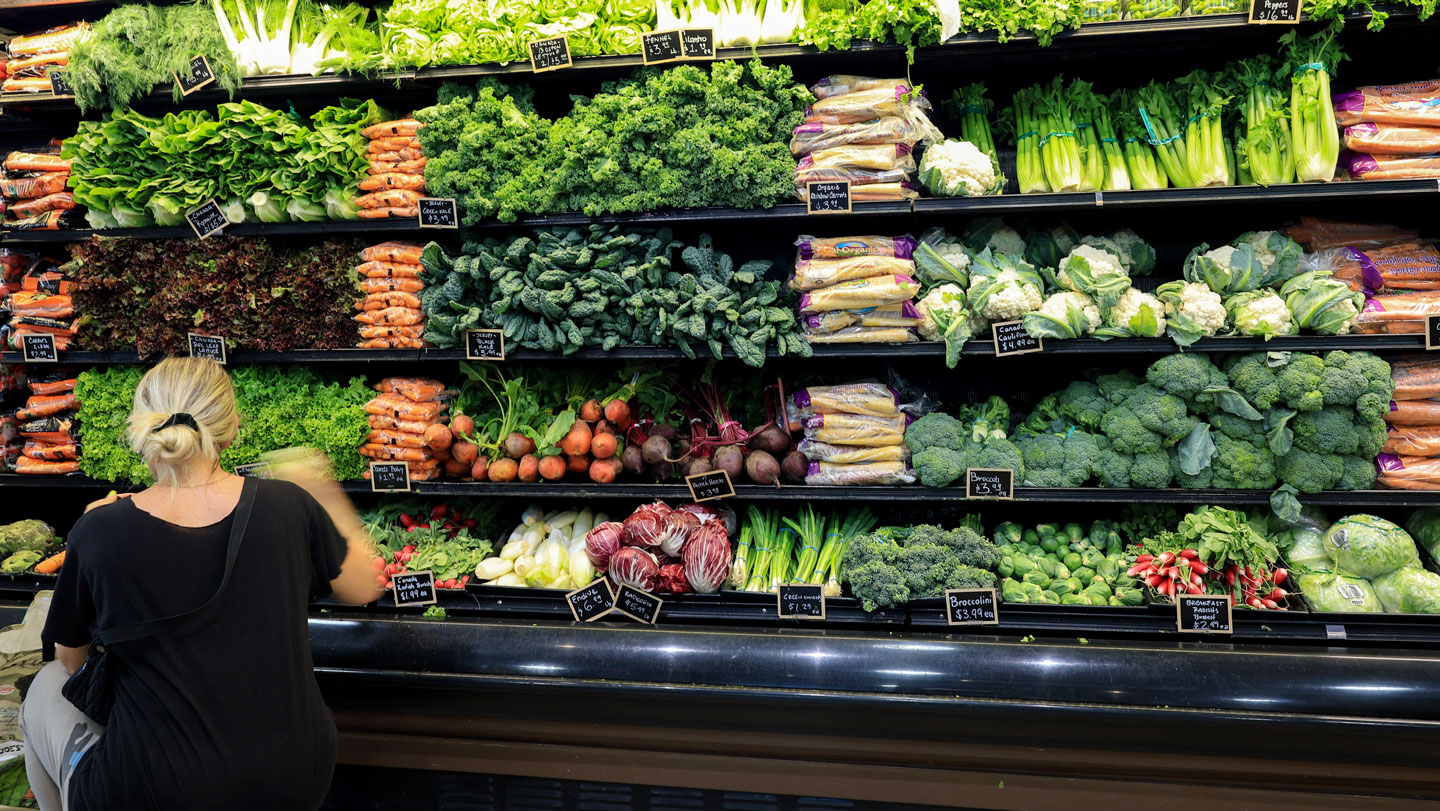
What does this look like on your plate? It means prioritizing the foods that are naturally rich in soluble fiber, the sticky kind. Think of foods that turn into a gel when cooked or soaked: oatmeal, chia seeds, psyllium husk, and beans. Apples contain pectin, which is a champion for absorbing and binding to heavy metals and, now, plastics. Carrots, which are fibrous, act as a gentle scrub brush for the digestive tract. Seaweed and algae, increasingly popular in modern diets, contain carrageenan and alginate, which have shown affinity to binding with various ions and particles. These aren’t strict or complicated guidelines. You don’t need a special “microplastic defense formula”; you need apples, pears, broccoli, Brussels sprouts, and whole grains. The beauty of this strategy is that “more” is safe. You can literally eat a high-fiber diet to your heart’s content, and you are unlikely to experience any adverse effects beyond a slightly more active digestive system. Compare that to the potential toxicity of plastics, which have been linked to endocrine disruption and reproductive issues—the choice is clear. Fiber is not a passive filler that merely keeps us regular; it is an active, dynamic participant in our health, cleaning house physically, sweeping up the dust of modern life that we accidentally consume.
Paragraph 6: A Future of Fortified Meals and Hope
Looking ahead, this research opens gates for future innovation. Researchers are now eager to identify which specific types of fiber are most effective against particular types of plastic. Perhaps one day, we will see “microplastic-binding” superfoods marketed specifically for their ability to reduce nanoplastics. But we don’t have to wait for the science to mature. We can act on this evidence today. This is a comforting message in a world of overwhelming environmental crises. It doesn’t require you to move to a cabin in the wilderness, dispose of all your plastic containers, or live in a plastic-free bubble—which is nearly impossible. It simply asks us to fortify our bodies with a tool we already possess. We cannot completely stop the influx of plastic into our environment, but we can influence what happens inside our own bodies. By focusing on a plant-rich, high-fiber diet, we transform our gut from a portal of vulnerability into a vigilant sentinel. We are not helpless victims with bits of plastic festering inside us; we are active guardians, using the legacy of our natural evolution—the ability to digest complex carbohydrates—to combat the legacy of our industrial age. So, next time you eat a crisp apple or a bowl of hearty lentil soup, remember the microscopic drama unfolding inside you: a tiny fibrous lattice reaching out, embracing the intruders, and saying, “Not today. You are not welcome here.” It is a small, humble victory against a gigantic problem, and it tastes delicious.