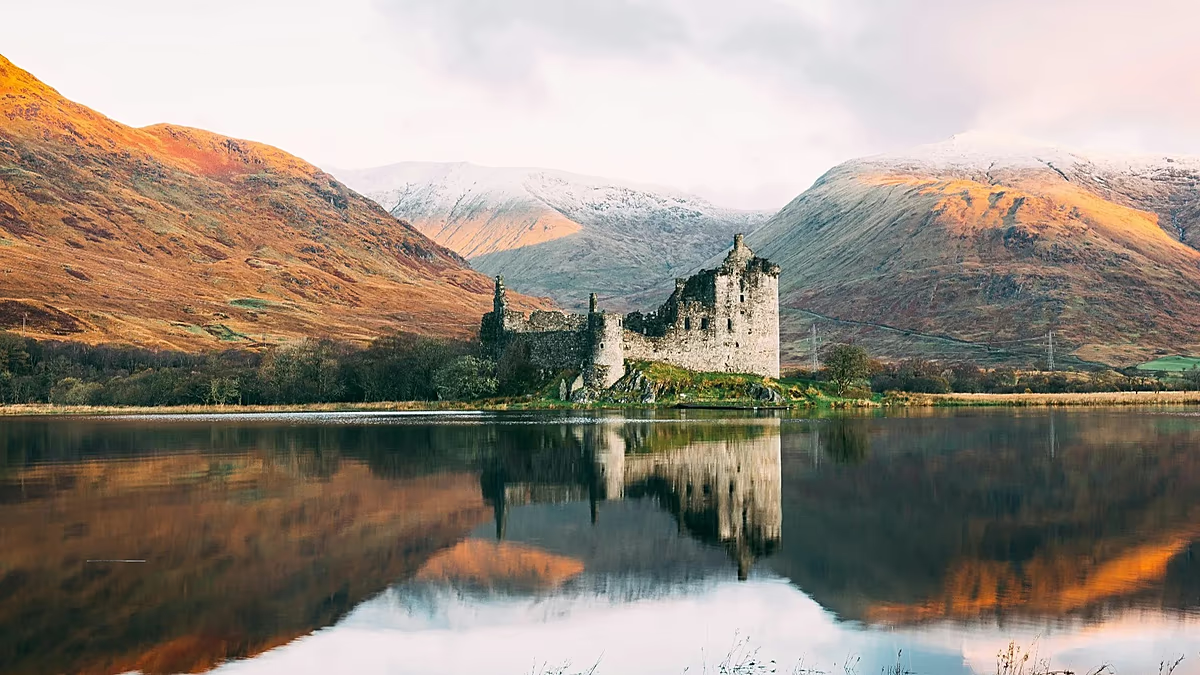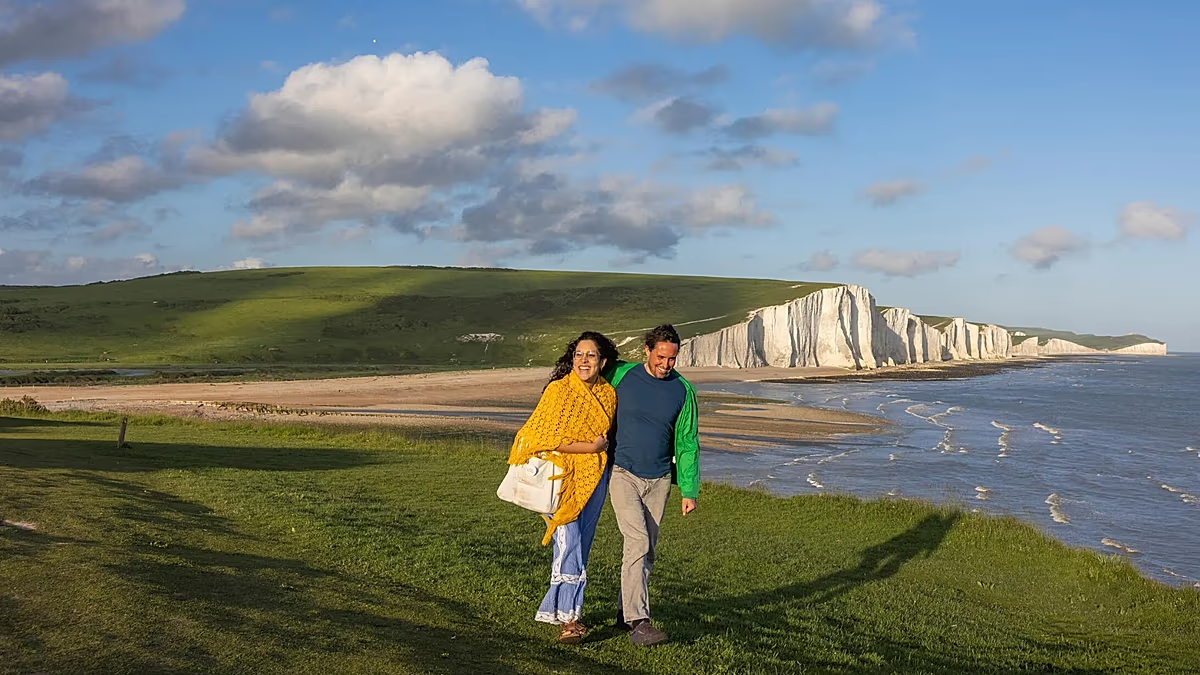




Standing on the white cliffs of Dover, with the wind whipping across the Channel and the faint outline of France on the horizon, you can feel the weight of history and the pull of distant shores. A few hundred miles north, the lochs of Scotland sit in deep, mirror-like silence, their waters holding centuries of legend. These are the images that define Great Britain for so many people around the world—dramatic, romantic, and full of story. Yet for a vast number of travellers, the Britain they actually experience is much narrower. They arrive in London, see the usual landmarks, perhaps take a day trip to Stonehenge or Windsor, and then leave, never having seen the rolling hills of Yorkshire, the wild coasts of Cornwall, or the ancient streets of Edinburgh. London is a phenomenal city, no question, but it is not the whole of Britain. By staying inside the capital, tourists are missing out on a country that is astonishingly varied, historically deep, and often surprisingly easy to navigate. At the same time, the regions beyond the M25—the motorway that rings the capital—are missing out too, losing the economic and cultural boost that a steady flow of visitors can bring.
That imbalance is exactly what VisitBritain, the country’s national tourist board, is trying to fix. Its challenge is not just to convince people to come to the UK, but to get them to spread out, to stay longer, and to discover places they might never have considered. One of its most ambitious and engaging campaigns is called “Starring GREAT Britain,” and it does something wonderfully simple and clever: it turns the whole country into a film set. Launched in January 2025, the campaign features a detailed map of real-life filming locations from movies and television shows shot in Britain, along with suggested itineraries broken down by region. Instead of simply saying “visit Scotland,” it invites travellers to step into the world of Outlander, or to wander through the landscapes of The Diplomat, or to see the grand estates that appeared in Downton Abbey. The Scottish Highlands itinerary, for instance, guides visitors through the exact scenic spots where those stories were brought to life. And because Britain is such a popular destination for film crews, the page is constantly evolving. It was expanded after the release of Wuthering Heights earlier this year, and it will keep growing as new productions, including the upcoming Harry Potter series, add their own magic to the map.
The campaign is built on a truth that many travellers already feel instinctively: stories make places meaningful. At the World Travel Market in London, VisitBritain’s CEO, Patricia Yates, explained that the organisation has a dual strategy. The first part is practical. Britain is a small island, and travel between regions is relatively quick and straightforward. You can be in Manchester or Liverpool in a couple of hours by train, or fly into Manchester and then spend three hours travelling up to Newcastle and into Scotland. Distances that would feel enormous in North America or Australia are manageable and often scenic. The second part is emotional, and that is where film comes in. “Starring GREAT Britain” uses the power of storytelling to answer the question of why anyone should leave London in the first place. Yates noted that every region has a story to tell, and the tourism industry has started to respond, building bookable experiences around these narratives for international visitors. This “set-jetting” trend is not niche. It has been one of the most powerful forces in travel for years. Game of Thrones transformed Northern Ireland and Croatia into pilgrimage destinations. The White Lotus has sent viewers dreaming of Sicily and Thailand. Dune turned the deserts of Jordan into a bucket-list landscape. Britain, with its deep bench of literary classics, period dramas, and blockbuster franchises, is perfectly positioned to benefit from this phenomenon.
But tourism, as many European countries are discovering, has a distribution problem. Too many visitors cramming into one city can create a miserable experience for everyone—for tourists who wait in endless lines and push through crowded streets, and for locals who feel their home is being turned into a theme park. Across Europe, there have been protests in cities like Barcelona and Venice, where residents have grown weary of the pressures of mass tourism. VisitBritain is aware of this delicate balance. London, Yates argues, can still handle the number of visitors it currently sees, but the organisation is careful not to direct huge crowds toward smaller destinations that are reaching their limits. The goal is not simply to increase numbers, but to deliver tourism that benefits businesses and, just as importantly, supports local communities. That means promoting places that have the infrastructure and capacity to welcome people, and that genuinely want visitors at a particular time of year. It also means being responsible enough not to push tourists toward areas that are feeling the pinch. The philosophy is refreshingly respectful—both of the destinations and of the travellers themselves. No one wants to be part of a wave that makes a place less livable for the people who call it home.
So what does a “good” visitor look like? For Yates, it is not just someone with a plane ticket and a credit card. It is someone who comes to explore, who wants to understand a place rather than simply check it off a list, and who takes the time to connect with the local culture, food, and people. She talks about a trend that seems to be growing across the world—travelers are seeking emotional, personal connections, and they want time to slow down a little. They are tired of rushing from one landmark to another. They want to sit in a café and watch the world go by, or walk through a landscape that makes them feel something. This is where the less obvious parts of Britain shine. The north east of England, for example, is one of Yates’s favourite recommendations. It is a region of wild coastline, dramatic castles, and warm, resilient communities. This summer, the historical open-air experience Kynren opened in the area, telling the story of England with a cast of 1,200 local volunteers. It is not a polished theme park experience; it is a living, breathing celebration of local pride and history. And for fans of the wizarding world, there is the breathtaking Alnwick Castle in Northumberland, where Harry Potter himself learned to ride a broomstick on screen. Standing in those stone courtyards, you can almost hear the swish of robes and the chatter of young witches and wizards. It is a reminder that the magic of Britain is not confined to London’s studio tours or its grand museums.
In the end, the message of “Starring GREAT Britain” is an invitation. It encourages travellers to be curious, to go a little further off the path, and to become part of a story that extends far beyond the capital. It is also a message about shared benefit. When visitors spread out, the economic advantages are distributed more fairly across the country, and the pressure on overburdened hotspots is reduced. But the deeper argument is more personal. The Britain that people fall in love with in films is not just a backdrop—it is a place that can be walked, touched, tasted, and felt. Whether you are standing on a cliffside in the Highlands, watching the sun set over a ruined abbey, or sharing a pint with strangers in a village pub, the real reward of venturing beyond London is the discovery that the country is far more beautiful, diverse, and full of character than any single city can capture. The white cliffs and the lochs are waiting. The castles and the small towns are waiting. The stories are waiting. All you have to do is turn the page and go.