

The Philippines, an archipelago of over seven thousand islands scattered across the turquoise waters of Southeast Asia, presents a kaleidoscope of experiences that beckon the modern traveler. It’s a land of dramatic contrasts, where the gentle whisper of waves on powdery white sands meets the thunderous roar of volcanic peaks, and where the dense, emerald-green foliage of ancient rainforests gives way to bustling, vibrant cities. This is a destination that doesn’t just offer a vacation, but a rich tapestry of nature, culture, and adventure woven together by the warm hospitality of its people. According to Marga Nograles, COO at the Tourism Promotions Board Philippines, the country is defined by its tropical climate and its year-round welcome. Speaking at the World Travel Market in London, she conveyed a simple yet powerful message: the Philippines provides an “authentic experience for every traveller,” regardless of the season, making it a truly dynamic and accessible destination for all.
The rhythm of the Philippine year dictates a unique array of activities, ensuring that every visit can be tailored to a traveler’s specific desires. From December through May, the calendar is punctuated by the awe-inspiring spectacle of whale watching, a highlight offered in four distinct destinations across the archipelago. This period also presents the idyllic conditions for island hopping, allowing visitors to traverse between award-winning beach resorts that dot the seascape like pearls. As the season shifts, so does the energy of the islands. From September to January, adventure seekers from around the globe descend upon Siargao Island, a surfer’s paradise where the Pacific Ocean swells to create waves reaching an impressive nine feet. This is the prime time for watersports, where the island buzzes with the thrill of the ride. Nograles elaborates on the allure of this season, noting that it’s not just about surfing; it’s also the perfect moment for extreme canyoneering and the unique experience of witnessing the sardine run, a mesmerizing natural phenomenon that brings divers face-to-face with swirling, silver shoals of fish, creating an underwater ballet of breathtaking scale.
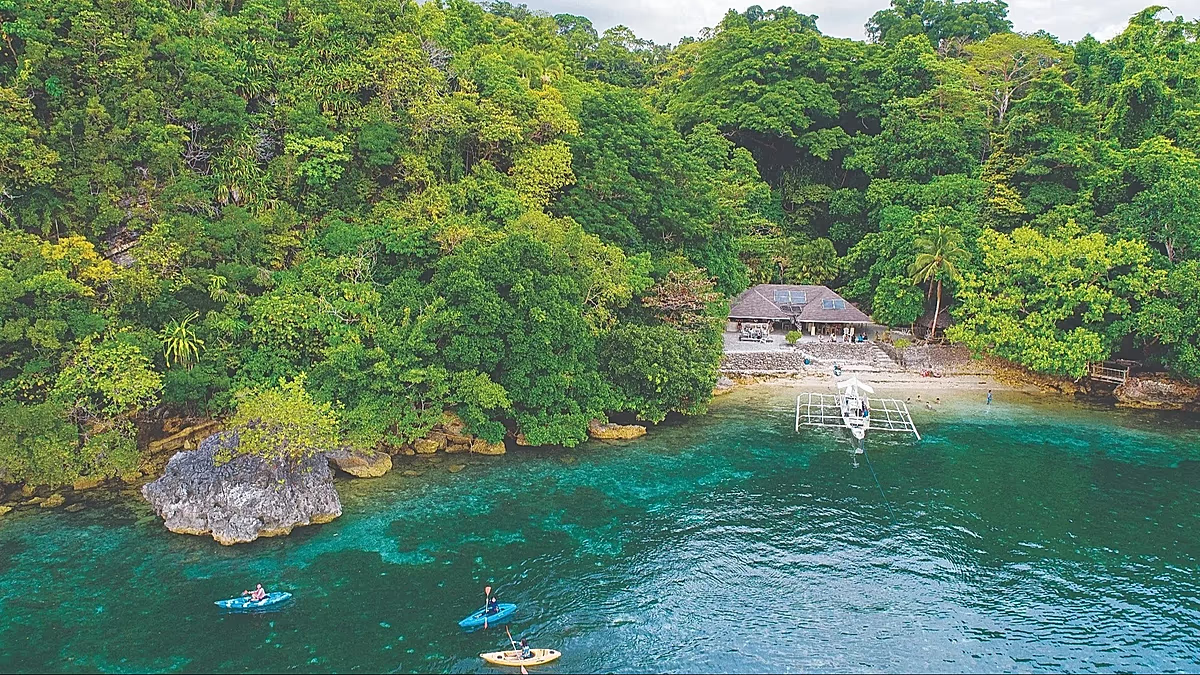
Beyond the well-trodden paths of the capital, Manila, lies a treasure trove of provincial gems waiting to be discovered, each offering its own distinct flavor of Filipino life and landscape. Nograles shines a light on Siquijor, a province that remains one of the country’s best-kept secrets. Often shrouded in mystique and local folklore, Siquijor is more than just its legends; it is a haven of serene beauty, boasting beautiful beaches, cascading waterfalls, and a rich, vibrant local tradition. Despite being the third smallest province in the nation, it is home to white sand beaches, crystal-clear waters, and a rich marine biodiversity that invites exploration. Visitors can paddle through calm waters on a kayak, trek through jungle trails, or snorkel within the Caticugan Marine Protected Area, a sanctuary of underwater life that promises unforgettable encounters. For those seeking a more accessible getaway, Nograles recommends Clark in Pampanga, a region that seamlessly blends a rich history with an exciting culinary scene and growing leisure opportunities. The spotlight, however, shines brightest on Camiguin, an island born of fire and home to fourteen volcanoes. This unique topography has earned it a coveted spot on The New York Times’ ’52 Places to Go’ list for 2026, an international distinction for the only province in the Philippines to be so recognized. Its volcanic landscapes, dramatic waterfalls, and soothing natural springs make it a wonderfully compelling destination for both nature enthusiasts and adventure junkies, offering a landscape that is as otherworldly as it is beautiful.
The Philippines is not only a feast for the eyes but also a grand celebration for the palate, a country where food is deeply intertwined with culture, history, and community. The epicenter of this culinary renaissance is Iloilo City, nicknamed the “heart of the Philippines” and officially recognized as a UNESCO Creative City of Gastronomy in 2023. Home to over 300 restaurants, this city’s cuisine is a profound expression of its local heritage. “It’s very interesting to come visit because their cuisine is heavily inspired by the culture and traditions of that city,” Nograles explains. This gastronomic identity is rooted in the spirit of “fiesta” and the tradition of festive banquets, a celebration of abundance and communal sharing. This culinary legacy is further championed through events like Timplada, a festival that highlights local cuisine and offers educational pieces focused on preserving Iloilo’s rich culinary heritage. Just a short journey away, the urbanized city of Bacolod on Negros Island takes a different yet equally significant approach to food. According to the Slow Food Foundation, Bacolod became the first international Slow Food Hub in Asia and the Pacific, cementing its status as a center for sustainable gastronomy. As Nograles proudly points out, “Bacolod City is a slow food hub in Asia and the centre for sustainable gastronomy,” and its home province, Negros Occidental, is considered the organic capital of the Philippines. Food lovers are encouraged to visit Carbin Reef in Negros Occidental, a stunning sandbar where they can sample “kinilaw,” a traditional Filipino seafood dish. This culinary staple is made by marinating fresh, raw fish in vinegar, then dicing it into cubes and mixing it with tomato, red onions, ginger, and lemon zest—a bright, acidic, and utterly delicious representation of the local palate.
If there is one thing that truly sets the Philippines apart, it is the sheer scale and vibrancy of its festivals. With more than 40,000 festivals celebrated each year, the country is in a near-constant state of joyful commotion, a testament to the deep-rooted faith, agricultural gratitude, and sheer love of life that defines its people. Nograles highlights three extraordinary celebrations as must-see experiences. The first is the Sinulog Festival in Cebu, a spectacular celebration of faith honoring the Señor Santo Niño, the Holy Child Jesus. The entire city comes to a standstill as the streets fill with a wave of humanity, all moving to the hypnotic beat of drums. “They take out their boats. And everyone has their face painted. The energy is unlike any other,” Nograles describes, painting a picture of an event that is both a deeply religious procession and a massive, exuberant street party. In the southern city of Davao, the Kadayawan Festival is a vibrant harvest celebration. This is a time for giving thanks for the bounties of nature, marked by colorful street dancing, concerts, and a spectacular abundance of the freshest tropical fruits. It’s a sensory overload for visitors, who are invited to sample the sweetness of the southern Philippines. Journeying to the northernmost part of the archipelago, the month-long Panagbenga Festival unfolds in a riot of color. This extraordinary celebration is dedicated to flowers, and as Nograles describes it, “all kinds of flowers are in bloom up the mountains during that time,” transforming the city into a breathtaking garden of elaborate floats and vibrant floral displays.
In essence, the Philippines is a country that refuses to be defined by a single narrative. It is the gentle lapping of water on the shores of Siquijor and the adrenaline-fueled crash of a wave on Siargao. It is the sacred ritual of the Sinulog and the culinary artistry of Iloilo. It is the misty, volcano-studded landscape of Camiguin and the organic farms of Negros Occidental. This archipelago is a destination that engages all the senses, inviting travelers to not just see its beauty but to feel its energy, taste its flavors, and participate in its time-honored traditions. From the adventurous spirit seeking the perfect wave to the peaceful soul searching for a quiet beach, and from the connoisseur of fine cuisine to the cultural voyager, the Philippines offers a rich and authentic journey that leaves an indelible mark on the heart. As Nograles’s insights make clear, this is a land where every season has its purpose, every island has its story, and every visitor is welcomed as family. The journey through this pearl of the Orient is not just a trip, but a lasting memory in the making, a discovery of a thousand islands that truly have something for everyone, all year round.