



The Ancient Blood Within: Unlocking Dinosaur Secrets Through Fossilized Cells
Deep within the fossilized bones of a dinosaur that roamed the Earth 115 million years ago, scientists believe they have discovered something extraordinary: the preserved remnants of red blood cells. This remarkable finding, published in the Proceedings of the National Academy of Sciences, represents what researchers claim are the oldest red blood cell structures ever identified, and the first to be chemically verified. The specimen, known as Aratasaurus museunacionali, was unearthed from a fossil-rich site in northeastern Brazil called Mina Pedra Branca, and its tiny internal structures may hold the key to understanding the physiology of creatures that vanished from our planet long before humans ever appeared. The implications of such a discovery stretch far beyond simple curiosity, potentially offering scientists a molecular window into the metabolism, activity levels, and biological functions of animals that have been extinct for tens of millions of years.
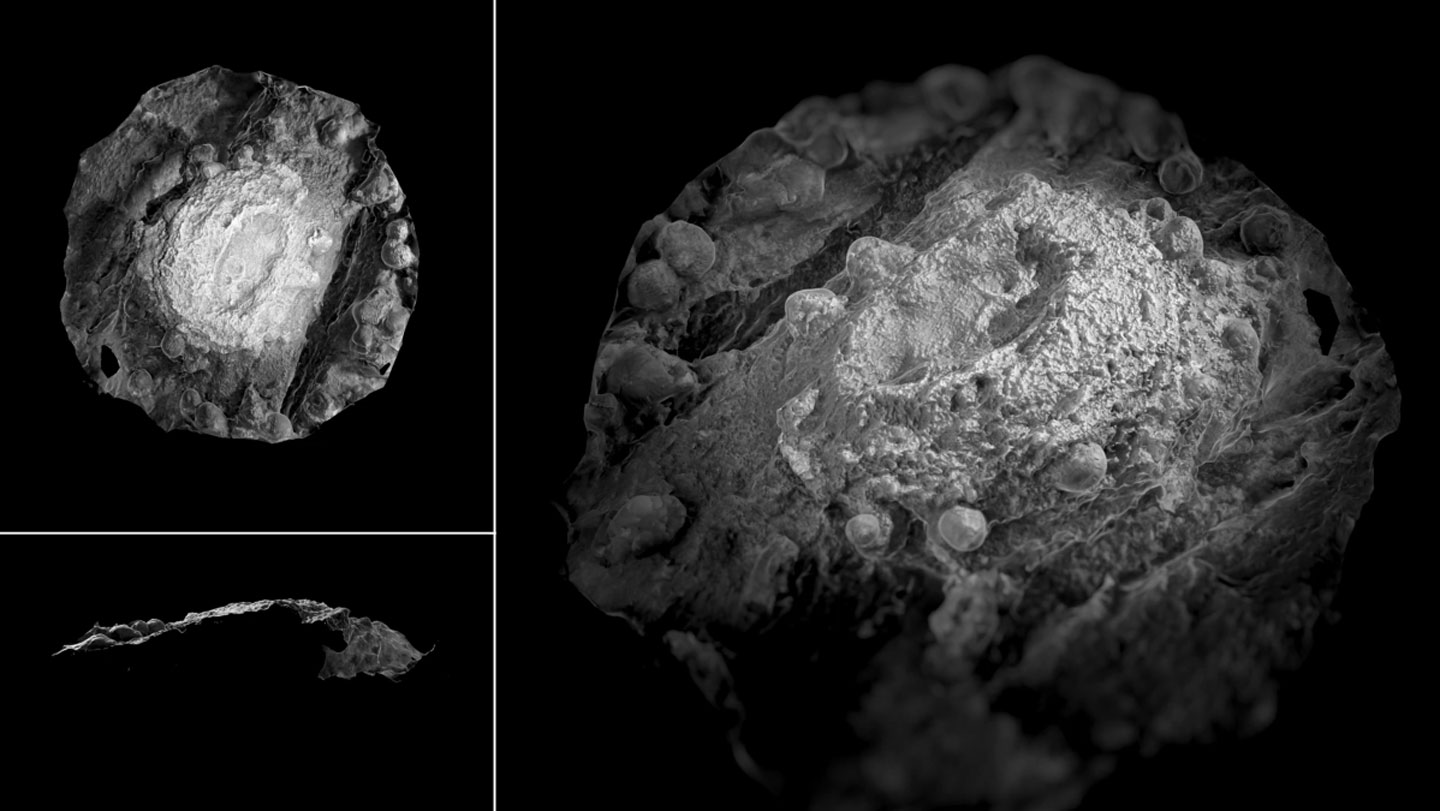
The research team, led by paleontologist Kliti Grice from Curtin University in Bentley, Australia, employed an impressive arsenal of scientific techniques to investigate this ancient specimen. By preparing thin cross-sectional slices of the bone and examining them with focused electron beams, they revealed ellipse-shaped microstructures nestled within the fossilized network of blood vessels that once carried life through this dinosaur’s limbs. What makes these findings particularly compelling is the chemical evidence supporting their biological origin. Through careful elemental mapping, the team discovered that these structures were rich in iron, carbon, and nitrogen, all components of heme, the iron-bearing molecule found in hemoglobin that gives blood its ability to carry oxygen throughout the body. Further analysis using laser light scattering techniques suggested the presence of porphyrins, ring-shaped organic compounds that serve as precursors to heme, and the researchers took additional steps to rule out contamination from other sources like chlorophyll, ultimately pointing to the conclusion that these are indeed molecular traces of ancient blood.
The significance of this discovery cannot be overstated when one considers the incredible odds against such preservation. Blood cells, like all soft tissues, typically decompose within days of an organism’s death, making their survival across 115 million years seem nearly impossible. The key to this remarkable preservation, according to the research team, lies in a manganese oxide mineral called hausmannite, which they discovered within the cellular structures. This mineral may have acted as a natural time capsule, effectively embalming the cellular structures and protecting the delicate molecules within from the ravages of time and geological processes. The researchers propose that this mineral helped stabilize and entomb the biological material during fossilization, preserving not just the physical structures but also the molecular signatures that provide such valuable insights into the dinosaur’s biology. This finding also opens up the possibility that similar preservation mechanisms might be more common in the fossil record than scientists previously believed, potentially unlocking a wealth of information from specimens already in collections around the world.
However, this discovery has not been met with universal acceptance within the scientific community, and the skepticism surrounding it highlights the ongoing challenges in paleontology. Distinguishing genuine fossilized blood cells from non-organic minerals that formed within fossils after death is an incredibly tricky task, as mineral-rich fluids that seep into bones during the fossilization process can create structures bearing a striking resemblance to biological components. The scientific community has been here before, most notably in 1997 when two paleontologists analyzed tiny spheres found in what was then thought to be fossilized blood cells, only to determine they were actually pyrite, an iron mineral deposited after death. That cautionary tale led to the establishment of strict criteria that must be met before proposing blood cell origins for fossilized structures, including comparing the shapes of structures with those from living related organisms and identifying specific biomarkers like heme compounds. While the current research team believes they have met these standards, some experts remain unconvinced.
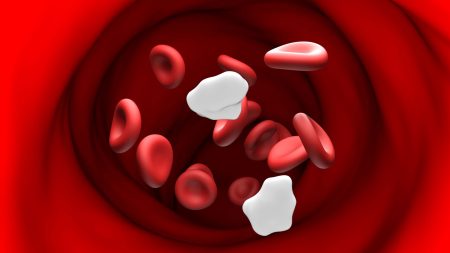
One of the most prominent voices of skepticism comes from Mary Schweitzer, a paleontologist at North Carolina State University whose own experiences with controversial fossil discoveries have made her particularly attuned to the challenges of such claims. Schweitzer is no stranger to this type of scientific controversy, having reported the first recovery of flexible soft-tissue blood vessels from a Tyrannosaurus rex leg bone in 2005, a landmark study that sparked intense debate about the preservation of ephemeral tissues through deep time. Her concerns about the current study are specific and substantive: the heme biomarkers don’t appear to be localized to the circular structures alone, as would be expected in fossilized blood cells, but instead come from analysis of the entire bone. She also notes that the proposed red blood cells differ in size and shape when compared with blood cells from living birds and reptiles, raising questions about whether these structures are truly what the researchers claim them to be. While she applauds the team for bringing a wealth of analytical methods to bear on the problem, she remains unconvinced that they have definitively identified heme compounds in the fossil.
The debate ultimately underscores a fundamental truth about paleontology: we are trying to reconstruct an ancient world using only fragments of evidence that have survived millions of years of geological processes. As Grice herself acknowledges, no one truly knows what a dinosaur’s red blood cell shape would be, or how the fossilization process might distort original structures or allow heme-related molecules to escape their cellular confines over time. The research team maintains that their interpretation rests not on any single line of evidence, but on the convergence of anatomy, morphology, mineralogy, elemental analysis, and molecular chemistry, arguing that this combination of approaches is critical to making such extraordinary claims. Whether this discovery ultimately stands the test of time and further investigation remains to be seen, but it raises tantalizing possibilities about what other molecular secrets might be preserved in the fossil record. Perhaps, as Grice suggests, this type of preservation may not be as rare as scientists currently think, and perhaps the key to understanding the blood that once flowed through ancient creatures lies waiting to be discovered in fossils already housed in museums and collections around the world, ready to reveal the deep secrets of life millions of years in the past.