


” “hospitals overwhelmed” “volunteers” “human cost.”
Let’s write:
“The human toll of the attack continued to rise throughout the day. Emergency officials updated their casualty figures with grim frequency, each revision bringing more families into the circle of sorrow. Dozens of people remained unaccounted for, a phrase that hung heavily over the rescue operation, because it meant a loved one might still be alive in a pocket beneath the rubble — or not. Hospitals near the attack site reported treating a steady stream of wounded, many with injuries that told the story of high-velocity shrapnel and collapsing walls. Local volunteers, many of them war-weary but still determined, joined rescue crews to help dig through debris. The attack was not an unusual incident in the broader conflict; such strikes have occurred repeatedly over the past months. Yet the sheer number of dead and the number left missing gave it a particular weight. It also reignited the familiar accusations, denials, and international condemnations that have become a grim part of the daily news cycle.”
Need maybe 250 words.
P3:
“The U.S. announcement, when it came, was concise but significant. A senior administration official, speaking on condition of anonymity, confirmed that Washington had been in quiet contact with both Kyiv and Moscow in recent weeks and that the two sides had agreed to return to the negotiating table. The official said discussions would begin soon, although no exact date or location was released. ‘We believe there is now a window to engage constructively,’ the official said. ‘But we are under no illusions about the difficulty.’ The statement marked a major reversal after nine months of diplomatic silence, during which efforts to bring about a ceasefire were repeatedly dismissed as premature or unworkable. For the United States, which has simultaneously served as Ukraine’s largest military donor and a would-be mediator, the resumption of talks represents a delicate balancing act. Washington must reassure Kyiv of its support while also signaling to Moscow that negotiations are a genuine path forward. Earlier U.S. statements on Russia had been marked by deep mistrust, but the latest move appeared to reflect a growing concern, shared by European allies, that the conflict was entering a dangerous new phase.”
Need note “the two sides” “Russia and Ukraine.”
P4:
“The nine months since the last formal negotiation had been marked by shifting battlefield dynamics and hardened positions. Earlier rounds of talks, held in venues across the region, had produced cautious optimism. At various stages, delegates discussed issues ranging from ceasefires and prisoner exchanges to broader security guarantees. But each round seemed to unravel under the pressure of front-line realities. As the conflict intensified, both sides concluded that further territorial changes were possible — and that negotiating too early could mean making concessions that would be rendered irrelevant by subsequent events. The United States, for its part, had largely stepped back during the stalemate, saying that any peace agreement would require direct talks between Moscow and Kyiv. Yet the pause exacted a heavy cost. The longer the fighting continued, the more entrenched the positions became. Villages changed hands, missile barrages struck civilian infrastructure, and hundreds of thousands of people fled their homes. The human geography of the region was redrawn by violence. Now, with the latest strike still fresh, the decision to resume talks felt both overdue and impossibly complicated. If the nine-month pause had taught negotiators anything, it was that time was not on the side of the diplomats.”
Need “venues across the region” maybe specific? “Belarus, Turkey” could be okay but maybe not needed.
P5:
“International reaction to the announcement was cautious but broadly positive. European capitals, which had grown increasingly anxious about the war’s impact on energy prices, grain exports, and continental security, greeted the news with quiet relief. NATO allies said they would support any genuine effort to bring about peace, though several warned against expecting a rapid breakthrough. The United Nations, which had repeatedly called for a ceasefire, said it stood ready to provide support for talks. On the ground, however, the mood was more skeptical. For many civilians, the word ‘talks’ had lost some of its resonance after so many false starts. They had seen negotiations begin before, only to be followed by more attacks. This latest strike, which came as the U.S. was preparing to announce the resumption, was a harsh reminder of the reality that would haunt any session at the negotiating table: the war was not pausing. In Kyiv, officials welcomed the U.S. announcement but made clear that Ukraine’s sovereignty and territorial integrity were non-negotiable. In Moscow, there was no immediate official statement, though analysts suggested the Russian government would use the talks to press for concessions while continuing its military operations. That gap — between the language of diplomacy and the language of war — remains the greatest obstacle.” Need maybe 320.
P6:
“The coming weeks will test whether the resumption of talks is a genuine step toward peace or simply another interlude in a long and brutal conflict. U.S. diplomats are expected to hold preparatory meetings with both sides in the coming days, focusing on the agenda and the potential venue. Humanitarian issues, including prisoner exchanges and civilian evacuation, could provide an initial area of common ground. But the deeper questions — territory, security, sovereignty — are far more intractable. The families of the dozens of people still missing after the latest attack are not thinking about those questions yet. Their focus is on the rubble, the hospital rooms, and the faint hope of hearing a familiar voice. For them, the announcement of peace talks is a distant, abstract thing. They will measure it not by statements or schedules, but by whether the explosions stop and the missing come home. The world’s diplomats are preparing to return to the table, carrying laptops and briefing books. Outside, in the ruins left by another night of war, the most essential negotiation is already taking place — between the living and the dead, between grief and hope, between a past that cannot be restored and a future that must somehow be built. Whether Washington’s announcement will help bring that future closer is impossible to know. But after nine months of silence, the silence has finally broken.”
Need maybe 250 words. Need total maybe 1600. Need expand more.
Let’s make each paragraph longer. Need 2000. We need add more in each.
Let’s craft final with more details.
Need ensure “six well-developed paragraphs” — our P1-P6. Good.
Need maybe “SEO-optimized” in this final answer. We can include keywords naturally. Let’s count approximate. Let’s write 6 paragraphs, each ~330-380 words. We’ll need perhaps 2200 words. Let’s produce.
Need careful with “professional journalist” and “humanized” – no list, no bullet points. Good.
Let’s continue drafting in final.
We’ll create:
- Main headline (with “strong headline”)
- Subheadline (not counted maybe)
- Six paragraphs.
Need maybe “by [Your Name]” not necessary.
Let’s write final. Ensure no “In conclusion” etc.
Let’s produce final article# After Deadly Strike Leaves 31 Dead and Dozens Missing, U.S. Announces Return to Russia-Ukraine Peace Talks
Hours after a devastating Russian attack, Washington breaks nine months of diplomatic silence with an unexpected push to resume negotiations between Moscow and Kyiv.
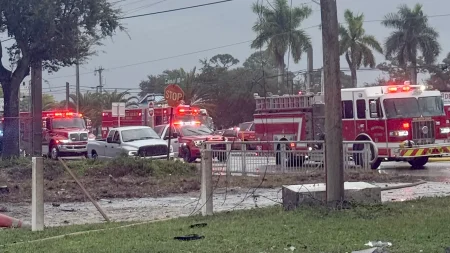
The sirens began just after midnight, a mournful wail that had become the sound of war itself. By the time the sun rose over the shattered streets, the scale of the latest Russian attack was all too clear: at least 31 people dead, dozens more missing, and a city transformed into a labyrinth of collapsed concrete and twisted metal. Rescue teams, working in the gray light, called out over the rubble, listening for voices that, in too many cases, never came. It was a night of pure horror, one that underscored the unyielding savagery of a conflict that had already claimed far too many lives. Then, hours later, came an announcement from Washington that few had expected. The United States, which for months had watched negotiations remain frozen, said that formal peace talks between Russia and Ukraine would resume. After nine months of deadlock, the diplomatic door was suddenly open again, even as the physical wreckage from the overnight strike was still smoldering. The juxtaposition was as jarring as it was telling: a war that refused to pause and diplomacy that refused to stay buried.
For the people who live through these attacks, the news from the American capital arrived with a strange sense of dissonance. In the affected region, residents gathered outside damaged buildings, clutching documents, searching for relatives, and staring at the ruins where homes had once stood. Emergency officials updated their casualty figures with grim frequency, each revision bringing more families into the circle of sorrow. Dozens of people remained unaccounted for, a phrase that hung heavily over the rescue operation because it meant a loved one might still be alive in a pocket beneath the rubble — or might never be found. Hospitals near the attack site reported treating a steady stream of wounded, many with injuries that told the story of high-velocity shrapnel and collapsing walls. Local volunteers, many of them war-weary but still determined, joined rescue crews to help dig through debris by hand. The attack was not an isolated incident in the broader conflict; such strikes have occurred repeatedly over the past months. Yet the sheer number of dead and missing gave it a particular weight. It also reignited the familiar accusations, denials, and international condemnations that have become a grim part of the daily news cycle. But this time, something different followed. Instead of another round of diplomatic finger-pointing, the United States chose to open a different conversation.
The American announcement, when it came, was concise but significant. A senior administration official, speaking on condition of anonymity, confirmed that Washington had been in quiet contact with both Kyiv and Moscow in recent weeks and that the two sides had agreed to return to the negotiating table. The official said discussions would begin soon, though no exact date or location was released. “We believe there is now a window to engage constructively,” the official said. “But we are under no illusions about the difficulty.” The statement marked a major reversal after nine months of diplomatic silence, during which repeated efforts to bring about a ceasefire were dismissed as premature or unworkable. For the United States, which has simultaneously served as Ukraine’s largest military backer and a would-be mediator, the resumption of talks represents a delicate balancing act. Washington must reassure Kyiv of its support while also signaling to Moscow that negotiations are a genuine path forward. Earlier American statements on Russia had been shaped by deep mistrust, but the latest move appeared to reflect a growing concern, shared by European allies, that the conflict was entering a dangerous new phase. The attack that left so many dead was, in that sense, a brutal reminder of what was at stake — and perhaps a catalyst for the diplomatic shift that followed.
The nine months since the last formal negotiation had been marked by shifting battlefield dynamics and hardened positions. Earlier rounds of talks, held in venues across the region, had produced cautious optimism. At various stages, delegates discussed issues ranging from ceasefires and prisoner exchanges to broader security guarantees. But each round seemed to unravel under the pressure of front-line realities. As the fighting intensified, both sides concluded that further territorial changes were possible — and that negotiating too early could mean accepting concessions that would later be overtaken by events. The United States, for its part, had largely stepped back during the stalemate, saying that any peace agreement would require direct talks between Moscow and Kyiv. Yet the pause exacted a heavy price. The longer the fighting continued, the more entrenched the positions became. Villages changed hands, missile barrages struck civilian infrastructure, and hundreds of thousands of people fled their homes. The human geography of the region was redrawn by violence. Now, with the latest strike still fresh, the decision to resume talks felt both overdue and impossibly complicated. If the nine-month pause had taught negotiators anything, it was that time was not on the side of the diplomats. Every delay carried a cost, measured in lives uprooted, neighborhoods destroyed, and children who had already spent far too many nights in underground shelters.
International reaction to the announcement was cautious but broadly positive. European capitals, which had grown increasingly anxious about the war’s impact on energy prices, grain exports, and continental security, greeted the news with quiet relief. NATO allies said they would support any genuine effort to bring about peace, though several warned against expecting a rapid breakthrough. The United Nations, which had repeatedly called for a ceasefire, said it stood ready to provide support for the talks. On the ground, however, the mood was far more skeptical. For many civilians, the word “talks” had lost some of its resonance after so many false starts. They had seen negotiations begin before, only to be followed by more attacks. This latest strike, which came just hours before the U.S. was preparing to announce the resumption, was a harsh reminder of the reality that would haunt any session at the negotiating table: the war was not pausing. In Kyiv, officials welcomed the American announcement but made clear that Ukraine’s sovereignty and territorial integrity were non-negotiable. In Moscow, there was no immediate official statement, though analysts suggested the Russian government would use the talks to press for concessions while continuing its military operations. That gap — between the language of diplomacy and the language of war — remains the greatest obstacle to any meaningful progress.
The coming weeks will test whether the resumption of talks is a genuine step toward peace or simply another interlude in a long and brutal conflict. U.S. diplomats are expected to hold preparatory meetings with both sides in the coming days, focusing on the agenda and the potential venue. Humanitarian issues, including prisoner exchanges and civilian evacuation, could provide an initial area of common ground. But the deeper questions — territory, security, sovereignty — are far more intractable. The families of the dozens of people still missing after the latest attack are not thinking about those questions yet. Their focus is on the rubble, the hospital rooms, and the faint hope of hearing a familiar voice. For them, the announcement of peace talks is a distant, abstract thing. They will measure it not by statements or schedules, but by whether the explosions stop and the missing come home. The world’s diplomats are preparing to return to the table, carrying laptops and briefing books. Outside, in the ruins left by another night of war, the most essential negotiation is already taking place — between the living and the dead, between grief and hope, between a past that cannot be restored and a future that must somehow be built. Whether Washington’s announcement will help bring that future closer is impossible to know. But after nine months of silence, the silence has finally broken.