



Every fall, Time magazine rolls out its Best Inventions list, and it always feels a little like a family photo album of human ingenuity—a snapshot of the ideas and gadgets that are quietly (and sometimes loudly) changing the way we live. This year’s edition, released Thursday, features 300 innovations, and while the cover belongs to Apple CEO John Ternus and the new iPhone Duo, the real story for the Pacific Northwest is how much of that ingenuity is happening in its own backyard. Seattle-area creators and companies claimed spots for breakthroughs ranging from a tactile sports tablet built for low-vision fans to an ultrasonic chef’s knife that can slice through food with impossible ease. The list includes scrappy startups like Yoodli, Tin Can, and OneCourt, as well as major regional hardware players like SpaceX’s Redmond-based Starlink team and Bellevue’s Valve. Amazon also grabbed two slots, one for its Amazon Pharmacy Kiosk in the medical category and another for its voice-directed Proteus warehouse robots in logistics. But perhaps just as notable as who made the cut is who didn’t: Microsoft, despite its deep roots in the region and its massive footprint in AI and cloud computing, was shut out entirely—no placement in the main 300 list, no special mention. That omission might raise eyebrows, but it also underscores how crowded and competitive the field has become. Time’s editors described the collection as “creations changing how we live, work, play, and think about what’s possible,” and they evaluated each contender on originality, efficacy, ambition, and impact. For the Seattle area, this year’s showing is more than a trophy case moment; it’s a reflection of a regional culture that loves solving real-world problems, whether through a clever app, a smarter warehouse robot, or a better night’s sleep in the backcountry.
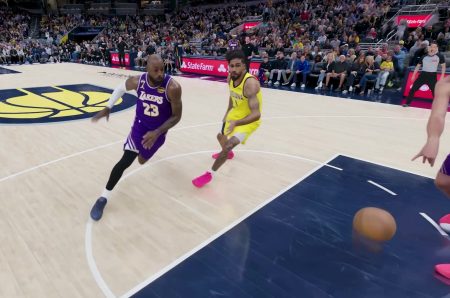
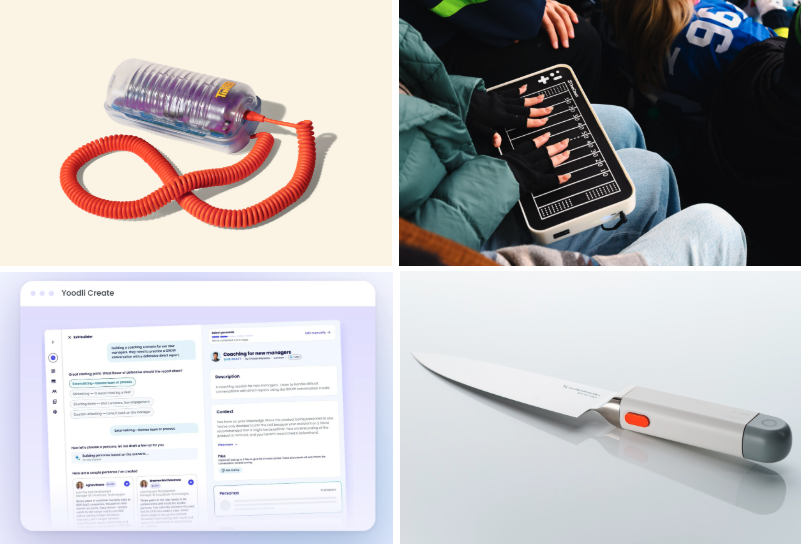
Among the most moving inventions on the list is OneCourt, a Seattle-area startup that created a tactile tablet for blind and low-vision sports fans. Imagine sitting next to someone at a basketball game who can hear the roar of the crowd but cannot see the fast-moving action on the court. OneCourt’s device translates real-time player and ball data into physical vibrations that move across the tablet’s surface, allowing fans to literally feel the game under their fingertips. It’s a simple idea in some ways, but profoundly human in its impact: it turns a shared social experience that has long excluded people with visual impairments into something inclusive and alive. The tablet doesn’t just report scores; it conveys the rhythm of the game, the sprint of a fast break, the sudden stop of a jump shot. That kind of design thinking—starting with a real human limitation and building technology around it—is what makes the list feel meaningful rather than merely flashy. Another regionally connected invention with a safety-minded mission is Pebblebee Halo, created by the Issaquah-based startup founded by former Boeing engineers. It earned a special mention for its tracking and safety hardware, giving people a way to keep tabs on what matters to them without sacrificing privacy. In a world where surveillance feels increasingly invasive, Pebblebee’s approach stands out for trying to put control back into the hands of individuals. These inventions share a common thread: they’re not just about novelty or convenience. They’re about removing barriers, easing anxieties, and helping people participate more fully in their own lives.
On the communication and parenting front, two Seattle startups show how technology can make us better at connecting with each other—sometimes by going backward. Yoodli, recognized in the education category, is an AI platform for human skills that uses realistic AI roleplays and real-time coaching to help people practice workplace communication. Anyone who has ever felt their heart race before a big presentation or fumbled through a difficult conversation knows how important these skills are. Yoodli acts like a patient, endlessly available practice partner, letting users rehearse pitches, interviews, and even tough feedback sessions without fear of judgment. It’s a fascinating use of artificial intelligence: not replacing human interaction, but helping people show up more confidently to it. Then there’s Tin Can, a landline-style home phone built specifically for kids. In an era where parents hand toddlers iPads and tweens beg for smartphones, Tin Can offers a radically different idea: a simple, sturdy phone that lets children call their grandparents or friends without any screen attached. It’s a reminder that sometimes the most innovative thing you can do is resist the gravitational pull of the internet. Tin Can gives families a safe, tactile way to stay connected, and it acknowledges a deep parental longing for the days when a phone was just a phone—a tool for voices, not for endless scrolling. Both Yoodli and Tin Can were honored for how they address distinctly human needs: the need to be heard, to practice, to feel close to the people we love, and to protect the youngest among us from the chaos of the connected world.
The Pacific Northwest also made its mark in the sensory, tactile pleasures of everyday life—food, comfort, and movement. Seattle Ultrasonics, created by Modernist Cuisine alum Scott Heimendinger, earned a spot in the food and drink category for its C-200 chef’s knife. This is not your grandmother’s kitchen tool. The knife vibrates tens of thousands of times per second, using ultrasonic energy to slice effortlessly through food with minimal pressure and less crushing damage. For professional chefs and home cooks alike, that means clean cuts through delicate herbs, perfect layers in soft cakes, and no more smashed tomatoes. It’s a tool that feels almost magical, but it’s rooted in serious materials science and a deep understanding of how food behaves under pressure. Out in the outdoors, Therm-a-Rest NeoLoft was honored for its ultra-comfortable sleeping pad, designed under Seattle-based parent company Cascade Designs. Anyone who has spent a night on the cold, hard ground knows that a good sleeping pad can be the difference between a glorious adventure and a miserable one. The NeoLoft aims to bring hotel-level comfort to the backcountry, blending plush support with the durability and packability that outdoor enthusiasts demand. And for athletes and everyday walkers, Superfeet ME3D was selected for its personalized 3D-printed insoles, crafted by the Ferndale, Wash.-based footwear innovation company. Instead of buying a generic insert off the shelf, customers get insoles shaped to the exact contours of their feet, potentially relieving pain and improving performance. What ties these inventions together is a respect for craft and for the body—an understanding that the objects we use to cook, sleep, and move deserve to be designed with care and precision.
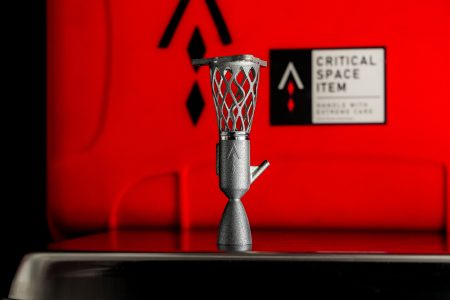
Connectivity and entertainment were also major themes for the region, with two heavyweight names leading the charge. SpaceX’s Starlink V5, engineered by the team in Redmond, made the list in the connectivity category. The newest internet terminal is roughly 35% smaller and 52% lighter than its predecessor, making it far easier to mount, carry, and deploy. That matters for people who live in rural areas, work on ships, or travel through places where traditional internet infrastructure simply doesn’t reach. Starlink V5 is about shrinking the gap between the connected and the unconnected, one compact dish at a time. Meanwhile, Bellevue’s Valve earned a spot in entertainment and gaming for its Steam Machine, the latest hardware push to bring PC gaming into the living room. For years, PC gamers have been tethered to desks and monitors, while console players lounged on couches. Valve’s Steam Machine aims to bridge that divide, offering a console-like experience without sacrificing the flexibility and vast library of PC gaming. It’s a bold bet on the future of how we play, and it speaks to the region’s long history of shaping interactive entertainment. On the logistics side, Amazon’s two placements—the Pharmacy Kiosk and the voice-directed Proteus warehouse robots—highlight how the company is trying to automate and simplify everything from picking up prescriptions to moving packages through enormous fulfillment centers. But the absence of Microsoft from the entire list is a striking storyline. Given the company’s massive investments in artificial intelligence, cloud computing, and productivity software, its blank on Time’s 2026 list feels less like a judgment on its products and more like a sign of how much the innovation landscape has shifted. The Pacific Northwest is no longer just a place where software giants sit; it’s a region where garage startups and established hardware teams are all competing for the same spotlight.
Looking beyond the Seattle city limits, the Pacific Northwest’s presence on the list stretches from British Columbia to Oregon, a reminder that innovation doesn’t respect borders. Three Vancouver, B.C., startups earned recognition: Moment Energy for its clean energy storage systems made from second-life EV batteries, Glüxkind for its AI-powered self-pushing stroller called the Rosa, and Form for its Smart Swim 2 Pro goggles that provide real-time coaching right in the swimmer’s field of vision. Each of these inventions answers a different kind of question. Moment Energy asks how we can give old electric vehicle batteries a new purpose instead of letting them become waste. Glüxkind asks how parents can keep their hands free and their eyes on their child, not on a stroller handle. Form asks how athletes can train more intelligently without breaking their stroke to glance at a screen. Down in Oregon, Nike also secured a spot in the apparel category for its innovative ACG cooling running shirt, a piece of clothing designed to help runners stay cool and comfortable in hot conditions. The breadth of this year’s honorees—from a landline phone for kids to a satellite dish for remote internet, from a vibrating knife to a sleeping pad that feels like a cloud—tells a story about the many ways human beings are trying to improve daily life. The Oct. 26 issue of Time goes on sale on Friday, and readers will be able to pore over the full list and debate the choices. But for those in the Pacific Northwest, this year’s list is a point of pride and a reminder that the future isn’t being built in some distant Silicon Valley. It’s being imagined and engineered in kitchens, garages, labs, and warehouses right here, by people who see a problem and can’t stop themselves from trying to solve it.