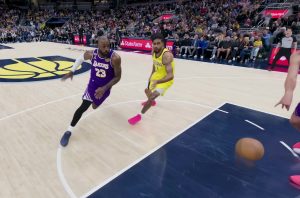


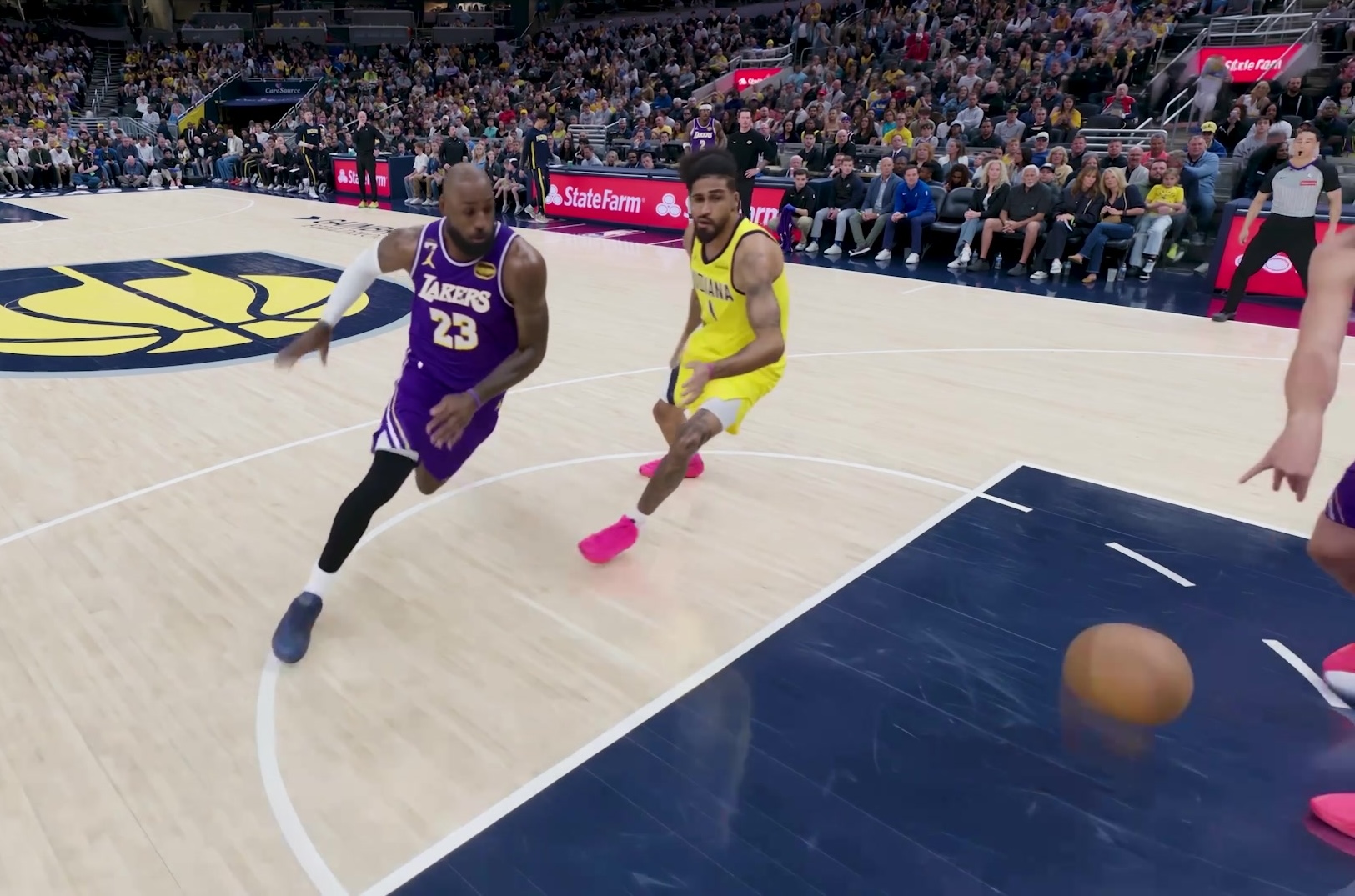
As Amazon gears up for its second season of NBA basketball on Prime Video, the company is pulling out all the stops with a new slice of technology that promises to make watching the game at home feel like a whole new experience. If you’re someone who loves basketball, you already know that replays are essential — the moment a player drives to the rim, the crowd erupts, and sometimes you just need to see it again from a completely different angle to truly appreciate the athleticism. That’s exactly where Prime 360 comes in. It’s a new AI-powered camera system built specifically for the court, using a ring of high-resolution cameras placed all around the arena to capture every play from every possible angle. Once the footage is collected, Amazon’s proprietary artificial intelligence models get to work, processing the images and stitching them together into highlight replays that look like they’ve been pulled straight from a video game. It’s the kind of thing that makes you pause and say, “Wait, they can do that?” And the answer, apparently, is yes.
The folks behind the project are understandably excited about what this means for the fan experience. Josh Green, an associate producer at Amazon, describes it simply and vividly: “Think of it like a video game camera.” That’s really the easiest way to wrap your head around it. Instead of being stuck with the same few sideline or baseline views that traditional broadcasts have relied on for decades, Prime 360 lets you, the viewer, feel like you’re floating through the action. Wade Wakashige, a director of product, put it even more plainly when he said that with this technology, you can “fly the camera through the play.” He added that these views give fans at home something that even the people sitting courtside in the arena can’t see. And that’s the real magic here — you’re not just watching the game; you’re getting a perspective that no one else in the building has. Whether it’s a fast break, a perfectly executed pick-and-roll, or a last-second block, Prime 360 lets you explore the geometry of the game in a way that feels fresh, immersive, and almost cinematic.
But how exactly does all of this work behind the scenes? It’s not just a matter of pointing a few extra cameras at the action and hoping for the best. Amazon built this system with a dedicated team of producers, engineers, and AI scientists, and it’s powered by the company’s own in-house AWS Trainium chips — the same kind of computing muscle that runs massive machine-learning workloads in the cloud. The cameras are carefully calibrated and synchronized so that they all capture the exact same moment in time. Once the footage is collected, it’s sent up to the AWS cloud, where each play is reconstructed as a full 3D scene. That’s the crucial step. Instead of simply showing you a few different camera feeds, the system builds a digital model of the play, which is what opens up all those incredible possibilities for replays. You can rotate the view, zoom in on a player, or sweep around the court as if you were controlling a camera in a video game. It’s a massive technical undertaking, but the result is something that feels effortless to watch — even though the engineering behind it is anything but.
Prime 360 isn’t the only new trick Amazon is bringing to the broadcast this year. The company is also teaming up with Yahoo Sports to add a fantasy basketball integration that should be a game-changer for fantasy players. If you link your accounts, your fantasy roster and real-time stats will appear right on screen while you’re watching the game. No more scrambling to check your phone every few minutes to see how your players are doing — it’s all right there in front of you. The system will even recommend live and upcoming games that feature players on your fantasy team, so you’ll never miss a moment of your stars in action. It’s a thoughtful addition that speaks to how deeply sports viewing and fantasy play are now intertwined. And for those who like a little more friendly gambling action, Amazon is also bringing back the FanDuel betting integration, which lets you track your active bets during the broadcast. Just don’t get too excited — while you can see your bets, you still can’t place new wagers directly through Prime Video. There is also the return of Prime Vision, an alternate stream that serves as a testing ground for experimental AI-powered stats and graphics, like flagging offensive players who are in prime scoring position, some of which eventually make their way into the main broadcast.
Of course, all of this fancy technology is in service of a much bigger deal. Amazon debuted “NBA on Prime” last October with a Celtics-Knicks game, kicking off an 11-year agreement that gives the company exclusive rights to select regular-season and playoff games. The price tag for that kind of commitment is staggering — Bloomberg reports Amazon is paying around $1.8 billion annually for the rights. But the payoff, at least in terms of content, is substantial. This season, Amazon will stream more than 100 regular-season and postseason games. That includes exclusive coverage of the Play-In Tournament, select first- and second-round playoff games, and, for the first time ever, exclusive coverage of the Eastern Conference Finals. That’s a huge deal for the streaming world, and it signals just how far Amazon is willing to go to cement itself as a serious player in live sports. They’re not just dipping a toe into the water; they’re diving in headfirst, and they’re bringing a whole arsenal of technology with them.
For fans who just want to watch great basketball, the logistics are pretty simple. The “NBA on Prime” season opener is set for October 23, and it starts with a bang — a doubleheader featuring the defending champion New York Knicks hosting the Boston Celtics in the early game, followed by the Houston Rockets taking on the San Antonio Spurs in Austin. All of this programming is included with a Prime membership, which runs $139 a year or $14.99 a month, and games stream in both English and Spanish across the Prime Video app and the web. It’s hard not to feel like we’re at the beginning of something significant. The combination of cutting-edge AI, immersive replays, fantasy integration, and a massive slate of games represents a bold vision for the future of sports broadcasting. Amazon is betting that fans want more than just a feed of the action — they want depth, interactivity, and perspectives that make them feel closer to the game than ever before. And if Prime 360 delivers even half of what it promises, this season could be the moment where streaming truly comes into its own as the home of live sports.