


The Gable: Where Old Hollywood Glamour Meets Modern LA
There’s something undeniably magical about stepping into a space that feels both timeless and entirely fresh, and that’s precisely the experience awaiting guests at Gable, the dazzling new restaurant tucked inside the legendary Roosevelt Hotel on Hollywood Boulevard. From the moment you walk through the doors, you’re enveloped in an atmosphere that whispers of a bygone era while simultaneously buzzing with contemporary energy — think candlelit tables, impeccably dressed servers, the soft clinking of artisanal cocktails, and a warmth that feels less like a stuffy fine-dining establishment and more like the most fabulous dinner party you’ve ever been invited to. The restaurant opened its doors in August, and in just a few short months, it has become the talk of the town, with food critics and regular Angelenos alike singing its praises. In fact, the reception has been so overwhelmingly positive that TimeOut has already crowned Gable “the new king of Hollywood,” a bold declaration that carries significant weight given the restaurant’s namesake. Clark Gable, the iconic actor who once reigned supreme as the King of Hollywood, now lends his name to a space that seems destined to honor his legacy while carving out its own glorious chapter in the ever-evolving story of Los Angeles dining.
The Roosevelt Hotel itself is practically a living museum of Hollywood history, a grand dame that has stood watch over the boulevard for nearly a century and will celebrate its 100th birthday next year. This storied institution has witnessed the rise and fall of countless stars, the golden age of cinema, and the transformation of Los Angeles from a sprawling desert town into the entertainment capital of the world. It was within these very walls that the first-ever Academy Awards ceremony took place back in 1929, a glamorous affair that set the stage for the Oscar traditions we know today. In its heyday, the Roosevelt was the playground of silver screen legends — Marilyn Monroe reportedly lived in one of its suites for two years, and Clark Gable himself was a frequent visitor, often holding court in the hotel’s bars and lounges. The new restaurant honors this rich heritage not merely through its name but through its very philosophy. There’s a palpable sense of history woven into every corner of the space, from the architectural details that have been carefully preserved to the black-and-white photographs that adorn the walls. Yet the operators were determined not to create a museum piece but rather a living, breathing tribute to the past that feels completely relevant to modern diners. As general manager Parker Sprow explains, the goal was to bridge Hollywood’s storied past with LA’s eclectic present, creating something that stands out in a city already blessed with an extraordinary culinary landscape while honoring the Roosevelt’s remarkable legacy.
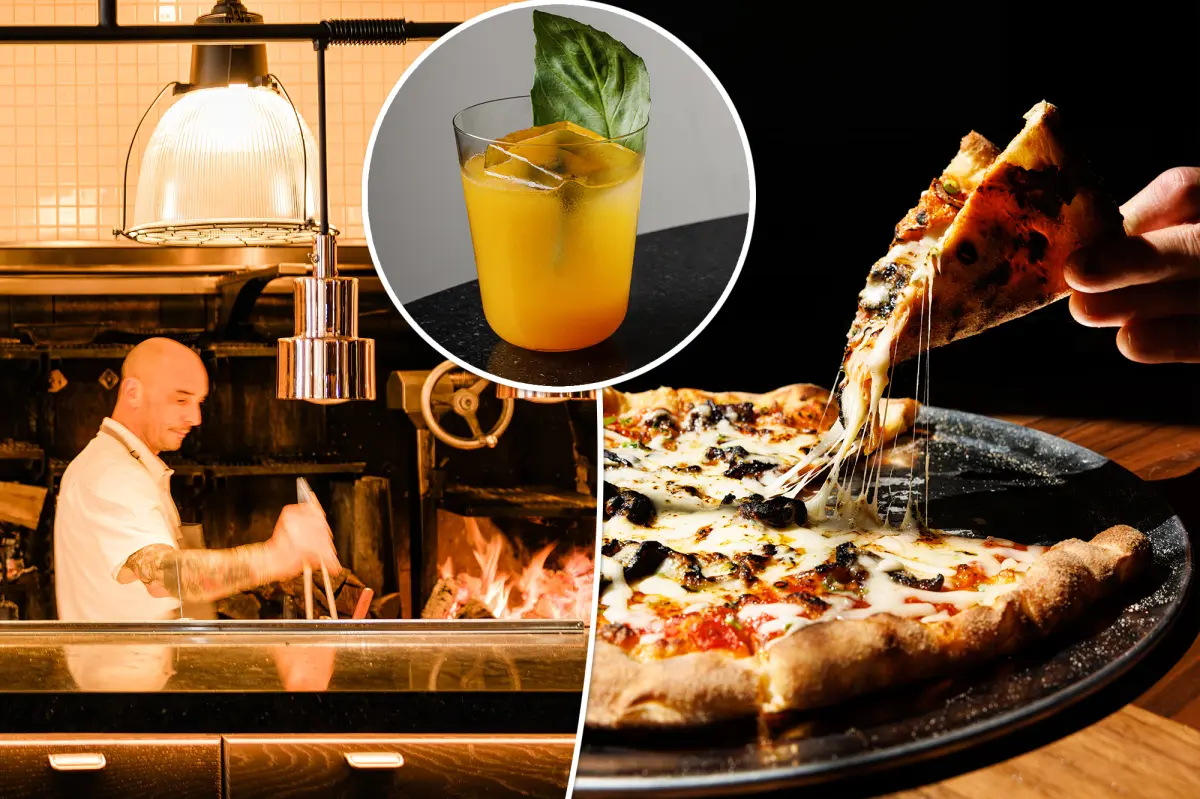
When it comes to the food, Gable’s kitchen delivers a dining experience that defies easy categorization, much like the city it calls home. The menu is described as Contemporary Californian, but that simple label barely captures the thrilling culinary journey that unfolds across each plate. Chef and team have created a fusion that draws from American, Asian, Italian, and Mexican influences — a reflection of the diverse cultures that make Los Angeles the vibrant, multifaceted metropolis it is today. The centerpiece of the menu is the grilled branzino, served ssam style in the traditional Korean preparation, accompanied by a Mexican-inspired salsa macha and salsa verde. This dish is a beautiful metaphor for the restaurant itself, bringing together culinary traditions from across the globe in a celebration of fusion and harmony. It arrives at the table with a pair of scissors, a delightful nod to Korean barbecue traditions, and is specifically designed for two to share, encouraging a sense of conviviality and connection. Another standout is the Sixth and Wilshire pizza, named for the two borders of Koreatown, which offers a creative Korean twist on a beloved classic, topped with bulgogi, red sauce, kimchi, and melted mozzarella. Every dish tells a story of cultural intersection, of flavors that have traveled across oceans and found new expression in the California sunshine, creating a menu that could only exist in Los Angeles.
The liquid offerings at Gable are equally impressive and inventive, with a drink menu thoughtfully divided into three distinct categories: bright, whimsical, and spirited, and spiritless. This organization allows guests to navigate their libation choices with ease, whether they’re in the mood for something refreshing and luminous, something playful and unexpected, or something with a more traditional boozy kick. Among the unconventional options that have captured attention is the intriguingly named Yellow King, a cocktail that combines tequila with yellow tomato, miso honey, stonefruit, and basil — a surprisingly harmonious blend that exemplifies the restaurant’s adventurous spirit. The bar program clearly shares the kitchen’s commitment to creativity and boundary-pushing, delivering drinks that are as visually stunning as they are delicious. The critics have certainly taken notice of these culinary and mixological achievements. TimeOut has lavished praise on the establishment, calling it “the new king of Hollywood” and suggesting that if Gable maintains its current level of technique and experimentation, the title might soon pass from Clark himself to his namesake restaurant. Eater has similarly celebrated the menu, singling out delights like the pork chop with anticucho glaze and grilled peaches, dishes that demonstrate both technical skill and a willingness to take risks. The praise has been remarkably swift and unanimous, establishing Gable as a must-visit destination in LA’s competitive dining scene.
What’s perhaps most remarkable about Gable’s success is how quickly it has found its rhythm. In just two months, the restaurant has already experienced several fully booked nights and has begun to accumulate its fair share of regulars, a testament to the immediate connection it has forged with the community. Sprow acknowledges this fortunate position with genuine humility, expressing gratitude for the positive reception while maintaining a clear-eyed focus on sustainability and consistency. The goal, he emphasizes, is to ensure that every guest who walks through the doors receives the same exceptional experience that was envisioned from the very beginning — the same wonderful food, lively atmosphere, beautiful lighting, and friendly service that have already earned such devoted followers. Importantly, Sprow has a vision that extends beyond serving tourists and hotel guests. He wants Gable to become a true Hollywood hangout, a neighborhood spot where local residents can walk down the street and know they’ll find a reliable night out, whether they’re celebrating a special occasion or simply seeking a familiar, welcoming place to unwind. There’s something deeply personal about this vision, a desire to embed the restaurant within the fabric of the community rather than having it exist merely as a destination for out-of-towners seeking a taste of old Hollywood glamour. It’s this genuine commitment to place and people that sets Gable apart.
The restaurant’s emergence as a bright spot on Hollywood Boulevard carries significance that extends far beyond culinary excellence, particularly given the challenges facing this iconic stretch of Los Angeles. The boulevard has been fighting for its life amid a dual scourge of skyrocketing vacancy rates and a visible homelessness crisis, struggles that have only been exacerbated by the pandemic and the resulting steep decline in tourism. As recently as July, vacancy rates on the boulevard soared as high as 30 percent, leaving entire blocks of storefronts dark and empty, a heartbreaking sight for those who remember the street’s former glory. Against this backdrop of struggle and uncertainty, Gable represents something hopeful — proof that the magic of Hollywood isn’t entirely lost, that there’s still room for glamour, creativity, and renewal in this storied neighborhood. The restaurant serves as a reminder that the spirit of old Hollywood — its elegance, its ambition, its unapologetic pursuit of beauty and pleasure — can be reimagined for a new era. It’s a beacon of optimism in a neighborhood that desperately needs one, a testament to the resilience of a city that has always found ways to reinvent itself. As the Roosevelt prepares to celebrate its century mark, Gable offers a bridge between past and future, demonstrating that honoring history and embracing innovation need not be mutually exclusive. The king is dead, long live the king — and in the case of Hollywood Boulevard, a new reign may have just begun.