


There is something almost poetic about the idea of a Costco helping to stitch Oakland back together. For years, the city has carried a reputation that too often overshadowed its resilience, its people, and its quiet determination to rebuild. Now, the wholesale retail giant is moving closer to planting its flag in the heart of the city, and for many residents, that simple possibility feels like a turning point. Newly filed planning documents show that Costco is actively pursuing its first warehouse in Oakland, a massive project that could bring hundreds of jobs, millions of dollars in new city revenue, and a long-overdue anchor to a stretch of land that has sat dormant for decades. This is not just another store opening; it is being framed by city leaders and community members alike as a potential economic renaissance for a city that has desperately wanted to catch a break. The scale of the proposal tells that story clearly: a proposed 166,800-square-foot warehouse, a gas station, nearly a thousand parking spaces, and a promise to operate seven days a week. But the numbers only say so much. For the families in nearby neighborhoods, for the Oakland residents who currently drive to Richmond, Hayward, or across the Bay Bridge just to buy a jug of olive oil in bulk, this is about dignity, convenience, and a sense that their city is finally moving in the right direction.
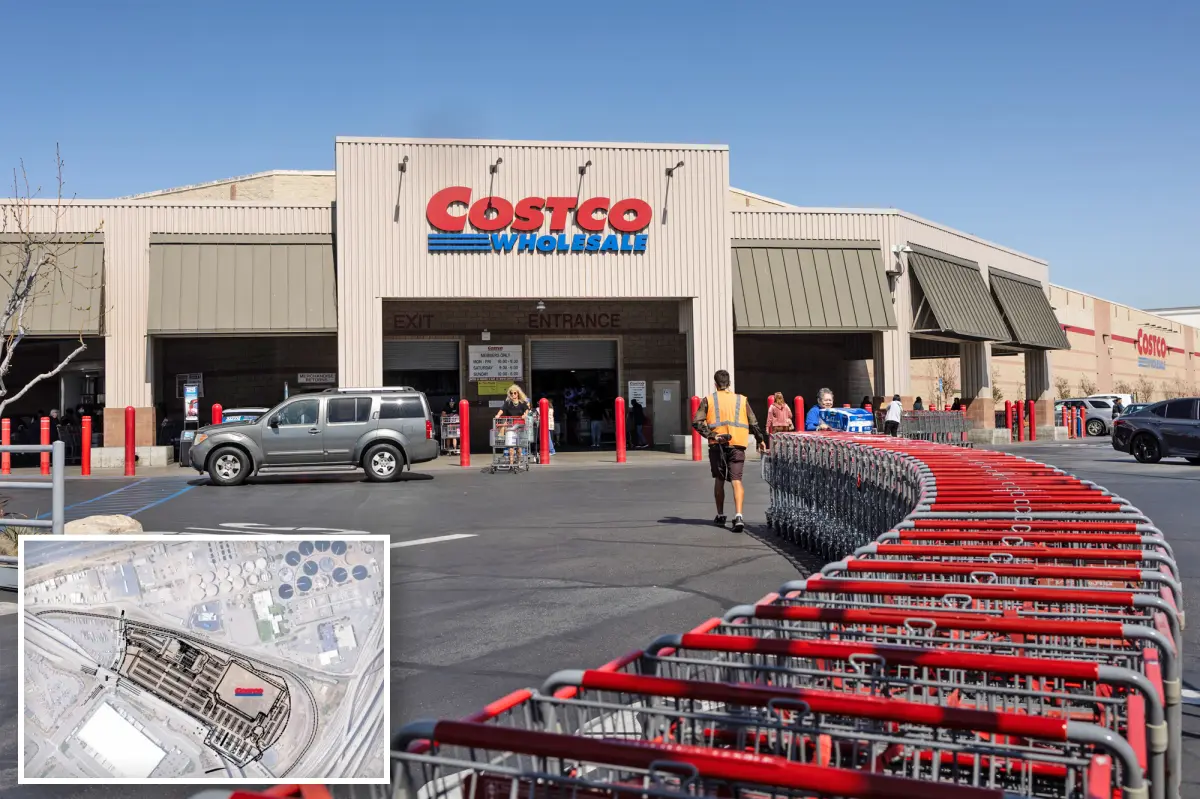
At the center of the proposal is a specific site that carries its own complicated history: the intersection of West Grand Avenue and Wake Avenue, on land that once belonged to a U.S. Army base. The property has been a quiet, underused stretch for years, a reminder of Oakland’s industrial and military past, but also a blank canvas for what could come next. The newly filed plans paint a vivid picture of what Costco imagines for the space. The warehouse itself would be enormous, sprawling across 166,800 square feet, which puts it in line with some of the largest Costco locations in the region. Alongside the main store, the project includes a gas station, something that always draws loyal members who want to pair their grocery run with cheaper fuel, and a vast parking lot with 947 spaces designed to accommodate the weekend rush that any successful Costco inevitably attracts. The plans also call for the warehouse to operate every day of the week, which is significant for working families who often have to plan their shopping trips around shift schedules and busy weekends. There is no official date yet for construction or opening, and the project is still in the planning and approval stages, but the details in the documents suggest that this is no longer just talk. It is a real, thought-out proposal with a clear vision: turn an old piece of Oakland into a modern commercial hub, one that invites shoppers from all over the city and beyond to spend their money at home instead of watching it drift to neighboring communities.
The economic impact of the proposed Costco is perhaps the most compelling reason why so many people are paying attention. According to city documents, the warehouse is expected to generate approximately $3 million in annual General Fund revenue, money that could go directly toward public services that Oakland has struggled to fund adequately, from street maintenance to emergency response and community programs. That kind of recurring, reliable revenue stream is rare in the modern retail landscape, and city officials are understandably eager to lock it in. But the numbers that resonate most with everyday residents are the jobs. The project is expected to create roughly 400 positions, and the city’s filings note that the average pay would be about $32 per hour, a figure that stands out in a region where the cost of living is brutal and many service jobs pay barely enough to cover rent. Along with competitive wages, the jobs are expected to come with benefits and opportunities for advancement, making them the kind of “quality jobs” that politicians love to mention in speeches but that are often hard to point to in real life. For Oakland, a city with persistent unemployment concerns and a workforce that reflects enormous diversity, 400 stable, well-paying jobs could have a ripple effect far beyond the store itself. Those workers will buy lunches, pay taxes, support local businesses, and put money into the neighborhood economy, creating a virtuous cycle that many have been waiting years to see. It is the kind of development that does not just transform a corner; it transforms a community’s sense of possibility.
There is also an emotional angle to this story that should not be underestimated. Oakland is home to roughly 90,000 Costco members, according to city estimates, yet those members currently have to leave the city to use their memberships. They drive to nearby cities, load up their cars with groceries, household goods, electronics, and all those oversized packages that make Costco beloved, and then drive home, spending their money elsewhere. The staggering figure often cited is $270 million annually that flows out of Oakland and into other jurisdictions because there is no local Costco. That number represents not only lost tax revenue but also a kind of civic absence. For years, Oakland residents have joked about having to “travel to Costco” as if it were a pilgrimage, scheduling monthly trips and mapping out the best routes to avoid traffic. A Costco in Oakland would end that inconvenience and, more importantly, keep that money circulating within the city’s own economy. The prospect has already generated genuine excitement among Bay Area residents, who see the store as a major bright spot in a city that has faced more than its share of bad news. There is something wonderfully mundane but deeply human about having a place to buy a giant jar of pickles or a rotary tub of pretzels without crossing a county line. It is a quality-of-life issue, and for the thousands of families in Oakland who already hold those coveted membership cards, the idea of being able to use them at home feels like a small victory.
Behind the scenes, the political groundwork has already been carefully laid. In July, the Oakland City Council voted to approve a two-year exclusive negotiating agreement with Costco, giving the company the right to work toward a development deal on approximately 23 acres of city-owned land. Under the terms of that agreement, Costco paid Oakland $300,000 for the negotiating period, with a provision for two additional six-month extensions, each costing $25,000. This kind of arrangement is standard in large-scale commercial development, but it is also a serious gesture of commitment from the company, a sign that Costco is not just kicking the tires but genuinely interested in making this happen. Mayor Barbara Lee has been one of the project’s most visible proponents, and her words reflect the broader hope that this project represents. “This Exclusive Negotiation Agreement gives Oakland the opportunity to explore a transformative economic development project that could create hundreds of quality jobs, generate millions in revenue for city services, and bring new investment to the former Army base,” Lee said in June. Her statement captures the exact mix of excitement and cautious optimism that seems to surround the project. The site is publicly owned, which means the deal has to pass through layers of review, public comment, and environmental assessment, but the fact that it has gotten this far is itself a significant milestone. The city is clearly eager to see it through, and Costco appears to be moving with purpose.
As the project continues along the winding path of approvals and planning, the mood in Oakland remains bright but watchful. No one is popping champagne just yet, because anyone who has lived in the Bay Area long enough knows that big projects can stall, that community opposition can arise, that traffic studies and environmental reviews can drag on for years. But there is also a feeling, hard to put into words, that this one might actually happen. The details are too specific, the investment too substantial, and the political will too strong for the proposal to simply fade away. The idea of a Costco in Oakland has taken hold in the public imagination, and it is bringing with it a broader conversation about what the city can be. This is a place that has always fought for its identity, that has weathered booms and busts, that has built movements and made art and raised families in the shadow of immense challenge. A big-box store is not a cure-all, and no reasonable person would pretend otherwise. But the return of 400 good jobs, the addition of millions of dollars to the city budget, the convenience of a local shopping destination for 90,000 members, and the symbolic power of a major corporation choosing to invest in Oakland all point to something real. It is a comeback story in the making, one that starts with a little plastic membership card and a very large shopping cart. And for a city that has waited so long for good news, the prospect of loading up the car in your own neighborhood feels a lot like hope.