


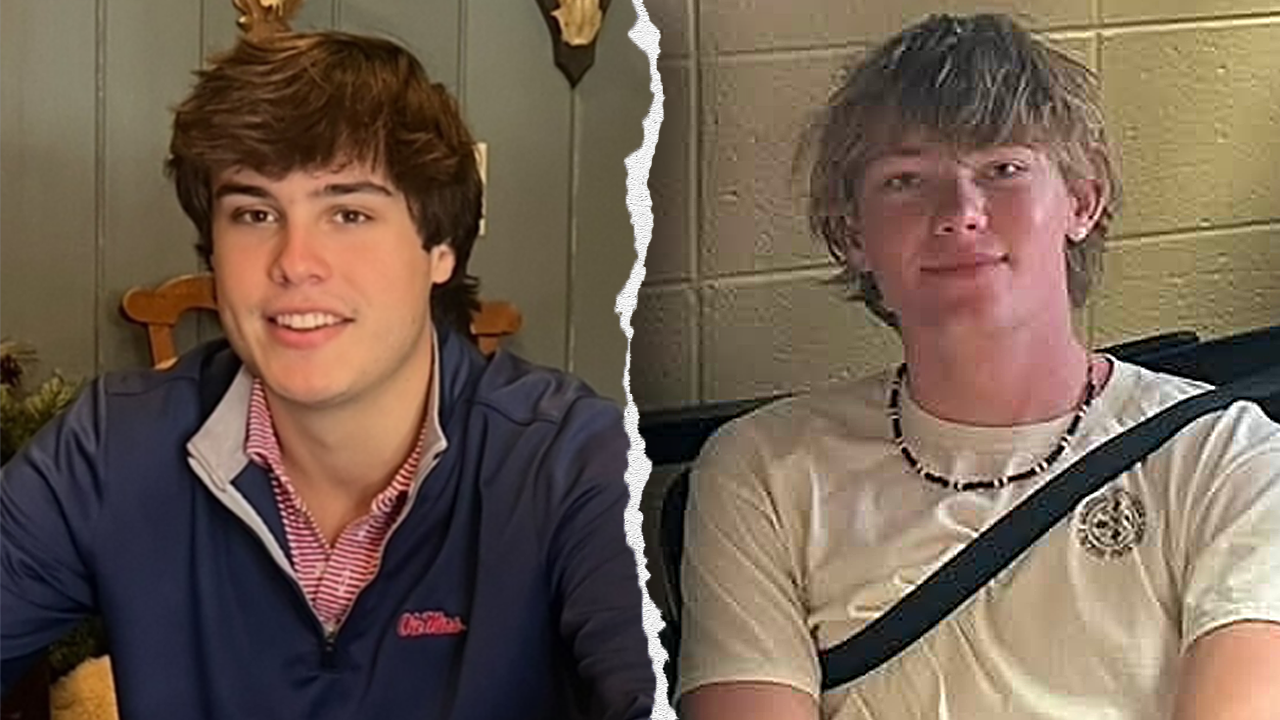
Two University of Mississippi students went to class, made plans, and had their whole lives stretched out in front of them. Then, on September 21, their lives ended abruptly in Oxford, Mississippi. The full toxicology reports have not been released publicly yet, but newly filed federal court documents have already revealed a heartbreaking and alarming piece of the puzzle: 18-year-old Aidan Hamilton and 20-year-old Robert Strang both had the same three substances in their bloodstreams, including Mitrogynine and two Schedule 1 controlled substances, MGM-15 and MGPI. Those substances have been linked to a specific product, Smax Mango Breeze pills, that investigators say the two students had in their possession when they died. The finding does more than explain what was in their bodies; it opens a wider investigation into how these drugs were sold, who put them on the market, and why nobody stopped the danger before two young men were gone. Federal court documents are often dry, legal documents, but this one reads like a warning. It describes a college town, a local shop, a father and son, and a product that looked like something you could buy off a shelf, yet carried the potential to end lives. The families of Aidan and Robert are now waiting for more answers, and the rest of us are left to wonder how something so deadly ended up in the hands of students.
What makes this case particularly unsettling is how ordinary the entire scene looked. The substances weren’t found in a back alley or a clandestine lab; they were connected to colorful, commercial packaging, specifically Smax Mango Breeze MGM-15, with a price tag reading $39.99. Investigators found these packages at both locations where the students died, and each package had a black smudge on the first 9. That small mark became a kind of signature, linking the product to a business. Both sites also had kratom-related packaging, which prompted the Lafayette County Metro Narcotics to issue a statement acknowledging that discovery. But kratom is a complicated and controversial topic; industry groups have already warned that synthetic opioids should not be called kratom. This distinction matters because the products implicated in these deaths were not simply natural plant material; they were lab-tested pills containing substances classified as Schedule 1 controlled substances. The label “Schedule 1” means the federal government considers them to have a high potential for abuse and no currently accepted medical use. In a college town, a shop selling vapes, tobacco, beer and maybe something more is not unusual. The frightening part is that this one may have been selling a deadly version of something that looked ordinary. The packaging was slick, the price was standard, and the product sat in a storefront near campus. Nothing about it screamed danger, and that is exactly why it was so dangerous.
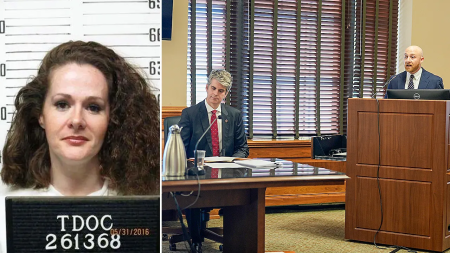
The investigation moved quickly, and it soon reached a local business called Puffs Vape, Tobacco and Beer Store, an Oxford shop not far from the Ole Miss campus. Law enforcement arrested 51-year-old Yahya Mohamed Mosleh and his 18-year-old son, Islam Mohamed Mosleh, in connection with the narcotics investigation. The two are now facing federal drug charges. Court documents lay out the trail: Strang’s and Hamilton’s bank records show that both of them made purchases at Puffs on the same date. The store was apparently a place they visited, maybe casually, maybe without knowing exactly what they were getting. The father and son were not strangers to law enforcement either; the investigation involved tracing those purchases and eventually making a controlled buy from Yahya Mosleh. That undercover operation allegedly involved a product hidden in a locked container, a product that had been banned by local ordinance for more than four years. It was a small transaction with a large consequence. The documents suggest the sale was made after the students’ deaths, which raises an unsettling question: why was the product still available? If someone was aware that it was dangerous enough to be banned, why was it still behind the counter? These are the questions that will likely come up over and over again as the case moves through the federal court system, and they are the same questions that haunt the friends and classmates who lost two people they cared about.
The search warrant that followed the controlled purchase turned up evidence that was almost too neat to be coincidence. Agents found the exact same Smax Mango Breeze MGM-15 product, with the exact same packaging, exact same ingredients and exact same price tag, the same $39.99 with a smudge on the 9. When the substances were sent to a lab, they tested positive for Schedule 1 controlled substances, specifically MGM-15 and MGPI. In the federal government’s view, this was enough to establish probable cause that these drugs caused two overdose deaths in Oxford. Court documents explicitly state: “There is also probable cause to believe these drugs caused two overdose deaths in Oxford, Mississippi. The Government proved that there was probable cause that the laboratory-tested drugs taken by the two overdose victims were the same type of drugs that were seized from the Moslehs during a court-authorized search warrant.” That is a heavy phrase. It means that the product wrapped in a supermarket-style price tag is now part of a death investigation, and the people accused of selling it are being held accountable for something much more serious than a regulatory violation. It also means that the two students likely did not understand what they were taking. They likely thought they were buying something legal, or at least something that had been sold openly enough that it could not be too dangerous. The evidence now suggests otherwise, and the lawsuit is not just about a bad batch of pills; it is about a chain of decisions that ended in two graves.
Some of the most chilling details in the court filings involve what Yahya Mosleh allegedly did and said after Aidan and Robert died. According to the documents, he sold the same product to a confidential informant after the students’ deaths, and he even warned the informant that people were dying from similar products and advised caution. He also tried to hide the sale, pausing when other people walked into the store and only finishing the transaction after they left. That warning might sound like a strange, almost contradictory gesture: he knew the product was lethal, he said it out loud, and he still sold it. That kind of knowledge makes the case feel different from an unthinking mistake. It suggests that the danger was not hidden from the seller, even if it was hidden from the buyers. The federal judge who reviewed the case decided to hold Yahya Mosleh in custody pending trial, finding him to be a flight risk with ties to another country. Islam Mosleh, his 18-year-old son, was released on a $20,000 unsecured bond, with conditions including a curfew and location monitoring. The story also includes an absentee owner: the owner of Puffs was indicted years ago by a state grand jury in Lafayette County for distribution of a controlled substance, but he allegedly fled, and investigators believe he is now running the store remotely from Egypt. The layers of this case make it hard to follow, and even harder to accept. It is a reminder that the drug trade often hides in legitimate-looking businesses, and that even a father and son running a corner store can become part of something far darker.
Behind every legal filing and every argument about probable cause is the loss of two human beings. Aidan Hamilton was 18, just beginning adulthood; Robert Strang was 20, still in the middle of college. They were not nameless victims in a statistical report. They were students at the University of Mississippi, members of a community that is now grieving, classmates who would have had birthdays, graduations and futures. Their families are waiting for the full toxicology report to be released, hoping for answers that no court ruling can fully provide. The investigation is ongoing, and the legal case will continue, but the real tragedy is not the drugs, the packaging or the price tag. It is that two young people went to a store and left with something that killed them. The community around Ole Miss has been shaken by the thought that a product sold in an ordinary shop could be so dangerous. The case has become a conversation starter about the dangers of synthetic substances, the responsibility of shop owners, and the quiet way that addiction and overdose can creep into a college town. If this case teaches anything, it is the importance of looking closely at what is being consumed and of holding sellers accountable when they ignore warnings. In the end, all that is left of the story is grief, unanswered questions and a quiet hope that no other family has to endure the same loss.