

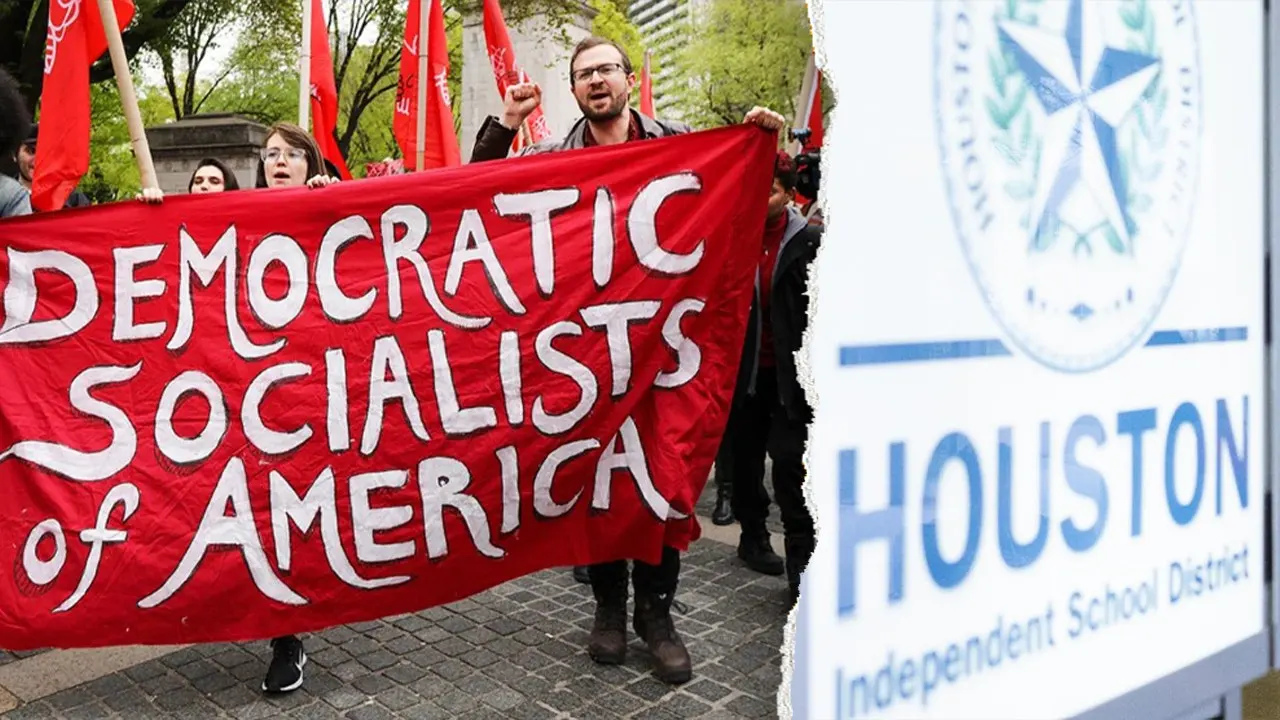
Paragraph 1: The Battle for Houston’s Classrooms
In the heart of Texas, a quiet but intense battle is brewing over the future of public education—a battle that goes far beyond lesson plans and test scores. At the center of this storm is a conservative Texas think tank, the Texas Public Policy Foundation (TPPF), which has just lit a match with a scathing new report. The target? A Houston-based group called Community Voices for Public Education, or CVPE. On the surface, CVPE looks like your everyday, grassroots parent-teacher organization—the kind of group that organizes bake sales and volunteers for book fairs. But TPPF sees something far more sinister lurking beneath that wholesome exterior. They’re accusing CVPE of being a front for teachers’ unions and far-left political operatives, using what they describe as “socialist-aligned tactics” to push radical policies that would fundamentally reshape public schools. It’s a dramatic charge, and it has set off alarm bells for anyone who cares about how we educate our children. But here’s the thing: this isn’t just another political food fight. It’s a deeply human story about who gets to decide what happens in our classrooms, how we measure success, and whether the voice of ordinary parents is being heard or manipulated. To understand why this report matters, we need to step back and look at the bigger picture—the heated, complicated, and often messy reality of public education in America today.
Paragraph 2: The Takeover That Shook Houston
To really grasp what all the fuss is about, you need to understand the context. A few years ago, Houston Independent School District—the largest school district in Texas and the eighth-largest in the nation—was in serious trouble. Test scores were stagnant, several campuses were failing year after year, and the state had had enough. So in 2023, the Texas Education Agency stepped in and took over the entire district, a massive, unprecedented move that sent shockwaves through the community. Supporters of the takeover called it a necessary intervention to save kids from failing schools. Critics called it a power grab, a politically motivated ousting of a locally elected school board. And for a while, the shouting was so loud that it was hard to hear anything else. But then something interesting happened: the numbers started to improve. According to state data, reading and math scores on the STAAR tests—that’s the State of Texas Assessments of Academic Readiness—climbed steadily for kids in grades three through eight. The number of schools earning an A or B rating jumped from 93 to 197. F-rated campuses plummeted from 56 down to just five. The whole district moved up from a C to a B rating. By any reasonable measure, the intervention seemed to be working. Mike Miles, the superintendent appointed to run the district, pointed to these numbers as proof that the state knew what it was doing. But not everyone was convinced. And that’s where CVPE comes in. Instead of celebrating the progress, this group of self-described parents and community members became some of the loudest critics, demanding an end to the takeover and pushing back against the very policies that were producing these results. To TPPF, that’s not just suspicious—it’s a direct threat to the progress being made.
Paragraph 3: The Dark Allegations and the DSA Connection
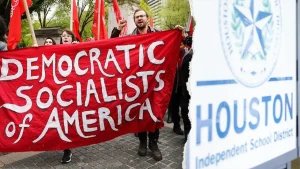
So, what exactly is CVPE advocating for that has TPPF so worried? Let’s break it down. First, the group is dead-set against the state takeover, calling it an assault on democracy. But it’s their other positions that really raise eyebrows. CVPE wants to do away with mandatory STAAR testing, claiming the tests are racist and perpetuate inequality. They’re urging parents to boycott the exams entirely. They’re also calling for schools to stop relying on police officers and campus security, arguing for what they call “restorative justice” instead of arrests. And they’re encouraging students to walk out of class and participate in political protests. To TPPF, this isn’t just a difference of opinion—it’s a blueprint for chaos, borrowed directly from groups like the Democratic Socialists of America. Kate Bierly, the campaign director for TPPF’s Next Generation Texas Campaign, puts it bluntly: these are “questionable at best, but very harmful” policies. She sees a direct line between CVPE’s tactics and the playbook of far-left movements that have been gaining traction across the country. It’s a stark, uncomfortable accusation, and it raises an important question: are we witnessing a genuine grassroots movement, or is something more calculated going on?
Paragraph 3: Unmasking the Tactics
Let’s dig into exactly what TPPF is accusing CVPE of, because it’s a lot more specific than just “we disagree on school policy.” The report lays out a pattern of behavior that mirrors the tactics of the Democratic Socialists of America, or DSA—the same group that has been making headlines for endorsing progressive candidates and pushing for bold, left-wing policies. What does that mean in practice? Well, for starters, CVPE is firmly against the state takeover. But they go much further than that. They want to do away with mandatory STAAR testing entirely, telling parents to boycott the exams. Why? Because, they claim, the tests are tools of racism and inequality. Then there’s the issue of school policing. CVPE has called for the district to “divest” from campus police officers, essentially defunding school security except in the most extreme cases—like, say, a murder. They’ve even organized walkouts and political protests, encouraging students to walk out of class to make a statement. To the folks at TPPF, this is a textbook example of radical left-wing activism, straight out of the playbook of groups like the Democratic Socialists of America. It’s not about making schools safer or more equitable, they argue. It’s about dismantling the very structures that hold schools accountable and replacing them with a political agenda.
Paragraph 3: The Accusations Fly
Kate Bierly, the campaign director for TPPF’s Next Generation Texas Campaign, didn’t mince words when she talked about CVPE. “There are several policies that they’re advocating for which are questionable at best, but very harmful,” she said. Bierly pointed out that CVPE has been one of the loudest voices opposing the state takeover, even as the data showed tangible improvements. Instead of celebrating those gains, she says, CVPE started pushing what she calls “destructive replacement policies.” Among the most controversial: urging parents to boycott the STAAR tests altogether. CVPE claims these standardized tests are tools of systemic racism and inequality. But TPPF argues that boycotting the STAAR is a terrible idea, especially for low-income kids, because those very tests are often the gateway to advanced academic programs. “Scrapping this testing removes a key pathway for low-income kids to access advanced academic tracks,” said Kate Bierly, TPPF’s campaign director. And it’s not just about testing. CVPE also wants to end school-based policing, stop student arrests except in the most extreme cases, and encourage students to walk out of class and join political protests. TPPF says these aren’t just policy disagreements—they’re part of a coordinated, radical agenda straight out of the Democratic Socialists of America playbook, a group known for its aggressive, anti-establishment tactics.
Paragraph 3: A Clash of Visions
Now, let’s take a closer look at what TPPF is so worried about. According to Kate Bierly, the campaign director behind the report, CVPE is not the friendly neighborhood parent group it claims to be. Instead, she argues, it’s a well-oiled machine that deliberately channels the playbook of far-left organizations like the Democratic Socialists of America. The DSA, as it’s commonly known, has grown in influence over the past decade, endorsing candidates who support everything from Medicare for All to defunding the police. And according to Bierly, CVPE is borrowing a page from that same playbook. For example, the group is staunchly opposed to the STAAR test—the very test that helped expose the academic struggles in Houston’s schools. CVPE doesn’t just criticize the test; they actively urge parents to boycott it, claiming the exam “supports racism and inequality.” That’s a powerful and emotionally charged argument. But TPPF counters that scrapping the STAAR would be a disaster, especially for low-income and minority students who rely on those test scores to get into advanced academic programs. Without a standardized measure, they argue, how would we ever know which kids are falling behind? How would we ensure that bright, underprivileged students get the same opportunities as their wealthier peers? For TPPF, this isn’t just about test scores—it’s about equity and opportunity, and they believe CVPE is putting ideology ahead of kids.
Paragraph 3: The Accusations—Socialism, Boycotts, and Walkouts
But the report goes even further. TPPF’s campaign director, Kate Bierly, didn’t mince words when she laid out the allegations. CVPE, she said, is using tactics ripped straight from the playbook of the Democratic Socialists of America—a group that has been gaining mainstream visibility, for better or worse, with its endorsements of progressive candidates and its bold policy proposals. According to Bierly, CVPE is not just advocating for better schools; they’re actively organizing against the very systems that helped improve them. Take standardized testing, for example. CVPE wants parents to boycott the STAAR exams entirely, claiming the tests are tools of racism and inequality. Bierly argues that this is deeply misguided, because these tests provide a vital pathway for low-income kids to access advanced academic tracks. “Scrapping this testing removes a key pathway for low-income kids to access advanced academic courses,” she said. And then there’s the push to defund campus police—to end student arrests except in the most extreme cases, like murder—and instead pour that money into mental health services and “restorative justice” programs. CVPE even encourages walkouts and protests, teaching parents how to organize demonstrations outside schools. On the surface, that sounds like civic engagement. But TPPF sees a darker agenda: dismantling accountability, undermining academic standards, and turning schools into political battlegrounds. They compare CVPE’s tactics to those of the Democratic Socialists of America, a group that has grown increasingly influential in local politics. It’s a heavy accusation, and it has parents on both sides of the aisle feeling anxious about what’s really happening in their children’s schools.
Paragraph 3: The Tactics That Raised Red Flags
So what exactly is CVPE advocating for that has TPPF so worried? Let’s break it down. First, the group has been a vocal opponent of the state takeover from day one, arguing that it strips away local control and disenfranchises voters. That’s a fair point, and plenty of people—including many who aren’t radical by any stretch—share that concern. But TPPF’s report digs deeper, pointing to a laundry list of policy positions that go way beyond a simple disagreement about governance. For starters, CVPE wants to do away with mandatory STAAR testing. They’ve even gone so far as to encourage parents to boycott the exams altogether, claiming the tests are tools of racism and inequality. TPPF’s Kate Bierly sees this as a direct attack on academic accountability. She argues that standardized tests, imperfect as they may be, provide a crucial pathway for low-income kids to access advanced classes and opportunities. Then there’s the issue of school policing. CVPE is pushing to “divest” from campus police officers, wanting to end student arrests except in the most extreme cases—like murder. They also support student walkouts and political protests, and they actively coach parents on how to organize these demonstrations. To TPPF, this isn’t just parent activism; it’s a coordinated strategy ripped straight from the playbook of far-left groups like the Democratic Socialists of America, designed to dismantle the very systems that help kids succeed.
Paragraph 3: The Accusations and the Policies Under Fire
Let’s dig a little deeper into TPPF’s accusations, because they don’t pull any punches. Kate Bierly, the campaign director for TPPF’s Next Generation Texas Campaign, didn’t mince words. She pointed to several CVPE policy positions that she says are “questionable at best, but very harmful.” First and foremost is CVPE’s opposition to the state takeover itself. That’s not surprising—being taken over by the state is a bitter pill for any community to swallow, especially when it means losing local control. But CVPE hasn’t stopped at simply voicing opposition. They’ve launched a full-blown campaign against mandatory STAAR testing, urging parents to boycott the exams entirely. Their argument? That these tests are not neutral measures of learning, but rather tools that “support racism and inequality.” That’s a powerful and provocative claim, one that resonates with many parents who feel their kids are being reduced to a single, high-stakes number. But TPPF sees it as a dangerous game. They argue that scrapping standardized testing would hurt the very kids it’s supposed to help—especially low-income and minority students who rely on these tests to open doors to advanced academic programs. It’s a classic clash of philosophies, and it’s playing out in real time, with real consequences for real kids.
Paragraph 3: The Accusations—DSA Tactics in Suburbia?
TPPF’s report doesn’t just critique CVPE’s policy positions; it goes a step further by drawing direct lines between the Houston group and the Democratic Socialists of America. That’s a heavy charge, especially in a state like Texas, where the word “socialism” carries a lot of political baggage. The think tank’s campaign director, Kate Bierly, didn’t mince words. She argued that CVPE’s tactics—organizing walkouts, staging protests, boycotting standardized tests—are right out of the DSA playbook. She’s not alone in noticing the pattern. The DSA has been making waves lately, electing candidates across the country and pushing for everything from Medicare for All to defunding the police. And now, TPPF claims, those same far-left strategies are being aimed squarely at our public schools. What exactly does that look like? Well, CVPE has been vocal in opposing the state takeover of HISD. They’ve fought against mandatory STAAR testing, urging parents to boycott the exams altogether. They’ve called for ending student arrests except in the most extreme cases, like murder. And they’ve encouraged students to stage walkouts and political protests as a form of advocacy. To TPPF, these aren’t just policy differences—they’re evidence of a coordinated, socialist-inspired campaign to dismantle accountability and replace it with progressive ideology.
Paragraph 3: The Think Tank’s Case
Kate Bierly, the campaign director for TPPF’s Next Generation Texas Campaign, doesn’t mince words when she talks about CVPE. She points to their opposition to standardized testing as a prime example of their harmful agenda. The group has called on parents to boycott the STAAR exams, claiming that the tests “support racism and inequality.” Bierly argues that this is completely backwards. For her, these tests are a lifeline for low-income and minority students—a key pathway to advanced academic tracks and opportunity. Scrapping the tests, she warns, would close the door on kids who need that pathway the most. And then there’s the issue of school policing. CVPE has been vocal about wanting to end student arrests except in the most extreme cases, like murder. They want to kick police officers out of schools and replace them with more counselors and mental health resources. They also encourage parents to organize walkouts and political protests, teaching kids that direct action is a way to make their voices heard. To TPPF, these are not just bad ideas; they’re a blueprint for chaos. The think tank’s report draws a direct line between CVPE’s tactics and those of the Democratic Socialists of America—a controversial far-left organization that has been gaining influence across the country. By framing CVPE in this light, TPPF is sending a clear message: this is not a group of concerned parents; this is a political machine using children as pawns.
Paragraph 3: Unpacking the Accusations—Testing, Policing, and Protest
So what exactly is CVPE advocating for that’s got the think tank so worked up? It’s a laundry list of progressive education reforms, each one more contentious than the last. First and foremost, CVPE has been a vocal opponent of the STAAR test, the standardized exam that Texas students take every year. But they haven’t just criticized it—they’ve actively urged parents to boycott it. Their reasoning? They claim the test is racist, that it reinforces inequality, and that it punishes schools and students in low-income communities. TPPF sees this as pure folly. “Scrapping this testing removes a key pathway for low-income kids to access advanced academic tracks,” argues Kate Bierly, a campaign director at the think tank. In other words, without objective testing, she says, many kids who deserve a shot at accelerated programs might never get one. CVPE has also called for an end to police presence on campus, proposing that student arrests should only happen in the most extreme cases—like murder—and instead pushing for restorative justice and more mental health resources. They even encourage parents to support student walkouts and political protests. To TPPF, this all smells like a far-left playbook, the kind of thing you’d see from the Democratic Socialists of America. They see a coordinated effort to dismantle accountability measures, sow distrust in standardized testing, and replace discipline with ideology.
Paragraph 3: The Report’s Sharpest Accusations
Let’s dig deeper into what TPPF actually says, because it’s pretty pointed. The report doesn’t just disagree with CVPE’s policies; it claims that CVPE is actively working to undermine the progress that Houston schools have made since the state stepped in. Kate Bierly, who leads TPPF’s Next Generation Texas campaign, is convinced that CVPE is not just a bunch of concerned moms and dads. She believes they’re following a playbook straight out of the Democratic Socialists of America, or DSA—a political organization that has gained serious traction in recent years, with several of its endorsed candidates winning elections across the country. Now, you might be thinking, “What’s wrong with a bunch of parents having an opinion?” And that’s exactly the point Bierly is trying to make. She argues that CVPE wraps itself in the language of “parent voice” while actually pushing an agenda that aligns with far-left ideology. Take their opposition to the state takeover, for example. That sounds reasonable, right? Who likes a state government barging in and taking over a local school district? But Bierly says CVPE’s opposition isn’t just about local control. It’s about protecting a broken system that benefits adults more than kids. And the group’s policy wish list—ending mandatory STAAR testing, pushing parents to boycott the exams, defunding campus police, and organizing student walkouts—sounds less like moderate reform and more like a radical overhaul that would dismantle accountability and keep the status quo in place.
Paragraph 3: The Tactics That Raise Red Flags
What really set TPPF’s alarm bells ringing, though, aren’t just the policies themselves—it’s the way CVPE goes about pushing them. The report draws direct parallels between CVPE’s playbook and the tactics of the Democratic Socialists of America, or DSA, a far-left political organization that has grown increasingly influential in recent years. The DSA, of course, has been in the spotlight for endorsing a wave of progressive candidates and promoting ideas like the Green New Deal and Medicare for All. But in this context, the connection is about strategy more than ideology. TPPF claims that CVPE is using the same playbook as the DSA: mobilize parents, disrupt the system, and push for radical change through protest and non-compliance. Specifically, the think tank points to CVPE’s advocacy for boycotting the STAAR test—a mandatory standardized exam that measures student progress. CVPE has told parents that the test “supports racism and inequality” and has actively encouraged them to keep their kids at home on test days. To TPPF, this is an attack on accountability, a way to gut the very metrics that exposed the district’s problems in the first place. Without those tests, they argue, there’s no way to know which schools are failing and which are succeeding. And it’s not just about tests. CVPE also wants to kick police officers off campus, stop student arrests except in the most extreme cases, and let kids walk out of class for political protests. TPPF sees this as a blueprint for chaos, straight out of the playbook of the Democratic Socialists of America, a far-left group that has been gaining influence across the country.
Paragraph 3: The Tools of the Left?
Now, let’s dig into the specific accusations that TPPF is leveling against CVPE. The think tank’s report doesn’t just stop at saying CVPE disagrees with the state takeover—it goes much further. It paints a picture of a group that is methodically trying to dismantle the very structures that ensure accountability in public schools. Take standardized testing, for example. CVPE has been a vocal opponent of the STAAR exams, which are the state’s standardized tests. They argue these tests are biased, stressful, and reduce learning to a narrow set of rote skills. But instead of just calling for better tests, CVPE is urging parents to boycott them entirely. TPPF says this is a disastrous idea. They point out that STAAR scores are often the only objective way to identify which kids are falling behind, and they argue that scrapping the tests would hurt the very students who need the most help—especially low-income kids who might otherwise be tracked into advanced classes. Then there’s the issue of school policing. CVPE has called for divesting from campus police, wanting to end student arrests except for the most severe cases. They also encourage parents to support student walkouts and political protests. TPPF sees this as a radical, socialist-inspired agenda straight out of the playbook of the Democratic Socialists of America, a group that has become increasingly visible in American politics. For TPPF, this is about protecting the gains that Houston’s students have made and pushing back against what they see as a coordinated effort to undermine school reform.
Paragraph 3: The “Socialist” Tag and What It Really Means
The accusation that CVPE is using socialist-aligned tactics isn’t just name-calling; it’s rooted in the group’s policy positions and the company it keeps. TPPF’s report points to the fact that CVPE’s advocacy aligns with the Democratic Socialists of America (DSA), an organization that has grown more prominent in recent years, even electing some of its endorsed candidates to public office. Kate Bierly, the campaign director for TPPF’s Next Generation Texas Campaign, didn’t mince words. She told Fox News Digital that CVPE is pushing policies that are “questionable at best, but very harmful.” Specifically, TPPF calls out CVPE for encouraging parents to boycott STAAR tests, claiming the exams “support racism and inequality.” That’s a powerful accusation, and it strikes at the heart of the debate. Standardized testing has long been a flashpoint in education policy—supporters argue it’s the only objective way to know if kids are actually learning, especially for low-income and minority students who have historically been left behind. Opponents, on the other hand, see it as a blunt instrument that narrows the curriculum, stresses out kids, and punishes schools in high-poverty areas. TPPF, however, argues that boycotting these tests is deeply harmful. “Scrapping this testing removes a key pathway for low-income kids to access advanced academic tracks,” said Kate Bierly, campaign director for TPPF’s Next Generation Texas Campaign. In other words, the test isn’t just a bureaucratic hurdle—it’s a ladder to opportunity, and throwing it away would hurt the very kids who need the most help.
Paragraph 3: The DSA Connection and Radical Tactics
What really raised eyebrows in TPPF’s report, though, wasn’t just CVPE’s stance on testing. It was the group’s alleged tactics. TPPF researchers claim that CVPE uses strategies ripped straight from the playbook of the Democratic Socialists of America—the DSA—a political organization that has grown increasingly influential in recent years, especially after backing several high-profile progressive candidates. Now, to be fair, being associated with certain ideas isn’t inherently a crime, and political coalitions are nothing new. But TPPF points to some specific, concrete actions that worry them. For instance, CVPE has reportedly been coaching parents on how to organize student walkouts and demonstrations outside of schools. They’ve called for divesting from campus policing altogether, arguing that having police officers in schools leads to the criminalization of minor misbehavior. They want to end all student arrests except for the most severe cases, like murder. And they’re urging parents to boycott the STAAR test entirely, claiming that this standardized test supports racism and inequality. To TPPF, these aren’t just progressive policy preferences—they’re part of a coordinated strategy reminiscent of the Democratic Socialists of America, a group known for its radical, confrontational tactics. The think tank’s report suggests that CVPE isn’t just advocating for change; it’s actively training parents to organize student walkouts and protests, turning classrooms into political battlegrounds.
Paragraph 3: The Case Against CVPE—Testing, Policing, and “Socialist” Tactics
Let’s unpack what TPPF is actually accusing CVPE of, because it gets to the heart of the matter. First and foremost, CVPE is fiercely opposed to the state’s takeover of HISD. They see it as an undemocratic power grab that silences the voices of local parents, teachers, and community members. But TPPF argues that CVPE’s opposition is less about grassroots concern and more about protecting the status quo—specifically, the interests of teachers’ unions and left-wing advocacy groups that benefit from the current system. And they point to CVPE’s policy platform as evidence. For starters, CVPE wants to scrap mandatory STAAR testing altogether. They argue these standardized tests are biased, stressful, and don’t actually measure what kids have learned. Instead, they’ve urged parents to boycott the exams, calling them a tool of systemic racism and inequality. That last claim really raises eyebrows among conservative critics like Kate Bierly, the TPPF campaign director. Bierly argues that standardized testing, for all its flaws, is one of the few objective measures that can help low-income kids get noticed for advanced academic programs. “Scrapping this testing removes a key pathway for low-income kids to access advanced academic tracks,” she says. It’s a powerful point: in a world where grades can be subjective and teacher recommendations sometimes carry unconscious bias, a standardized test can be a lifeline for a kid who doesn’t have connections or fancy tutors.
Paragraph 3: Accusations of a Political Agenda
But TPPF’s concerns go far beyond test scores. The report paints CVPE as a wolf in sheep’s clothing—a group that presents itself as a homegrown coalition of concerned parents and teachers but is, in reality, a political machine pushing a far-left agenda. The accusations are specific and biting. CVPE, they claim, is intimately tied to teachers’ unions and organizations that want to dismantle the very structure of public schooling. TPPF points to the group’s policy platform as evidence: CVPE has called for an end to mandatory STAAR testing, urging parents to boycott the exams entirely. Why? Because, they argue, the tests allegedly support racism and inequality. That’s a bold claim, and TPPF isn’t having it. They say ditching these tests would hurt the very kids these policies claim to help. Standardized tests, they argue, are a key pathway for low-income and minority students to access advanced academic programs. Without them, it’s harder to identify gifted kids or hold schools accountable for leaving children behind. But CVPE isn’t stopping at testing. They’re also pushing to defund campus police, calling for an end to student arrests except in the most extreme cases, and encouraging students to participate in walkouts and protests. To TPPF, this isn’t just bad policy—it’s a coordinated strategy straight out of the playbook of the Democratic Socialists of America, a group that has been making waves in left-wing politics. And that comparison is what makes this report so explosive.
Paragraph 3: DSA Tactics or Grassroots Advocacy?
The heart of TPPF’s accusation is that CVPE is using the same playbook as the Democratic Socialists of America, a far-left organization that has been pushing for transformative changes to American institutions. Kate Bierly, the campaign director for TPPF’s Next Generation Texas Campaign, doesn’t mince words. She points to CVPE’s advocacy as being “questionable at best, but very harmful,” and draws a direct line between the local coalition and the DSA’s broader political strategy. What does that look like in practice? Well, according to TPPF, CVPE is urging parents to boycott the STAAR tests—the standardized exams that Texas uses to measure student performance. Why? Because, as Bierly explains, the group claims these tests “support racism and inequality.” CVPE also wants to get police officers out of schools entirely, pushing instead for “restorative justice” programs and more mental health counselors. They encourage student walkouts and political protests, and they even advise parents on how to organize demonstrations outside school buildings. To TPPF, this isn’t just policy disagreement; it’s a calculated, coordinated strategy straight out of the playbook used by groups like the Democratic Socialists of America. They see CVPE as a well-oiled political machine, hiding behind feel-good language about community and justice while actually working to tear down the very systems that help kids succeed. And they’re particularly alarmed by the group’s push to boycott the STAAR tests, which they argue are essential for holding schools accountable and helping low-income students climb the academic ladder.
Paragraph 3: The Case Against the Coalition
Let’s dig deeper into what TPPF is actually accusing CVPE of doing, because it’s a lot more specific than just “disagreeing with the state.” According to the report, CVPE is using tactics straight out of the playbook of the Democratic Socialists of America—a group that has grown more visible in recent years, backing progressive candidates and pushing for bold, sometimes controversial changes. Kate Bierly, the campaign director for TPPF’s Next Generation Texas Campaign, laid it out plainly. She claims CVPE is telling parents to boycott the STAAR test, arguing that the exam is somehow racist and supports inequality. She also points to the group’s calls to “divest” from campus policing—essentially, getting police officers out of schools and ending student arrests except in the most extreme cases. CVPE also encourages walkouts and political protests, and it even coaches parents on how to organize these demonstrations outside school buildings. To TPPF, this isn’t just a difference of opinion—it’s a coordinated effort to dismantle the very systems that help kids succeed. They see the fingerprints of the Democratic Socialists of America all over CVPE’s playbook, from the anti-testing rhetoric to the focus on defunding school police. And they’re not just worried about Houston. They see this as a national trend, a battle plan being rolled out in school districts across the country, one that uses the language of “justice” and “equity” to push a radical agenda that would replace academic standards with political activism.
Paragraph 3: What the Report Alleges
Let’s dig into the specifics of TPPF’s accusations, because they paint a very particular picture. According to the report, CVPE isn’t just a concerned-parent group; it’s a carefully constructed front for teachers’ unions and other far-left organizations. Kate Bierly, the campaign director for TPPF’s Next Generation Texas Campaign, didn’t mince words. She pointed out that CVPE is advocating for policies that are, in her view, “questionable at best, but very harmful.” Chief among their grievances? CVPE’s opposition to mandatory STAAR testing. Now, standardized testing is a topic that gets under a lot of people’s skin. Plenty of parents, teachers, and even some administrators think we over-test our kids. But TPPF says CVPE is going way further than a healthy critique—they’re actively telling parents to boycott the tests altogether, claiming these exams support racism and inequality. Bierly, the TPPF campaign director, warns that scrapping these tests would eliminate a critical pathway for low-income kids to access advanced classes and opportunities. It’s a powerful argument, because for many families, especially those in underserved communities, standardized tests have historically been a gateway to better schools and brighter futures. But CVPE isn’t stopping at test boycotts. The group also wants to defund campus policing, end student arrests except for the most severe cases, and organize student walkouts and protests. They’re even teaching parents how to help their kids organize demonstrations outside schools. TPPF argues that these tactics echo the playbook of the Democratic Socialists of America, pointing to a broader, coordinated effort to dismantle traditional education structures. It’s a stark and troubling picture—but is it fair?
Paragraph 3: The Charges, The Tactics, and The Politics of Protest
Let’s dig deeper into what TPPF is actually accusing CVPE of doing. The think tank’s report, which reads more like a spy thriller than a policy paper, lays out a series of concerns that go beyond simple policy disagreements. First, there’s the issue of the STAAR tests. CVPE has been a vocal opponent of mandatory standardized testing, urging parents to boycott the exams and even providing instructions on how to organize student walkouts and protests. They argue that these tests are not just stressful but fundamentally biased—that they support what CVPE calls “racism and inequality.” This is a serious charge, and it gets to the heart of the debate over testing in America. Supporters of standardized testing, like the folks at TPPF, see these exams as a vital tool for measuring student progress, holding schools accountable, and identifying achievement gaps. They argue that walking away from the tests doesn’t make the problem disappear—it just hides it. But CVPE and its supporters see it differently. To them, the STAAR test isn’t a neutral measuring stick; it’s a weapon that punishes poor and minority kids, narrows the curriculum, and turns schools into test-prep factories. They argue that boycotting the test is a legitimate form of protest, a way to say “enough is enough” to a system that values data over children. And they have a point—at least, they do if you believe that education should be about more than just filling in bubbles on a Scantron.
Paragraph 3: The Think Tank’s Accusations — A Deeper Look
But TPPF isn’t buying it. In their report, they lay out a series of alarming accusations against CVPE, painting the group as a well-oiled machine that uses tactics ripped straight from the playbook of the Democratic Socialists of America. Now, for folks who aren’t glued to political news, the DSA is a left-wing political organization that has grown increasingly visible in recent years, endorsing candidates like Alexandria Ocasio-Cortez and pushing for policies like Medicare for All and the Green New Deal. TPPF is essentially saying that CVPE is taking a page from that playbook—not just advocating for better schools, but actively trying to dismantle the very structures that hold schools accountable. What specific policies are they talking about? Well, for starters, CVPE has been a vocal opponent of the state takeover of HISD from day one. They’ve rallied parents and teachers against it, arguing that it strips local control and silences community voices. They also want to do away with mandatory STAAR testing, which they see as a tool of oppression that reinforces racism and inequality. They’ve urged parents to boycott the exams, telling them that these tests don’t measure what truly matters in education. And they’ve called for taking money away from campus policing, pushing instead for “restorative justice” and more mental health resources—arguing that punishing kids doesn’t make schools safer. To the TPPF, these aren’t just reasonable policy differences; they see them as a blueprint for dismantling public education from within, using the same playbook as far-left groups like the Democratic Socialists of America.
Paragraph 3: Unmasking the Tactics
The TPPF report doesn’t just criticize CVPE’s policy positions—it digs deep into what it calls their “tactics,” and that’s where the rhetoric really heats up. Kate Bierly, the campaign director for TPPF’s Next Generation Texas Campaign, didn’t mince words. She drew a direct line between CVPE and the Democratic Socialists of America, a group that has been growing its influence across the country, often backing progressive candidates and organizing grassroots movements. Bierly claims that CVPE uses similar playbook strategies: mobilizing parents and students for walkouts, encouraging civil disobedience, and framing every issue as a battle between the people and an oppressive power structure. For example, CVPE has been actively urging parents to boycott the STAAR tests, claiming the exams are tools of racism and inequality. They’ve also called for an end to police presence on campus, except in the most extreme cases, and they’ve organized students for political protests. On the surface, these might sound like standard progressive causes, but TPPF sees a coordinated effort to dismantle accountability and maintain the status quo—one that happens to benefit the adults in the system rather than the kids. It’s a classic political wedge: are these passionate parents fighting for their children, or are they pawns in a larger ideological agenda? The answer, as with most things in education, is probably somewhere in between.
Paragraph 3: The DSA Connection and the Politics of Protest
Here’s where things get particularly heated. TPPF’s report draws a direct line between CVPE’s tactics and those of the Democratic Socialists of America, or DSA—a group that has become increasingly visible in American politics, especially among younger progressives. The DSA, which proudly embraces democratic socialism, has endorsed candidates for city councils, school boards, and even Congress, and its influence has grown dramatically in recent years. TPPF’s Kate Bierly argues that CVPE is essentially importing DSA-style playbook strategies into the school district. What does that mean in practice? Think of it this way: instead of simply opposing a policy, you work to delegitimize the entire system. You encourage people to refuse to participate—whether that means boycotting standardized tests or organizing student walkouts. You frame every issue as a battle between the oppressed and the oppressors, using protest as a primary tool. TPPF points to specific CVPE actions that fit this mold: urging parents to boycott the STAAR exams, calling for the removal of police officers from schools, and providing guidance on how to organize student demonstrations outside school buildings. These aren’t just policy disagreements, the think tank argues—they’re calculated moves to undermine public trust in education reform, all while pretending to be a grassroots movement. It’s a serious accusation, and it raises uncomfortable questions about who is really pulling the strings behind the scenes.
Paragraph 3: The Case for Accountability
But let’s slow down and look at the actual results that sparked this controversy, because they matter. When the state took over HISD, it was a last-ditch effort to rescue a district that had been drowning in mediocrity. For years, too many kids in Houston were being left behind—graduating without basic skills, stuck in failing schools, and trapped in a system that seemed to have given up on them. The state’s intervention was dramatic, but the results have been hard to argue with. Test scores went up. More schools got better grades. The number of A and B campuses nearly doubled, and the district pulled itself up from a C to a B rating. Even the most cynical critics couldn’t deny that something was working. But as the old saying goes, success has a thousand fathers, and failure is an orphan. Instead of celebrating the gains, a coalition of parents, teachers, and activists—the very folks behind CVPE—started asking tough questions. They claimed the improvements were built on a house of cards, that the district was gaming the system by keeping certain students out of advanced classes to boost scores. They argued that the takeover itself was an undemocratic power grab, and that the people of Houston deserved a bigger say in how their children are educated. And that’s when things got really interesting.
Paragraph 3: The Think Tank’s Alarming Accusations
The TPPF report doesn’t just criticize CVPE’s policy positions—it goes much further, painting the group as part of a coordinated, far-left network that is deliberately trying to undermine public education. Kate Bierly, the campaign director for TPPF’s Next Generation Texas Campaign, didn’t mince words when she spoke about CVPE. She described the group’s platform as “questionable at best, but very harmful,” and drew direct parallels to the Democratic Socialists of America, or DSA—a group that has become a lightning rod for controversy in recent years. Bierly claims CVPE uses the same playbook: radical demands, street-level activism, and a willingness to attack the very institutions that are supposed to serve children. What exactly are they pushing for? According to the TPPF report, CVPE is advocating for some pretty extreme policies. They want parents to boycott the STAAR test, which they allegedly call a tool of racism and inequality. They want to end campus policing altogether, arguing that police officers in schools lead to the criminalization of minor misbehavior. And they’re encouraging students to walk out of class and participate in political protests as a form of activism. To the TPPF, this isn’t just a difference of opinion—it’s a calculated effort to dismantle accountability and keep failing schools weak. They see the fingerprints of the Democratic Socialists of America all over it, pointing to CVPE’s confrontational tactics and its alliance with powerful teachers’ unions. But is that a fair assessment, or is it a classic case of shooting the messenger?
Paragraph 3: The Think Tank’s Dire Warnings
Let’s dig into the TPPF’s report a little more. The foundation is no shrinking violet when it comes to education policy. They’ve been vocal advocates for school choice, charter schools, and tougher accountability measures. So when they look at CVPE, they don’t just see a group of concerned parents. They see a well-oiled political machine designed to preserve a failing status quo. Kate Bierly, who runs TPPF’s Next Generation Texas Campaign, didn’t mince words when she spoke to Fox News Digital. She described CVPE’s platform as “questionable at best, but very harmful.” She pointed to the group’s opposition to the state takeover, its calls to scrap mandatory STAAR testing, and its push to remove police officers from campuses—except in the most extreme cases, like murder. To Bierly and her colleagues, this isn’t just a policy disagreement; it’s a coordinated attack on accountability and opportunity. The think tank’s report draws direct parallels between CVPE’s tactics and those of the Democratic Socialists of America, a group known for its growing influence in progressive politics. The implication is clear: what looks like a community organization is actually a well-oiled political machine, one that wants to dismantle the very systems that help struggling kids succeed. It’s a sharp, accusing finger pointed at the heart of a city already wrestling with big questions about race, class, and the purpose of public schooling.
Paragraph 3: The Accusations — A Closer Look at the Tactics
So, what exactly is CVPE advocating for that has TPPF so worried? Let’s break it down. First and foremost, CVPE has been a vocal opponent of the state takeover of HISD. They’ve argued from day one that the intervention was less about helping kids and more about stripping power from local communities, particularly communities of color. That’s a legitimate perspective. But TPPF’s report goes further, claiming that CVPE isn’t just a local group with strong opinions—it’s a carefully constructed front for teachers’ unions and far-left organizations. The report draws a direct line between CVPE’s tactics and those of the Democratic Socialists of America (DSA), pointing to the group’s advocacy for boycotting STAAR tests, its push to remove police officers from schools, and its encouragement of student walkouts and protests. Kate Bierly, the campaign director for TPPF’s Next Generation Texas Campaign, didn’t mince words. She told Fox News Digital that CVPE is pushing policies that are “questionable at best, but very harmful.” And she was especially concerned about their call for parents to boycott the STAAR exams, which she says are essential for identifying learning gaps and providing opportunities for advanced academic tracks. For Bierly and other supporters of the state takeover, the STAAR tests are a lifeline for low-income and minority students—a way to measure growth and hold schools accountable. Boycotting them, they argue, only hurts the kids who need the most help.
Paragraph 3: The Think Tank’s Alarming Accusations
The TPPF report goes even further, painting a picture of a group that’s not just misguided but actively dangerous. According to the foundation, CVPE isn’t just a parent group with legitimate grievances—it’s a well-oiled political machine that borrows playbook pages from the Democratic Socialists of America, or DSA. You’ve probably heard of the DSA; they’re the far-left group that’s been making headlines for endorsing progressive candidates and pushing policies like Medicare for All and defunding the police. TPPF’s report claims that CVPE uses the same tactics of disruption and protest, all while hiding behind a folksy, “we’re just concerned parents” image. Kate Bierly, campaign director for TPPF’s Next Generation Texas Campaign, didn’t mince words. She said CVPE’s policies are “questionable at best, but very harmful.” She pointed to three alarming pillars of the group’s agenda: urging parents to boycott the STAAR tests, pushing for the removal of police from schools, and actively coaching students on how to organize walkouts and political protests. On the surface, those might sound like legitimate acts of dissent. But TPPF sees them as a coordinated assault on academic accountability and school safety—one that would roll back the gains Houston has made and trap the most vulnerable kids in failing schools.
Paragraph 3: Unmasking the Tactics
So, what exactly is TPPF accusing CVPE of? The report alleges that CVPE isn’t just a group of concerned moms and dads—it’s a carefully crafted front, a vehicle for teachers’ unions and far-left organizations to maintain control over a system that benefits them. The tactics, TPPF says, are straight out of the playbook of the Democratic Socialists of America, or DSA. That’s a loaded comparison, but it’s one that TPPF’s Kate Bierly doesn’t shy away from. She points to several specific policies CVPE champions as evidence. First, there’s the call for parents to boycott the STAAR test. CVPE has argued that these standardized exams are inherently biased and perpetuate racism and inequality. They’ve urged parents to keep their kids home on test days, framing it as an act of protest against a system that over-tests and under-teaches. But TPPF fires back, saying that scrapping the test would be catastrophic for low-income kids. Without a standardized benchmark, how would we ever know which students are falling behind? How would we identify talented kids from underprivileged backgrounds who deserve a shot at advanced classes? The test, they argue, is a ladder, not a shackle—it’s one of the only objective measures that can help close the opportunity gap. And that’s just one of the battles in this educational war.
Paragraph 3: The Think Tank’s Alarming Accusations
Now, TPPF’s report goes even further than just criticizing test scores. They claim that CVPE is essentially a puppet of radical left-wing groups, particularly the Democratic Socialists of America, or DSA. That’s a heavy label, and TPPF isn’t just tossing it around lightly. They point to CVPE’s platform as evidence. For instance, CVPE wants to do away with mandatory STAAR testing entirely, calling it a tool of racism and inequality. They’ve even urged parents to encourage their kids to boycott the exams. On top of that, they support removing police officers from schools, limiting student arrests to only the most severe cases—like murder—and they encourage students to participate in walkouts and political protests. To TPPF, these aren’t just policy positions; they’re a blueprint for radical activism straight out of the playbook of groups like the Democratic Socialists of America. Kate Bierly, the campaign director for TPPF’s Next Generation Texas Campaign, didn’t mince words. She argued that these proposals would dismantle the very structures that help low-income kids get ahead, particularly standardized testing. “Scrapping this testing removes a key pathway for low-income kids to access advanced academic tracks,” she said. It’s a strong statement, and it cuts to the heart of a deeply emotional debate: are standardized tests an unfair barrier, or are they a lifeline for kids who need a leg up?
Paragraph 3: The Accusations—A Front for Something Bigger?
The TPPF report doesn’t just criticize CVPE’s policy positions; it goes a step further, accusing the group of being a front for teachers’ unions and far-left organizations. Kate Bierly, the campaign director for TPPF’s Next Generation Texas Campaign, didn’t mince words. She claimed that CVPE’s tactics are reminiscent of the Democratic Socialists of America (DSA)—a group that has become increasingly prominent in left-wing politics over the past few years, backing candidates and pushing for Medicare-for-all, defunding the police, and other progressive priorities. According to Bierly, CVPE is essentially doing DSA’s bidding in the Houston school system. The group opposes the state takeover, yes, but it’s not just about that. They’re also campaigning against mandatory STAAR testing, urging parents to encourage their kids to boycott the exams. They’re calling for an end to police in schools, except for the most extreme cases like murder. They’re even organizing walkouts and political protests, teaching parents how to stage demonstrations outside school buildings. To TPPF, this isn’t just ordinary advocacy—it’s a coordinated assault on the very idea of accountability and academic standards. They see a radical agenda dressed up in the language of equity and justice, and they believe it’s being smuggled into Houston’s schools under the guise of community activism.
Paragraph 3: A Suspicious Playbook, Straight from the DSA Playbook?
The TPPF report doesn’t just stop at listing CVPE’s policy positions. It goes a step further, drawing a direct line between CVPE’s tactics and those of the Democratic Socialists of America, better known as the DSA. Now, for folks who aren’t glued to political news, the DSA is a left-wing organization that has been growing in influence, backing progressive candidates and pushing for things like Medicare for All and the Green New Deal. They’re known for their grassroots organizing, their willingness to challenge establishment power, and their ability to mobilize everyday people around big, structural change. TPPF argues that CVPE is borrowing a page right out of the DSA playbook. What does that mean in practice? Well, instead of just quietly disagreeing with the state takeover, CVPE is actively organizing resistance. They’re urging parents to boycott the STAAR tests, calling them tools of racism and inequality. They’re pushing for the removal of police officers from campuses, arguing that students should not be arrested for minor infractions—except in the most extreme cases, like murder. And they’re teaching parents how to organize student walkouts and political protests right outside school gates. To TPPF, this isn’t just dissent; it’s a coordinated, ideological assault on the very idea of measurable accountability in education. They see the fingerprints of the Democratic Socialists of America all over it, and they believe CVPE is nothing more than a well-funded front for a much larger political agenda.
Paragraph 3: The Case Against CVPE – Socialism in the Schoolyard?
Kate Bierly, the campaign director for TPPF’s Next Generation Texas Campaign, didn’t mince words when she talked to Fox News Digital. She laid out the foundation’s concerns with a sense of urgency that suggests this isn’t just a policy disagreement—it’s a battle for the soul of public education. According to Bierly, CVPE is pushing “several policies that are questionable at best, but very harmful.” And she’s not just talking about a difference of opinion on teaching methods. The report specifically alleges that CVPE is using tactics straight out of the playbook of the Democratic Socialists of America, or DSA—a group that has become increasingly visible in American politics, backing candidates and pushing for everything from Medicare for All to defunding the police. TPPF says CVPE mirrors these tactics: organizing walkouts, encouraging parents to boycott standardized tests, and calling for the removal of police officers from schools. To the think tank, this isn’t just about test scores or school safety. It’s a coordinated assault on the very idea of academic accountability and parental choice. When CVPE tells parents that the STAAR test is a tool of racism and inequality, TPPF argues, they’re not just criticizing a test—they’re trying to dismantle the only objective measure that shows whether kids are actually learning, especially kids from low-income families. Bierly, the TPPF campaign director, framed it as a tragic irony: the very people claiming to protect vulnerable students are the ones pushing policies that would leave those same students without the tools they need to succeed.
Paragraph 3: Unpacking the “Socialist” Label and the Group Behind It
So what exactly is TPPF accusing CVPE of? The report paints a picture of a group that has adopted the playbook of the Democratic Socialists of America, or DSA. Now, that’s a loaded comparison, and it’s bound to raise eyebrows. The DSA has become a lightning rod in American politics, known for its unabashedly left-wing platform that includes everything from Medicare for All to defunding the police. TPPF points to CVPE’s advocacy for things like boycotting standardized tests, ending campus police programs, and encouraging student walkouts as evidence that this isn’t just about school improvement—it’s about pushing a broader, more radical agenda. Kate Bierly, the report’s campaign director, doesn’t mince words. She argues that CVPE is essentially a front group, using the language of grassroots activism to mask a far-left political machine. The group’s call to boycott the STAAR test, for example, is framed by CVPE as an act of resistance against a system that supposedly supports racism and inequality. But TPPF sees it differently. They argue that scrapping these tests would hurt the very kids they claim to help, because standardized tests are often the only way low-income students get noticed for advanced academic programs. In other words, what looks like progressive activism might actually be a recipe for leaving vulnerable children behind. It’s a complex and deeply emotional issue, and both sides believe they’re fighting for the kids.
Paragraph 3: A Closer Look at the Accusations
So what exactly is TPPF accusing CVPE of? The report paints a picture of a group that isn’t just advocating for better schools, but actively trying to dismantle the systems that are showing real progress. One of their biggest targets is the STAAR test. CVPE has urged parents to boycott the exams, calling them tools of racism and inequality. TPPF’s Kate Bierly argues that scrapping the STAAR would be a disaster, particularly for low-income kids. She says the test is a key pathway for students to access advanced academic programs—if you don’t have a score, you don’t have a ticket in. CVPE also calls for an end to campus policing, except in the most extreme cases, and encourages students to walk out of class and join political protests. On the surface, these positions might sound like typical progressive education reform. But TPPF sees a coordinated strategy straight out of the Democratic Socialists of America playbook—a deliberate effort to dismantle accountability, undermine school safety, and replace objective measures with ideology. It’s a stark picture, but it raises a question: is CVPE really a grassroots parent group, or is it something else entirely? The answer, as always, is complicated.
Paragraph 3: The Report’s Sharp Accusations
The TPPF report doesn’t pull any punches. It paints CVPE as a well-oiled machine, not just pushing back against the state takeover, but actively working to undermine it through what critics call “destructive replacement policies.” Kate Bierly, the campaign director behind the report, is blunt about what she sees. She points to CVPE’s platform: they oppose mandatory STAAR testing and encourage parents to boycott the exams. They advocate for removing police officers from campuses, arguing that student arrests should be a last resort—if they happen at all. They even coach students on how to organize walkouts and political protests during the school day. To Bierly and TPPF, these aren’t just policy disagreements. They’re evidence of a coordinated strategy to dismantle accountability, defund school safety, and inject left-wing activism into the classroom. The group draws a direct line between CVPE’s tactics and the Democratic Socialists of America, pointing out that DSA has been using similar playbooks for years—organizing, mobilizing, and disrupting. It’s a serious accusation, one that frames CVPE not as a legitimate community voice, but as a well-oiled political machine intent on protecting the status quo, even if that means sacrificing the academic gains that Houston’s students have fought so hard to achieve.
Paragraph 3: The Accusations – More Than Just Test Scores
So what exactly is CVPE pushing that has TPPF so worried? The report paints a picture of a group that is fundamentally opposed to accountability measures and school safety policies. First and foremost, CVPE has been a vocal opponent of the state takeover itself. That’s not surprising—many local communities resent what they see as state overreach. But it’s what they advocate for instead that has TPPF deeply concerned. For starters, CVPE wants to do away with mandatory STAAR testing. They argue these standardized tests are biased, stressful, and reinforce systemic inequality. Instead of measuring what kids actually know, CVPE says, these exams force teachers to “teach to the test,” squeezing out creativity, critical thinking, and a genuine love of learning. They’ve gone so far as to encourage parents to boycott the tests entirely, urging them to keep their kids home on testing days as an act of protest. And here’s where TPPF gets really alarmed: CVPE is also pushing to get police out of schools, calling for an end to student arrests except for the most serious offenses—like, say, murder. They want restorative justice programs instead of punishment, and they encourage students to participate in walkouts and political protests. For TPPF, this isn’t just a policy disagreement; it’s a radical vision that echoes the playbook of the Democratic Socialists of America, a group that has been making headlines for its growing influence in local politics.
Paragraph 3: The Think Tank’s Accusations
Let’s dig into those accusations, because they’re pretty serious. TPPF’s report essentially paints CVPE as a wolf in sheep’s clothing—a group that shows up to school board meetings with a friendly, “we just want what’s best for kids” smile, but whose actual agenda is far more extreme. Kate Bierly, the campaign director behind the report, didn’t mince words. She told Fox News Digital that CVPE is pushing policies that are “questionable at best, but very harmful.” What kind of policies are we talking about? First, CVPE wants to do away with mandatory STAAR testing, the standardized exams that Texas uses to measure how well students are learning. They argue these tests are racist, biased, and only serve to label struggling schools and kids as failures. They’ve even gone so far as to encourage parents to keep their kids home on test days—a boycott aimed at disrupting the whole system. Second, the group is calling for an end to campus policing, or at least drastically scaling it back. They want to stop student arrests for most offenses, reserving that option only for the most severe cases, like murder. Third, they actively encourage students to walk out of class and join political protests, framing this as civic engagement. To TPPF, this all sounds a lot like a far-left playbook straight out of the Democratic Socialists of America. They see CVPE not as concerned parents, but as a well-oiled political machine designed to tear down the very reforms that have been working.
Paragraph 3: The Numbers Don’t Lie—Or Do They?
Here’s where things get really interesting, and a little messy. TPPF points to the dramatic improvements in Houston’s test scores as proof that the state takeover is working. And they have a point. The numbers are undeniably impressive: more A-rated schools, fewer failing campuses, and a district that went from mediocre to respectable in just a couple of years. But CVPE and its supporters say these numbers are a mirage, a carefully constructed illusion designed to justify a power grab. They argue that the state moved the goalposts, manipulated which students took which tests, and narrowed the curriculum to teach to the test. It’s a classic he-said, she-said, but with the stakes as high as they are—the education of nearly 200,000 children—it’s impossible to just shrug it off. The TPPF report, though, doesn’t just question CVPE’s policy positions. It goes a step further, suggesting that the group’s entire playbook mirrors the tactics of the Democratic Socialists of America (DSA), a national organization that has been pushing for progressive policies from the grassroots up. Bierly and her colleagues see a coordinated effort to undermine the successful state takeover by mobilizing parents and students in protest, all while cloaking their agenda in the language of “community voice.”
Paragraph 3: Accusations of a Socialist Playbook
So, what exactly is TPPF accusing CVPE of doing? According to the report, CVPE is using what they call “socialist-aligned tactics” to advance a far-left agenda. That’s a loaded phrase, and it’s worth unpacking. The foundation points out that CVPE’s playbook mirrors the strategies of groups like the Democratic Socialists of America—organizing walkouts, teaching parents how to stage protests outside schools, and pushing for a complete overhaul of how discipline and testing work. Specifically, CVPE has called for parents to boycott the STAAR test, claiming the exams are tools of racism and inequality. They’ve also demanded an end to police presence on campus, except for the most extreme situations, and they encourage students to participate in walkouts and political demonstrations. To TPPF, this isn’t just about policy disagreements—it’s about a coordinated effort to dismantle accountability and keep failing systems in place. They argue that opposing the state takeover, which has produced impressive test score improvements, is a way to protect adult interests at the expense of children. The report even draws a direct line between CVPE’s tactics and those of the Democratic Socialists of America, pointing to the group’s emphasis on grassroots organizing, protest, and systemic change as evidence of a radical agenda. It’s a strong accusation, and it raises a fundamental question: are these parents and activists truly representing the community, or are they being used as pawns in a larger ideological war?
Paragraph 3: The Think Tank’s Accusations
Kate Bierly, the campaign director for TPPF’s Next Generation Texas Campaign, didn’t mince words when she spoke about CVPE. She described their policies as “questionable at best, but very harmful.” According to the report, CVPE isn’t just a harmless group of concerned citizens—it’s a well-oiled machine that mirrors the playbook of the Democratic Socialists of America, a far-left political organization that has been making headlines for its growing influence. Bierly points to a laundry list of CVPE’s demands as evidence. First, there’s the push to boycott the STAAR test, the standardized exam that Texas uses to measure student progress. CVPE claims these tests are tools of racism and inequality. TPPF counters that the tests are a lifeline for low-income kids, a gateway to advanced classes and future opportunities. Then there’s the call to “defund the police” in schools—CVPE wants to end student arrests for all but the most severe offenses, like murder, and replace punishment with restorative justice programs and more mental health support. They even encourage parents to help organize student walkouts and political protests, turning schools into arenas for activism rather than education. To TPPF, this isn’t just misguided; it’s a deliberate strategy straight out of the playbook of the Democratic Socialists of America, a far-left group that has been making inroads in local politics. It’s a fiery accusation, and it has turned a local school board squabble into a national flashpoint.
Paragraph 3: The View from the Think Tank
So why does TPPF care so much? Kate Bierly, the campaign director behind the report, laid it out in stark terms. She sees CVPE not as a genuine grassroots movement, but as a coordinated effort to undermine the progress that Houston ISD has made since the state took over. And the numbers are genuinely hard to argue with. The district went from 56 failing schools down to five. The overall rating jumped from a C to a B. Reading and math scores are up. By almost any objective metric, kids are doing better than they were just a few years ago. But instead of celebrating, Bierly says, CVPE is trying to tear it all down. Why? Because, according to TPPF, their agenda isn’t really about helping students—it’s about protecting the adult interests of teachers’ unions and far-left activists who want to keep the status quo. The report claims CVPE uses tactics straight out of the Democratic Socialists of America playbook, from organizing student walkouts to pushing parents to boycott standardized tests. And the specific policy demands are striking: CVPE wants to end mandatory STAAR testing, telling parents to keep their kids home on test days because the exams supposedly “support racism and inequality.” They also want to strip funding from campus police, eliminate student arrests except for the most severe cases, and encourage students to walk out of class for political protests. To TPPF, these aren’t just bad ideas—they’re a coordinated assault on educational accountability and opportunity.
Paragraph 3: The Numbers Behind the Fight
Here’s where it gets personal for parents, teachers, and anyone who cares about kids. The reason the state takeover happened in the first place was a pattern of chronic underperformance in certain Houston schools. For years, students in those schools were left behind—graduation rates sagged, test scores stagnated, and opportunities evaporated. When the state stepped in, it was a radical move, but it seemed to work. The evidence is hard to ignore: more students are reading at grade level, math scores are up, and the number of failing schools has dropped dramatically. Yet critics, including CVPE, say these numbers are a mirage, a carefully crafted illusion designed to justify an undemocratic power grab. They claim the gains are the result of manipulation—like holding back certain students from taking advanced courses to boost averages. TPPF’s report, however, frames the academic turnaround as a real victory, calling it “amazing.” But here’s the human side: behind those statistics are real kids, real parents, and real teachers who are tired of being caught in the crossfire of a political war. The takeaway from the takeover isn’t just about test scores—it’s about whether a state can come in and force change, and whether that change is sustainable or just a house of cards waiting to collapse.
Paragraph 3: The Accusations—A Wolf in Sheep’s Clothing?
So who exactly is CVPE, and why does TPPF see them as such a threat? On paper, CVPE sounds like a dream partner for any school district. They say they want safer schools, better mental health resources, and a more equitable education system. Who could argue with that? But TPPF’s report paints a very different picture. According to Kate Bierly, the campaign director for TPPF’s Next Generation Texas Campaign, CVPE is less a grassroots parent group and more of a cleverly disguised political machine. The report claims CVPE uses tactics straight out of the Democratic Socialists of America playbook—think organized walkouts, boycotts, and other forms of public protest—to push policies that would gut school accountability and keep failing schools from facing consequences. For example, CVPE has been a vocal opponent of the state takeover of HISD from the very beginning. They’ve called for mandatory STAAR testing to be scrapped, arguing that these standardized exams are racist and only serve to highlight inequality. They’ve also pushed for the removal of police officers from school campuses, calling for an end to student arrests except in the most extreme cases, like murder. And they encourage parents and students to participate in walkouts and demonstrations, framing these actions as peaceful advocacy for better schools. To TPPF, this isn’t just a difference of opinion—it’s a dangerous blueprint that mirrors the playbook of far-left groups like the Democratic Socialists of America.
Paragraph 3: The Charge of Socialist Tactics
Kate Bierly, who runs TPPF’s Next Generation Texas campaign, doesn’t mince words. She says CVPE’s platform isn’t just misguided—it’s harmful. According to TPPF’s report, CVPE is doing more than just offering an alternative viewpoint; they’re actively trying to tear down the very systems that help kids succeed. For instance, CVPE has urged parents to boycott the STAAR test, the standardized exam that measures how well students are learning. Bierly argues that this isn’t just a harmless act of protest—it’s an attack on accountability and a pathway for low-income kids to access advanced classes. The group also wants to end student arrests for all but the most serious offenses, like murder, and replace them with “restorative justice” programs. They encourage walkouts and political protests, and they’ve even published guides on how parents can help organize these demonstrations. To TPPF, this isn’t just a disagreement over education policy. It’s a coordinated campaign using socialist playbook tactics—the same kind of grassroots-seeming movements that have been linked to the Democratic Socialists of America. The think tank’s report paints CVPE as a well-oiled political machine, not a collection of concerned moms and dads. They argue that CVPE’s real goal isn’t to improve schools, but to dismantle systems that hold students and schools accountable, all while dressing it up in the language of equity and justice.
Paragraph 3: The Push for Radical Change
So what exactly is CVPE advocating for, and why does it have TPPF so worried? For starters, the group has been one of the loudest voices opposing the state takeover of HISD, calling it an act of political overreach that disenfranchises local voters. But it goes much deeper than that. CVPE has come out strongly against mandatory STAAR testing—the same tests that showed such impressive gains after the takeover. The group argues that these standardized exams are racist and classist, and they’ve gone as far as urging parents to keep their kids home on test days. They say the tests only measure a child’s ability to cram and regurgitate, not their true potential or creativity. Instead of pushing all students toward college prep and rigorous coursework, CVPE wants schools to focus on restorative justice practices—which emphasize dialogue and community repair over punishment—and to pour more money into mental health resources rather than police officers in school hallways. They even encourage students to organize walkouts and political protests, seeing these as legitimate forms of civic engagement. It’s a bold, progressive vision that resonates with many frustrated parents and teachers who feel the current system is broken. But to TPPF, these aren’t just misguided ideas; they’re a deliberate strategy to dismantle accountability and keep failing schools from improving, all while masquerading as grassroots advocacy. It’s the kind of accusation that gets people hot under the collar, especially in a state where education has become a political lightning rod.
Paragraph 3: The Think Tank’s Accusations
So, what exactly is TPPF claiming? The report paints a very specific picture: that CVPE is not really a parent-led group but a carefully constructed front for teachers’ unions and far-left organizations—a kind of political machine wrapped in a neighborhood-friendly façade. The foundation points to CVPE’s tactics, which they argue mirror those of the Democratic Socialists of America. That’s a heavy charge, especially in a state like Texas where words like “socialism” carry a lot of political baggage. According to Kate Bierly, TPPF’s campaign director, CVPE isn’t just advocating for better schools—it’s pushing for policies that would dismantle accountability and keep failing systems in place. For example, CVPE has called on parents to boycott the STAAR test, claiming the exams support racism and inequality. TPPF argues this is a dangerous move because standardized testing, for all its flaws, is often the only objective measure that shows how well schools are serving low-income and minority students. Then there’s the issue of school policing. CVPE wants to remove police officers from campuses, reduce student arrests to only the most extreme cases (like murder), and replace traditional discipline with “restorative justice.” They also organize walkouts and protests, encouraging students to become activists in their own classrooms. For TPPF, this isn’t just about policy—it’s a coordinated attack on accountability, safety, and academic standards, and they see the fingerprints of socialist ideology all over it.
Paragraph 3: The Shadow of the DSA
TPPF’s report makes a pointed comparison that is raising eyebrows across the political spectrum. They claim CVPE’s playbook mirrors the tactics of the Democratic Socialists of America, or DSA—a group that has become increasingly visible and controversial in American politics over the past decade. Why does that matter? Well, the DSA has been associated with policies like defunding the police, abolishing standardized testing, and pushing for radical changes to public institutions. TPPF says CVPE is importing these same ideas into Houston’s schools. And honestly, when you look at CVPE’s platform, it’s not hard to see where the think tank is coming from. CVPE has openly called for parents to boycott STAAR tests, arguing that the exams “support racism and inequality.” They’ve demanded an end to student arrests by police on campus, except in the most extreme cases like murder. They’ve encouraged walkouts and political protests. They even provide guidance on how to organize demonstrations outside of schools. To TPPF, this isn’t just a disagreement over education policy—it’s a coordinated attack on accountability and opportunity, wrapped in the language of social justice. They see the influence of groups like the Democratic Socialists of America, pointing to CVPE’s tactics as straight out of the DSA playbook: disruption, boycotts, and painting the system as inherently oppressive. It’s a powerful narrative that taps into deep anxieties about who controls our schools and what children are actually learning.
Paragraph 3: The Think Tank’s Accusations and the Battle Over Testing
The Texas Public Policy Foundation isn’t pulling any punches. In their report, they lay out a series of policy positions held by CVPE that they argue would have devastating consequences if ever implemented. First and foremost is the call for parents to boycott the STAAR tests. TPPF says this is a destructive idea because standardized testing, love it or hate it, serves as a critical measuring stick—especially for low-income and minority students. Without it, advocates argue, schools have no way to identify learning gaps or hold underperforming campuses accountable. CVPE, on the other hand, frames the STAAR test as a tool of systemic oppression, alleging that it reinforces racism and inequality. They encourage parents to keep their kids home on test days, arguing that the test only narrows the curriculum and turns classrooms into test-prep factories. TPPF’s Kate Bierly counters that scrapping these exams removes a key pathway for low-income kids to access advanced academic tracks. Then there’s the issue of school policing. CVPE wants to pull police officers off campuses and end student arrests for all but the most severe offenses, like murder. Instead, they advocate for something called “restorative justice”—a practice that focuses on mediation and community repair rather than punishment. They also urge parents to support student walkouts and political protests. To TPPF, this is all part of a coordinated, socialist-aligned strategy designed to dismantle accountability and replace it with a radical political agenda. They point to the playbook of the Democratic Socialists of America, which has pushed similar ideas in other cities. But is that fair? Or is TPPF painting a broad brush over legitimate concerns raised by parents and teachers who just want better schools?
Paragraph 3: The Think Tank’s Accusations
Kate Bierly, the campaign director for TPPF’s Next Generation Texas Campaign, pulls no punches. In the report, she and her colleagues argue that CVPE isn’t really a grassroots organization at all. Instead, they see it as a carefully crafted front—a “political machine” that uses the language of community empowerment to mask an agenda that would ultimately harm the very kids it claims to help. At the heart of the accusation is a comparison to the Democratic Socialists of America (DSA), a group that has become increasingly visible in American politics, with endorsements of like-minded candidates and a platform that includes defunding the police, Medicare for All, and other progressive priorities. TPPF argues that CVPE is importing those same tactics into the school system. What does that actually mean in practice? Well, CVPE has been vocal in its opposition to standardized testing, urging parents to boycott the STAAR exam. They argue that these tests are culturally biased and perpetuate racism and inequality. They’ve also called for taking money away from campus policing and putting it into mental health services, and they’ve encouraged students to organize walkouts and political protests. To TPPF, this isn’t just a disagreement over policy—it’s a coordinated effort to dismantle accountability and keep failing systems in place, all while wrapped in the language of social justice. It’s a potent mix that has people on both sides digging in their heels.
Paragraph 3: The Think Tank’s Fears of a “Socialist” Playbook
The TPPF report doesn’t stop at criticizing CVPE’s education platform. It goes further, drawing a direct line between the Houston group’s tactics and the playbook of the Democratic Socialists of America, or DSA. Now, that’s a loaded comparison, and it’s clearly designed to raise eyebrows. The DSA has become something of a boogeyman in conservative circles, especially after several of its endorsed candidates won local elections and pushed for things like Medicare for All and the Green New Deal. TPPF’s Kate Bierly doesn’t mince words: she says CVPE is using the same “political pressure and intimidation” tactics that DSA chapters use to push their agenda. But what does that mean in practice? According to the report, CVPE is coaching parents and students on how to organize walkouts, protests, and boycotts—particularly against the STAAR test. The group has also called for removing police officers from schools, arguing that police presence creates a “school-to-prison pipeline” that unfairly targets minority and low-income students. Instead, they want restorative justice programs and more mental health support. It’s a radical vision, for sure, but is it socialist? That depends on who you ask. For TPPF, these policies are part of a larger, coordinated effort to dismantle accountability in public education. For CVPE, it’s about creating schools that are more humane and less like prisons. The report accuses CVPE of borrowing playbook pages from the Democratic Socialists of America, pointing to their use of “banned” tactics like boycotts, walkouts, and protests. But framing these actions as “socialist” feels like a way to dismiss legitimate concerns without actually engaging with them.
Paragraph 3: The Ugly Fight Over Standardized Testing
At the heart of this conflict is a fundamental disagreement about standardized testing. TPPF sees the STAAR exams as a vital tool for measuring student progress and holding schools accountable—especially for low-income and minority kids. They argue that when CVPE urges parents to boycott the test, they’re not just sticking it to the state; they’re harming the very students they claim to help. The test, TPPF argues, is a key pathway for low-income kids to access advanced academic tracks, like gifted programs or honors classes. If you scrap the test, you lose a fair, objective way to identify talent and potential in kids who might otherwise be overlooked. But CVPE sees the STAAR test as a weapon, not a tool. They claim it’s biased, stressful, and reduces learning to a narrow, rote exercise. “It undermines educational quality,” said Ruth Kravetz, CVPE’s co-founder. “It narrows instruction and reduces deeper, more meaningful learning.” She added, with a touch of sarcasm, “I don’t think any parent ever said, ‘I hope my kid grows up to be able to fill in a multiple-choice test well.'” It’s a powerful argument, and it resonates with parents who feel their children are more than just test scores. But the TPPF report flips the script, suggesting that boycotting these very tests is a way to keep minority and low-income students out of advanced programs—a charge that adds a layer of moral urgency to the debate.
Paragraph 3: The Report’s Allegations
So what exactly is the Texas Public Policy Foundation accusing CVPE of? In their report, TPPF researchers lay out a series of interconnected concerns that paint a picture of a coordinated effort to dismantle the progress made in Houston’s schools. The report claims CVPE is not just a concerned parent group, but a front for teachers’ unions and far-left organizations whose real goal is to protect the status quo. To back this up, they point to the group’s tactics and policy positions. CVPE has been a vocal opponent of the state takeover, and they’ve called for parents to boycott the STAAR tests—the same tests that showed so much improvement. They argue the tests are racist, biased, and reduce children to scores. But the think tank says scrapping these exams would be catastrophic for low-income students, because the tests are often a gateway to advanced classes and opportunities. Then there’s the issue of school policing. CVPE wants to remove police officers from campuses, eliminate student arrests except for the most serious crimes, and invest instead in mental health and restorative justice programs. They also encourage student walkouts and political protests, which they frame as civic engagement. TPPF sees this as a coordinated strategy to dismantle accountability, and they draw a direct line between CVPE’s playbook and the tactics of the Democratic Socialists of America—a claim that immediately raises the temperature of the debate. Whether you agree with that characterization or not, it’s clear that this isn’t just a disagreement over school policy. It’s a fundamental clash over values, power, and the very purpose of public education.
Paragraph 3: The “Socialist” Playbook and the Fight Over Standardized Tests
So what exactly is TPPF accusing CVPE of? Let’s break it down. The report claims that CVPE, despite its homespun, community-based image, is actually following a playbook straight out of the Democratic Socialists of America, or DSA. Now, for many people, the word “socialist” gets the blood pumping, and that’s intentional. But TPPF isn’t just name-calling—they point to specific policies and tactics that they believe mirror DSA strategies. For example, CVPE has been a vocal opponent of the mandatory STAAR tests that Texas public school students have to take every year. They argue that these high-stakes standardized tests are biased, stress-inducing, and ultimately a tool of systemic racism and inequality. Instead of prepping kids for these exams, they’ve encouraged parents to boycott them and have even organized walkouts and protests outside schools. On top of that, they want to end student arrests for minor offenses, remove police officers from campuses, and pour more money into what they call “restorative justice” programs and mental health services. Now, you might be thinking: what’s so radical about that? Plenty of people, across the political spectrum, have concerns about standardized tests and school discipline. But TPPF argues that the real agenda goes much deeper. They see these positions as a coordinated attack on the very foundations of academic accountability and school safety—an attack that hurts the very kids it claims to help, especially low-income and minority students who benefit most from measurable standards and a secure learning environment.
Paragraph 3: The Case Against CVPE — A Wolf in Sheep’s Clothing?
So what exactly is TPPF so worried about? Let’s break it down. In their report, the think tank doesn’t just say CVPE has bad ideas—they claim the group is actively working to undermine the successful reforms that have been happening in Houston schools. Kate Bierly, the campaign director behind the report, was blunt in her assessment. She described CVPE’s platform as “questionable at best, but very harmful.” The accusations are wide-ranging and serious. First, there’s the group’s opposition to the state takeover itself—a takeover that, according to state data, has produced some remarkable results. Reading and math scores are up, the district’s overall rating jumped from C to B, and the number of failing schools dropped dramatically. But CVPE hasn’t been cheering. Instead, they’ve been pushing back, organizing parents and community members to fight against the very reforms that produced these gains. The TPPF report claims CVPE is using what are called “socialist-aligned tactics”—a loaded term, to be sure, but the report points to specific strategies that give it pause. For instance, CVPE wants to abolish mandatory STAAR testing, arguing the tests are tools of systemic racism and inequality. They’ve urged parents to boycott the exams and have even encouraged students to walk out of class in protest. They also want to remove police officers from campuses, end student arrests except for the most serious crimes, and replace punitive discipline with “restorative justice” programs. On the surface, these positions might sound like progressive education reforms. But TPPF argues they’re part of a coordinated strategy to dismantle accountability and keep failing schools entrenched.
Paragraph 3: The Think Tank’s Accusations and the Shadow of the DSA
So what exactly is TPPF’s problem with all this? In their report, they lay out a series of allegations that paint a very different picture of CVPE than the group’s friendly, grassroots image. According to TPPF researchers, CVPE is not a spontaneous, community-driven organization at all. Instead, they claim it’s a carefully constructed front for teachers’ unions and far-left groups that are using tactics straight out of the Democratic Socialists of America playbook. That’s a serious charge, and it matters because it suggests that what looks like parent-led activism is actually a coordinated effort to undermine reforms and protect the status quo. Specifically, TPPF points to several policies CVPE is pushing that, in their view, are not just wrongheaded but actively harmful. First and foremost is the group’s opposition to mandatory STAAR testing. CVPE has called on parents to boycott these standardized exams, arguing that the tests are racially and economically biased—a claim that TPPF says is not only false but dangerous. Standardized tests, they argue, are one of the few objective measures that can open doors to advanced academic programs for low-income and minority students. Then there’s the push to defund campus police and end student arrests, except in the most extreme cases like murder. CVPE says this is about creating a more nurturing, less punitive school climate. TPPF sees it as a reckless dismantling of school safety. And perhaps most provocatively, CVPE has encouraged student walkouts and political protests as a form of civic engagement. To TPPF, this isn’t just bad policy—it’s a page torn straight from the playbook of the Democratic Socialists of America, a group that has been gaining ground in local elections and school board races across the country.
Paragraph 3: Unpacking the Accusations
So what exactly is TPPF accusing CVPE of, and why now? The report, which has landed like a bombshell in Texas education circles, paints a picture of a well-organized, politically savvy operation that uses the language of grassroots activism to mask a deeply ideological agenda. According to Kate Bierly, TPPF’s campaign director, CVPE isn’t just a bunch of concerned moms and dads—it’s a coordinated front for teachers’ unions and far-left organizations that want to keep failing schools dependent on more money and less accountability. Bierly points to specific policies that raise red flags. For starters, CVPE has called on parents to boycott the STAAR test altogether, claiming the exams perpetuate racism and inequality. They’ve also demanded the removal of police officers from campuses, arguing that police presence criminalizes normal student behavior and disproportionately impacts students of color. Instead of discipline, they want restorative justice programs and mental health services. And they’re not shy about taking their message to the streets—CVPE has been known to encourage student walkouts and political protests, teaching parents how to organize demonstrations outside schools. To TPPF, this is not just radical; it’s a deliberate strategy to dismantle accountability and keep failing systems in place. Kate Bierly, the campaign director behind the report, doesn’t mince words. She sees these policies as “questionable at best, but very harmful,” and she draws a direct line between CVPE’s approach and the playbook used by the Democratic Socialists of America, a group that has become increasingly influential in Democratic politics. It’s a serious accusation, and it cuts to the heart of what we think public education should look like.
Paragraph 3: The Devil in the Policy Details
So what exactly is CVPE advocating for that has TPPF so worried? It’s not just one thing—it’s a whole package of policies that, taken together, paint a very different picture of what school should be. First and foremost, the group is staunchly against mandatory STAAR testing. They want parents to boycott the tests entirely, arguing that these standardized exams are not just stressful and unnecessary, but actively harmful. TPPF’s report claims that CVPE frames the STAAR test as a tool that “supports racism and inequality,” a message that resonates with some parents who feel their kids are more than just a score. But TPPF fires back, saying that scrapping these tests would remove a key pathway for low-income children to access advanced academic tracks—think of it like pulling the ladder up after you’ve climbed it. Then there’s the push to divest from campus policing. CVPE has called for ending student arrests except in the most extreme cases, like murder. They want to replace police officers with counselors and mental health professionals. It’s a controversial stance, especially in a city where school resource officers are seen by many parents as a vital safety net. And finally, the group actively encourages student walkouts and political protests, with TPPF alleging they even coach parents on how to organize them. It’s a sweeping agenda that sounds, to some, like a complete overhaul of the public school system. And that’s precisely what has TPPF so concerned.
Paragraph 3: The Think Tank’s Alarming Accusations
The TPPF report doesn’t just disagree with CVPE’s platform—it draws a direct line between the group’s methods and those of the Democratic Socialists of America, or DSA. That’s a loaded comparison, and it’s clearly intended to raise eyebrows. The DSA has become a lightning rod in recent years, not just for its policy positions but for its approach to political organizing: grassroots pressure, public demonstrations, and a willingness to challenge institutional power. Kate Bierly, the campaign director behind the report, argues that CVPE is borrowing straight from that playbook. The group isn’t just offering a different opinion on education policy; it’s actively trying to undermine the system. According to TPPF, CVPE is doing more than recommending tweaks to testing or discipline—they’re organizing parents to boycott standardized tests, pushing to strip police officers from campuses, and encouraging students to walk out of class in protest. Bierly frames these as destructive replacement policies, a deliberate attempt to tear down what’s working rather than build on it. And she points to a familiar boogeyman: the Democratic Socialists of America, or DSA, which has been making waves in local politics across the country. The implication is clear—CVPE isn’t just a bunch of concerned parents; they’re foot soldiers for a larger socialist agenda. Whether that’s a fair characterization is another story, but it’s the lens through which TPPF wants you to see this fight.
Paragraph 3: The Policies Under Fire
So, what exactly is CVPE advocating for that has TPPF so worried? A lot of it comes down to a fundamental disagreement about what makes a school good. CVPE has been a loud and proud opponent of the state takeover of HISD from the very beginning, arguing that it stripped power from local voters and handed it to unelected bureaucrats in Austin. That’s already controversial. But it’s their specific policy positions that have raised eyebrows. For one, they’ve called for the complete elimination of mandatory STAAR testing—the same standardized tests that, love them or hate them, have become the gold standard for measuring whether kids are actually learning. TPPF’s Kate Bierly claims that CVPE is telling parents to boycott the tests, framing them as tools of racism and inequality. Then there’s their stance on school policing. CVPE wants to drastically shrink the presence of police officers on campus, arguing that kids shouldn’t be arrested for minor misbehavior and that schools should rely more on restorative justice and mental health counselors. They’ve also been linked to walkouts and political protests, with TPPF alleging that CVPE actively coaches parents on how to organize student demonstrations outside school gates. To TPPF, these aren’t just progressive priorities—they’re radical, socialist-inspired tactics designed to tear down the system rather than improve it. And the fact that CVPE presents itself as a broad-based community group only makes it more dangerous in their eyes. It’s a classic power play, they argue: an unelected, unaccountable group trying to influence policy while hiding behind the language of parent empowerment.
Paragraph 3: The Think Tank’s Accusations
TPPF’s report pulls no punches. It essentially argues that CVPE is not a true grassroots movement but rather a carefully constructed front for teachers’ unions and far-left organizations, including, implicitly, the Democratic Socialists of America. The think tank points to CVPE’s tactics as evidence: organizing walkouts, teaching parents how to stage protests outside schools, and pushing to dismantle school policing. To TPPF, these aren’t just the actions of concerned citizens—they’re a coordinated strategy to undermine the district’s progress. Kate Bierly, the campaign director for TPPF’s Next Generation Texas Campaign, didn’t mince words when she spoke to Fox News Digital. She accused CVPE of advocating for policies that are “questionable at best, but very harmful.” Specifically, the group wants to abolish mandatory STAAR testing, calling it a tool of racism and inequality. TPPF argues that these tests are a vital pathway for low-income students to access advanced academic tracks, and that boycotting them only hurts the kids who need the most help. The think tank also points to CVPE’s calls to defund campus policing, end student arrests except for severe cases, and organize walkouts as evidence that the group is more interested in political theater than in actually improving schools. Bierly, the TPPF campaign director, didn’t mince words, drawing direct parallels between CVPE’s tactics and those of the Democratic Socialists of America—a claim that instantly turned a local school debate into a national political lightning rod.
Paragraph 3: The Politics of Protest and the Fight Over Testing
What exactly is CVPE advocating for, and why does TPPF find it so dangerous? For starters, the group is a vocal opponent of mandatory STAAR testing. They’ve called on parents to boycott the exams, arguing that these standardized tests are not just stressful but fundamentally unfair—especially to low-income students and students of color. To CVPE, the STAAR test isn’t a neutral measure of learning; it’s a tool that perpetuates inequality and racism. They point to research showing that high-stakes testing narrows the curriculum, forces teachers to “teach to the test,” and disproportionately punishes schools in poor communities. TPPF, not surprisingly, sees this completely differently. They argue that standardized testing is one of the few objective tools available to expose achievement gaps and ensure that low-income kids aren’t quietly shuffled into dead-end tracks. Kate Bierly, the report’s campaign director, put it bluntly: scrapping the STAAR exam removes a key pathway for low-income students to access advanced academic programs. The disagreement isn’t just about policy—it’s about philosophy. Is a test a valuable measure of learning, or is it a blunt instrument that punishes schools and kids? And who gets to answer that question? For TPPF, boycotting the STAAR is an attempt to hide failure and maintain a broken status quo. For CVPE, it’s a form of civil disobedience against a system that teaches to the test and leaves real learning behind.
Paragraph 3: The Politics of Protest and Policing
But the think tank’s concerns don’t stop at testing. TPPF’s report paints a broader picture of CVPE as a group that doesn’t just want to reform education—it wants to fundamentally change how schools operate, right down to who gets disciplined and how. One of the most controversial planks in CVPE’s platform is its call to “divest” from campus policing. They want to end student arrests except in the most extreme cases, like murder. Instead of cops in hallways, they advocate for restorative justice—a practice where students who misbehave sit down with teachers and counselors to talk through their actions and make amends, rather than being handcuffed or suspended. To supporters, this sounds like a humane, trauma-informed approach that keeps kids in school and out of the justice system. To critics like the TPPF, it’s a dangerous fantasy that puts students at risk and undermines discipline. CVPE also encourages walkouts and political protests, and they teach parents how to organize demonstrations outside schools. This, the TPPF argues, is straight out of the playbook of the Democratic Socialists of America (DSA), a group that has become increasingly visible and powerful in American politics. It’s a fiery accusation, and one that reveals just how deep the ideological divide runs.
Paragraph 3: The Think Tank’s Alarming Accusations
So what exactly is the TPPF so worried about? In their report, they lay out a series of CVPE positions that they say are not just misguided but dangerous. First and foremost is CVPE’s staunch opposition to mandatory STAAR testing. The group has urged parents to boycott these exams, arguing that the tests are inherently biased and perpetuate racism and inequality. To TPPF’s campaign director, Kate Bierly, this is nothing short of an assault on academic accountability. She argues that standardized tests are one of the few objective measures that can identify learning gaps, especially for low-income and minority students, and that boycotting them would pull the ladder out from under the very kids who need the most support. Then there’s the group’s call to eliminate most student arrests, even going so far as to advocate for a complete halt to school-based arrests except in cases of murder. They also push for restorative justice programs and mental health services instead of punitive discipline. On the surface, that might sound compassionate. But TPPF sees it as a dangerous ideology that prioritizes a political agenda over classroom safety. And most alarmingly to the think tank, CVPE encourages parents to organize student walkouts and political protests—essentially, they say, teaching kids to become activists. TPPF’s Kate Bierly didn’t mince words: these are “destructive replacement policies” that sound more like something from a far-left playbook than a parent-teacher association.
Paragraph 3: The Think Tank’s Accusations
So what exactly is TPPF’s beef? According to their report, CVPE isn’t just a group of concerned moms and dads—it’s a well-oiled machine that borrows directly from the playbook of the Democratic Socialists of America, or DSA. That’s a loaded comparison, and TPPF doesn’t make it lightly. The DSA, after all, has become a lightning rod for controversy in recent years, with its members openly advocating for things like Medicare for All, the Green New Deal, and defunding the police. TPPF researchers claim that CVPE uses the same tactics: organizing walkouts, boycotting standardized tests, and even training parents to help students stage political protests outside school grounds. The goal, they say, isn’t to improve education but to dismantle the systems that hold schools accountable. Specifically, they point to CVPE’s opposition to mandatory STAAR testing—the same tests that showed such dramatic improvement in Houston. According to TPPF, CVPE tells parents that these tests support “racism and inequality” and encourages them to boycott the exams. But TPPF argues that scrapping the tests would be a disaster, especially for low-income kids who rely on those metrics to gain access to advanced academic programs. Without testing, they say, you’re essentially flying blind—and worse, you’re closing the door on the very students who need a leg up. It’s a powerful argument, and it cuts to the heart of a nationwide debate about standardized testing, school accountability, and what really helps kids learn.
Paragraph 3: The DSA Accusation and a Broader Agenda
But TPPF’s report goes far beyond test scores. They’re making a much more serious claim: that CVPE is not just a local group with differing opinions, but a deliberately constructed front for a broader political agenda. In their report, TPPF researchers point to what they see as disturbing parallels between CVPE’s tactics and those of the Democratic Socialists of America, or DSA. Now, that’s a pretty loaded comparison. The DSA, after all, has become something of a boogeyman in conservative circles—a group that supports Medicare for All, the Green New Deal, and has endorsed progressive candidates who openly call for defunding the police and abolishing ICE. By linking CVPE to the DSA, TPPF is trying to paint the Houston group as part of a coordinated, left-wing movement to radicalize public schools. What specifically is CVPE advocating for? For one, they’re fiercely opposed to the state takeover of HISD, which removed local control and replaced it with state-appointed leadership. They’ve also called for an end to mandatory STAAR testing, arguing that these standardized tests are biased, stressful, and narrow the curriculum. And in a move that has raised eyebrows, they’ve pushed for “restorative justice” instead of police in schools, and they want to end student arrests for all but the most severe offenses, like murder. They even encourage parents to guide their kids in walkouts and protests. On the surface, these positions sound like they come from a place of care and concern for students. But TPPF says these are not just well-meaning ideas—they’re part of a coordinated, ideologically driven agenda that could do serious damage to public education.
Paragraph 3: A Question of Motives and Methods
So, why is TPPF so alarmed? In their report, they draw a direct line between CVPE’s playbook and the strategies of the Democratic Socialists of America—a comparison that’s bound to raise eyebrows. The report argues that CVPE, while presenting itself as a scrappy, local collective of parents and teachers, is actually following a familiar pattern: use peaceful language, organize walkouts, pressure officials, and push for policies that ultimately dismantle the very mechanisms that help struggling kids succeed. For instance, CVPE has been a vocal opponent of the state’s 2023 takeover of HISD, a move that was triggered by years of underperformance in some of the district’s most challenged schools. And while CVPE frames its opposition as a fight for local control and community voice, TPPF sees it as an attempt to defend a broken status quo. The think tank’s report specifically calls out CVPE’s advocacy for boycotting standardized tests like the STAAR exam. According to Kate Bierly, a campaign director at TPPF, scrapping these tests would be a disaster, especially for low-income kids who rely on them to gain access to advanced academic programs. It’s a classic clash of worldviews: on one side, you have reformers who see data-driven accountability as the only way to lift up struggling students. On the other, you have community activists who argue that these very tests are biased, stressful, and ultimately punish schools instead of helping them.
Paragraph 3: The Think Tank’s Accusations
So what exactly is TPPF accusing CVPE of? The report is blunt. It claims that CVPE, despite presenting itself as a homegrown group of parents and teachers, is really a front for teachers’ unions and left-wing activists who want to keep the status quo—even if that means holding back the very kids they claim to help. Kate Bierly, the campaign director for TPPF’s Next Generation Texas Campaign, didn’t mince words. She told Fox News Digital that CVPE advocates for policies that are “questionable at best, but very harmful.” Among those policies? Opposing the state takeover of Houston ISD, which was enacted to fix chronically failing schools. Bierly and her colleagues point to the data: since the takeover, reading and math scores have climbed, and the number of A- and B-rated campuses has more than doubled. F-rated schools dropped from 56 to just five. Even the district’s overall grade went from a C to a B. That’s real, measurable progress. But CVPE, according to the TPPF report, isn’t celebrating. Instead, they’re pushing back—hard. They oppose mandatory STAAR testing, call for parents to boycott the exams, demand that schools stop policing their own hallways, and even encourage students to walk out of class in protest. It’s a radical platform, and TPPF says it borrows directly from the playbook of the Democratic Socialists of America, a group known for its growing influence in left-wing politics.
Paragraph 3: The Accusations Against CVPE
So, what exactly is TPPF accusing CVPE of? In a nutshell, they believe CVPE is not the grassroots, community-minded organization it claims to be. Instead, they see it as a well-funded front for teachers’ unions and far-left ideologues who want to dismantle the very systems that have helped Houston students improve. The think tank points to several specific policies that raise red flags. First, there’s the group’s call to abolish mandatory STAAR testing—those standardized exams that measure student progress. CVPE doesn’t just want to change the tests; they’re actively urging parents to boycott them entirely, claiming the exams are tools of “racism and inequality.” TPPF argues this is absurd and harmful, because standardized tests are often the only way low-income kids can be identified for advanced academic programs. Then there’s the push to “defund” school policing. CVPE wants to end student arrests except in the most extreme cases, and instead, pour money into mental health services and restorative justice programs. They’ve even encouraged students to participate in walkouts and protests as a form of political expression. To TPPF, this all sounds like a playbook straight out of the Democratic Socialists of America—a coordinated effort to dismantle the very structures that measure progress and hold schools accountable. But to CVPE, these are just common-sense reforms designed to make schools more equitable, less punitive, and more responsive to the needs of all students, especially those from marginalized communities.
Paragraph 3: The Think Tank’s Accusations and the DSA Connection
So what exactly is TPPF so worried about? In their report, they draw a direct line between CVPE’s strategies and the playbook of the Democratic Socialists of America, or DSA—a group that has been growing in influence and is unapologetic about its socialist principles. The DSA has made headlines in recent years for backing progressive candidates and pushing for policies like Medicare for All and the Green New Deal. Now, TPPF claims, those same organizing tactics have found their way into Houston’s public schools. According to the report, CVPE isn’t just a harmless bunch of concerned parents; it’s a coordinated political operation designed to derail meaningful reform. The group has been a vocal opponent of the state takeover of HISD, even as test scores and school ratings have improved dramatically. But the real red flag for TPPF is CVPE’s policy platform. The group is calling for parents to boycott the STAAR test—the standardized exams that measure whether kids are actually learning. They argue the tests are biased and perpetuate inequality. They also want to reduce police presence on campus, pushing instead for something called “restorative justice” and more mental health support. And they’ve been encouraging students to participate in walkouts and political protests. On the surface, these positions might sound reasonable to some, but TPPF sees a much darker agenda at work—one that they believe is straight out of the playbook of the Democratic Socialists of America, or DSA.
Paragraph 3: The Accusation of a Socialist Playbook
This is where the report gets really interesting—and really controversial. The TPPF researchers didn’t just stop at disagreeing with CVPE’s education policies. They went a step further, accusing the group of using what they call “socialist-aligned tactics.” Specifically, they point to the Democratic Socialists of America, or DSA, which has been growing in influence across the country, backing candidates for school boards, city councils, and even Congress. TPPF’s Kate Bierly was blunt: CVPE, she said, is employing the same playbook as the DSA—a playbook that includes mobilizing protests, challenging authority, and pushing for systemic change that goes beyond tweaking test scores. The think tank’s report doesn’t just criticize CVPE’s policies; it paints them as part of a coordinated effort to undermine the entire state takeover of Houston schools. And CVPE’s policies are indeed bold. They want parents to boycott the STAAR tests entirely, arguing that these standardized exams are racist and reinforce inequality. They’re calling for an end to police presence on campus, suggesting that money should be shifted from school resource officers to mental health services. They even encourage students to walk out of class and protest. To TPPF, this isn’t just educational advocacy—it’s a political agenda straight out of the playbook of the Democratic Socialists of America, a group they see as radical and destructive.
Paragraph 3: The Case Against CVPE
Kate Bierly, the campaign director for TPPF’s Next Generation Texas Campaign, doesn’t mince words. She points to the group’s platform as evidence of a coordinated effort to undermine the very reforms that are finally showing results in Houston. “There are several policies that they’re advocating for which are questionable at best, but very harmful,” she said. For Bierly and her colleagues, the most alarming part isn’t just the opposition to the state takeover—it’s the tactics and the broader vision. CVPE has called for parents to boycott the STAAR tests, claiming the exams are tools of racism and inequality. They want to end student arrests for minor infractions, push for what they call “restorative justice” over punishment, and even encourage students to walk out of class for political protests. TPPF sees these as the kind of tactics you’d expect from far-left groups like the Democratic Socialists of America, which has been pushing its own agenda in schools across the country. For TPPF, this isn’t just a local squabble; it’s a warning sign that ideological extremism is trying to sneak into our classrooms under the guise of “equity” and “community voice.” They argue that CVPE is deliberately undermining the very reforms that have been showing real results for kids, particularly the gains seen in reading and math since the state took over.
Paragraph 3: The Think Tank’s Damming Accusations
The TPPF report pulls no punches. It paints CVPE as a well-organized front, not for concerned parents, but for a political machine that wants to dismantle the very systems that help kids succeed. The group’s tactics, according to TPPF, mirror those of the Democratic Socialists of America—a boogeyman in conservative circles that has been gaining prominence. Think about it: DSA has backed several high-profile progressive candidates, and its playbook often involves grassroots organizing, disrupting institutions, and pushing back against standardized testing and school policing. CVPE, TPPF argues, is using that same playbook in Houston. What does that look like in practice? For starters, CVPE is urging parents to boycott the STAAR tests—the very same tests that revealed the district’s improvement under state control. TPPF says this isn’t about caring for students; it’s about undermining a key metric that exposes failing schools and creates pressure for change. Then there’s the push to remove police officers from campuses, limiting arrests to only the most severe cases, and encouraging student walkouts and protests as a form of political expression. On the surface, these might sound like progressive, student-centered ideas. But TPPF argues they’re part of a coordinated strategy to destabilize public education and keep kids trapped in failing schools. Kate Bierly, a campaign director at TPPF, likened these tactics to those used by the Democratic Socialists of America—a group that has been increasingly vocal in school board races and education policy debates. It’s a provocative comparison, and one that cuts to the heart of our culture wars about schools.
Paragraph 3: The Socialist Accusation and the Fight Over Testing
So what exactly is CVPE pushing for that has TPPF so alarmed? For starters, the group is fiercely opposed to the state takeover of HISD, which it views as an undemocratic power grab. That’s a fair position to hold, but it’s what comes next that has TPPF investigators worried. CVPE has called on parents to boycott the STAAR tests, the standardized exams used to measure student progress and school performance. Their reasoning? They argue the tests are culturally biased, stressful, and do little to actually help kids learn. In fact, they go as far as to claim that the tests perpetuate racism and inequality by funneling low-income students away from advanced coursework. TPPF sees this as a dangerously cynical ploy. They argue that scrapping standardized testing would remove a crucial ladder for disadvantaged kids, making it harder for them to get noticed and placed into gifted programs or advanced classes. Then there’s the push to remove police officers from campuses, or at least dramatically reduce their presence. CVPE has called for an end to student arrests except in the most severe cases, like murder, and instead wants more mental health counselors and restorative justice programs. They’ve also encouraged parents to let their kids participate in walkouts and protests, framing it as civic engagement. TPPF views these tactics as straight out of the Democratic Socialists of America playbook—a claim that raises eyebrows and temperatures in equal measure. Whether you see it as empowering marginalized communities or as a cynical political strategy, there’s no denying that CVPE is playing hardball in the court of public opinion, and they’re not backing down.
Paragraph 3: The Think Tank’s Accusations
The TPPF report doesn’t mince words. It accuses CVPE of being a front group, a kind of wolf in sheep’s clothing that parades as a local parent-teacher organization while actually pushing a far-left agenda. The report draws direct parallels to the Democratic Socialists of America, pointing to CVPE’s tactics as evidence of a coordinated ideological campaign. According to Kate Bierly, the TPPF campaign director, CVPE is doing more than just questioning school policy—it’s actively trying to dismantle the very systems that help kids succeed. What exactly are they pushing for? For starters, they want to scrap mandatory STAAR testing altogether, arguing that these standardized exams are inherently racist and perpetuate inequality. They’re urging parents to have their kids boycott the tests entirely. They’re also calling for the removal of police officers from school campuses, suggesting that student arrests should be reserved only for extreme cases like murder. And they’re not shy about encouraging student walkouts and political protests as tools for change. To TPPF, this is a radical, destructive agenda that would undo all the progress Houston has made. They see the hand of the Democratic Socialists of America behind it, pointing to CVPE’s tactics and rhetoric as evidence. But is that assessment fair? Or is it a deliberate mischaracterization of concerned parents who just want better schools? That’s the million-dollar question.
Paragraph 3: The Think Tank’s Fierce Critique
Kate Bierly, the campaign director behind TPPF’s Next Generation Texas Campaign, doesn’t mince words. She argues that CVPE’s platform isn’t just misguided—it’s dangerous. For one thing, the group is dead set against mandatory STAAR testing, the very exams that measure whether kids are actually learning. Bierly says CVPE tells parents to boycott the tests, claiming the exams “support racism and inequality.” To TPPF, that’s not just wrong—it’s a slap in the face to low-income kids who rely on these tests to unlock advanced academic opportunities. If you scrap the test, Bierly argues, you lose a key pathway for disadvantaged students to move up and get noticed. Then there’s the group’s stance on school policing. CVPE has called for “divesting from campus policing” and ending student arrests except for the most severe cases, like murder. They’ve also encouraged students to participate in walkouts and political protests, and they’ve provided parents with instructions on how to organize demonstrations outside schools. For TPPF, these are not just policy disagreements—they’re evidence of a coordinated, socialist-inspired agenda designed to tear down the very structures that help kids succeed. It’s a serious accusation, and one that has resonated with many parents who feel caught in the middle of a cultural and political firefight.
Paragraph 3: The Report and the Accusations
The TPPF report, which is as much a political document as it is an analysis, paints CVPE in a very specific light. According to Kate Bierly, the campaign director for TPPF’s Next Generation Texas Campaign, CVPE is not the grassroots group it claims to be. Instead, she argues, it’s a well-organized vehicle for teachers’ unions and far-left organizations, using tactics straight out of the playbook of the Democratic Socialists of America. That’s a serious charge, and Bierly didn’t mince words. She pointed to CVPE’s active opposition to the state takeover of HISD, its call for parents to boycott the STAAR tests, and its push to remove police officers from schools. These aren’t just policy disagreements, she argues—they’re part of a broader, radical agenda designed to dismantle the systems that help low-income kids succeed. Take the STAAR test boycott, for example. CVPE has told parents that the tests are tools of racism and inequality, and that refusing to take them is a form of protest. But TPPF researchers counter that standardized tests are one of the few objective measures we have to identify learning gaps and help struggling students. Scrapping them, they argue, would rob disadvantaged kids of the chance to be placed in advanced programs, effectively locking them out of opportunity. Then there’s the push to remove police from campuses and replace them with counselors—a proposal that sounds compassionate on the surface but, critics say, ignores the real safety needs of students. And CVPE’s encouragement of student walkouts and protests? That’s not just activism; to TPPF, it’s a calculated tactic to destabilize schools and push a political agenda. It’s a pattern, they say, that mirrors the playbook of far-left groups like the Democratic Socialists of America, which has been making inroads into local politics across the country.
Paragraph 3: The Think Tank’s Accusations and the DSA Connection
The TPPF report doesn’t mince words. It draws a direct line between CVPE’s tactics and those of the Democratic Socialists of America, or DSA—a group that has become a boogeyman for many conservatives, especially after a surprising number of young Democrats began identifying as socialists in recent polls. Kate Bierly, the report’s campaign director, didn’t hold back when she spoke to Fox News Digital. She argued that CVPE, despite its folksy, community-based image, is essentially running interference for teachers’ unions and far-left organizations that want to tear down the current system. The evidence, she says, is in the group’s policy platform. CVPE has called for mandatory STAAR testing to be scrapped, urging parents to boycott the exams. They argue these standardized tests are inherently racist and only serve to reinforce inequality. They’ve also pushed for taking money away from school police, replacing discipline with “restorative justice,” and even encouraging students to walk out of class and join political protests. TPPF sees these positions as straight out of the playbook of the Democratic Socialists of America, pointing to what they describe as a coordinated effort to undermine academic standards and school safety. To Bierly, this isn’t just a difference of opinion—it’s a coordinated attack on the very mechanisms that help low-income kids get ahead. Standardized tests, she argues, are a key pathway for bright kids from poor neighborhoods to access advanced classes and opportunities. Boycotting those tests, in her view, is like pulling up the ladder behind you.
Paragraph 3: The Think Tank’s Accusations
The TPPF report doesn’t stop at criticizing CVPE’s stance on testing. It paints a much broader picture, suggesting that the coalition is part of a coordinated effort to undermine the successful turnaround happening in Houston schools. Kate Bierly, the campaign director behind the report, didn’t mince words. She pointed out that the academic gains in Houston ISD have been nothing short of remarkable—the kind of success story that should be celebrated, not sabotaged. Failing campuses dropped from 56 to just five, and the district’s overall rating jumped from a C to a B. But instead of acknowledging this progress, Bierly says, CVPE is pushing back with what she calls “destructive replacement policies.” The think tank’s report specifically accuses CVPE of using tactics straight out of the Democratic Socialists of America playbook. That’s a loaded comparison, given the DSA’s growing influence and the way “socialist” has become a political weapon in American discourse. What does that mean in practice? Well, TPPF points to several specific policies. CVPE wants to do away with mandatory STAAR testing, calling it a tool of racism and inequality. They want to stop arresting students for most offenses, even pushing to eliminate campus police except in the most extreme cases. They encourage parents to organize walkouts and political protests at schools. And they claim to be a grassroots movement of everyday people—but TPPF argues that this is really just a coordinated strategy borrowed from far-left groups like the Democratic Socialists of America, which have been making headlines by electing their preferred candidates to school boards and city councils across the country. To Bierly and the TPPF, this isn’t just a policy disagreement; it’s a fundamental attack on accountability, opportunity, and the very purpose of public education.
Paragraph 3: The Think Tank’s Accusations and the Fear of a Hidden Agenda
Let’s dig into exactly what TPPF is accusing CVPE of, because the details matter. The report isn’t just saying, “We disagree with CVPE’s ideas.” It’s making a much stronger claim: that CVPE is deliberately borrowing a playbook from the Democratic Socialists of America (DSA), a far-left political organization that has been growing in influence. TPPF points to CVPE’s tactics—organizing walkouts, urging parents to pull their kids out of standardized tests, and pushing for the removal of police officers from schools—as evidence that this isn’t just about improving education. It’s about fundamentally changing how schools operate, and who holds power in them. Kate Bierly, the campaign director for TPPF’s Next Generation Texas Campaign, is blunt about what she sees: “There are several policies that they’re advocating for which are questionable at best, but very harmful.” Her biggest concern is that CVPE is using the same playbook as the Democratic Socialists of America, a political movement that has been making waves across the country. But what does that actually mean for the average parent? Bierly argues that CVPE’s platform—especially its call to boycott the STAAR test—would be devastating for the kids who need the most help. Standardized testing, she says, is one of the only tools that helps low-income students get into advanced programs. Scrap it, and you close the door on opportunity. It’s a powerful argument, and it taps into real anxieties about accountability and fairness in our schools.
Paragraph 3: Unmasking the “Front” Group
So who exactly is Community Voices for Public Education, and why is TPPF so concerned? According to the Texas Public Policy Foundation, CVPE isn’t just a bunch of concerned moms and dads—it’s a well-oiled political machine that mirrors the tactics of far-left organizations like the Democratic Socialists of America. The report claims CVPE has been quietly working with teachers’ unions and other progressive groups to push a radical agenda that sounds nice on the surface but would actually harm the very kids it claims to help. Let’s break down what that means in plain language. CVPE has been one of the loudest opponents of the state takeover of Houston ISD. That’s not surprising—losing local control stings. But they’ve gone much further. They want to do away with mandatory STAAR testing entirely, calling it a tool of racism and inequality. They urge parents to boycott the tests. They also want to remove police officers from schools, replacing them with “restorative justice” programs and more mental health counselors. And they encourage students to organize walkouts and protests to fight for these changes. To TPPF, this sounds a lot like the playbook of the Democratic Socialists of America—a group that has been accused of trying to undermine traditional education. But CVPE says they’re just trying to make schools safer and more humane. The question is: when does passionate advocacy cross the line into something more radical?
Paragraph 3: The Think Tank’s Alarming Accusations
The TPPF report pulls no punches. It argues that CVPE isn’t just a group of concerned parents—it’s a coordinated front for teachers’ unions and far-left organizations, all working together to block meaningful reform and preserve the status quo. Kate Bierly, the campaign director for TPPF’s Next Generation Texas Campaign, didn’t mince words in her interview with Fox News Digital. She pointed to the group’s tactics as evidence of a deeper agenda, one that mirrors the playbook of the Democratic Socialists of America. That’s a pretty heavy accusation, and it doesn’t stop at name-calling. TPPF claims CVPE is actively organizing parents to pull their kids out of standardized tests, encouraging student walkouts, and even pushing to remove police officers from school campuses—all under the banner of progressive reform. Bierly specifically called out CVPE’s call for a STAAR test boycott, arguing that the tests, despite their flaws, provide a critical pathway for low-income students to access advanced academic programs. Scrapping them, she said, would slam the door on opportunity for the very kids who need it most. It’s a provocative claim that frames the debate as a clash between equity and ideology. And it doesn’t stop there. TPPF’s report alleges that CVPE’s playbook mirrors that of the Democratic Socialists of America, a group known for its confrontational tactics and its growing influence in school board races and local politics. It’s a serious accusation, and it has turned a local education dispute into a proxy war in the broader culture wars raging across the country.
Paragraph 3: The Think Tank’s Accusations
So, what exactly is TPPF accusing CVPE of? The report paints a picture of a group that, under the guise of community advocacy, is actively working to undermine the very systems that help kids succeed. One of the biggest targets is standardized testing. CVPE has called for parents to boycott the STAAR exams, arguing that these tests are tools of racism and inequality. They claim the tests punish poor and minority students, narrow the curriculum, and turn classrooms into test-prep factories. TPPF, on the other hand, sees this as a dangerous attack on accountability. How else, they argue, will we know if students are actually learning? The STAAR test, in their view, is a critical pathway for low-income kids to access advanced classes and prove they’re ready for the next level. Then there’s the issue of school policing. CVPE has been pushing to remove police officers from campuses, urging the district to stop arresting students except in the most extreme cases, like murder. They also want to scrap mandatory STAAR testing altogether, calling it a tool of racism and inequality. And they’re encouraging parents to organize walkouts and protests at schools to make their voices heard. To TPPF, these aren’t just policy disagreements—they’re evidence of a coordinated, socialist-inspired agenda designed to dismantle the very structures that help kids succeed. It’s a stark, polarizing view, and it has turned a local education debate into a proxy war for much larger cultural and political battles.
Paragraph 3: The Think Tank’s Accusations
The TPPF report pulls no punches. It alleges that CVPE is not just a group of concerned parents, but a carefully constructed front for teachers’ unions and far-left organizations. The report draws direct parallels between CVPE’s tactics and those of the Democratic Socialists of America, pointing to the group’s advocacy for radical, disruptive actions. What exactly are they pushing for? For starters, they want parents to boycott the STAAR test altogether—the very same standardized exams that TPPF argues provide a vital pathway for low-income students to access advanced academic programs. CVPE, the report claims, has called the tests tools of racism and inequality, urging families to refuse to take them. Then there’s the push to defund campus police. CVPE has advocated for ending student arrests for all but the most severe offenses—things like murder—and replacing punitive discipline with something called “restorative justice.” They’ve also encouraged students to participate in walkouts and political protests, framing these as acts of civic engagement. TPPF sees all of this as part of a troubling pattern, a playbook lifted straight from the Democratic Socialists of America, which has been making inroads in school board races and local politics across the country. According to TPPF’s Kate Bierly, CVPE isn’t just a group of concerned parents; it’s a coordinated political machine designed to preserve the status quo and push a far-left agenda in our schools. It’s a serious accusation, one that frames the debate in stark, ideological terms.
Paragraph 3: Unpacking the Accusations
So what exactly is CVPE advocating for that has TPPF so worried? Let’s break it down. First, the group is a vocal opponent of the state takeover of Houston ISD, arguing that it was an undemocratic power grab that ignored the will of local voters. That’s a fair position to hold, and plenty of people share it. But TPPF’s report goes further, claiming that CVPE’s true agenda is far more radical. The group, TPPF says, is pushing to eliminate mandatory STAAR testing—the standardized exams that measure student progress. CVPE argues these tests are biased and that boycotting them is a form of protest against systemic racism and inequality. But TPPF’s Kate Bierly counters that scrapping these tests would eliminate a critical pathway for low-income kids to access advanced classes, essentially slamming the door on opportunity. Then there’s the issue of school policing. CVPE has called for ending student arrests except in the most extreme cases, like murder, and for putting that money into mental health services and restorative justice programs instead. They even encourage students to walk out of class and participate in political protests, which TPPF sees as crossing a line from advocacy into indoctrination. It’s a classic clash of worldviews: one side sees these measures as compassionate, trauma-informed reforms; the other sees a dangerous slide toward chaos and radicalism.
Paragraph 3: TPPF’s Accusations of Socialist Tactics
The TPPF report doesn’t just stop at criticizing CVPE’s policy positions. It levels a much more serious charge: that CVPE is using what they call “socialist-aligned tactics” to push their agenda. And they specifically point the finger at the Democratic Socialists of America, or DSA, as an inspiration. Now, for folks who aren’t steeped in political jargon, that might sound like a wild accusation. But the TPPF isn’t just making things up—they’ve drawn direct parallels between CVPE’s playbook and the DSA’s well-documented strategies. What does that mean in practice? Think about it like this: instead of just advocating for change through official channels like school board meetings, CVPE is allegedly teaching parents how to organize student walkouts, boycotts, and street-level protests. They’re urging families to refuse the STAAR test altogether, calling it a tool of racism and inequality. They’re pushing to remove police officers from campuses and replace them with mental health counselors. On the surface, these might sound like progressive education reforms. But TPPF sees them as a coordinated assault on accountability, a way to dismantle the very systems that measure whether kids are actually learning. It’s one thing to disagree with a test; it’s another to tell parents to break the law by keeping their kids home on test day. And that, according to the think tank, crosses a line from advocacy into something far more dangerous.
Paragraph 3: A Closer Look at the Accusations
So what exactly is TPPF accusing CVPE of? Let’s break it down. The think tank’s report claims that CVPE isn’t just a bunch of concerned moms and dads—it’s a well-organized political operation that borrows its playbook from the Democratic Socialists of America. That’s a heavy charge, especially in Texas, where the DSA is often painted as a radical, far-left boogeyman. According to Kate Bierly, the campaign director for TPPF’s Next Generation Texas Campaign, CVPE is pushing for a whole slate of policies that sound caring on the surface but are actually destructive. Take their opposition to the STAAR test, for example. The group wants parents to boycott the exams, claiming the tests reinforce racism and inequality. But Bierly argues that scrapping these tests would eliminate a key pathway for low-income kids to access advanced academic programs. Standardized tests, imperfect as they are, have historically been a gateway for talented students from underprivileged backgrounds to get placed into gifted programs. Without them, admissions often default to teacher recommendations and parent connections—which, studies show, tend to favor more affluent families. So while the anti-testing rhetoric sounds progressive, the real-world consequence could be hurting the very kids it claims to protect. And that’s just one of the group’s positions that has raised eyebrows.
Paragraph 3: The Tactics That Raised Red Flags
But TPPF’s report doesn’t stop at policy disagreements. It goes a step further, accusing CVPE of borrowing tactics from the Democratic Socialists of America—a charge that immediately raises the temperature of an already heated debate. What does that mean in practice? According to the report, CVPE isn’t just quietly advocating for change; it’s actively organizing parents and students to engage in political theater designed to disrupt the school system. For example, the group urges parents to boycott the STAAR test altogether, framing it as a tool of racism and inequality. TPPF argues that this is deeply misguided, pointing out that standardized tests are often the only way low-income students can be identified for advanced academic programs. By encouraging families to opt out, CVPE is, in effect, slamming the door on opportunity for the very kids who need it most. The report also highlights CVPE’s support for “defunding” campus police, arguing that student arrests—except for the most severe offenses—should end. And then there are the walkouts. CVPE allegedly coaches parents and students on how to organize political protests and school walkouts, a tactic that TPPF says mirrors the playbook of the Democratic Socialists of America. It’s a damning portrait: a group that presents itself as a concerned citizens’ collective, but which TPPF claims is actually a well-oiled political machine engineered to disrupt education reform and protect the status quo.
Paragraph 3: A Closer Look at the Accusations
So, what exactly is TPPF accusing CVPE of doing? The report alleges that CVPE is essentially a front group for teachers’ unions and far-left organizations—a kind of Trojan horse that smuggles radical ideas into the public discourse under the guise of grassroots advocacy. TPPF points to specific policy positions that they say mirror the agenda of the Democratic Socialists of America, a group that has become increasingly visible in local politics. These include calls to abolish mandatory STAAR testing, which CVPE argues is racially biased and perpetuates inequality. But TPPF fires back, saying that scrapping the tests would hurt the very kids they claim to help—low-income students who need those scores to access advanced programs. Then there’s the push to defund campus police and end student arrests except for the most severe cases, like murder. CVPE also encourages parents to organize walkouts and political protests. TPPF’s report paints this as a coordinated strategy straight out of the DSA playbook—disruptive, confrontational, and ideologically driven. Kate Bierly, the campaign director for TPPF’s Next Generation Texas Campaign, didn’t mince words, calling these proposals “questionable at best, but very harmful.” It’s a stark accusation, one that frames CVPE not as concerned parents but as political operatives using schools as a battleground for broader social change.
Paragraph 3: The Think Tank’s Fears: Socialist Tactics and the DSA Connection
The TPPF report doesn’t stop at criticizing CVPE’s education platform. It goes further, drawing a direct line between the group’s tactics and those of the Democratic Socialists of America, or DSA. That’s a loaded comparison in today’s political climate. The DSA has been in the spotlight recently, not just for its growing membership but for its increasing influence within the Democratic Party, and it has become something of a boogeyman for the right. TPPF’s Kate Bierly was blunt: CVPE, she said, uses tactics straight out of the DSA playbook—organizing walkouts, pushing parents to boycott standardized tests, and even agitating to remove police officers from school hallways. Let’s unpack what that actually means. The group has publicly urged parents to keep their kids home from STAAR exams, calling the tests tools of “racism and inequality.” They want to end student arrests except in the most extreme cases, like murder. They’ve organized walkouts and encouraged political protests. To TPPF, this isn’t just a disagreement over education policy—it’s evidence of a coordinated, ideological campaign designed to tear down the system from within. They see CVPE as a well-oiled machine, mirroring the playbook of far-left groups like the Democratic Socialists of America, which has been growing its influence in school board races and local politics across the country. The think tank’s report suggests that CVPE isn’t just a group of concerned parents—it’s a political operation, funded and supported by powerful unions and activist networks that want to dismantle school accountability and replace it with a system that serves adults, not kids.
Paragraph 3: The Heart of the Conflict: What’s Really Being Advocated
So, what exactly is CVPE advocating for that has TPPF so worried? It’s a laundry list of positions that, taken together, paint a very different picture of education from the one championed by Texas’s conservative leadership. First and foremost, the group is dead set against mandatory STAAR testing. They argue these standardized exams are not just stressful and time-consuming, but fundamentally flawed—they claim the tests are biased and don’t reflect the true abilities of students, particularly those from low-income or minority backgrounds. They go even further, urging parents to boycott the tests altogether and coaching students on how to participate in walkouts and protests. This is where TPPF really starts to get alarmed. They see these tactics as straight out of the playbook of the Democratic Socialists of America, or DSA, a left-wing organization that has gained significant influence in recent years. The think tank’s report claims that CVPE is not a genuine grassroots movement but rather a carefully constructed front for teachers’ unions and far-left activists who want to dismantle the current educational system. They point to CVPE’s calls to “defund” campus policing—eliminating student arrests except for the most extreme cases like murder—and its encouragement of student walkouts and political protests as evidence of a radical agenda. It’s a stark picture, and one that pits the idea of community empowerment against the perception of political manipulation.
Paragraph 3: The Case Against CVPE: More Than Just Test Scores
The TPPF report goes into granular detail about what they see as CVPE’s most dangerous ideas. Chief among them is the call to boycott the STAAR test. TPPF’s Kate Bierly frames this as an attack on accountability and opportunity. She points out that STAAR scores are often the only way to identify struggling students early, especially low-income and minority children who might otherwise be pushed aside. By urging parents to keep their kids home on test days, CVPE is, in TPPF’s view, robbing families of a vital tool to measure school quality and hold educators accountable. Bierly also calls out CVPE’s support for ending student arrests except in the most extreme cases, like murder, and for replacing police in schools with restorative justice programs. To TPPF, these aren’t just naive ideas—they’re part of a coordinated, left-wing agenda to dismantle discipline and lower standards. They even go so far as to compare CVPE’s tactics to those of the Democratic Socialists of America, pointing to the group’s encouragement of walkouts and protests as evidence of a political agenda that goes beyond education. It’s a stark accusation, but one that resonates with many parents who worry that schools are becoming testing grounds for ideology rather than centers of learning.
Paragraph 3: Unpacking the Accusations
Let’s dig into what TPPF is actually saying, because it’s not just about test scores and ratings. The think tank’s report claims that CVPE is not a genuine grassroots organization but rather a carefully constructed front—a vehicle for teachers’ unions and far-left groups to maintain their grip on the system. They point to CVPE’s advocacy as proof: the group has called for mandatory STAAR testing to be scrapped, urging parents to boycott the exams altogether. Why? Because they say the tests support racism and inequality. TPPF’s Kate Bierly argues that this is deeply misguided. She says those tests are a crucial pathway for low-income kids to access advanced academic programs. Without them, she claims, the most vulnerable students lose their best shot at opportunity. But CVPE isn’t just stopping at test boycotts. The group also wants to defund campus police, end student arrests except in the most extreme cases, and encourage students to participate in walkouts and protests. To TPPF, this looks like a coordinated strategy straight out of the Democratic Socialists of America playbook—using emotional appeals to community control while quietly dismantling the very structures that measure and reward achievement. They point to CVPE’s training materials, which reportedly teach parents how to organize student demonstrations. For TPPF, this isn’t grassroots advocacy; it’s political engineering with a socialist blueprint.
Paragraph 3: The Think Tank’s Fears and the DSA Connection
What exactly does TPPF find so troubling? In their report, they draw a direct line between CVPE’s tactics and those of the Democratic Socialists of America (DSA), a group that has become a boogeyman in conservative circles. The DSA, after all, has been linked to everything from Medicare for All to defunding the police, and its endorsed candidates have won seats in local governments across the country. TPPF’s Kate Bierly was blunt: CVPE is using DSA-style playbook tactics—mobilizing parents and students to challenge the system from within, but with goals that go far beyond improving test scores. The think tank points to several specific policies that set off red flags. First, CVPE wants parents to boycott the STAAR test entirely, arguing that these standardized exams are inherently biased and only serve to label kids as failures. But TPPF counters that scrapping the tests would pull away a critical ladder for low-income students trying to access advanced classes. Second, CVPE is pushing to remove police officers from school campuses, urging schools to adopt “restorative justice” practices instead of arrests and suspensions. And third, they’re encouraging students to walk out of class and join political protests. To TPPF, these aren’t just progressive education reforms—they’re a coordinated attack on accountability, opportunity, and the very idea that schools should prepare kids for a competitive world.
Paragraph 3: The DSA Connection and Radical Tactics
The think tank’s report goes a step further, drawing an explicit parallel between CVPE’s playbook and the tactics of the Democratic Socialists of America, or DSA. That’s a loaded comparison, and it’s clearly designed to raise eyebrows. The DSA has been in the headlines a lot lately, not just for its growing membership but for its influence within the Democratic Party and its support for candidates who advocate for things like Medicare for All and the Green New Deal. TPPF argues that CVPE is borrowing a page from that playbook—using emotionally charged language about equity and justice, organizing protests and walkouts, and trying to delegitimize institutions that don’t bend to their will. The think tank points to specific CVPE demands: boycotting STAAR tests, calling them tools of racism and inequality; pushing for the removal of police officers from campuses, replacing them with what they call “restorative justice” and mental health resources; and encouraging students to stage walkouts and political protests during school hours. To TPPF, this isn’t just about education policy—it’s about a coordinated effort to dismantle accountability and sow division. They see the same playbook used by groups like the Democratic Socialists of America, which has been making inroads in school board races across the country. And that, they argue, is a dangerous trend.
Paragraph 3: The Devil in the Details
Let’s unpack these accusations one by one, because they strike at the heart of the matter. First, the STAAR test. TPPF says CVPE is telling parents to boycott the exams, claiming the tests are tools of racism and inequality. The think tank argues that scrapping these standardized tests would hurt low-income kids the most, because test scores are often the gateway to advanced classes, gifted programs, and even college scholarships. If you don’t test, you don’t know who’s being left behind, and without that data, it’s easy for struggling students to fall through the cracks. On the other side of the coin, CVPE and its supporters say these very tests are part of a system that labels kids, narrows the curriculum, and reduces learning to a stressful, multiple-choice drill. They argue that teachers are forced to “teach to the test,” squeezing out the creativity, critical thinking, and joy that make school meaningful. It’s a classic clash between accountability and whole-child education. Then there’s the policing issue. CVPE has called for getting police officers out of schools, except for the most extreme situations. They argue that having police in hallways criminalizes minor misbehavior, particularly for Black and brown students, and that a better approach is to invest in counselors and restorative justice programs. TPPF, predictably, sees this as defunding the police by another name, a radical position that would leave schools less safe. And then there’s the call to boycott STAAR tests entirely—a move that TPPF argues would rob parents of vital information about how their kids and their schools are actually performing. It’s a lot to unpack, but it gets at the heart of a fundamental disagreement: should schools be accountable to state standards, or should they be more responsive to local voices and community input, even if that means rejecting those standards?
Paragraph 3: The Think Tank’s Fears
The TPPF report pulls no punches. It claims CVPE isn’t just a harmless advocacy group but a carefully constructed front for teachers’ unions and far-left organizations whose real goal is to maintain the status quo in public education. Kate Bierly, the campaign director behind the report, argues that CVPE’s tactics mirror those of the Democratic Socialists of America—a political movement that has become increasingly visible in recent years, not just in Houston, but across the nation. What does that mean in practice? According to TPPF, it means using community organizing strategies, protest politics, and direct action to challenge the system from the outside. CVPE, for example, has been a vocal opponent of the state’s 2023 takeover of Houston ISD. But TPPF says it goes much further. They claim CVPE is pushing parents to boycott the STAAR standardized tests, arguing the exams “support racism and inequality.” They also say the group wants to end “police in schools” programs, replacing school resource officers with more counselors and mental health services. And they point to CVPE’s encouragement of student walkouts and political protests as evidence that the group is more interested in activism than academics. For TPPF, this isn’t just a difference of opinion—it’s a coordinated attack on the very measures that have lifted Houston’s schools from the depths of failure.
Paragraph 3: Unpacking the Accusations—From DSA to Defunding Police
The TPPF report pulls no punches, drawing direct parallels between CVPE’s playbook and the tactics of the Democratic Socialists of America. That’s a loaded comparison in today’s political climate, especially as socialist-adjacent ideas have become increasingly visible in local school board races and city councils. The report suggests that CVPE is essentially copying the DSA playbook: mobilize parents, mask political goals in community language, and push policies that sound compassionate but actually dismantle proven systems. For example, CVPE has called for an end to mandatory STAAR testing, framing it as a tool of systemic racism and inequality. They’ve also pushed to remove police officers from schools, except in the most extreme cases, and they’ve organized parents to help students stage walkouts and protests. To TPPF, these are not just policy disagreements—they’re evidence of a coordinated, socialist-inspired assault on education. Kate Bierly, the campaign director, put it bluntly: “Scrapping this testing removes a key pathway for low-income kids to access advanced academic tracks.” Her point is that standardized tests, while imperfect, are often the only way for disadvantaged kids to get noticed and placed into gifted programs or advanced classes. Remove the test, and you remove a ladder out of poverty. It’s a powerful argument, one that resonates with parents who fear that “equity” initiatives might actually be leveling the playing field by dragging everyone down.
Paragraph 3: The Allegations of a Socialist Playbook
The TPPF report doesn’t stop at criticizing CVPE’s education policies—it goes further, drawing a direct line between the Houston group and the Democratic Socialists of America (DSA). That’s a heavy accusation, especially in Texas, where “socialist” is practically a four-letter word. Kate Bierly, the campaign director behind the report, laid it out plainly: she sees CVPE’s tactics as straight out of the DSA playbook. What does that mean in practice? It means organizing walkouts, encouraging civil disobedience, and framing school issues as broader fights against systemic oppression. For example, CVPE has urged parents to boycott the STAAR test, claiming the exams support racism and inequality. They’ve also called for ending student arrests except for violent felonies and pushing for more mental health resources instead of police in schools. They even encourage students to participate in walkouts and protests. To Bierly and TPPF, this isn’t just advocacy—it’s a coordinated strategy to undermine the very idea of accountability and standards. They see CVPE’s tactics as ripped from the playbook of far-left groups like the Democratic Socialists of America, which have grown increasingly influential in local politics. It’s a serious accusation, one that paints CVPE not as concerned parents, but as foot soldiers in a broader ideological war.
Paragraph 3: The Think Tank’s Case Against CVPE
Let’s break down what TPPF is actually saying, because it’s more nuanced than just calling names. According to their report, CVPE isn’t just a group of concerned moms and dads—it’s a coordinated campaign designed to undermine the successful reforms happening in Houston schools. The think tank points to CVPE’s close ties with teachers’ unions and left-wing organizations, arguing that the group uses the language of grassroots activism to mask a top-down political agenda. The tactics they cite are telling: CVPE encourages parents to boycott the STAAR tests, claiming these standardized exams are tools of racism and inequality. They push for “restorative justice” instead of police presence on campuses, even going so far as to demand an end to student arrests except for the most severe cases like murder. They organize walkouts and political protests, teaching parents how to rally students outside school buildings. TPPF sees these as classic DSA-style tactics—the same playbook used by the Democratic Socialists of America to radicalize communities and disrupt institutions. It’s a serious accusation, and one that taps into deep anxieties about the direction of American education. But it also raises an uncomfortable question: when parents and community members organize to challenge school policies, when does legitimate advocacy cross the line into something more sinister? For TPPF, the line is clear. They see CVPE not as concerned citizens, but as foot soldiers in a larger political battle—one that prioritizes ideology over academic achievement.
Paragraph 3: The Evidence, The Gains, and The Suspicion
The think tank’s report doesn’t just stop at name-calling. It lays out specific policies that CVPE supports, and this is where the ideological divide becomes stark. First and foremost is CVPE’s opposition to mandatory STAAR testing. The group argues that these standardized tests are inherently biased, supporting what they call “racism and inequality.” They’ve urged parents to boycott the exams entirely. To TPPF, this is nothing short of educational sabotage. They argue that scrapping the STAAR test removes a critical pathway for low-income kids to access advanced classes—if you don’t test, you can’t identify who’s ready for honors math or gifted programs. Then there’s the group’s push to defund campus policing. CVPE wants to end student arrests except for the most extreme cases, like murder, and instead pour that money into mental health services and restorative justice programs. They also encourage students to participate in walkouts and political protests, even providing parents with guides on how to organize demonstrations outside schools. To the TPPF, these aren’t just policy disagreements—they’re evidence of a coordinated, left-wing agenda straight out of the playbook of groups like the Democratic Socialists of America. The think tank’s report draws direct lines between CVPE’s tactics and DSA strategies, arguing that what’s really at play is a politically motivated effort to dismantle accountability and keep failing schools stuck in a cycle of low expectations.
Paragraph 3: The Political Machine Beneath the Surface
Now, before we dive into the back-and-forth, let’s be clear about what TPPF is actually claiming. The foundation isn’t just saying that CVPE has different opinions about testing or school discipline—that would be normal, healthy debate. No, their report goes much further, suggesting that CVPE is essentially a puppet for teachers’ unions and far-left groups like the Democratic Socialists of America. They point to the group’s platform as evidence. For example, CVPE has called for a full boycott of the STAAR tests, arguing that standardized testing is inherently biased and perpetuates inequality. They’ve also demanded an end to police presence on campus, advocating instead for restorative justice programs and more mental health counselors. And they’ve encouraged parents and students to participate in walkouts and protests to make their voices heard. To TPPF, this isn’t just a policy disagreement—it’s a coordinated assault on the very principles of accountability and achievement. Kate Bierly, the campaign director behind the report, didn’t mince words. She argued that CVPE is essentially taking a page out of the playbook used by groups like the Democratic Socialists of America, using disruptive tactics to push an ideological agenda. The think tank’s report is packed with sharp criticisms, calling out CVPE for what it sees as a radical platform that prioritizes political activism over student learning. Whether you agree with that assessment or not, one thing is clear: this is no longer just a local squabble over school board meetings. It’s become a proxy war in the larger battle over the direction of American education.
Paragraph 3: The Accusations – A Front for Radical Politics?
So, what exactly is CVPE advocating for that has conservatives so worried? First and foremost, the group has been a vocal opponent of the state takeover of HISD. That’s not surprising—many locals felt disenfranchised when the state stepped in, viewing it as an undemocratic power grab. But TPPF’s report goes further, alleging that CVPE is essentially a front for teachers’ unions and far-left organizations. The think tank points to the group’s platform as evidence: CVPE opposes mandatory STAAR testing, encourages parents to boycott the exams, and argues that these standardized tests perpetuate racism and inequality. They also want to stop school police from making arrests except in the most extreme cases, like murder, and they support student walkouts and protests as a form of political expression. Kate Bierly, the report’s campaign director, didn’t mince words. She claimed CVPE uses the same playbook as the Democratic Socialists of America, a group that has grown increasingly influential in local politics. The accusation is that CVPE is not a genuine parent-led coalition but a carefully crafted front for union interests and far-left activists. According to Bierly, these policies—like boycotting the STAAR test—would hurt the very kids they claim to help, particularly low-income and minority students who rely on testing to access advanced programs. It’s a powerful charge, and one that frames CVPE as a roadblock to progress.
Paragraph 3: Inside the Think Tank’s Playbook
The TPPF report doesn’t just stop at criticizing CVPE’s policies; it draws a direct line between the group’s methods and the playbook of the Democratic Socialists of America. That’s a serious accusation in today’s political climate, where “socialism” has become a loaded term that can inflame passions on all sides. But what does it actually mean in practice? According to the report, CVPE is using the same tactics as the DSA—organizing walkouts, staging protests, and pushing for defunding school police—to disrupt the district’s progress and undermine the state’s reform efforts. The report points specifically to CVPE’s calls for parents to boycott the STAAR test, which the group claims supports racism and inequality. TPPF argues this is a dangerous idea because standardized tests, whatever their flaws, provide a vital pathway for low-income and minority students to gain access to advanced academic programs. Without those tests, they argue, the school system loses an objective measure of student achievement, and the most vulnerable kids lose a ladder to opportunity. It’s a powerful counterargument, and it taps into a deep well of frustration among parents who feel the education system has failed their children for decades. But TPPF goes even further, alleging that CVPE is not just a concerned parent group but a carefully constructed front for teachers’ unions and far-left organizations like the Democratic Socialists of America. The think tank claims CVPE employs DSA-style tactics—boycotts, walkouts, protests—to advance a radical agenda that prioritizes ideology over academics. It’s a serious accusation, and it raises questions about whether grassroots advocacy is ever truly grassroots, or whether it’s just another battlefield for our never-ending culture war.
Paragraph 3: The Fight Over Test Scores and Police in Schools
So, what exactly is CVPE advocating for that has TPPF so alarmed? For starters, the group is dead-set against the state’s mandatory STAAR testing. They’ve urged parents to boycott the exams, arguing that these standardized tests are biased, stress-inducing, and ultimately a poor measure of what kids actually know. They claim the tests perpetuate racism and inequality, a stance that drives TPPF up the wall. Kate Bierly, the campaign director at TPPF, sees this as a direct attack on accountability. “Scrapping this testing removes a key pathway for low-income kids to access advanced academic tracks,” she says. In other words, without these tests, how do we know which students are being left behind? CVPE also wants to eliminate police officers from campuses, or at least dramatically limit their role, and they encourage students to participate in walkouts and protests. They even have a name for their approach: “students should be heard and not herded.” To TPPF, this isn’t just a policy disagreement—it’s a radical, socialist-inspired agenda that mirrors the playbook of groups like the Democratic Socialists of America, which has been making headlines for its growing influence in progressive politics. The foundation’s report points to CVPE’s language about “restorative justice” and “mental health resources” as code for undermining school discipline and law enforcement, replacing order with chaos.
Paragraph 3: The Think Tank’s Accusations
Kate Bierly, the campaign director behind TPPF’s Next Generation Texas Campaign, didn’t mince words when she spoke to Fox News Digital. She laid out the core of the think tank’s concerns: CVPE isn’t just a harmless advocacy group; it’s a well-oiled machine pushing a destructive agenda. The most troubling part, she argues, is the group’s opposition to standardized testing. CVPE has called on parents to boycott the STAAR exam, claiming the test is a tool of systemic racism and inequality. To Bierly, that’s not just misguided—it’s harmful. “Scrapping this testing removes a key pathway for low-income kids to access advanced academic tracks,” she said. In other words, without a standardized measure, how do you know which students are being left behind? How do you ensure that a bright kid from a struggling school gets the same shot at honors classes as a kid from a wealthy suburb? Standardized tests, for all their flaws, have historically been the great equalizer—a way to spot talent and potential in kids who might otherwise be overlooked. But CVPE sees it differently. They argue that the tests are culturally biased, that they cause anxiety, and that they narrow the curriculum to a boring game of bubble-filling. Instead, they advocate for a broader, more holistic approach to education, one that prioritizes creativity, critical thinking, and emotional well-being over rote memorization. It’s a compelling argument, especially for parents who feel their kids are more than just a test score. But TPPF’s Bierly sees it as a dangerous distraction—a way to dismantle the very accountability systems that exposed the district’s failures in the first place.
Paragraph 3: The DSA Accusation and the Fear of a Hidden Agenda
The most explosive claim in TPPF’s report isn’t just about test scores or school funding—it’s about who CVPE really represents. According to Bierly and her colleagues, CVPE is not the organic, neighborly organization it claims to be. Instead, they argue, it’s a carefully crafted front for teachers’ unions and far-left activist groups, using the same playbook as the Democratic Socialists of America (DSA). That’s a serious charge, especially in a state like Texas, where the word “socialism” carries a heavy political weight. The DSA has become a boogeyman for many conservatives, associated with everything from Medicare for All to defunding the police. By linking CVPE to DSA tactics, TPPF is trying to paint the group as part of a coordinated, radical movement rather than a genuine community effort. The report points to CVPE’s advocacy for boycotting standardized tests, its calls to remove police officers from schools, and its encouragement of student walkouts as evidence. These aren’t just policy disagreements, TPPF argues—they’re a blueprint for dismantling the very structure of public education. It’s a serious allegation, and one that goes straight to the heart of the culture wars that have been raging in school districts across the country.
Paragraph 3: The Report’s Accusations and the Politics of Protest
Digging into the TPPF report, the think tank pulls no punches. They say CVPE is not a genuine grassroots organization but a cleverly disguised operation—a “front” for teachers’ unions and far-left groups that want to tear down the system from the inside. The evidence? CVPE’s tactics, which TPPF argues mirror those of the Democratic Socialists of America. These tactics aren’t just about disagreeing with policy; they’re about disrupting the very institutions of public schooling. For example, CVPE has actively encouraged parents to pull their kids out of standardized testing, claiming the STAAR exam is a tool of racism and inequality. They’ve also called for ending police presence on campuses, with student arrests only allowed in extreme cases like murder. And they’ve promoted student walkouts and protests as legitimate forms of political expression. To TPPF, this isn’t just a difference of opinion—it’s a coordinated strategy to dismantle accountability and keep failing schools in a cycle of mediocrity. The report specifically draws a parallel between CVPE’s tactics and those of the Democratic Socialists of America, pointing to a broader ideological agenda that prioritizes political activism over educational achievement. It’s a serious accusation, and one that has landed like a bombshell in the ongoing, emotionally charged debate over how to fix America’s public schools.
Paragraph 3: The Evidence of Progress
The most compelling counterpoint to the TPPF’s alarm comes from the data. Before the state takeover, HISD was in a rut. Schools were failing, parents were frustrated, and the district seemed stuck in a cycle of low expectations. But after the Texas Education Agency stepped in, the numbers started telling a different story. Reading and math scores on the STAAR tests—that’s the State of Texas Assessments of Academic Readiness, the standardized test that measures how well students are learning—steadily improved across grades three through eight. The number of campuses earning an A or B rating nearly doubled, jumping from 93 to 197. F-rated schools, which had been a glaring stain on the district, dropped from 56 to just 5. And the district as a whole climbed from a C to a B rating. For TPPF campaign director Kate Bierly, these results are nothing short of a miracle. She points to these numbers as proof that the state takeover is working, that kids are learning more, and that the naysayers are simply clinging to the status quo. But the group CVPE sees it very differently. They argue the takeover was never about helping kids—it was about seizing control, undermining local democracy, and pushing a corporate-style reform agenda that ignores the needs of real families. And they’re not just politely disagreeing; they’re mobilizing parents, organizing protests, and yes, even encouraging students to walk out of classrooms. It’s a classic showdown between two very different visions of what public education should be, and it’s playing out in real time in the hallways of Houston’s schools.
Paragraph 2: The Takeover That Divided a City
Let’s rewind a bit to understand the stakes. Houston Independent School District wasn’t just struggling; it was the poster child for chronic underperformance. For years, certain campuses had been stuck in a frustrating cycle of low test scores, high dropout rates, and a revolving door of superintendents. The state finally said enough is enough. In 2023, the Texas Education Agency stepped in, dissolved the local school board, and took over the district—a move that felt like a political earthquake. Supporters saw it as a bold, necessary rescue mission. Critics saw it as an undemocratic power grab, especially since the state superintendent, Mike Miles, was appointed rather than elected. But here’s the thing: the intervention produced results. Standardized test scores in reading and math improved across grades three through eight. The number of schools with A or B ratings nearly doubled, jumping from 93 to 197. F-rated campuses dropped from 56 to just five. The district as a whole went from a C to a B rating. It was the kind of turnaround that should have been a cause for celebration. But instead, it ignited a firestorm of controversy. Because while the numbers looked great on paper, a group of critics—including CVPE—started asking tough questions about whether those improvements were real, or just a carefully crafted illusion. They pointed to the human cost of the takeover: lost local control, top-down mandates, and a feeling among many parents and teachers that their voices had been completely shut out of the conversation. It’s a classic clash between efficiency and democracy, between state-imposed order and community self-determination. And it’s far from over.
Paragraph 3: The Think Tank’s Accusations
Now, enter the Texas Public Policy Foundation, a conservative think tank that has been watching these events unfold with growing alarm. In their new report, they don’t just criticize CVPE for disagreeing with the state takeover—they go much further, accusing the group of being a “front” for teachers’ unions and far-left organizations, and of using tactics borrowed from the Democratic Socialists of America. That’s a serious charge, and it’s one that TPPF campaign director Kate Bierly isn’t mincing words about. She points to a laundry list of CVPE’s policy positions: opposing mandatory STAAR testing, urging parents to boycott the exams, calling for divesting from campus police, and even encouraging students to walk out of class in protest. To TPPF, these aren’t just misguided ideas; they’re a coordinated attack on accountability and opportunity. Boycotting the STAAR test, Bierly argues, takes away a key pathway for low-income kids to get into advanced classes. Defunding school police, she says, could leave vulnerable students unprotected. And organizing walkouts? That’s not activism—it’s indoctrination. The report even goes so far as to compare CVPE’s tactics to those of the Democratic Socialists of America, a group known for its aggressive, protest-driven approach to politics. It’s a heavy accusation, and it paints a picture of a local parent group as a well-oiled political machine.
Paragraph 3: The Academic Gains That Fuel the Fire
What makes this clash so compelling is that the state takeover—the very thing CVPE has fought tooth and nail—appears to be working. The numbers are hard to ignore. Reading and math scores on the STAAR test have ticked upward across grades three through eight over the last three years. The number of A- and B-rated campuses nearly doubled, jumping from 93 to 197. F-rated schools went from 56 to just five. The district as a whole climbed from a C to a B rating. These aren’t tiny improvements; they’re dramatic. For TPPF, these results are proof that the state’s intervention was the right call, and that CVPE’s opposition is nothing short of obstructionism. “The results were amazing,” said Kate Bierly, campaign director for TPPF’s Next Generation Texas Campaign. But here’s where it gets interesting: not everyone sees those test scores as a victory. CVPE and its supporters argue that the improvements are built on a house of cards—that the district manipulated data, denied certain students access to advanced classes, and played a cynical numbers game to make the state look good. This isn’t just a debate about statistics; it’s a fundamental disagreement about what fairness and opportunity really mean in our schools. For parents on both sides, this is deeply personal. They see their own children’s futures hanging in the balance.
Paragraph 3: TPPF’s Accusations and the Socialist Shadow
The Texas Public Policy Foundation’s report doesn’t pull any punches. It doesn’t just criticize CVPE’s policies—it paints the group as a wolf in sheep’s clothing, a well-funded political machine hiding behind a folksy, grassroots facade. The foundation points to the group’s platform as evidence. CVPE has been a vocal opponent of the state takeover of HISD, calling it an undemocratic power grab. They’ve also called for an end to mandatory STAAR testing, arguing that these standardized tests are biased and perpetuate inequality. They’ve gone even further, urging parents to encourage their kids to boycott the exams altogether. On top of that, they want to dramatically cut school police funding, limit student arrests to only the most extreme cases, and they actively promote student walkouts and protests as legitimate forms of political expression. For TPPF, this isn’t just a disagreement over education policy—it’s a pattern that mirrors the playbook of far-left groups like the Democratic Socialists of America. Kate Bierly, the campaign director for TPPF’s Next Generation Texas Campaign, put it bluntly: these are “destructive replacement policies” designed to tear down the system rather than improve it. She argues that CVPE’s push to boycott the STAAR tests is particularly harmful because those tests provide a crucial pathway for low-income students to access advanced academic programs. By labeling standardized testing as racist or inequitable, Bierly says, groups like CVPE are actually hurting the very kids they claim to help.
Paragraph 3: The Think Tank’s Fears: Socialist Tactics and Radical Demands
The TPPF report doesn’t stop at disagreeing with CVPE’s policy positions. It goes much further, drawing a direct line between the Houston group and the Democratic Socialists of America, or DSA. That’s a provocative comparison, and it’s not hard to see why it raises eyebrows. The DSA has become a lightning rod in American politics, with its members advocating for everything from Medicare for All to defunding the police. TPPF’s Kate Bierly argues that CVPE’s playbook—organizing parent walkouts, urging test boycotts, and pushing for the removal of school police—mirrors the DSA’s approach to social change. The report specifically calls out CVPE’s efforts to convince parents to pull their kids out of STAAR testing, framing the exams as tools of racism and inequality. Bierly and her colleagues see this as deeply harmful, arguing that standardized tests are a crucial pathway for low-income and minority students to access advanced academic programs. Scrap the tests, they say, and you slam the door on opportunity. CVPE also wants to end police presence on campus, reduce student arrests, and encourage walkouts and protests. On their face, these positions might sound like classic progressive education reform. But TPPF sees a coordinated strategy that goes beyond policy—one that mirrors the playbook of the Democratic Socialists of America, complete with class warfare rhetoric and a fundamental distrust of institutions. The think tank isn’t just saying CVPE has bad ideas; they’re saying CVPE is deliberately using misleading tactics to hijack the narrative and dismantle the very structures that help kids succeed.
Paragraph 3: The Case Against CVPE — A Front for Radicals?
Kate Bierly, who leads TPPF’s Next Generation Texas Campaign, didn’t mince words when she spoke to Fox News Digital. She laid out a series of policy positions that she says are not just misguided, but genuinely harmful. Chief among them is CVPE’s call for parents to boycott the STAAR tests—the standardized exams that Texas uses to measure student learning. CVPE has argued that these tests are racist, classist, and only serve to label struggling schools and kids. But Bierly sees it differently. She points out that scrapping these tests would eliminate a critical pathway for low-income students to access advanced academic programs. Standardized tests, for all their flaws, are often the only objective measure that can identify bright kids from underfunded schools and place them into gifted programs or honors classes. To Bierly and TPPF, attacking the STAAR test is really an attack on equity and opportunity—a way to keep disadvantaged students locked out of academic advancement. But that’s not all. TPPF’s report also takes aim at CVPE’s calls to defund campus police, end student arrests except for the most serious offenses, and even encourage students to walk out of classrooms and protest in the streets. To the think tank, these aren’t just policy disagreements; they’re evidence of a coordinated, radical agenda that mirrors the playbook of far-left groups like the Democratic Socialists of America. It’s a stark and alarming portrait, painting CVPE not as a concerned parent group, but as a political machine intent on dismantling the very structures that are showing real progress in Houston’s schools.
Paragraph 3: The Think Tank’s Accusations
The TPPF report pulls no punches. It claims that CVPE is not a genuine grassroots organization but rather a carefully crafted front—a vehicle for teachers’ unions and far-left advocacy groups that are determined to protect the status quo at all costs. Kate Bierly, the campaign director for TPPF’s Next Generation Texas Campaign, didn’t mince words when she spoke to Fox News Digital. She argued that CVPE’s tactics mirror those of the Democratic Socialists of America, pointing to the group’s advocacy for policies that, in her view, would dismantle the very systems that help students succeed. For instance, CVPE has urged parents to boycott the STAAR test, claiming it perpetuates racism and inequality. But TPPF sees this as a destructive move—one that would eliminate the key pathway for low-income kids to access advanced academic programs. They also point to CVPE’s support for ending student arrests except in the most extreme cases, and its encouragement of student walkouts and protests. These aren’t just policy disagreements, TPPF argues; they’re a coordinated attack on the very structures that measure progress and maintain order in schools. The report paints a picture of a well-funded, politically connected network that disguises itself as a parent-led movement but is actually pulling strings behind the scenes.
Paragraph 3: The Think Tank’s Report — Unmasking a Hidden Agenda?
The TPPF report goes deep into what it calls the “questionable” policies of CVPE, and it doesn’t mince words. Kate Bierly, the campaign director behind the report, draws a direct line between CVPE’s tactics and those of the Democratic Socialists of America, or DSA—a group that’s been making headlines for its growing influence in local politics. But what does that actually mean in practice? Well, for starters, CVPE has been fiercely opposed to the state takeover of Houston’s public schools, which is no surprise given that the takeover was designed to shake up a system that had been failing kids for years. More concerning to TPPF, though, are the specific policies CVPE supports. They want to do away with mandatory STAAR testing—the standardized exams that all Texas students take—calling it a tool of racism and inequality. They urge parents to boycott these tests. They advocate for removing police officers from campuses, saying that student arrests should be rare and only for the most severe incidents. And they actively encourage students to participate in walkouts and political protests. In TPPF’s view, these aren’t just the ideas of a concerned parent group; they’re a blueprint for dismantling accountability in schools, and they echo the playbook of far-left organizations like the Democratic Socialists of America. The foundation’s report paints a picture of a well-oiled political machine, one that talks about “community voices” but is actually orchestrating those voices from behind the scenes—coaching parents on how to organize student walkouts, pushing families to boycott standardized tests, and framing everything as a fight against systemic racism.
Paragraph 3: The DSA Connection and the Politics of Protest
What exactly are these “socialist-aligned tactics” that TPPF is so worried about? The report draws direct comparisons between CVPE’s methods and those of the Democratic Socialists of America, or DSA. For the uninitiated, the DSA is a left-wing political organization that has grown significantly in influence over the past decade, backing candidates who support everything from Medicare for All to defunding the police. TPPF argues that CVPE is borrowing a page from the DSA playbook—using a mix of grassroots organizing, emotional appeals, and disruptive tactics to push an agenda that goes against the interests of most parents. Specifically, the report points to CVPE’s calls for parents to boycott the STAAR tests, its demand to stop student arrests except in extreme cases, and its encouragement of student walkouts and protests. To TPPF, these are not just policy disagreements; they’re evidence of a coordinated effort to undermine educational accountability and replace it with ideology. They see the STAAR test as a crucial tool for measuring progress and identifying struggling students, especially from low-income backgrounds. Boycotting it, they argue, doesn’t help anyone—it just removes the only objective measure of whether kids are actually learning. And when it comes to campus policing, TPPF warns that defunding school security could put vulnerable students at risk, even if CVPE frames it as restorative justice. The think tank’s report suggests that what CVPE really wants isn’t better schools, but the wholesale dismantling of the systems that hold schools accountable.
Paragraph 3: The Accusation of Socialist Tactics
The most explosive part of TPPF’s report, however, is the claim that CVPE’s playbook borrows heavily from the Democratic Socialists of America—or the DSA. That’s a provocative charge, and it’s easy to see why it grabs headlines. In recent years, the DSA has become a lightning rod for controversy, with several of its endorsed candidates winning seats in Congress and local offices. Their tactics—organizing grassroots pressure campaigns, pushing for defunding the police, encouraging mass protests—are well-documented. And TPPF says CVPE is using those very same tactics, just under the guise of a community education group. Specifically, the report highlights CVPE’s opposition to mandatory STAAR testing. CVPE has called on parents to boycott the tests, arguing that they’re racist, classist, and a tool of oppression. They’ve also advocated for removing police officers from school campuses, pushing for restorative justice instead of arrests, and they’ve encouraged students to stage walkouts and protests to demand change. To TPPF, these aren’t just policy differences; they’re evidence of a coordinated strategy to undermine public education and replace it with something far more radical. Kate Bierly, the TPPF campaign director, puts it bluntly: these are “destructive replacement policies” that sound great in theory but would actually hurt the very kids they claim to help, especially low-income and minority students who benefit most from structure, accountability, and advanced academic programs. The report paints a picture of a well-organized opposition movement that borrows its playbook directly from groups like the Democratic Socialists of America, using protests, boycotts, and walkouts as weapons rather than engaging in good-faith negotiation. It’s a powerful narrative, and it frames CVPE not as concerned parents, but as political operatives using children as pawns in a larger ideological war.
Paragraph 3: Unpacking the Accusations — A Closer Look at CVPE’s Playbook
So, what exactly is TPPF accusing CVPE of doing? The report lays out a series of policy positions that it argues go far beyond normal advocacy. First, there’s the strong opposition to mandatory STAAR testing. CVPE has been telling parents to boycott the exams, calling them a tool of systemic racism and inequality. They argue the tests are culturally biased, stressful for kids, and narrow the curriculum to rote memorization. TPPF sees this differently, arguing that scrapping the tests would gut the very data we need to identify which kids are falling behind and help low-income students gain access to advanced academic programs. Then there’s the issue of campus policing. CVPE has called for ending student arrests except in the most extreme cases, like murder, and wants to redirect funding from school police into mental health services. They’ve also encouraged students to participate in walkouts and protests, teaching them how to organize demonstrations. To TPPF, these aren’t just progressive policy preferences—they’re evidence of a radical, socialist-aligned agenda. They point to the group’s ties to the Democratic Socialists of America, noting that many of the tactics used by CVPE—grassroots mobilization, direct action, and demands to defund school police—mirror the playbook of far-left activist groups. It’s a strong accusation, and it has turned a local school board dispute into a national flashpoint in the ongoing culture war over education.
Paragraph 3: The Think Tank’s Accusations
So, what exactly is TPPF so worried about? In their report, they paint a picture of CVPE as a wolf in sheep’s clothing. On the surface, the group claims to be a nonpartisan coalition of parents, teachers, and community members just trying to make schools better. But the think tank argues that CVPE’s true agenda is far more radical. They point to the group’s close ties with teachers’ unions and left-wing organizations, and they say CVPE has adopted the same playbook used by groups like the Democratic Socialists of America. That playbook, according to TPPF, involves turning schools into battlegrounds for political protest rather than centers of learning. Specifically, CVPE has called for a boycott of STAAR testing, claiming the standardized exams are tools of racism and inequality. They’ve also pushed to remove police officers from campuses, arguing that police presence criminalizes students, particularly students of color. And they’ve encouraged students to stage walkouts and participate in political demonstrations—activities that TPPF argues disrupt learning and create chaos. These aren’t just policy disagreements, TPPF says; they’re deliberate strategies to undermine the very foundations of public education. Kate Bierly, a campaign director at TPPF, didn’t mince words. She accused CVPE of borrowing playbook pages from the Democratic Socialists of America, a group that has become increasingly influential in local politics. The implication is that CVPE isn’t really a grassroots organization at all, but a well-funded front for a radical agenda. It’s a serious accusation, and one that raises uncomfortable questions about who is really behind the push to change Houston’s schools.
Paragraph 3: Unpacking the Allegations—From Socialist Tactics to Testing Boycotts
So what exactly is CVPE being accused of? The report paints a picture of a group that, under the guise of community advocacy, is actively working to dismantle the very mechanisms that help struggling students succeed. Chief among their alleged offenses is their fierce opposition to the state takeover of HISD. They’ve fought it tooth and nail, organizing protests and rallying parents to push back against the Texas Education Agency’s intervention. But it’s not just about who runs the school board. TPPF claims CVPE is pushing a much broader, more radical agenda. For instance, they want to eliminate mandatory STAAR testing entirely. Now, to understand why this matters, you have to realize that standardized tests, love them or hate them, are one of the only objective measures we have to see if kids are actually learning. They’re also a key tool for identifying bright students from low-income families who might otherwise be overlooked. If you scrap the tests, you lose that pathway. CVPE says the tests are racist, oppressive, and simply a tool for labeling schools as failures. But TPPF argues that opposing them is really about protecting the status quo—a system where underprivileged kids are allowed to fall through the cracks without anyone noticing.
Paragraph 3: Unpacking the Accusations Against CVPE
The TPPF report doesn’t stop at criticizing CVPE’s opposition to the state takeover. It digs deep into what it says are the group’s “socialist-aligned” tactics and policies. According to the foundation, CVPE isn’t just a harmless band of concerned citizens. They’re allegedly following a playbook similar to the Democratic Socialists of America, a far-left political organization that has grown increasingly influential in recent years. The accusations are specific: CVPE wants to do away with mandatory STAAR testing and encourages parents to boycott the exams, claiming these standardized tests are tools of racism and inequality. They advocate for removing police officers from school campuses, pushing instead for a “restorative justice” model that would handle discipline through counseling and community service rather than punishment. They even provide guidance on how to organize student walkouts and protests during school hours. On the surface, these positions might sound like the kind of progressive activism you’d see on any college campus. But TPPF’s report suggests they’re part of a coordinated strategy—one that mirrors the playbook of the Democratic Socialists of America, a group known for its confrontational tactics and radical demands. The think tank’s researchers claim CVPE isn’t just a group of concerned parents; it’s a well-oiled political machine designed to advance a broader left-wing agenda in schools. They point to CVPE’s ties to powerful teachers’ unions and national advocacy networks as evidence that this isn’t a spontaneous, grassroots movement. Instead, they argue, it’s a calculated effort to disrupt the reforms that are actually working, and to keep failing schools stuck in a cycle of mediocrity.
Paragraph 3: The Academic Success Story Under Attack
To understand why TPPF is so frustrated, you have to look at the numbers coming out of Houston ISD since the state stepped in. We’re not talking about a small, incremental improvement here. We’re talking about a dramatic turnaround that almost defies belief. When the Texas Education Agency took over the district in 2023, it was a last resort. Years of failing grades, stagnant test scores, and administrative chaos had pushed the district to the brink. The state essentially said, “We’re done playing games. We’re taking over.” And you know what? It worked. Reading and math scores on the STAAR test—the big standardized test used in Texas—started climbing for kids in grades three through eight. The number of schools earning an A or B rating nearly doubled, jumping from 93 to 197. F-rated campuses went from 56 down to just five. The entire district moved from a C to a B rating. For supporters of the takeover, this was vindication. State-appointed Superintendent Mike Miles and his team had walked into a burning building and managed to put out the fire. But not everyone was cheering. Critics, including CVPE, argued that these gains were manufactured—a “shell game” that pushed problem students out of the testing pool and denied opportunities to kids who needed them most. And so the stage was set for a fundamental clash between those who saw the takeover as a rescue mission and those who saw it as an attack on democratic, local control.
Paragraph 3: The Think Tank’s Accusations Against CVPE
The Texas Public Policy Foundation’s report doesn’t just question CVPE’s policy positions—it goes much further, painting the group as part of a coordinated network of left-wing activists who are using public schools as a battleground for a larger political agenda. Kate Bierly, the campaign director for TPPF’s Next Generation Texas Campaign, didn’t mince words. She described CVPE’s advocacy as “questionable at best, but very harmful.” The report draws a direct line between CVPE’s tactics and those used by the Democratic Socialists of America, pointing out that CVPE is not just opposed to the state takeover, but actively pushing for policies that would dismantle accountability measures. For example, CVPE has called for mandatory STAAR testing to be scrapped entirely, urging parents to boycott the exams. They argue that these standardized tests are tools of systemic racism and inequality. But TPPF counters that these very tests are a lifeline for low-income kids, a key pathway into advanced academic programs. Without them, they argue, the gaps between rich and poor students would only widen. Then there’s the push to defund campus policing. CVPE says police officers in schools disproportionately target Black and brown students, turning minor misbehavior into criminal incidents. They want to replace these officers with more counselors and mental health support. And they encourage students to walk out of classes to protest policies they see as unjust. For TPPF, this isn’t just a policy disagreement—it’s a fundamental threat to the educational system.
Paragraph 3: The Think Tank’s Accusations and the DSA Connection
The Texas Public Policy Foundation’s report goes a step further, linking CVPE’s tactics to those of the Democratic Socialists of America. The DSA, as it’s often called, has become a bogeyman for the right, with its members advocating for things like Medicare for All and defunding the police. By drawing a parallel, TPPF is trying to paint CVPE as part of a broader, more radical movement—one that uses confrontational tactics like walkouts, boycotts, and civil disobedience to achieve its goals. Kate Bierly, the campaign director for TPPF’s Next Generation Texas Campaign, was blunt in her assessment. She argued that CVPE’s platform goes beyond legitimate advocacy and crosses into dangerous territory. Specifically, she pointed to the group’s opposition to mandatory STAAR testing, which TPPF sees as an attack on accountability. To Bierly and her colleagues, standardized tests are a lifeline for low-income and minority students, a way to measure whether they’re actually learning and to hold schools accountable when they’re not. When CVPE encourages parents to boycott these tests, TPPF argues, it’s not just being rebellious—it’s actively undermining one of the few tools that can expose inequities and push schools to improve. And that’s not even the most controversial part. The think tank also took issue with CVPE’s calls to end police presence on campuses, except for the most severe cases, and to replace traditional discipline with what they call “restorative justice.” To TPPF, these aren’t just bad ideas; they’re part of a coordinated political agenda.
Paragraph 3: The Dark Allure of “Socialist Tactics”
So what exactly is TPPF so worried about? The report paints a picture of a group that is using the language of community empowerment to push a far-left, socialist-inspired agenda. They point to CVPE’s playbook, which they argue mirrors the tactics of the Democratic Socialists of America. This isn’t just about disagreeing with standardized tests or wanting a more lenient discipline policy. TPPF sees CVPE actively organizing parents and students to boycott the STAAR exams, encouraging walkouts and street protests, and calling for the removal of police officers from school hallways. They want to eliminate student arrests except in the most extreme cases—like murder—and replace traditional discipline with what’s called “restorative justice.” On the surface, that might sound compassionate, but TPPF’s Kate Bierly says it’s a recipe for chaos. She argues that these policies would dismantle the very mechanisms that help struggling kids climb the ladder, particularly standardized testing. To TPPF, the STAAR test isn’t a bureaucratic nuisance; it’s a critical tool for identifying which students are falling behind and opening doors to advanced classes. Boycotting it, in their view, is essentially a way to hide failure while harming the kids who need the most help. It’s a stark clash of worldviews, and it’s playing out in real time in a district that has become a testing ground for the future of public education.
Paragraph 3: The Think Tank’s Accusations
The TPPF report doesn’t just criticize CVPE’s positions; it goes a step further, drawing a direct line between the group’s tactics and those of the Democratic Socialists of America. That’s a loaded comparison, and the report makes it intentionally. Kate Bierly, the campaign director for TPPF’s Next Generation Texas Campaign, doesn’t mince words. She points out that CVPE has been actively working to undermine the gains made since the state takeover, calling their proposals “destructive replacement policies.” What exactly are they advocating for? For starters, CVPE has called for parents to boycott the STAAR test—the standardized exams that measure whether kids are actually learning. The group argues these tests are racist and perpetuate inequality. TPPF counters that getting rid of the tests would harm low-income students by eliminating a key pathway to advanced academic programs. CVPE also wants to remove police officers from campuses, drastically limit student arrests—except for the most severe cases like murder—and encourages students to participate in walkouts and political protests. To TPPF, this isn’t just about education policy; it’s a blueprint that mirrors the tactics of far-left groups like the Democratic Socialists of America. They see a coordinated effort to dismantle accountability and sow division, all under the guise of community empowerment.
Paragraph 3: The Think Tank’s Damming Accusations
Kate Bierly, the campaign director for TPPF’s Next Generation Texas Campaign, didn’t mince words when speaking with Fox News Digital. She didn’t just criticize CVPE’s policy positions; she painted them as a coordinated attack on educational opportunity. The report accuses CVPE of being a front for teachers’ unions and far-left organizations, pointing to the group’s opposition to mandatory STAAR testing. CVPE has urged parents to boycott the exams, calling them instruments of inequality and racism. Bierly counters that scrapping the tests would eliminate a key pathway for low-income students to access advanced academic tracks. Think about that for a moment. Standardized tests, for all their flaws, are often the only objective measure that can identify a bright kid from an underprivileged background and funnel them into gifted programs. Remove that, and you risk slamming the door shut on opportunity for the very kids the coalition claims to protect. But the accusations don’t stop there. TPPF also highlights CVPE’s calls to defund campus policing, replacing officers with “restorative justice” and mental health resources, and their encouragement of student walkouts and protests. To TPPF, this isn’t just a policy disagreement; it’s a coordinated effort to dismantle the very structures that make schools safe and accountable. They see the hand of the Democratic Socialists of America at work, pointing to CVPE’s tactics of organizing demonstrations and boycotting standardized tests as textbook examples of far-left activism. It’s a stark warning, framed in the language of a culture war that has become all too familiar in American education.
Paragraph 3: The Think Tank’s Accusations and the Fight Over Test Scores
The TPPF report pulls no punches. It argues that CVPE is not a genuine grassroots organization but a carefully constructed front—a vehicle for teachers’ unions and left-wing activists who want to protect the status quo at all costs. The evidence? Look no further than the policies they champion. Chief among them is the call to boycott the STAAR test, the state’s standardized exam. TPPF’s Kate Bierly points out that CVPE has actively encouraged parents to keep their kids home on test days, framing the exams as tools of racism and inequality. But Bierly and her colleagues see this as a dangerous game. Standardized tests, they argue, are often the only way for low-income students to get noticed and placed into advanced classes. If you scrap the tests, you lose a key pathway for kids from disadvantaged backgrounds to climb the academic ladder. It’s a classic dilemma: the tests aren’t perfect, but they’re the only yardstick we have. And without them, how do we know which students are falling behind? How do we know which schools need help? For TPPF, boycotting the STAAR is like a patient refusing the thermometer because they don’t like the number it shows. The fever doesn’t go away; it just becomes invisible. And that, they argue, is exactly what CVPE wants.
Paragraph 3: Unmasking the Coalition
So who exactly is Community Voices for Public Education, and what do they really want? On their website and in their public statements, they come across as a scrappy, homegrown alliance of parents, teachers, and students fighting to make schools more just and equitable. They talk about restorative justice instead of harsh discipline, mental health resources instead of police officers in hallways, and student-led activism instead of top-down mandates. But TPPF’s report paints a much darker picture. According to the foundation, CVPE is not just a parent group—it’s a well-oiled advocacy machine that mirrors the playbook of the Democratic Socialists of America. The report points to CVPE’s platform: boycotting STAAR tests because they allegedly “support racism and inequality,” demanding an end to campus policing, and encouraging students to stage walkouts and political protests. TPPF’s Kate Bierly argues these aren’t harmless ideas. She says they’re calculated tactics designed to undermine school accountability, chase away law enforcement, and promote a radical ideology that views standardized testing and school discipline as tools of oppression. To Bierly and her colleagues, this isn’t just a difference of opinion; it’s a coordinated assault on the very mechanisms that have been proven to lift kids out of poverty—like measurable academic standards and safe, orderly schools. They see CVPE not as concerned parents but as foot soldiers in a broader political war being waged by the Democratic Socialists of America, using the same playbook of disruption, boycotts,