


Bitcoin’s Volatility Storm: How Smart Money Turns Market Chaos into Steady Profits
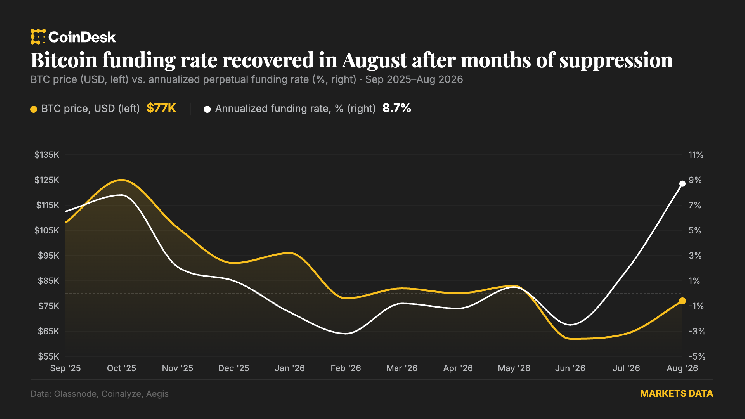
In the high-octane world of cryptocurrency, where fortunes are made and lost in the blink of an eye, last week’s market action served as a brutal reminder of the sector’s unrelenting volatility. When Bitcoin suddenly surged from the $62,000 range to an eye-watering $77,000 in just a matter of days, the move sent shockwaves through the derivatives market. Nearly $3 billion in leveraged short positions were obliterated, leaving bearish traders scrambling for cover. But while the retail crowd was glued to their screens in a state of shock, a different class of investor was quietly working the system—not by predicting the price surge, but by capitalizing on the very mechanics that drive the modern crypto market. This isn’t about gambling on direction; it’s about harvesting yield in the digital gold rush.
The Smart Money Playbook: Understanding the Mechanics of Market Neutrality
The traditional image of a swashbolding crypto trader glued to candlestick charts is quickly giving way to a more sophisticated archetype: the quantitative strategist. According to fresh on-chain data, major crypto trading powerhouses—including Abraxas Capital, Fasanara Capital, and Wintermute—have been building massive positions that would make most speculators’ heads spin. These aren’t directional bets on the next leg of the bull run, but rather carefully calculated positions designed to extract value from market inefficiencies. By simultaneously holding spot crypto assets while opening short perpetual futures positions, these firms are engaging in what is known as a “market-neutral” strategy. This approach fundamentally changes the risk profile, aiming to return consistent returns regardless of what the broader market decides to do next.
Decoding the Hyperliquid Phenomenon: A New Frontier in Derivatives
At the heart of this sophisticated financial engineering lies Hyperliquid, a trailblazing on-chain derivatives exchange that has quickly become the go-to venue for high-volume traders. While the broader crypto market was reeling from volatile peaks and troughs, on-chain data tracked by Lookonchain reveals that these three crypto trading behemoths have amassed a jaw-dpping combined short position of 138,569 Ethereum (a staggering $338 million) and 3,425 Bitcoin (approximately $265 million) on the platform. While these numbers might raise eyebrows and conjure images of a pessimistic market outlook, the reality is far more nuanced. These positions are the engine of a popular yield-generating strategy that thrives on the funding structure of perpetual contracts—a tool that has become the bread and butter for institutional players seeking consistent returns in the world of DeFi.
The Great Accumulation: Why Abraxas Is Siphoning Billions from Exchanges
Digging deeper into the data, the picture becomes even clearer, revealing a brilliant display of coordination. While shorting perpetual futures on one hand, Abraxas Capital is simultaneously gobbling up massive amounts of spot cryptocurrency on the other side of the equation. Through a series of strategic withdrawals, the firm has been siphoning enormous sums of liquidity away from centralized platforms. Data from Arkham Intelligence points to a flurry of activity, with the firm pulling a jaw-dropping 73,872 ETH—worth a cool $173 million at current prices—off Binance in just a four-day window. This isn’t hoarding or a hasty decision; it’s the crucial first half of a well-rehearsed financial duet that forms the core of the cash-and-carry trade.
The Golden Strategy: How Funding Rates Are Rewriting the Rules of Yield
So, what exactly is going on here? This is the real story—the evolution of a strategy that has been quietly generating gains for years. Known as the “cash-and-carry” or “basis trade,” this strategy has transitioned from a niche play to a dominant force in the digital asset class. The mechanics are elegantly simple. A trader buys a spot asset—say, Bitcoin. Simultaneously, they short the equivalent amount via perpetual futures. Because these two positions are perfectly hedged against each other, the trader cares little whether the price goes up or down. The magic happens with the funding rate—a unique feature of the perpetual contract market that acts as a tax on leverage, paid periodically to keep the contract price aligned with the spot market. When the market is aggressively bullish and leveraged longs pile in, the funding rate rises, meaning those shorters collect a handsome payment simply for providing liquidity and balance.
Deconstructing the Trade: The Nuances of the Basis and Its Impact on the Market
But this strategy is more than just a few lines of Solidity code or a way to skim a small profit. The success of this strategy signals a maturing of the market and has significant implications for the broader financial landscape. By capturing the funding rate—which can yield impressive APYs during strong bull runs—trading firms are generating consistent yield with minimal directional risk. This institutional lending of sorts provides liquidity to the very speculators who fuel the market’s ferocious momentum. Moreover, the sheer scale of these short positions on DeepTech2.0, estimated to be in the hundreds of millions, speaks volumes about the sophistication of these financial veterans. They aren’t predicting a crash; quite the opposite. They are acknowledging that in a market flush with leverage and optimism, the price of risk is often mispriced, and they are stepping in to correct that.
The New Institutional Playbook: Redefining Success in the Digital Economy
As the dust settles on another wild chapter in the crypto saga, one thing becomes clear: the playbook for institutional success is changing. The days of “diamond hands” and blind speculation are giving way to a more deliberate, data-driven approach deemed the “basis trade.” The $3 billion in liquidated shorts from last week may have contributed to Bitcoin’s immediate price action, but it is the quiet, persistent flow of tokens into cold storage and the careful shorting of futures that will define the next chapter. By acting as the market’s counterparty of choice, these smart money managers are essentially getting paid to wait out the volatility. While the price swings keep the headlines rolling and the excitement alive for the masses, the real profit in this new digital economy isn’t just about buying low and selling high anymore. It’s about understanding that sometimes, the most compelling trade you can make is the one that guarantees you collect a check, no matter which way the market winds blow.
Key Takeaways from the Institutional Playbook
- Market Neutrality is King: The most successful players in crypto are currently avoiding directional bets, focusing on strategies like “cash-and-carry” that profit from market structure and funding rates rather than price speculation.
- Clever Platform Utilization: Using venues like Hyperliquid, sophisticated firms are building large positions that fully benefit from the leverage and carry-trade dynamics.
- Historical Liquidity Patterns: Strategic moves to pull massive amounts of Bitcoin and Ether off of centralized exchanges signal a long-term “diamond hands” mentality that views the actual crypto asset as a stable store of value, free from the control and regulation of any centralized entity.
- Continuous Capital Deployment: By making this “market-neutral” play a permanent fixture of the digital asset ecosystem, institutional capital is fueling a massive expansion of trading volume. This full-blown comeback story suggests that volatility is no longer the enemy—it’s just the key ingredient in the recipe for returns.
Disclaimer: This article provides informational content for educational purposes only. It does not constitute financial advice or investment advice. Crypto assets are volatile and risky. You should not make any investment decision based on this information. Always do your own research and consult with a qualified financial professional before investing in any digital assets.