


Skyfarer: Building the Airbnb of Aviation
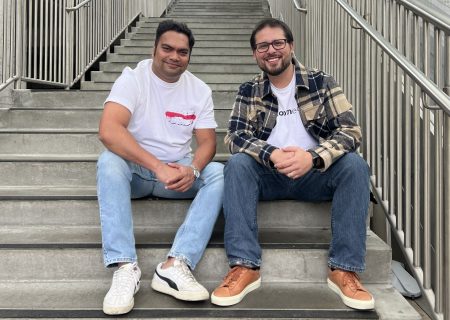
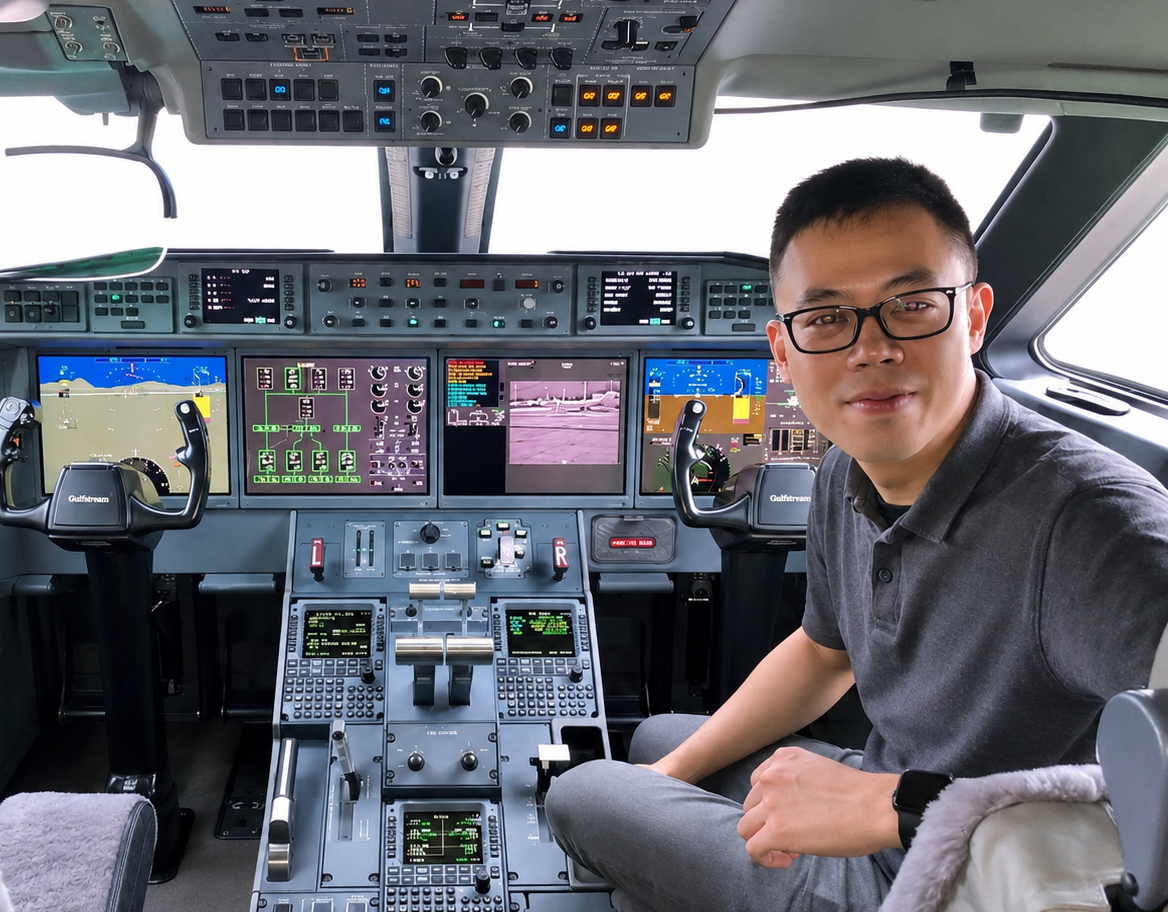
Nick Tsang’s journey into aviation began far from the bustling airfields of the United States, rooted in his upbringing in Hong Kong. His passion for flight took a concrete form in 2012 when he started flight training in New Zealand, an experience that would eventually lead him to a startling realization about the industry. After years of flying, Tsang noticed a persistent, frustrating problem: the general aviation market, which he saw as a multi-billion-dollar opportunity, was incredibly fragmented. Whether a pilot needed an instructor, an examiner, a mechanic, or even an aircraft to buy, there was no unified platform to turn to. The default solution was always the same—ask around at the local airport. This reliance on word-of-mouth in an era where other industries had been transformed by digital marketplaces seemed antiquated to Tsang, and it sparked the idea for what would become Skyfarer, his startup dedicated to modernizing the general aviation experience.
Tsang’s personal background is as eclectic as his business vision. Before diving headfirst into the world of aviation tech, he earned a master’s degree in educational management, a path that had him poised to accept an offer for a Cambridge MPhil in 2018. Instead, he chose a divergent route, dedicating his skills to a massive $28 million initiative that brought computational thinking to over 90,000 students. This background in education and large-scale project management proved invaluable. It gave him a deep understanding of how people learn and the barriers that prevent them from achieving their goals—a perspective that directly informs Skyfarer’s mission. When he founded the company in July 2024 in Camas, Washington, he brought with him not just a pilot’s license, but a founder’s understanding of how to build systems that make complex journeys more accessible, whether those journeys are educational or aeronautical.
Despite his years in aviation, Tsang was still surprised by what he discovered when he began conducting deep customer interviews. The most profound insight was that the industry’s dysfunction wasn’t just about logistics or pricing; it was a fundamental knowledge gap. He found that student pilots often don’t know what they don’t know, entering training without a clear picture of the medical requirements, the true total cost, or how to evaluate a flight school. They hit plateaus without mentors and face sudden setbacks, like an instructor leaving for an airline job mid-training. Tsang realized that people rarely quit flying because they don’t love it; they quit because they feel lost in the process. Furthermore, he discovered that the ecosystem isn’t just a collection of isolated providers. The pilot journey is surprisingly circular—the student of today becomes the instructor of tomorrow, and later, the airline captain or aircraft owner looking to buy gear or sell a plane.
These conversations drove a fundamental pivot in Skyfarer’s approach. Originally, Tsang had envisioned Skyfarer as a platform for live, online flight instruction, believing that remote learning could democratize access. But the data from his customers told a different story. While people signed up, the demand for fully remote instruction never took off, leading Tsang to make the toughest decision of his young company’s life: killing his original thesis. He learned a classic founder’s lesson—fall in love with the problem, not the solution. The problem was fragmentation and lack of guidance; the solution, it turned out, was in-person training. He pivoted the company to handle the entire in-person journey, even going so far as to acquire a competitor to accelerate its growth in the “supply side” of the market. This willingness to adapt, he says, is the secret of “indie” founders like Uri Levine, and it was crucial to moving forward.
The recent explosion of accessible AI tools has supercharged Skyfarer’s development. Tsang, who admits he is not a software engineer, describes the shift as monumental. A year ago, he could only make “non-code” updates to his infrastructure, his ideas waiting in a queue for a tech team to build. Now, with the assistance of frontier AI models, he has personally shipped over 400 pull requests in a matter of months, with nearly half of those coming in a single 30-day period. This speed has allowed Skyfarer to shift its focus away from rigid long-term roadmaps, which he now views as a relic of expensive, slow code development. Instead, he can practice a fluid, reactive approach: notice a user need, assess it, and ship a fix within the same week. In the startup world, where capital is tight, Tsang believes the new “moat” isn’t proprietary magic, but the speed of iteration and the depth of domain understanding.
For Tsang, the ultimate goal for Skyfarer is nothing less than becoming the default “Zillow for aviation”—the go-to resource pilots consult even before they truly commit to flying. He envisions a future where the platform manages the entire pilot lifestyle: finding a school, booking a medical exam, scheduling a checkride, getting insurance, and buying or selling aircraft. The current narrative in aviation is dominated by high dropout rates, but Tsang’s “definition of success” is a world where that conversation is obsolete. He envisions a day when the industry’s biggest problem isn’t retention, but rather a surfeit of demand—needing more aircraft, more instructors, and more runways to accommodate everyone who wants to fly. When the bottleneck shifts from a lack of student pilots to a crowded sky, Tsang will know he’s done his job on this rollercoaster ride.