




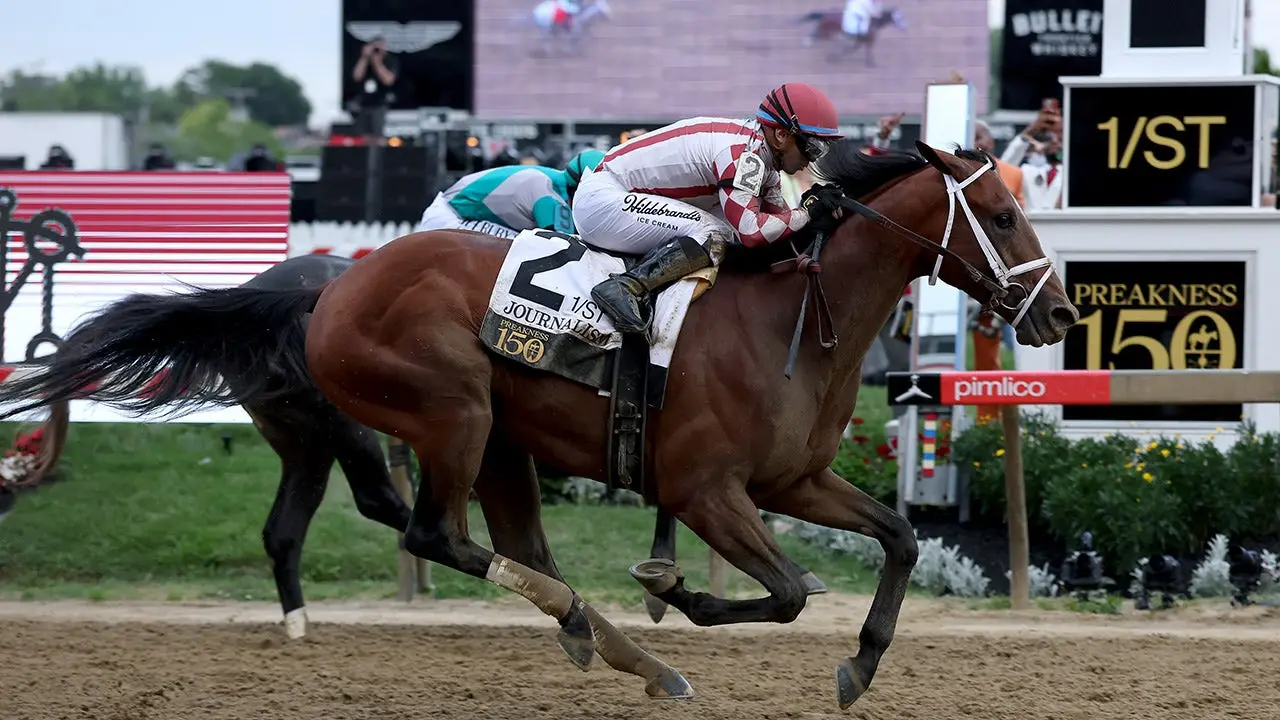
For nearly a century, the rhythm of the American spring has been dictated by three iconic Saturdays in May and June, a sacred trinity of races that define the absolute pinnacle of athletic achievement for the thoroughbred. The Triple Crown—consisting of the Kentucky Derby, the Preakness Stakes, and the Belmont Stakes—has long stood as an unrelenting test of speed, stamina, and sheer heart, demanding that young three-year-old horses perform athletic miracles on a grueling, rapid-fire schedule. Yet, the world around these majestic creatures has changed dramatically, and with it, the realizations of the human stewards who care for them. In a historic move that will forever alter the landscape of horse racing, Churchill Downs Incorporated and the New York Racing Association have announced a sweeping reorganization of the racing calendar set to debut in 2027. At the heart of this revolution is a brand-new, six-race championship series designed to unite the sport’s most prestigious summer events, alongside a monumental and highly debated shift in the scheduling of the Preakness Stakes. This evolution reflects a growing, collective understanding within the industry that the sacred traditions of the past must sometimes bend to accommodate the realities of the present, ensuring that the magic, safety, and integrity of the sport can be preserved for generations of fans yet to come.
At the absolute core of these historic changes is a fundamental shift in how we view and care for the equine athletes who lie at the heart of the sport. For decades, the two-week turnaround between the Kentucky Derby on the first Saturday in May and the Preakness Stakes in Baltimore was accepted as an unyielding law of nature, a trial by fire designed to separate the legendary from the ordinary. However, modern training philosophies, deeply informed by advanced sports science, veterinary medicine, and a heightened empathy for the physical limits of these young horses, have increasingly clashed with this rigid, traditional timeline. Trainers today are far more reluctant to subject their prized athletes to such intense physical stress in such a compressed window of time. This shifting sentiment was vividly illustrated by trainer Cherie Devaux following the triumph of her star colt, Golden Tempo, who captured the roses in Kentucky but bypassed the Preakness entirely to prepare for the Belmont Stakes. Devaux pointedly defended her choice against traditionalist criticism, reminding the public that “the horse is not a machine,” a powerful and compassionate truth that now echoes through the barns and stables of every major racetrack in America. By finally acknowledging that these magnificent animals require adequate time to heal, rest, and mature, the racing community is aligning its competitive structure with the natural physiological limits of the horse, elevating equine welfare above historical stubbornness.
In direct response to these shifting tides and the growing concerns of horsemen, the Maryland Jockey Club has made the courageous and unprecedented decision to move the Preakness Stakes to a new spot on the calendar starting in 2027. Under this groundbreaking plan, the second leg of the Triple Crown will be run three weeks and one day after the Kentucky Derby, breaking a seventy-five-year-old tradition of holding the race precisely two weeks after the first Saturday in May. To accommodate this necessary breathing room, the Preakness will be held on Sunday, May 23, 2027, marking the first time in the long history of the sport that a Triple Crown race will take place on a Sunday. Maryland Jockey Club CEO Bill Knauf openly embraced this departure from history, noting that discussions regarding the change had been ongoing for a very long time as officials observed modern training trends and the reluctance of trainers to rush their horses. Knauf pointed out that even with a three-week gap, the journey remains an incredible test of a champion’s mettle, but it provides a much more humane and realistic window for recovery. While this scheduling shift will compress the time between the Preakness and the Belmont Stakes to just thirteen days for at least one transitional year, the hope is that the lure of a potential Triple Crown sweep will still inspire trainers to take the leap when history and glory are within reach.
The necessity of this drastic schedule change is backed by stark, undeniable data that threatened to relegate the historic Preakness Stakes to a secondary event. In recent years, field sizes, fan attendance, and overall participation have plummeted to alarming lows, signaling a quiet but devastating crisis in the sport. Back-to-back Kentucky Derby winners opted to skip the trip to Baltimore’s Pimlico racecourse altogether, depriving fans of the thrilling pursuit of a Triple Crown sweep and stripping the event of its traditional luster. Statistically, the decline is even more jarring: of the ninety-five horses that have entered the starting gate at Churchill Downs on the first Saturday in May since 2022, a mere thirteen have gone on to run in the Preakness—a participation rate of just 13.7 percent. Out of those few brave challengers, only a single horse managed to find the winner’s circle, illustrating how exhausted Derby runners are when forced onto a two-week turnaround. These numbers paint a clear picture of a system that was no longer functioning in the modern era, as trainers refused to sacrifice their horses’ long-term health and careers for a short-term gamble. By extending the gap to three weeks, racing executives are making a calculated bet to lure the Derby’s top contenders back to Maryland, restoring the competitive integrity and star-studded fields that once made the Preakness an unmissable spectacle.
Compounding this calendar shift is the introduction of an ambitious, five-million-dollar, six-race championship series designed to build a cohesive, season-long narrative for three-year-old horses. Spearheaded by Churchill Downs and the New York Racing Association, this new coalition will link the Kentucky Derby, the Matt Winn Stakes in Louisville, the Jim Dandy and Travers Stakes at Saratoga, and a newly created championship race at Churchill Downs in September, culminating in the Breeders’ Cup at a newly renovated Belmont Park in 2027. Notably, the Preakness Stakes is excluded from this specific series, which instead focuses on creating a structured, high-stakes pathway through the summer and autumn. NYRA President and CEO David O’Rourke explained that the initiative is built to showcase the finest young athletes across an entire season, elevating these major events to capture the imaginations of a new generation of sports fans who crave continuous storylines. Churchill Downs CEO Bill Carstanjen echoed this enthusiasm, emphasizing that by connecting these premier races under one competitive umbrella, the sport can craft a compelling, continuous narrative that keeps audiences engaged long after the spring flowers have faded and the initial excitement of the Derby has passed.
Ultimately, these sweeping transformations represent a profound moment of reckoning for a sport deeply rooted in nostalgia, heritage, and tradition. Change is never easy, especially in a world where history is etched in stone and every record is measured against legendary champions of the past like Secretariat or Citation. Yet, the survival of horse racing in the twenty-first century depends entirely on its ability to evolve, to find a beautiful harmony between the romance of its traditions and the modern, compassionate imperative of animal welfare. By lengthening the path between the Derby and the Preakness and introducing a structured, lucrative championship series, the industry is not destroying its heritage, but rather fortifying it against the vulnerabilities of the modern era. This new era promises a sport that is safer for the horses, more thrilling for the spectators, and more sustainable for the trainers who dedicate their lives to these magnificent creatures. As the racing world looks eagerly toward 2027, there is a palpable sense of hope that these changes will breathe new life into the tracks, proving that even the most time-honored institutions can find the strength to adapt, grow, and run toward a brighter, more compassionate future.