

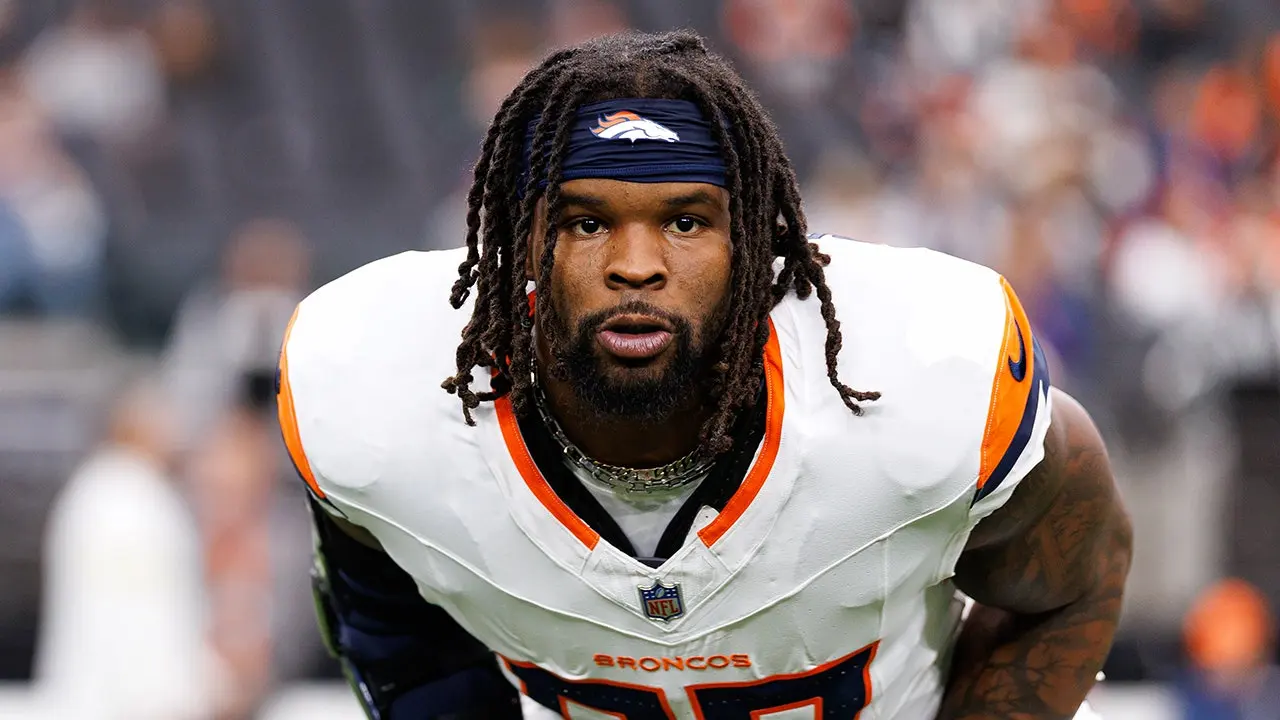
The old adage that “home is where the heart is” carries a profound, visceral weight in the high-stakes world of professional sports, where players are routinely uprooted from their comfort zones in exchange for life-altering contracts. For linebacker Dre Greenlaw, this reality became an grueling physical and mental ordeal during his brief, turbulent tenure with the Denver Broncos. After putting pen to paper on a lucrative three-year, $31.5 million deal, Greenlaw migrated from the temperate, oxygen-rich coast of California to the unforgiving, mile-high altitude of Denver, Colorado. Almost immediately, his body rebelled against the atmospheric shift. The thin air of the Mile High City was not merely an athletic hurdle; it was a daily sensory assault that left him battling dry airways, persistent nosebleeds, and a chronic inability to sleep. Greenlaw described this period of adaptation as a relentless struggle against internal “demons,” a sleepless fog where his body felt perpetually starved of the vital oxygen it needed to recover from the brutal physical demands of the gridiron. The contrast became starkly apparent when he finally returned to the Golden State. Stepping back into the familiar, ocean-kissed air of California felt like a physical rebirth, a place where the fresh coastal breeze made him feel as though his lungs had expanded to their full capacity, allowing him to run endlessly without the suffocating weight that had defined his time in Denver. This geographical disconnect was the first crack in what would become a highly challenging chapter in his professional life, illustrating how deeply an athlete’s physical environment can dictate their mental well-being and peace of mind.
Beyond the environmental challenges, Greenlaw’s transition to Denver was instantly complicated by the intense, pressure-cooker expectations that accompany a massive financial commitment. When an organization invests over thirty million dollars in a defensive anchor, the expectation is immediate, dominant production, and Greenlaw felt the crushing weight of that obligation from the moment he arrived. Desperate to justify his new contract and prove his worth to a fan base and front office eager for success, he pushed his body to its absolute limits, perhaps ignoring the subtle warning signs of a physical frame still recovering from grueling Achilles and calf injuries. This desperate haste backfired catastrophically on just the second day of Organized Team Activities (OTAs) when he suffered a severe quadriceps strain. This injury sidelined him until Week 7, effectively alienating him from the locker room during the critical team-building phases of the offseason. Instead of bonding with his new teammates over shared victories and defensive strategies, Greenlaw found himself isolated in the sterile, quiet confines of the training room. He painfully recalled knowing the physical therapists and medical staff far better than the men he was supposed to take the field with, a deeply isolating experience for any athlete who thrives on the camaraderie and shared purpose of a football team.
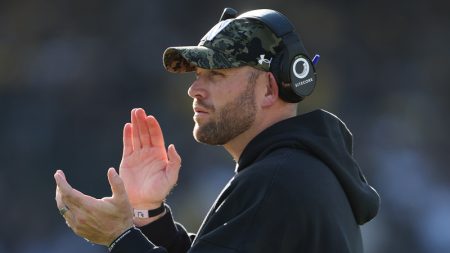
This physical isolation quickly bled into his professional relationships, most notably with Denver’s demanding head coach, Sean Payton. In the unforgiving ecosystem of the NFL, a player’s utility is tied directly to their availability, and when a highly paid asset is stuck on the rehabilitation table, patience can evaporate rapidly. Greenlaw keenly felt a shift in the atmosphere, describing a palpable coldness that set in once his injuries began to mount. The initial warmth and excitement of his signing faded into a critical, questioning gaze from the coaching staff. This tension peaked when, shortly after returning to action, he suffered a subsequent hamstring injury during a December game against the Jacksonville Jaguars. In the high-stakes environment cultivated by Payton, Greenlaw felt the distinct, sinking realization that his head coach was “not really messing with” him anymore. He describes a profound sense of loneliness, an emotional abandonment where he felt isolated from the system and left to navigate his recovery in a vacuum of silence and unspoken disapproval. This psychological burden, coupled with the physical pain of his injuries, transformed his dream transfer into a solitary struggle for survival within an organization that had quickly lost faith in his durability.
Despite the external pressures and the perceived lack of support, Greenlaw exhibits a rare and refreshing level of maturity by refusing to cast himself entirely as a victim of circumstance, choosing instead to take deep personal accountability for his shortcomings in Denver. He openly admits that he was not in the physical condition required to meet the demands of the Broncos’ defensive scheme, which differed significantly from the instinctive, aggressive system he had mastered during his first six years in San Francisco. Struggling to grasp a foreign playbook while simultaneously managing his rehabilitation, Greenlaw admits that he let himself and his team down by failing to dedicate enough time to the film room. He acknowledges that his desire to validate his paycheck bypassed the necessary patience his body demanded after recovering from previous Achilles and calf ailments. Rather than harboring bitterness toward the Broncos organization, he views the entire ordeal as a harsh but necessary learning experience—an illustration of what happens when ambition overrides physical reality and when a player tries to force a fit in a system and an environment that do not align with their natural strengths.
The resolution to this difficult chapter came swiftly when the Broncos made the decision to cut Greenlaw just a year into his three-year contract, a move that could have been a devastating blow to his confidence but instead served as a liberating release. Free from the suffocating altitude of Colorado and the emotional weight of a fractured relationship with the Denver coaching staff, Greenlaw quickly found sanctuary where his career had first blossomed. He signed a one-year, $7.5 million contract to return to the San Francisco 49ers, taking a significant financial pay cut in exchange for something far more valuable: a sense of belonging, familiarity, and peace. Returning to Northern California felt like a homecoming in the truest sense of the word, a return to a franchise that understood his playing style, valued his leadership, and offered an environment where his body could heal naturally. The familiar climate, the supportive coaching staff, and the roaring energy of the Bay Area faithful provided the perfect antidote to the isolation he had endured in Denver, allowing him to trade the dry, exhausting mountain air for the crisp, empowering atmosphere of his athletic roots.
Ultimately, Dre Greenlaw’s journey through the highs of a massive contract, the lows of injury and isolation, and his eventual return home highlights the resilient, underdog mentality that has defined his entire football life. Rather than viewing his departure from Denver as a failure, he embraces it as fuel for his fire, a catalyst to continue doing what he has done since his youth: proving the doubters wrong. His time in Colorado, though plagued by physical setbacks, a demanding coach, and a foreign scheme, ultimately clarified what matters most to him as both a player and a human being—the importance of physical alignment, mental peace, and a supportive community. Back in the scarlet and gold of the 49ers, Greenlaw is no longer fighting silent demons in the middle of the night; instead, he is focused on reclaiming his status as one of the league’s most fearsome and dedicated linebackers. His story serves as a powerful reminder that in the high-stakes, often transactional world of professional football, sometimes the best business decision an athlete can make is to return to the place that feels like home, where they can play with a free mind, a healed body, and a heart full of competitive fire.