




In an era defined by rapid geopolitical shifts, the physical spaces where nations meet, negotiate, and build trust are undergoing a quiet but profound transformation. The U.S. State Department’s recent notification to Congress regarding its plans to shutter five overseas diplomatic posts—specifically in Winnipeg, Canada; Nagoya, Japan; Medan, Indonesia; St. George’s, Grenada; and Cameroon—represents far more than a routine administrative adjustment. It marks a rare, peace-time reduction of America’s global footprint, occurring outside the context of an active security crisis or evacuation order. When viewed alongside the systematic dismantling of the U.S. Agency for International Development (USAID) and the drastic consolidation of visa-processing hubs across Africa—slashing those vital gateways from nearly fifty down to a mere twenty—these closures signal a fundamental philosophical pivot. To those working within these quiet halls, the local staff who bridge deep cultural divides, and the host communities that view the American flag as a symbol of partnership, these buildings are not merely line items on a federal ledger. They are the physical embodiments of American commitment, local sanctuaries, and the face of a superpower. By pulling back these outposts, the current administration demonstrates a worldview that treats America’s overseas presence as an expensive overhead liability to be aggressively managed on a balance sheet, rather than as an invaluable, living asset to be nurtured and sustained.
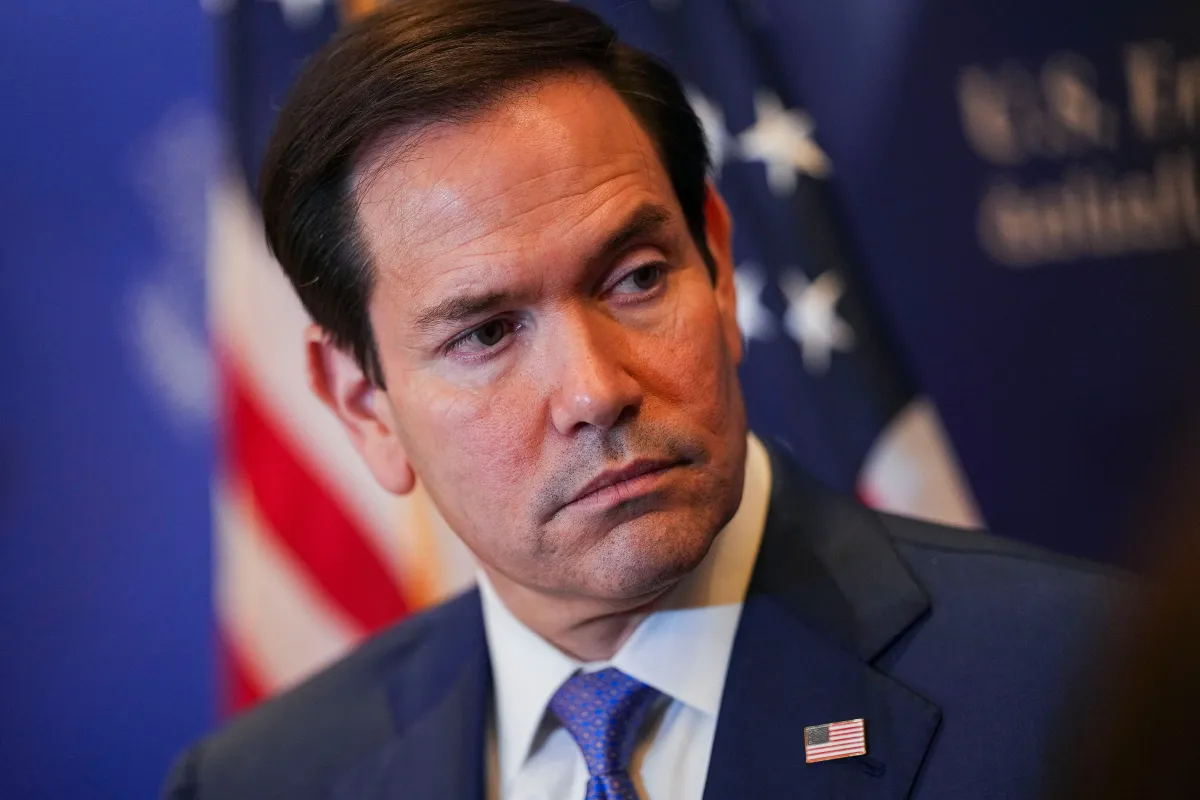
This dramatic shift is driven by an aggressive, government-wide mandate to curb spending and address a domestic fiscal reality that many Americans find increasingly alarming. With the publicly held federal debt soaring past $31.3 trillion—roughly equal to the entire annual output of the American economy—and the interest payments on that debt historically outstripping the nation’s massive defense budget, the administration argues that the federal government must learn to live within its means. Under the banner of the Department of Government Efficiency (DOGE) and a proposed budget that seeks to slash nondefense discretionary spending by an astonishing 23 percent, the administration is targeting programs, grants, and federal positions it deems wasteful or redundant. The State Department, led by Secretary Marco Rubio, has framed this aggressive restructuring as a long-overdue campaign to “right-size” a bloated and outdated institution, insisting that the government must constantly evaluate its operations to ensure tax dollars are directly advancing national interests. From the perspective of a taxpayer weary of government waste, the argument is simple and compelling: if modern technology allows fewer consulates to deliver the same services at a fraction of the cost, then consolidation is not just logical, but a moral duty. Yet, this business-minded approach treats diplomacy as a transactional service station, ignoring the intangible, human relationships that cannot be quantified by the number of passports renewed or visas stamped.
To understand what is truly lost when a consulate closes its doors, one must look beyond corporate metrics and examine the daily, deeply human interactions that define local diplomacy. A consulate is often the very first point of contact for an American traveler facing the worst day of their life—whether arrested, hospitalized, caught in the path of a natural disaster, or requiring urgent evacuation from a breaking conflict. For local business owners, these regional posts serve as critical matchmakers, helping them navigate complex regulatory landscapes, find American partners, and foster economic growth that benefits communities on both sides of the ocean. Furthermore, consulates allow diplomats to step outside the sterile echo chambers of foreign capitals, enabling them to build authentic, lasting relationships with regional leaders, grassroots organizations, and local media. These regional networks form the eyes and ears of American foreign policy, capturing political shifts and cultural nuances that are entirely invisible from a distant embassy hundreds of miles away. When a physical post is boarded up and its responsibilities are transferred to a central embassy in a faraway metropolis, the local relationships carefully cultivated over decades do not simply migrate; they wither and die, leaving a void that digital communication can never hope to fill.
This retreat is particularly striking when contrasted with the deliberate, relationship-centric diplomacy championing America’s interests in recent years. Under the previous administration, Washington recognized that countering rising global competitors required showing up in person, resulting in a historic revitalization of American diplomacy across the Indo-Pacific. This strategy saw the triumphant reopening of the U.S. embassy in the Solomon Islands after a thirty-year absence, the establishment of new embassies in Tonga and Vanuatu, and the formal initiation of diplomatic relations with the Cook Islands and Niue. These moves were designed to send a powerful message of enduring commitment, stability, and mutual respect to nations increasingly courted by China. Today, as the United States begins to shutter posts, Beijing continues to aggressively expand its global reach, currently operating more diplomatic posts worldwide than Washington, with a dominant presence across Africa, East Asia, and the critical Pacific Island countries. By voluntarily withdrawing from regional hubs, the United States risks ceding vital diplomatic ground, sending a discouraging message to its allies that American friendship is subject to budget cuts, and leaving vacant spaces that rival powers are more than eager to occupy.
The irony of these specific closures becomes even more pronounced when measured against the administration’s own stated foreign policy objectives. The administration’s strategic framework calls for a “Trump Corollary” to the Monroe Doctrine, asserting that the United States must secure its own hemisphere and position itself as the “partner of first choice” for its neighbors, while simultaneously keeping the Indo-Pacific free, open, and resilient against Chinese influence. Yet, two of the targeted closures lie directly within the Western Hemisphere—in Winnipeg, Canada, a vital economic gateway, and St. George’s, Grenada, a key Caribbean partner—while another two sit in the heart of the Indo-Pacific in Nagoya, Japan, and Medan, Indonesia. Closing doors in the territories of some of America’s closest allies and economic partners directly undermines the assertion that these regions are of paramount strategic importance. It suggests a profound disconnect between high-level strategic rhetoric and the ground-level reality of maintaining alliances, proving that while military strength can be measured in hardware and economic ties in trade volume, diplomatic capability is an invisible shield whose true value is felt only after it has been discarded.
As these plans head to Congress, the immediate political struggle will determine whether these closures represent a limited, one-time consolidation or the beginning of a systemic withdrawal from the world stage. If Congress acquiesces and these five closures pave the way for a deeper, more permanent reduction of America’s overseas presence, future generations may look back on this moment as a historical turning point. It will be remembered not as a triumph of fiscal responsibility or administrative housekeeping, but as the moment the United States decided to dim its own lights, pull back its borders, and retreat from its role as a global anchor. Diplomacy is fundamentally a human endeavor, built on the slow, quiet work of showing up, listening, and being present in the communities of our allies and partners. Once an American flag is lowered and a consulate door is locked, the trust that was built over generations cannot easily be bought back, reminding us that a nation’s true greatness is measured not just by the wealth it saves, but by the relationships it has the courage to keep.