

Behind the sterile press releases and cold police statistics of Mexico’s ongoing struggle with cartel violence lies the devastatingly human story of Valeria Márquez. A vibrant 23-year-old beauty influencer with more than 100,000 devoted followers on TikTok, Valeria was a young woman who had carved out a space of joy, creativity, and connection in a world too often dominated by fear and intimidation. To her online community, she was a source of inspiration—a talented entrepreneur who used her digital platform to share beauty tutorials, promote self-confidence, and build a flourishing small business from her salon in Zapopan, Jalisco. However, in May 2025, that sanctuary of beauty and self-expression was shattered in a moment of unimaginable horror that was broadcast live to her unsuspecting audience. While interacting warmly with her viewers during a routine livestream, a man walked into her salon under the guise of delivering a gift, asked her to confirm her identity, and cold-bloodedly shot her in the chest and head. The digital screen, which had only moments before been filled with warmth and lighthearted chatter, suddenly became a window into a chilling national tragedy, capturing the abrupt, violent theft of a young life before a witness frantically cut the broadcast.
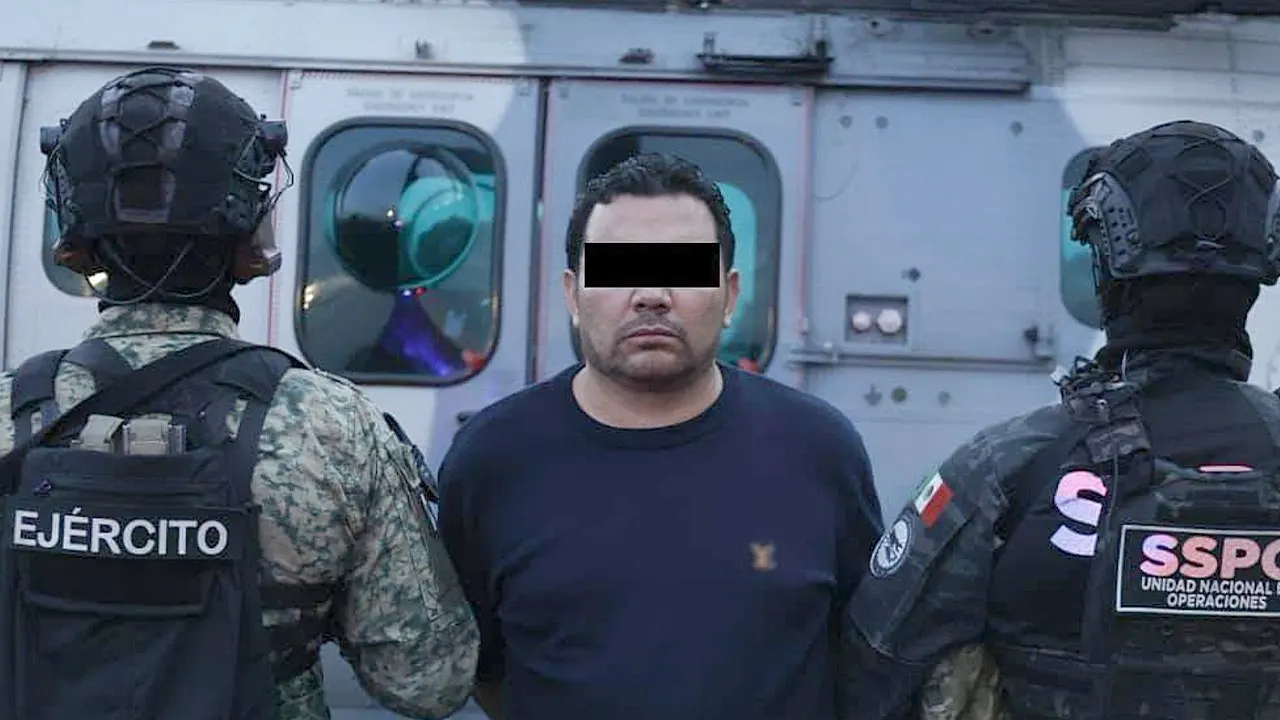
The shockwaves of Valeria’s public murder reverberated far beyond the digital sphere, eventually leading investigators down a dark path to the highest echelons of a violent criminal network. A major breakthrough in the case recently occurred when Mexican military and law enforcement forces executed a coordinated joint operation that resulted in the arrest of Ramón Ángel Álvarez Ayala, widely known by his criminal alias “El R-1.” Identified by federal authorities as the ruthless commander of “Los Rs”—a highly violent enforcement cell operating under the umbrella of the Jalisco New Generation Cartel (CJNG)—Álvarez Ayala’s arrest represents a significant blow to an organization that has long terrorized the states of Michoacán and Jalisco. For years, “El R-1” had wielded absolute authority over key regions like Apatzingán, Uruapan, and Morelia, dictating life and death through systematic extortion, drug trafficking, and targeted assassinations that directly impacted innocent families, local farmers, and small business owners. His capture and subsequent transfer to the Altiplano maximum-security prison marks a rare moment of accountability in a region where cartel leaders often operate with impunity, stripping away the myth of his invincibility and exposing the direct line of command that connects street-level violence to high-ranking cartel kingpins.
What makes Valeria’s death particularly heartbreaking is the deeply personal, domestic malice that orchestrated it, exposing how cartel power can be weaponized to settle private grievances. Following the arrest of “El R-1,” Mexican Security Secretary Omar García Harfuch revealed a sickening connection: Valeria had previously been in a romantic relationship with Álvarez Ayala’s son, Francisco. When that relationship ended, Francisco reportedly refused to let go, subjecting the young influencer to a relentless campaign of harassment, intimidation, and violent threats. In a society where femicide—the gender-motivated killing of women—remains a systemic crisis, Valeria’s vulnerability was fatally compounded by the fact that her abuser had direct access to a private, heavily armed militia. Investigators now possess evidence indicating that Francisco, unable to accept the end of their relationship, begged his father to use the deadly resources of “Los Rs” to permanently silence his ex-girlfriend. The father complied, treating the assassination of a young woman as a routine family favor, utilizing professional cartel hitmen to carry out a personal vendetta while Francisco went into hiding, where he remains today as a wanted fugitive.
The devastating reach of “El R-1” and his criminal cell was not limited to domestic terror; it also struck at the very heart of local democracy with the targeted assassination of Uruapan Mayor Carlos Manzo. In November 2025, during the sacred and deeply emotional celebrations of the Day of the Dead—a time meant for honoring ancestral spirits and celebrating life—Mayor Manzo was brutally shot and killed. Manzo was not merely a politician; he was a beacon of hope for a community suffocating under the weight of organized crime. He had built his administration on a platform of fearless defiance, openly criticizing the cartels that bled his city dry and working tirelessly to purge the local police force of systemic corruption. His assassination was a calculated act of narco-terrorism designed to send a chilling message to anyone who dared to stand up for the rule of law. By silencing Manzo, “Los Rs” sought to demonstrate that no one, not even an elected official backed by the hopes of his citizenry, was beyond their reach, turning a day of cultural remembrance into a grim reminder of the high cost of integrity in cartel-dominated territories.
In the wake of these twin tragedies, the Mexican government has launched an aggressive institutional response, signaling a refusal to let these high-profile assassinations go unpunished. Security Secretary García Harfuch detailed the sweeping scope of the investigation, which has so far resulted in the arrest of 31 individuals directly connected to the conspiracy that took Mayor Manzo’s life. Simultaneously, federal prosecutors are building a watertight case against Álvarez Ayala, linking his financial resources and organizational hierarchy directly to both the political assassination in Uruapan and the horrific femicide in Zapopan. This domestic crackdown aligns with international efforts to dismantle the CJNG, which the United States Treasury Department has designated as one of the most powerful and dangerous transnational cartels in the world. Having recently imposed heavy sanctions on dozens of individuals and entities linked to the cartel, international authorities are increasingly recognizing that the fight against these criminal organizations is not just about stopping the flow of illicit narcotics, but about protecting the fundamental human rights of families, local business owners, and communities who are forced to live under their oppressive shadow.
While the arrest of “El R-1” is a critical milestone on the long road to justice, the wounds inflicted by his criminal enterprise remain deep and unhealed. For the family of Valeria Márquez, the pain of her loss is compounded by the knowledge that Francisco, the primary catalyst of her torment, remains at large, leaving them to live in fear of retaliation even as they mourn a daughter whose life was cut short in her prime. For the people of Uruapan, the empty chair of Mayor Carlos Manzo serves as a quiet testament to a brave leader who paid the ultimate price for believing that a better, cleaner future was possible. These stories are a reminder that behind every cartel headline are real human faces—grieving parents, terrified shopkeepers, and courageous reformers who refuse to surrender their dignity to fear. As federal prosecutors prepare their case within the heavily fortified walls of the Altiplano prison, the true measure of victory will not be found merely in the locking of a cell door, but in the slow, painstaking restoration of peace and safety to a society that has suffered far too much for far too long.