


The intersection of youth, immense ambition, and the brutal, unyielding reality of professional sports is a space where dreams are both spectacularly forged and quietly shattered, often under the glaring, unforgiving spotlight of public expectation. For most twenty-four-year-old athletes, this specific period of life is defined by an insatiable hunger to secure their future, chase their first massive multi-million-dollar contract, and solidify their legacy on the grandest stage imaginable. Yet, in a move that recently reverberated like a sudden, shocking thunderclap across the landscape of the National Football League, Ja’Lynn Polk decided to completely rewrite his own narrative by choosing an entirely different, deeply personal path. On a quiet Sunday, the New Orleans Saints stunned the football community by placing the young wide receiver on the reserve/retired list, signaling the abrupt end of a professional career that had barely begun. This sudden departure serves as a stark, sobering reminder of the immense, often unseen mental and physical pressures that elite athletes must navigate behind the scenes, where the dazzling glamour of the gridiron frequently masks a much deeper, more complex human struggle. To walk away from the fame, the potential generational wealth, and the lifelong identity of being an elite professional football player at such a tender age is a decision of profound weight and immense gravity, suggesting that for Polk, the true price of admission to the NFL had finally become too high to pay. It forces us as observers to look past the jersey numbers, the depth charts, and the fantasy football statistics to see the actual, fragile young man standing at a monumental crossroads, courageously prioritizing his personal well-being and peace of mind over the insatiable demands of a multi-billion-dollar entertainment machine that waits for no one.
It is almost impossible to truly understand the sheer gravity and emotional weight of Polk’s decision without first looking back at the meteoric rise that brought him to this point, a journey fueled by pure passion, childhood sacrifice, and the relentless pursuit of athletic excellence. Just a few short years ago, Polk was a vital cog in a powerhouse Washington Huskies offense, playing a crucial role in propelling his team to the absolute pinnacle of college football as they fought valiantly for a national championship. In those golden collegiate days, the game of football was still filled with a sense of pure joy, shared purpose, and authentic camaraderie, a time when the roar of the stadium felt like a warm embrace of validation rather than a cold, demanding judge of commercial worth. He was a young man playing with absolute freedom, displaying the natural athleticism, precise route-running, and incredibly reliable hands that made him one of the most coveted, highly scouted wide receiver prospects in the entire country. When draft night finally arrived and his name was called in the second round, it felt like the ultimate validation of a lifetime of hard work, a magical moment where the childhood dream of reaching the NFL was finally realized in front of his proud family and friends. The future seemed virtually limitless, and the expectations surrounding his potential were sky-high as he prepared to transition from the supportive brotherhood of college athletics to the cutthroat, business-first landscape of the professional ranks, completely unaware of the intense personal and physical storms that lay just over the horizon.
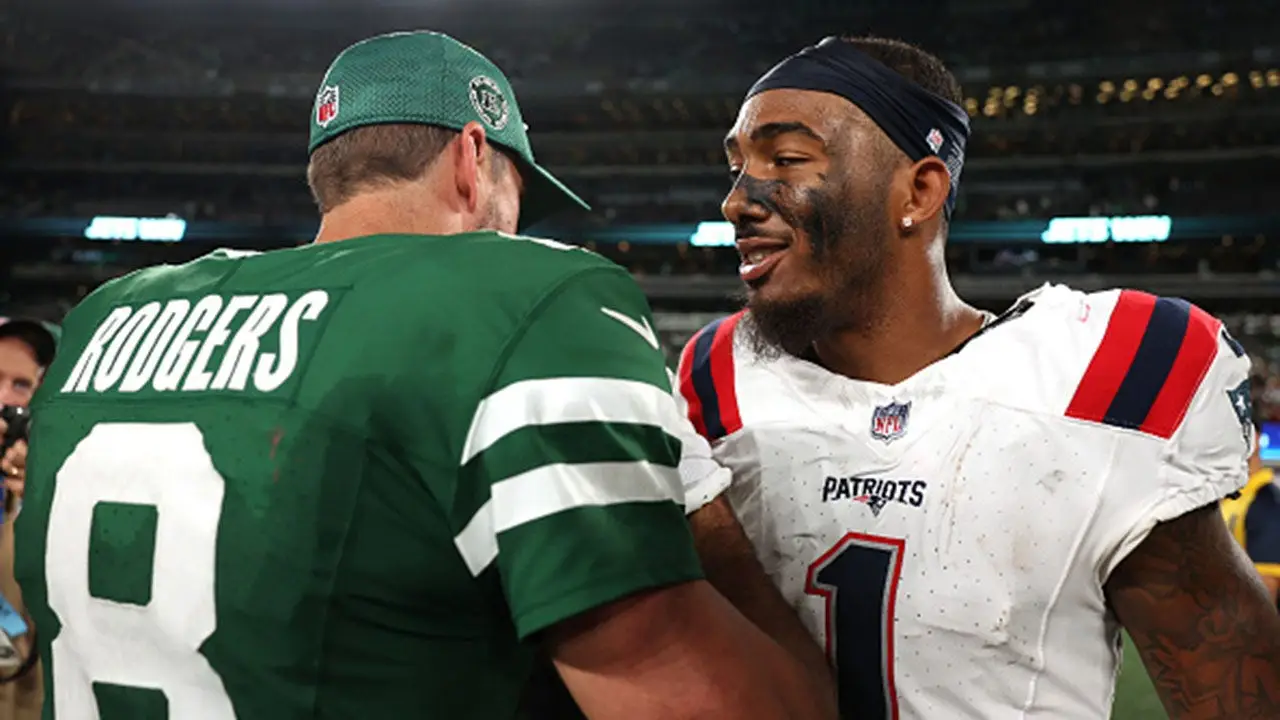
The transition to the professional level, however, proved to be an incredibly steep, unforgiving, and deeply isolating climb, as Polk’s rookie season with the New England Patriots quickly became an intense trial by fire. Stepping into a highly scrutinized, struggling offense under the relentless gaze of a passionate and demanding fan base, his professional career immediately struggled to find the rhythm, chemistry, and momentum that had defined his legendary college years. He finished his debut campaign with just twelve receptions for eighty-seven yards and two touchdowns, statistics that drew harsh, immediate criticism from impatient analysts and fans who completely failed to see the human being struggling to adapt to a massive life change under extreme pressure. Despite the mounting disappointment, the constant media chatter, and the heavy weight of unmet expectations, Polk publicly maintained a brave, defiant, and deeply resilient face, insisting to reporters before the 2025 season that he remained entirely unfazed by the past, stating that he didn’t even think about his rookie struggles and still believed he was destined for greatness. This public display of confidence was a classic armor worn by young athletes, a necessary psychological shield to protect a fragile inner world from the relentless negativity of the sports media machine, yet beneath that stoic exterior, the mental toll of trying to prove oneself in an environment where you are constantly judged as a commodity was undoubtedly beginning to accumulate and take its toll.
Just as he was gearing up to prove his doubters wrong, reclaim his narrative, and make a massive leap in his second year, tragedy struck in the most physically devastating way possible, reminding everyone of the incredibly fragile nature of an athletic career. A severe shoulder injury completely derailed his entire 2025 season before it could even begin, thrusting him into the lonely, deeply isolating purgatory of the injured reserve list for months on end. For an elite athlete, being injured is not just a physical setback; it is a profound identity crisis, a period where you are physically separated from your teammates, unable to do the one thing that has defined your worth since childhood, and left entirely alone with your thoughts while the world moves on without you. To make matters even more emotionally difficult and dehumanizing, the cold business of the NFL marched on, and the Patriots made the decision to trade Polk to the New Orleans Saints in a late-round draft pick swap while he was still rehabbing, essentially treating him as an injured asset to be discarded rather than a recovering young man. Spending nearly a full year in the grueling, painful, and deeply monotonous cycle of physical therapy, Polk fought tirelessly to rebuild his body, only to find himself suddenly traded to a brand new city where he would have to start his entire career over again, a realization that surely weighed heavily on his spirit as he contemplated his future in a sport that had suddenly felt so transactional and devoid of human warmth.
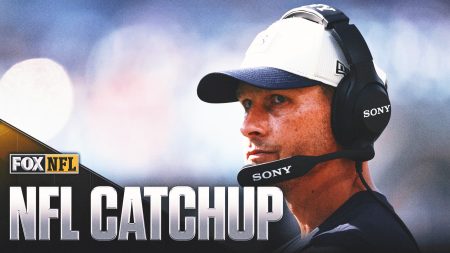
In the quiet days leading up to his shocking retirement announcement, the subtle signs of an impending storm began to emerge, albeit in the quiet, low-key ways that modern athletes often communicate their deepest internal struggles. Saints offensive coordinator Kellen Moore briefly revealed to the press that Polk had been away from the team for personal reasons, offering very few details to a highly curious public but clearly hinting at a deeper, more profound conflict brewing beneath the surface of his professional life. Shortly thereafter, Polk took the dramatic and symbolic step of scrubbing his Instagram account entirely clean and going completely dark on social media, a modern gesture of self-preservation that spoke volumes without a single word actually being uttered. In an era where professional athletes are expected to be constantly accessible, branding themselves, and engaging with millions of fans twenty-four hours a day, pulling the plug on his digital presence was a clear, unambiguous declaration of a desire for peace, privacy, and an escape from the relentless noise of the outside world. It was a young man retreating into the quiet sanctuary of his own personal life, shutting out the opinions of millions of strangers so that he could finally hear his own voice and make a monumental decision about his future that was entirely his own, free from the external pressures of coaches, agents, and fans who view him only as a performer.
Ultimately, Polk’s brave decision to walk away from the game of football without ever playing a single regular-season snap for the Saints is a powerful, deeply moving testament to the fact that there is so much more to a human life than the pursuit of athletic glory and public approval. While the Saints will retain his playing rights should he ever choose to return to the gridiron in the future, for now, a career that began with second-round expectations has drawn to a quiet, incredibly dignified close after just two tumultuous and physically taxing seasons. This retirement is not an isolated incident in today’s brutal sporting landscape; rather, it mirrors the sobering stories of other athletes who have had to make similarly devastating choices, such as Arizona Cardinals tight end Travis Vokolek, who retired at the age of twenty-eight after suffering a severe neck injury during the 2025 season, or Detroit Lions great Frank Ragnow, who recently detailed the painful realities of his own abrupt retirement and failed comeback attempts. These stories, when viewed together, highlight a growing, much-needed awareness among athletes that their long-term physical health, mental peace, and personal happiness are far more valuable than any corporate contract, massive paycheck, or championship ring. At just twenty-four years old, Ja’Lynn Polk has shown immense, admirable courage by choosing to step off the relentless conveyor belt of professional sports, reclaiming his autonomy and deciding that his worth as a human being is not defined by what he can achieve on a grass field. As he steps into the quiet, peaceful unknown of his post-NFL life, he leaves behind a legacy of a young man who had the strength to say “enough,” reminding us all that sometimes the greatest victory of all is simply choosing yourself, your health, and your humanity over a game.