



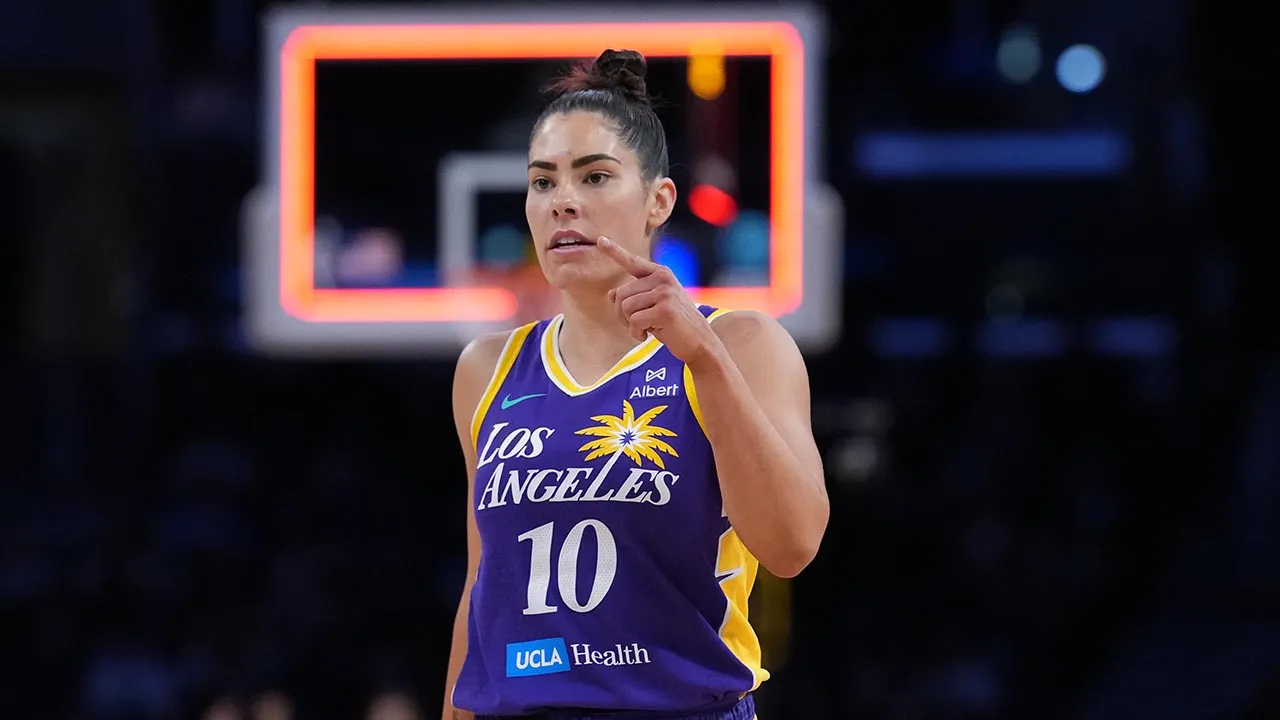
In the high-stakes, hyper-visible world of professional sports, we often view athletes as pieces on a chessboard, moving from one square to another with the swipe of a pen or the ring of a late-night phone call. Yet, behind every blockbuster transaction lies a deeply human story of upheaval, adaptation, and the relentless pursuit of belonging. Late Saturday night, just hours before the WNBA’s frantic trade deadline, that reality came knocking for five-time All-Star guard Kelsey Plum. In a sudden, franchise-altering move, the Los Angeles Sparks traded their marquee superstar to the Phoenix Mercury in exchange for guard Monique Akoa Makani, a lucrative 2027 first-round draft pick, and a 2028 second-round draft pick. For Plum, this trade represents more than just a change of jersey colors; it is a sudden dislocation from the city she had hoped to help revitalize, forcing her to pack up her life, leave behind teammates who had become family, and prepare to integrate into a completely new locker room overnight. The trade sent shockwaves through the league, capturing the attention of basketball fans nationwide, but for the players involved, it was a stark reminder of how quickly the places they call home can change in the pursuit of a championship.
To truly understand the weight of this move, one must look at the agonizing physical and emotional journey Kelsey Plum has endured over the last few months. Before a debilitating lower left leg injury sidelined her on June 21, the 31-year-old guard was playing the absolute best basketball of her life, putting up breathtaking, career-high numbers with an average of 23.9 points and 6.4 assists per game. She wasn’t just leading her team; she was leading the entire league in scoring, playing with a fiery, joyful intensity that seemed to elevate everyone around her. Then, in an instant, the injury happened, forcing her into the silent, often isolating world of physical rehabilitation. For weeks, while her teammates fought on the court, Plum was left to battle her own body in quiet training rooms, riding the emotional roller coaster of recovery with the looming uncertainty of her basketball future hanging overhead. She was finally on the cusp of making her highly anticipated return, scheduled to play on a strict minutes restriction against the Portland Fire, when the trade was finalized. Now, instead of stepping back onto her familiar home court in Los Angeles, she must navigate her physical recovery in the desert, with questions still lingering about whether she will make her debut when the Mercury visit the Chicago Sky.
For the Los Angeles Sparks, this trade marks the painful, official acknowledgment of a beautiful dream that simply failed to materialize. When the Sparks aggressively acquired Plum prior to the 2025 season, surrender was the furthest thing from their minds; they willingly surrendered the highly coveted No. 2 overall draft pick—which the Seattle Storm ultimately used to draft rising All-Star Dominique Malonga—with the grand vision that Plum’s veteran championship pedigree would supercharge a rebuild centered around young, dynamic talents Cameron Brink and Rickea Jackson. Basketball, however, is a cruel game of unpredictable variables and fragile momentum, and the chemistry Los Angeles envisioned never quite translated to the win column. Plagued by injuries and inconsistent play, the Sparks missed the playoffs entirely in 2025, and their current campaign has been equally devastating, sitting at a disappointing 10-17 record after enduring a brutal six-game losing streak. During the eleven games Plum missed due to her leg injury, the team’s vulnerabilities were laid bare as they went a dismal 2-9, watching their postseason aspirations slowly slip away for what is now on track to be a heartbreaking sixth consecutive year.
The institutional instability in Los Angeles only compounded the difficulty of the situation, creating an environment where a parting of ways became almost inevitable. In July, the Sparks parted ways with general manager Raegan Pebley, leaving assistant general managers Zach Knowlton and Nate Nielsen to steer the ship on an interim basis during one of the most critical stretches in franchise history. Amidst this front-office chaos, Plum’s future with the team grew increasingly bleak; as an impending free agent at the end of the season, reports began to surface that she had no intention of re-signing with the Sparks, leaving the interim management team with a difficult, ticking clock. If they did not act before the trade deadline, they risked losing one of the premier talents in women’s basketball for absolutely nothing in return. While powerhouse franchises like the New York Liberty and the Atlanta Dream eagerly circled, hoping to add Plum’s explosive scoring to their rosters, it was the Phoenix Mercury who ultimately put together the most compelling package, rescuing the Sparks from a empty-handed free-agency departure and giving Plum a fresh start.
By landing in Phoenix, Plum joins a franchise that is refusing to let its own disappointing season dictate its competitive spirit, embodying a stubborn resilience that mirrors her own. The Mercury currently find themselves in a precarious position, sitting at 11-19 and trailing the eighth-place New York Liberty by six games for the final playoff spot, but rather than waving the white flag and looking toward the draft lottery, they chose to double down on their postseason dreams. By trading for Plum, Phoenix is sending a resounding message to their locker room and their loyal fan base that they are committed to winning right now. On the court, the pairing of Plum with Phoenix’s relentless playmaker Alyssa Thomas is a tantalizing prospect that could completely reshape the team’s offensive identity. Thomas has been carrying a monumental workload, leading the Mercury with a grueling 8.3 assists per game, and the addition of a premier scorer and secondary playmaker like Plum will immediately alleviate that pressure, injecting a much-needed dose of championship experience, clutch shooting, and offensive dynamism into a team desperate for a spark.
Ultimately, this blockbuster deal is a historic milestone that highlights the rapidly evolving landscape of the WNBA, marking only the fourth time in league history that an All-Star has been traded in the middle of a season. It reflects a growing maturity in women’s professional basketball, where players possess immense leverage, franchises are willing to make aggressive, high-risk gambles, and the business of the sport is as cutthroat and captivating as any of its male counterparts. Yet, when the noise of the analysts fades and the statistics are written down in the record books, we are left with the compelling human drama of a legendary player trying to find her footing in a new city while healing her body. Kelsey Plum’s journey to Phoenix is a testament to the unpredictable, demanding lives of professional athletes who must constantly find home, purpose, and excellence amidst transition. As she prepares to don the purple and orange, the basketball world watches with bated breath, eager to see if this courageous union of a recovering superstar and a desperate, proud franchise can defy the odds and write a triumphant final chapter to their seasons.