

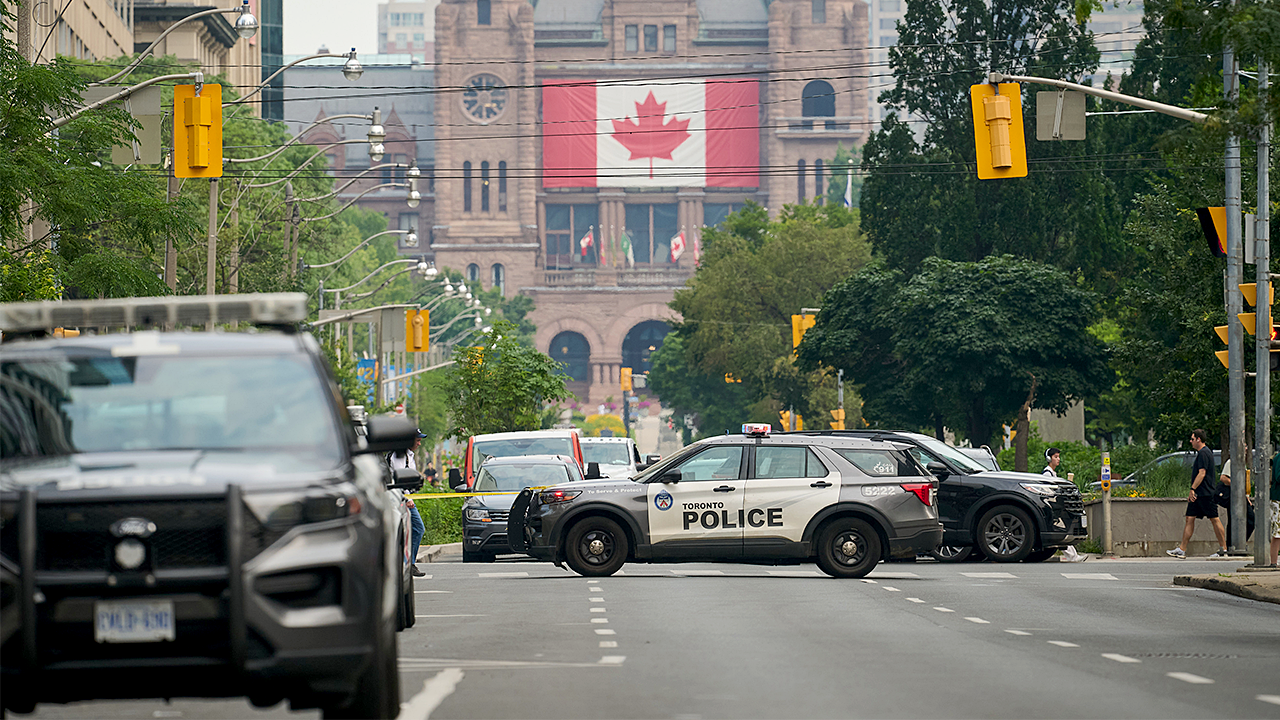
On a crisp Monday morning, the quiet routine of Toronto’s bustling University Avenue was violently disrupted by the echoing sound of gunfire, reminding locals of the fragile nature of urban peace. A lone gunman pulled up to the United States Consulate, unleashed a weapon, and left behind a single, stark shell casing as a grim signature of the assault. The physical aftermath was instantly visible as minor damage on the facade of the heavily fortified diplomatic building, but the psychological tremors went much deeper, cutting through the community’s sense of security. Thankfully, no physical injuries were reported, a miraculous saving grace in a high-traffic metropolitan area where pedestrians and morning commuters regularly crowd the sidewalks. Yet, the underlying tension was palpable as the consulate quickly adjusted its operations, rescheduling routine citizen services while boldly remaining open to show that normal life would not be easily derailed by terror. For the diplomats, security guards, and everyday Toronto residents who pass by this landmark daily, the incident served as a chilling reminder of how quickly a symbol of international cooperation can be transformed into a target of senseless violence.
The immediate aftermath of the shooting triggered a high-stakes, adrenaline-fueled drama as law enforcement scrambled to contain the threat. Toronto police instantly launched a high-speed pursuit that wound through the city’s complex network of streets for a harrowing hour, with sirens wailing and cruisers weaving through traffic in a desperate bid to apprehend the suspect. Despite the intense effort, the shooter managed to evade capture, leaving behind an atmosphere of unresolved anxiety and an intensive manhunt. Addressing a worried public, Deputy Police Chief Frank Barredo stood at the podium with a stern, unyielding expression, acknowledging the gravity of the escape while pledging the full force of his department to the hunt. He emphasized that the investigation would be approached with absolute seriousness, aiming to reassure a shaken population that the rule of law would ultimately prevail. The frustration of losing the suspect after such an exhaustive chase hung heavy in the air, transforming the neighborhood into an active crime scene and leaving citizens wondering who was roaming their streets under the cover of anonymity.
The brazen nature of the attack drew swift, passionate condemnations from local and provincial leaders who sought to give voice to the collective outrage of their constituents. Toronto Mayor Olivia Chow did not mince words, labeling the shooting a “brazen attack” and speaking directly to the perpetrators with a fierce, personal warning: “We will get you.” Her resolute stance was echoed by Ontario Premier Doug Ford, who took to social media to express his deep disgust, not only for the consulate shooting but also for the wave of vandalism and violence that had plagued the city over the weekend. Ford’s raw emotional response reflected the exhaustion of a community trying to maintain its reputation as a safe, welcoming global hub while facing an unsettling spike in gun violence. The political leadership’s unified, no-nonsense stance highlighted a deep-seated determination to protect Toronto’s diverse population and send a clear message that such acts of terror would be met with the full, unmitigated force of the justice system.
Making the entire ordeal even more alarming was the fact that this was not an isolated incident, but rather the second time the U.S. Consulate had been targeted this year. Just months earlier, on March 10, a similarly shocking scene unfolded when two suspects fired multiple rounds at the building before speeding away in a stolen vehicle. The ghosts of that spring morning resurfaced with Monday’s gunfire, forcing the public to confront a disturbing pattern of vulnerability despite the constant police presence established after the first attack. In fact, a police patrol vehicle with its emergency lights flashing was stationed directly outside the building when Monday’s shots were fired, exposing the terrifying audacity of a gunman willing to open fire in the direct line of sight of law enforcement. While two young suspects, Sheldon Tracy-Stewart and Zara Jabbi, were arrested and charged in connection with the March shooting, the repetition of the crime suggests a deeper, systemic issue that goes far beyond the actions of a few troubled individuals.
Investigators are now pulling back the curtain on a far more sinister and complex underworld, revealing that these consulate shootings may be connected to an active “gun-for-hire” network operating within the city. This dark, mercenary system is believed to have tentacles stretching across various neighborhoods, linking the diplomatic attacks to recent, terrifying gunfire directed at Toronto synagogues and Jewish-owned businesses. Over the weekend prior to the consulate shooting, two popular, family-run Jewish bakeries were struck by bullets, leaving local business owners and the Jewish community reeling from a profound sense of violation and fear. Deputy Chief Barredo confirmed that detectives are actively exploring the potential links between these seemingly disparate acts of violence, following every thread of evidence to determine if a single, organized group is coordinating these attacks to sow discord and terror. This mercenary element introduces a chilling layer of unpredictability to the situation, suggesting that these are not passionate, politically motivated standoffs, but rather transactional crimes carried out by detached individuals for a payload.
In the face of such unsettling developments, the spirit of Toronto remains unbroken as its residents and institutions refuse to let fear dictate their daily lives. The U.S. Consulate’s decision to keep its doors open, despite the visible scars on its facade and the need to reschedule certain services, stands as a quiet but powerful act of resilience against intimidation. Neighbors, business owners, and city leaders are leaning into solidarity, checking in on one another and reinforcing the communal ties that make the city great. As police continue their relentless search for the latest gunman and work to dismantle the broader network of hired shooters, the people of Toronto are left to navigate a bittersweet reality—one marked by a heightened state of vigilance, but also by an unwavering commitment to defending their inclusive, peaceful way of life. The journey toward healing and justice will undoubtedly be long and complex, but the collective resolve of this diverse metropolis ensures that community warmth and the pursuit of peace will ultimately outlast the cold violence of the streets.