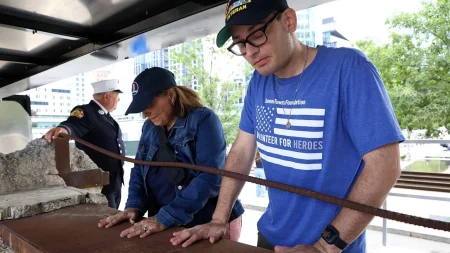



When Graham Platner launched his bid for the United States Senate, he carried the hopes of a progressive movement desperate for a champion. To his supporters, he was a refreshing, plain-spoken antidote to the polished, focus-grouped career politicians who have long dominated the landscape. Platner’s platform was bold, advocating for sweeping economic reforms, aggressive climate action, and a grassroots-funded approach that rejected corporate PAC money. This message resonated deeply with younger voters, labor organizers, and progressive activists who saw in him the potential to reshape the political landscape. For a fleeting moment, his campaign possessed the electric, infectious energy of a genuine movement, capturing headlines and motivating thousands of volunteers to knock on doors, host phone banks, and believe that a systemic shift was truly on the horizon.
Yet, behind the soaring rhetoric and the crowded, passionate rallies, the campaign was privately fracturing under the weight of severe operational dysfunction. From its inception, the campaign apparatus was plagued by disorganization, amateurism, and a chaotic internal culture. Staff members frequently complained of shifting priorities, a lack of clear hierarchy, and a candidate who preferred the adulation of the crowd to the grueling, disciplined work of daily campaigning. Basic logistical hurdles, from securing venues to managing the campaign’s budget, became recurring crises. Rather than building a professional infrastructure capable of sustaining a statewide run, Platner’s inner circle functioned more like an insular group of friends, largely resistant to advice from seasoned political operatives who warned that enthusiasm alone could not compensate for a fundamental lack of organization.
The structural cracks within the campaign quickly widened as a steady drip of scandal began to erode Platner’s public image. What started as whispers of internal friction soon burst into the open with a series of damaging leaks and media reports. Accusations of a toxic work environment emerged, with former staffers detailing long hours, emotional volatility from leadership, and a stark disconnect between the campaign’s public message of workplace dignity and its internal practices. These organizational failures were soon compounded by personal controversies surrounding Platner himself. Reports surfaced detailing past financial improprieties, questionable business dealings, and inconsistent statements about his personal history. Each revelation, though individually survivable, contributed to a mounting narrative that the candidate was simply not ready for the rigorous scrutiny of a high-profile Senate race.
As the scandals accumulated, the campaign’s response only exacerbated the damage. Rather than address the controversies with transparency and humility, Platner and his top advisors adopted a defensive, bunker-mentality posture. They dismissed critical media coverage as coordinated attacks by institutional Democrats and establishment forces intent on neutralizing a progressive threat. This combative strategy alienated potential allies and exhausted his staff, many of whom began to quietly resign. The continuous stream of negative headlines distracted from Platner’s policy proposals, transforming what was meant to be a issues-focused crusade into a daily exercise in damage control. Major donors began to close their checkbooks, and grassroot contributions, the very lifeblood of his financial strategy, began to dwindle as supporters grew disillusioned.
The end finally came on Wednesday when Platner officially suspended his campaign, a decision that felt less like a sudden shock and more like the inevitable conclusion of a slow-motion collapse. In a somber address to his remaining staff and loyal supporters, Platner expressed gratitude for the movement they had built but acknowledged that the path to victory had vanished. The announcement left his base of progressive Democrats grappling with a mixture of grief, frustration, and exhaustion. For many who had invested their time, energy, and hard-earned money, the campaign’s demise was a bitter pill to swallow—a painful reminder of how easily a powerful, necessary message can be derailed by poor execution and personal failings.
Ultimately, Graham Platner’s Senate run serves as a cautionary tale for modern progressive politics. It demonstrated that while a compelling message and authentic grassroots enthusiasm are vital, they are ultimately insufficient without professional discipline, transparency, and personal rectitude. Platner’s candidacy leaves behind a complicated legacy: it proved the deep hunger for systemic change among voters, but its messy, scandal-plagued collapse highlighted the vulnerability of insurgent campaigns that neglect the unglamorous mechanics of political organizing. As progressives look to the future, they are left to reflect on how to carry Platner’s ideals forward without repeating the organizational disasters that ultimately doomed his promise.