

This July, basketball enthusiasts are in for a fascinating treat as the NBA prepares to debut a major experimental rule during its highly anticipated Summer League events. Taking place across Salt Lake City, Northern California, and Las Vegas, the league will officially implement the “one free throw rule.” Originally introduced in the NBA G League during the 2019-20 season, this trial is part of a broader, ongoing effort to breathe new life into the game by speeding up the pace of play. By streamlining one of the most stop-and-go aspects of basketball, the league hopes to create a more fluid, high-energy viewing experience that keeps fans on the edge of their seats from kickoff to the final buzzer.
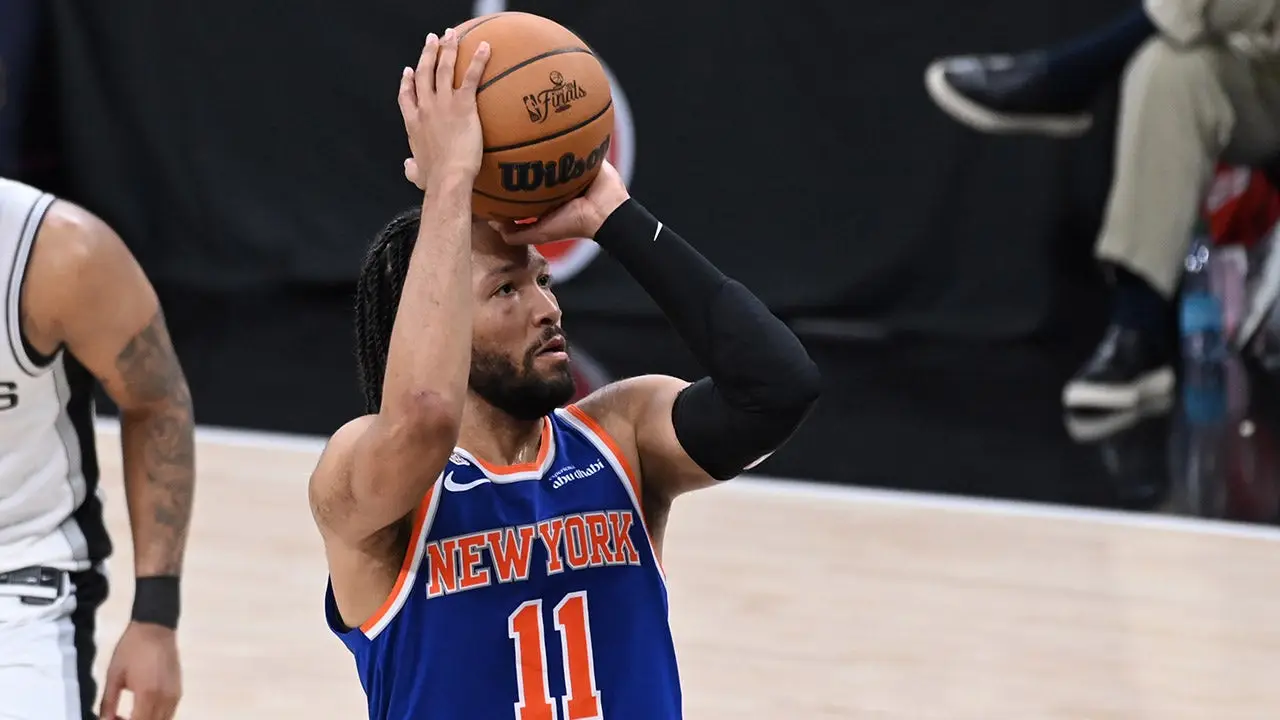
Under this innovative experimental format, any personal or shooting foul that would traditionally send a player to the line for two or three individual free throws will now be settled with just a single shot. To ensure the scoring remains fair and balanced, this lone free-throw attempt will be worth the exact same total number of points as the multiple shots it replaces. For example, if a player is fouled while shooting a three-pointer and misses, they will step up to the line for just one shot worth three points. It is a high-stakes, double-or-nothing twist that places immense pressure on the shooter while keeping the game moving at a lightning-fast clip.
However, purists who worry about late-game strategy being compromised can breathe a sigh of relief. The NBA is keeping the final, most dramatic moments of the game grounded in tradition. Standard free-throw rules—where players take two or three individual shots depending on the foul—will return to play during the final two minutes of the fourth quarter and throughout any overtime periods. This clever compromise ensures that teams can still employ classic end-game strategies, such as intentional fouling to stop the clock, while preserving the nail-biting tension that makes the final minutes of a close basketball game so iconic.
While it is still too early to tell if this rule will ever make its way to the active NBA roster, the Summer League has long served as a crucial proving ground for radical new ideas. Just like Major League Baseball uses its minor leagues to test game-changing concepts, the NBA routinely uses its July showcase to see how new mechanics play out in real-time. In fact, many beloved elements of modern NBA basketball started exactly this way. Fan-favorite features like the coach’s challenge, resetting the shot clock to 14 seconds after an offensive rebound, and the transition “take foul” penalty all succeeded in the Summer League before earning their place in the big leagues.
Beyond the trial of the single-shot foul, the NBA has been quietly exploring other avenues to optimize game length and player endurance. Over in the G League, quarters are shortened to 10 minutes instead of the standard 12, a change that NBA Commissioner Adam Silver has publicly championed. The league has experimented with shorter games before, even testing unique 11-minute quarters in a past preseason game and utilizing 10-minute quarters during the exhibition games in the 2020 Orlando “bubble.” These ongoing experiments highlight a progressive front office that is not afraid to break tradition in pursuit of a better, faster entertainment product.
For players, coaches, and fans alike, the upcoming Summer League, which kicks off on July 9, promises to be more than just a showcase for rising rookies and hopeful prospects. It will be an exciting glimpse into the potential future of professional basketball. Whether the “one free throw rule” becomes a permanent staple of the NBA or remains a quirky footnote in basketball history, it represents a bold step forward in keeping the sport dynamic, modern, and thrillingly fast-paced.