



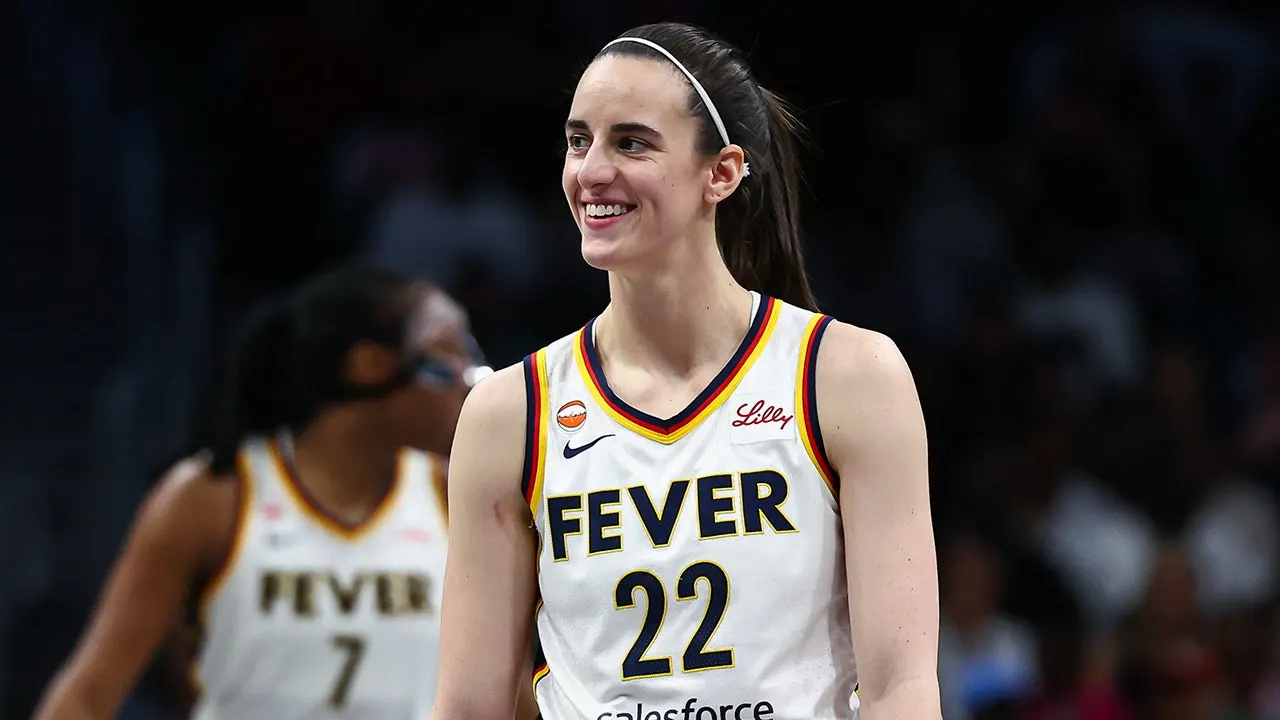
The excitement surrounding women’s professional basketball continues to reach new heights, and the anticipation is palpable as the WNBA gears up for its highly anticipated All-Star Game on July 25. This year, the midsummer showcase is pulling into Chicago, promising a spectacular display of elite athleticism, fierce competition, and star-studded drama. At the absolute center of this year’s buzz is the Indiana Fever, a team that has captured the hearts of fans across the country and is now sending a powerful trio of superstars to represent the franchise in the starting lineup. Leading the charge is the sensational Caitlin Clark, whose transition to the professional stage has been nothing short of a cultural phenomenon. But Clark is far from a solo act in Indiana; she is joined in the starting lineup by teammates Aliyah Boston and Kelsey Mitchell. To have three players from the same roster voted as All-Star starters is a rare and prestigious statement of a franchise’s rising dominance, signaling that the Fever have officially arrived as a cornerstone of the league’s bright future.
The journey to securing one of these coveted starting spots is a rigorous process, determined by a balanced voting system designed to capture the voices of everyone who makes the game what it is. Fans hold the majority of the power, accounting for 50 percent of the total vote, while current WNBA players and a specialized media panel each hold a 25 percent stake. When the final ballots were tallied, the collective voices of the basketball community sent a clear message by embracing the Fever’s powerhouse trio. While Clark, Boston, and Mitchell are share-riding this All-Star wave together for the third consecutive year, this marks the historic first time all three have been voted in as starters from the jump. Boston, a persistent force in the paint, earned starting honors previously, while Clark has been a lock for the starting lineup since her debut. For Mitchell, however, this moment carries a deeply personal triumph; after serving as a late-injury replacement in previous matchups, her official elevation to a voted starter is a testament to her steady growth, consistency, and the undeniable respect she has earned from her peers and fans alike.
Beyond the baseline in Indiana, the rest of the starting ten highlights the breathtaking depth of talent currently overflowing across the WNBA. The Fever are not the only squad enjoying multiple representatives in the opening lineup. The Dallas Wings are boasting their own dynamic duo with the highly skilled guard Paige Bueckers and the versatile forward Jessica Shepard getting the starting nod. Meanwhile, the Minnesota Lynx will be well-represented in the windy city by the formidable tandem of Natasha Howard and Olivia Miles, both of whom have put together stellar campaigns to anchor their team’s success. Joining these emerging forces are some of the most decorated legends of the modern game, including the Las Vegas Aces’ unstoppable superstar and four-time league MVP A’ja Wilson, alongside the New York Liberty’s brilliant two-time MVP Breanna Stewart. Rounded out by the electric Gabby Williams of the newly minted Golden State Valkyries, this starting group represents a perfect bridge between established, legendary greatness and the skyrocketing new generation of hoops talent.
This year’s edition of the All-Star Game also brings an exciting twist to how these superstars will actually take the floor, breaking away from the standard captain’s draft format that fans have become accustomed to since 2018. In celebration of the WNBA’s landmark 30th anniversary, the league decided to pay homage to its rich history and pioneering figures by shaking up the team selection process. Instead of having the top two leading vote-getters draft their own squads, the league has designated two of its most iconic trailblazers, Cynthia Cooper and Teresa Weatherspoon, to serve as honorary general managers. These two legendary figures, who helped lay the brick-and-mortar foundation of the league decades ago, will actively select their rosters from the pool of 22 designated All-Stars. This nostalgic format twist adds a thrilling schoolyard-draft energy to the weekend, putting a spotlight on the historical continuity of the league and promising unique team match-ups that fans have never seen before.
Among all the storylines heading into Chicago, Caitlin Clark’s individual brilliance remains an unavoidable and thrilling focal point of the basketball landscape. Averaging a staggering, career-high 21.2 points per game—which ranks fifth overall across the entire league—and holding down the second-highest assist average at 8.2 per game, Clark is putting up numbers that demand attention. Her record-breaking season feels even more profound when considering the adversity she overcame last year, battles with nagging sophomore-season injuries that threatened to slow her legendary momentum. Instead, she bounced back in historic fashion, becoming the fastest player in the history of the WNBA to eclipse both 1,000 career points and 500 career assists. Watching her play with such joy, resilience, and vision has been a true treat for purists, and her starting spot is a well-earned reward for a young player who has carried monumental expectations on her shoulders and somehow managed to exceed them at every single turn.
With the ten starting spots officially locked in, the basketball world now eagerly turns its attention to the announcement of the twelve remaining reserves, who will round out the 22-player pool of elite athletes heading to Illinois. The selection of these reserves is bound to ignite plenty of healthy debate among commentators and fans, as several highly deserving players are still waiting to find out if they will join the festivities on July 25. Yet, regardless of who fills out those final roster spots under the guidance of general managers Cooper and Weatherspoon, the stage is set for a historic night. As the WNBA continues to shatter viewership records, sell out arenas, and dominate the cultural conversation, this year’s All-Star Game in Chicago is shaping up to be much more than just a typical midseason exhibition. It is a grand, vibrant celebration of a league that has spent thirty years fighting for its rightful place in the spotlight, and is now finally enjoying the golden era it so richly deserves.