


There is a quiet, almost magical alchemy that occurs when we settle into our favorite spots on the couch, dim the lights, and let a screen transport us to another corner of the globe. For a few hours, we are not merely spectators; we are wanderers walking alongside our favorite characters through cobblestone European alleyways, feeling the warm, salt-kissed breeze of a tropical island, or gazes swept across vast, sun-drenched desert dunes. In recent years, this emotional immersion has transcended the confines of our living rooms, sparking a massive global travel phenomenon known as “screen tourism” or “set-jetting.” Recognizing this profound shift in how we choose our next adventures, the newly released Screen Tourism Forecast Index has arrived to map out the exact geographical coordinates that are set to experience a magnificent surge in visitors. Far from being a dry collection of industry statistics and sterile data points, this index serves as a deeply human compass. It reads the collective heartbeat of global audiences, predicting where our shared yearnings for escape, connection, and narrative-driven adventure will take us in the coming year. It reveals that we are no longer content with just watching stories unfold; we want to step inside them, feel their textures, breathe their air, and write ourselves into the script of these beautiful, real-world backdrops.
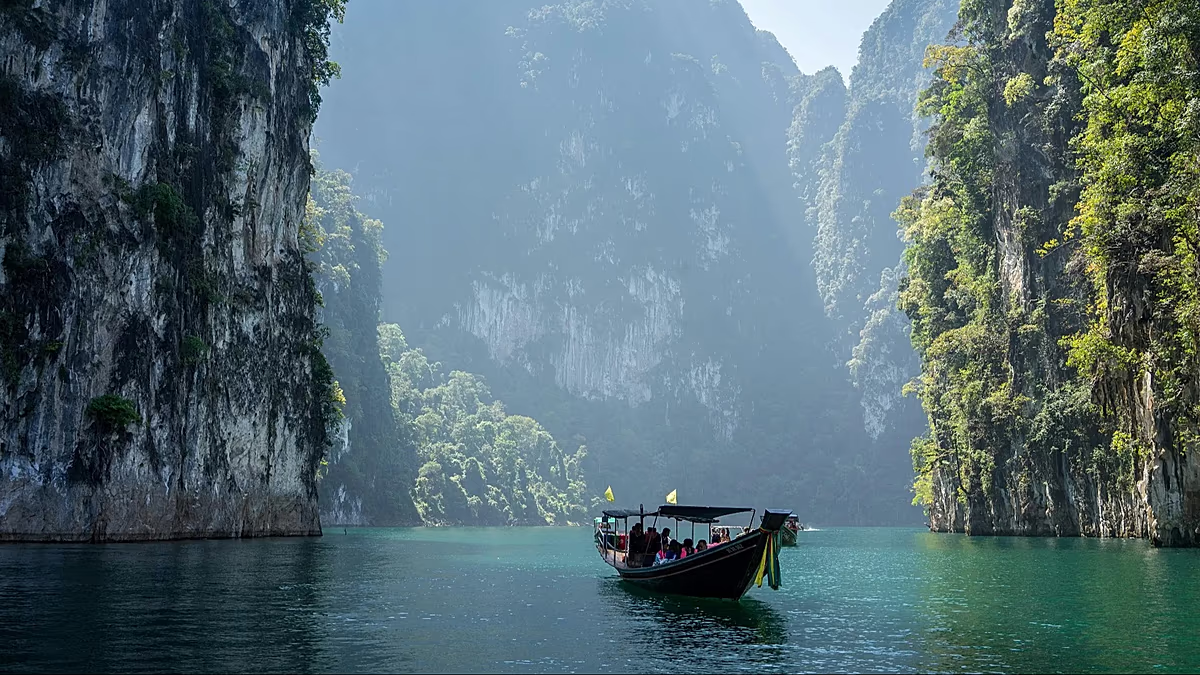
At the very forefront of this year’s cinematic travel revolution is the highly anticipated sweep of Asian destinations, driven by television masterpieces that have captured both the eye and the spirit. The Screen Tourism Forecast Index highlights a massive wave of interest heading toward Thailand, a direct result of the upcoming season of the hit sensory-satire anthology, The White Lotus. As the show shifts its lens to the glittering, tranquil shores of Koh Samui, Phuket, and the vibrant, bustling streets of Bangkok, travelers are already booking journeys to experience the country’s signature blend of spiritual serenity and ultra-luxurious relaxation. Concurrently, the sweeping, critically acclaimed historical epic Shogun has ignited a passionate renaissance of interest in Japan, particularly its gorgeous, lesser-traveled rural provinces, historic shrines, and ancient forests. Rather than merely visiting hyper-modern metropolitan hubs, travelers are seeking out the quiet, ancestral landscapes that echo the honor, poetry, and dramatic scale of feudal history. This migration is fueled by a desire for tangible authenticity—a yearning to trade the digital glow for the scent of blooming cherry blossoms, the whisper of wind through bamboo groves, and the profound peace of a traditional tea house, proving that a well-told story can bridge centuries and continents in a single heartbeat.
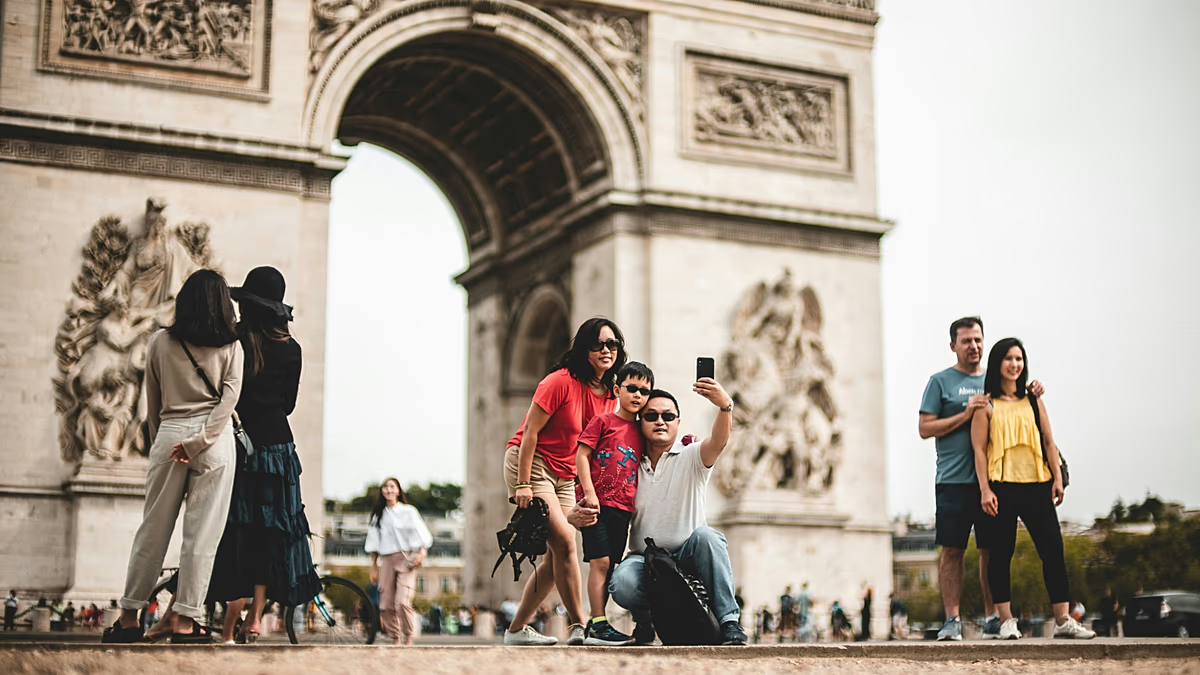
Across the oceans, Europe continues to hold an irresistible, romantic chokehold on the modern traveler’s imagination, a allure beautifully analyzed by the index through the lens of period dramas and contemporary romances. The phenomenally popular series Bridgerton has once again ignited a passionate love affair with the United Kingdom, specifically driving historical enthusiasts to the honey-colored, Georgian architecture of Bath and the majestic, sprawling estates of the English countryside. Visitors are searching for an elegant, slow-paced world of promenade walks, afternoon teas, and classical music, seeking to inject a bit of royal refinement into their daily lives. Meanwhile, the whimsical and colorful escapades of Emily in Paris continue to act as a sparkling, multi-season love letter to France, expanding its reach from the chic cafes of the Latin Quarter to the sun-soaked, glittering waters of the French Riviera. These shows tap into a deeply human desire for everyday glamour, aesthetic beauty, and the simple, artistic pleasure of romanticizing our own lives. By visiting these places, modern travelers are not just sightseeing; they are indulging in a form of joyful self-reinvention, dressing up to walk through manicured palace gardens or sipping espresso at a sidewalk bistro, cast as the glamorous protagonists of their very own European fairytale.
For those whose hearts beat for grand scales, mythic journeys, and raw adventure, the index points to a dramatic rise in tourism toward rugged, ancient landscapes that have served as the stages for Hollywood’s most colossal sci-fi and historical epics. The thunderous arrival of Gladiator II has cast a dramatic spotlight on the historic arches of Malta and the dramatic, sun-baked fortresses of Morocco, inspiring a surge of travelers eager to stand in the shadow of ancient coliseums and feel the epic weight of history beneath their boots. Simultaneously, the breathtaking, cinematic poetry of Dune: Part Two has transformed the otherworldly, vast silent expanses of Jordan’s Wadi Rum and the sweeping, dramatic dunes of Abu Dhabi into ultimate pilgrimage sites for sci-fi enthusiasts. Standing in these gargantuan, silent landscapes, where the earth meets the sky in an ocean of red sand, offers travelers a profound sense of perspective and humility. It satisfies a wild, elemental hunger within us to explore the edges of the known world, to escape the predictable patterns of modern infrastructure, and to feel, if only for a brief moment, like intrepid pioneers stepping foot onto an untouched, mystical horizon.
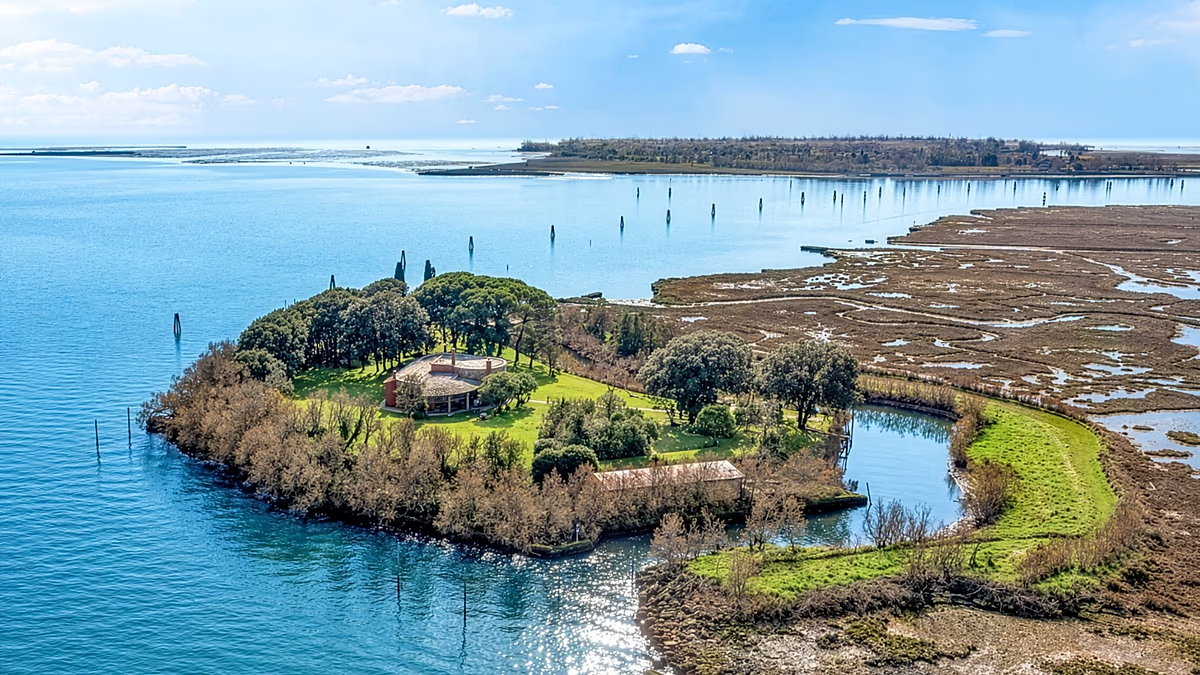
Yet, as the Screen Tourism Forecast Index illuminates these spectacular paths of travel, it also shines a gentle, necessary light on the living, breathing human communities that occupy these freshly spotlighted destinations. When a quiet coastal village in Italy, a serene island in Thailand, or a historic neighborhood in Kyoto suddenly finds itself under the glaring spotlight of global pop-culture fame, the local reality changes overnight. This screen-induced tourism boom is undeniably a powerful economic lifeline, breathing vibrant new life into local businesses, artisanal shops, family-run hotels, and cultural preservation projects that rely heavily on visitor support. However, it also presents a delicate challenge for municipal leaders and residents who must navigate the complex waters of overtourism, ensuring that the spike in visitors does not erode the natural beauty, peace, and cultural integrity of the communities being visited. The index serves as an invaluable tool for sustainable planning, urging modern “set-jetters” to travel with a sense of deep respect, curiosity, and mindfulness. It reminds us that safe, sustainable travel means engaging with locals not as background extras in our vacation photos, but as the true custodians of these beautiful spaces, leaving these cinematic locations as pristine and magical for the next generation as they appeared on our screens.
Ultimately, the insights offered by the Screen Tourism Forecast Index reveal a beautiful, evolving truth about the human condition: we are, at our very core, creatures of story. Our desire to travel is no longer just about ticking famous monuments off a checklist or collecting passport stamps; it is an emotional quest to connect with the narratives, values, and feelings that move us deepest when we watch them unfold on screen. When we see a character find healing on a remote Greek island, find courage in a rugged Scottish highland, or find love under a Parisian sky, we instinctively want to seek out those same emotional transformations within ourselves. The index is far more than a simple marketing forecast; it is a living map of human empathy and our endless, poetic quest to blur the lines between the imaginative worlds we love and the reality we live in. As we pack our bags and set off toward these screen-inspired horizons, we carry with us the comforting realization that our favorite stories do not have to end when the credits roll—they are simply waiting for us to step out of the theater, cross the threshold, and continue living them out in the wide, wonderful world.