


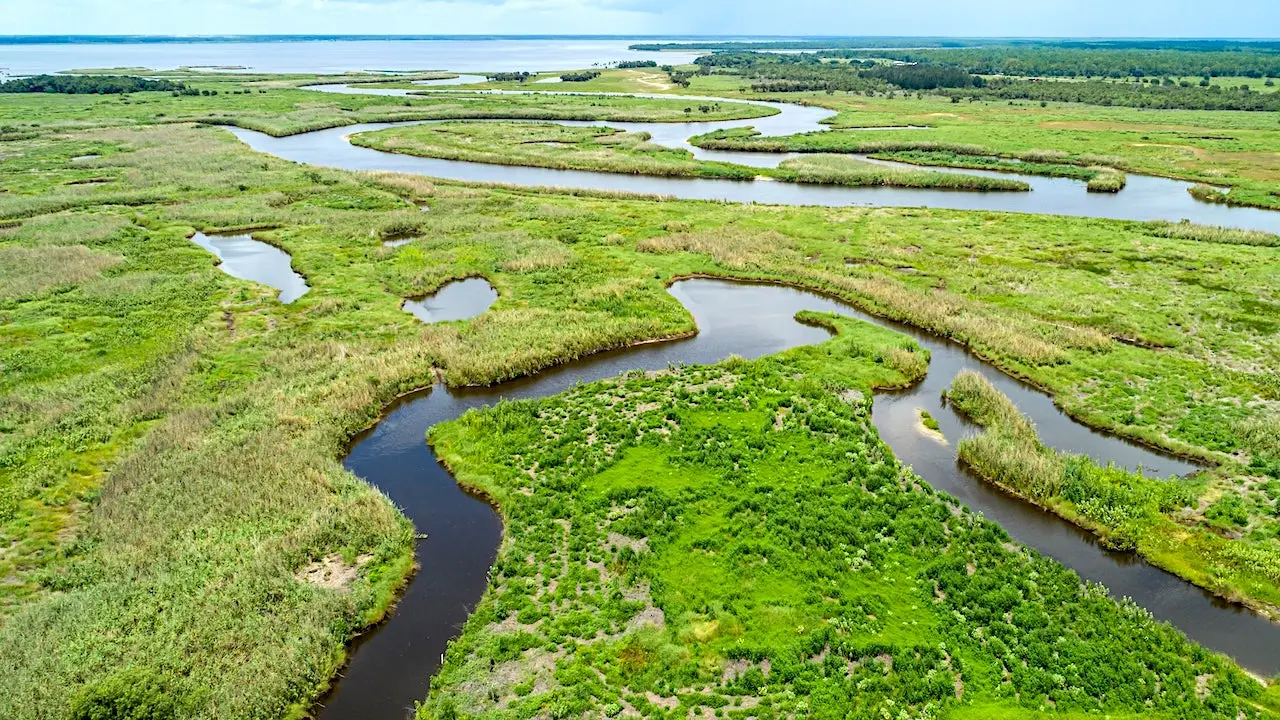
It was supposed to be a peaceful, sun-drenched Sunday afternoon under the sprawling canopy of the Little Big Econ State Forest in Central Florida, where a 31-year-old woman stood with her friends, eagerly anticipating a refreshing dip in the slow-flowing, amber waters of the Econlockhatchee River. The river, famous for its winding pathways and bordered by ancient, moss-draped oaks and towering pines, has long been a favored refuge for local residents seeking a quiet escape from the oppressive summer heat, but on this tragic afternoon, the tranquil setting shattered into an unimaginable nightmare. Mid-swim, amidst the sound of laughter and gentle splashing, a massive alligator struck with terrifying, silent speed from the murky depths, dragging the young woman into a violent, desperate struggle that ultimately resulted in the horrific loss of her arms. The sheer panic and chaos of those terrifying moments were captured in a gut-wrenching 911 call placed by a frantic companion, whose voice trembled with raw, breathless terror as they begged dispatchers to send emergency help, screaming that their friend had been severely bitten by a gator, was losing a massive amount of blood in the deep forest, and desperately needed immediate medical intervention. Emergency responders from multiple local agencies rushed toward the remote Barr Street Trailhead, navigating the dense pine flatwoods and challenging terrain to reach the critically injured swimmer, but despite their swift arrival and a high-priority airlift to a nearby trauma center, the physical trauma proved too severe, and she tragically passed away from her injuries. This sudden, violent loss has sent shockwaves through the close-knit Central Florida community, serving as a grim, heartbreaking reminder of the sheer, unpredictable power of nature that exists just beyond the edges of human leisure, transforming a beautiful afternoon of friendship into a profound, haunting tragedy.
Following the heartbreaking loss of the young woman, a heavy cloud of solemn mourning and disbelief settled over the surrounding communities, prompting deeply compassionate responses from wildlife officials, neighbors, and strangers alike who are struggling to comprehend the sheer suddenness and brutality of the incident. The Florida Fish and Wildlife Conservation Commission (FWC) formally expressed its deepest, most heartfelt sympathies to the grieving family and loved ones of the victim, publicly acknowledging the immense emotional devastation of a life cut so tragically and violently short. In the immediate hours following the attack, the normally quiet, scenic riverbank of the Econlockhatchee was transformed into a bustling hub of intense agency activity, with FWC officers, deputies from the Seminole County Sheriff’s Office, and a specialized, state-contracted nuisance alligator trapper working in unison to secure the perimeter. The atmosphere along the river was thick with anxiety as search teams slowly patrolled the dark, winding waterway, meticulously scanning the deep pockets and weeded shorelines under the hot sun, determined to locate and permanently remove the specific alligator responsible for the fatal attack to ensure public safety. This high-stakes, emotionally heavy operation highlights the incredibly difficult and dangerous work that wildlife management teams must undertake when the natural hunting instincts of apex predators clash violently with human recreation. For local residents who have long walked the Barr Street Trailhead, the sight of flashing emergency lights reflected off the quiet, dark water has sparked a profound, somber dialogue about the fragile boundary between modern life and Florida’s untamed wilderness, leaving a community united in both fear and a lingering sorrow for a life lost far too soon.
The fatal tragedy on the Econlockhatchee River was not an isolated incident, but rather the most devastating moment in a deeply concerning and unprecedented series of alligator encounters that unfolded across Central Florida within a single, alarming week. Just twenty-four hours before this deadly attack, a young child experienced a terrifying ordeal while fishing from the shoreline at Nelson Fish Camp near Umatilla in Marion County, illustrating how quickly a safe, quiet family outing can turn into a life-threatening crisis. In an instant, an alligator lunged forward, biting the child on the hand before retreating back into the water, triggering a frantic rush to the hospital for emergency medical treatment and prompting FWC officers to immediately launch a targeted hunt that resulted in the capture and euthanasia of an imposing eight-foot, seven-inch alligator. Merely a week prior to that frightening event, yet another dangerous encounter occurred in Marion County when a snorkeler swimming in the clear, spring-fed waters of the Rainbow River was bitten by an alligator, causing local authorities to temporarily shut down the popular public waterway to prevent further injury. Broward and Marion county deputies, alongside FWC officials, conducted a sweeping search of the clear river, eventually locating and removing an eight-foot alligator so the waterway could safely reopen, while the injured snorkeler was fortunately treated and released from medical care. This rapid, highly unusual succession of close-range attacks has placed the entire region on a state of high alert, creating an underlying atmosphere of caution and vulnerability among locals who realize that these ancient reptiles are exhibiting bold, territorial behaviors in areas heavily trafficked by people.
While serious injuries and fatalities resulting from alligator encounters remain statistically rare, the reality of living in Florida requires an ongoing, honest recognition that human development, tourism, and outdoor leisure are deeply intertwined with the natural habitats of approximately 1.3 million wild alligators. These prehistoric, resilient predators reside in all 67 counties of the Sunshine State, inhabiting virtually every freshwater lake, slow-flowing river, marshy swamp, and neighborhood drainage canal, making the complete avoidance of their habitat an absolute impossibility for residents and tourists alike. State wildlife experts explain that alligators become significantly more active, visible, and naturally aggressive during the spring and early summer months, which directly coincide with their annual courtship and mating seasons. During this warm-weather biological cycle, male alligators frequently travel long distances away from their normal territories in search of mates, while nesting females become fiercely protective of their territory, leading to a predictable rise in defensive behaviors and territorial disputes. Unfortunately, this peak in natural wildlife activity directly overlaps with the exact season when beautiful weather coaxes millions of people, families, and enthusiastic swimmers outdoors to enjoy the water, creating an inevitable, highly active convergence that drastically increases the probability of accidental encounters. By fostering a deeper understanding of these seasonal biological shifts, communities can learn to navigate their shared environments with a healthy sense of boundaries and respect, recognizing that the waters we use for weekend recreation are, first and foremost, the critical habitats where these powerful creatures have lived and successfully hunted for millions of years.
At the heart of preventing these dangerous encounters is a critical need to address how human behaviors directly and negatively alter wildlife dynamics, particularly through the highly dangerous and strictly illegal practice of feeding alligators. The FWC continually emphasizes that when individuals feed these wild reptiles—whether intentionally by throwing bread or scraps to get a closer photo, or unintentionally by leaving discarded fish bait on docks and shorelines—they strip the animals of their natural, evolutionary fear of humans. Instead of slipping silently away into deeper waters when humans approach, a habituated alligator quickly learns to associate human presence with the availability of an easy meal, transforming a naturally cautious, hands-off predator into a bold, bold competitor that actively approaches shorelines, docks, and backyards. This profound psychological shift in the animal’s behavior turns it into what wildlife officials designate as a “nuisance alligator,” a classification that sadly seals the animal’s fate, as these conditioned creatures can no longer be safely relocated and must instead be permanently removed from the wild and euthanized. It is a deeply frustrating and bittersweet reality that many of the high-stakes situations requiring the intervention of state-contracted trappers are entirely preventable, stemming from a lack of public awareness regarding the severe consequences of thoughtless human-wildlife interactions. Protecting these ancient creatures, as well as keeping our families and community members safe, requires a collective commitment to keeping wild animals wild, acknowledging that a single, careless act of feeding can easily set off a tragic chain of events that ends in human loss and the destruction of wildlife.
To encourage a safer, more sustainable coexistence between Florida’s rapidly growing human population and its native wildlife, the FWC actively coordinates the Statewide Nuisance Alligator Program (SNAP) to systematically address community fears and defuse potential hazards before they escalate into tragedies. Through a dedicated, toll-free hotline at 866-FWC-GATOR, residents are empowered to report any alligators that appear unusually large, bold, or overly comfortable near residential areas, allowing state officials to promptly dispatch professional, contracted trappers to resolve the situation. Alongside this vital reporting system, wildlife officials advocate for several simple, life-saving safety practices that everyone should adopt when living or playing near the water, such as keeping a strict, respectful physical distance from any shoreline and keeping beloved pets on short leashes, as domestic animals closely resemble the natural prey of large, opportunistic reptiles. Furthermore, the public is strongly cautioned to swim only during daylight hours and strictly within designated, clearly marked swimming areas, completely avoiding the water during dusk, dawn, and nighttime hours when alligators are naturally most active and their predatory instincts are at their sharpest. Ultimately, as the regional community mourns the tragic loss of the young woman at the Econlockhatchee River and hopes for the full recovery of those recently injured, we are reminded that successfully sharing a landscape with prehistoric predators demands more than just casual awareness; it requires a deep, abiding pact of mutual respect, vigilant caution, and a profound appreciation for the wild beauty of the natural world.