


Thirty years ago, long before the internet became the lifeblood of global commerce, a small band of ambitious University of Washington students gathered in Seattle with a dream that had absolutely nothing to do with enterprise security or application delivery. They wanted to build multiplayer online video games, hoping to capture the imaginations of a burgeoning generation of digital explorers. However, as they grappled with the sheer instability of the early web, they quickly realized that if they wanted their games—or any other digital experiences—to survive, they first had to solve a much more fundamental problem: keeping servers from crashing under the weight of sudden traffic spikes. This realization sparked one of the most remarkable and improbable pivots in technology history, transforming a struggling gaming startup into F5, a company that pioneered the load-balancing technology that essentially kept the early world wide web upright. Looking back at this three-decade legacy from F5’s headquarters, it is clear that the company’s survival has never been about standing still; rather, it has been defined by a relentless willingness to reinvent itself. Pivoting from video game development to high-stakes internet infrastructure was an incredibly risky bet, yet it laid the groundwork for a corporate philosophy that views constant change not as a threat, but as an absolute prerequisite for longevity in an industry that routinely discards the rigid.
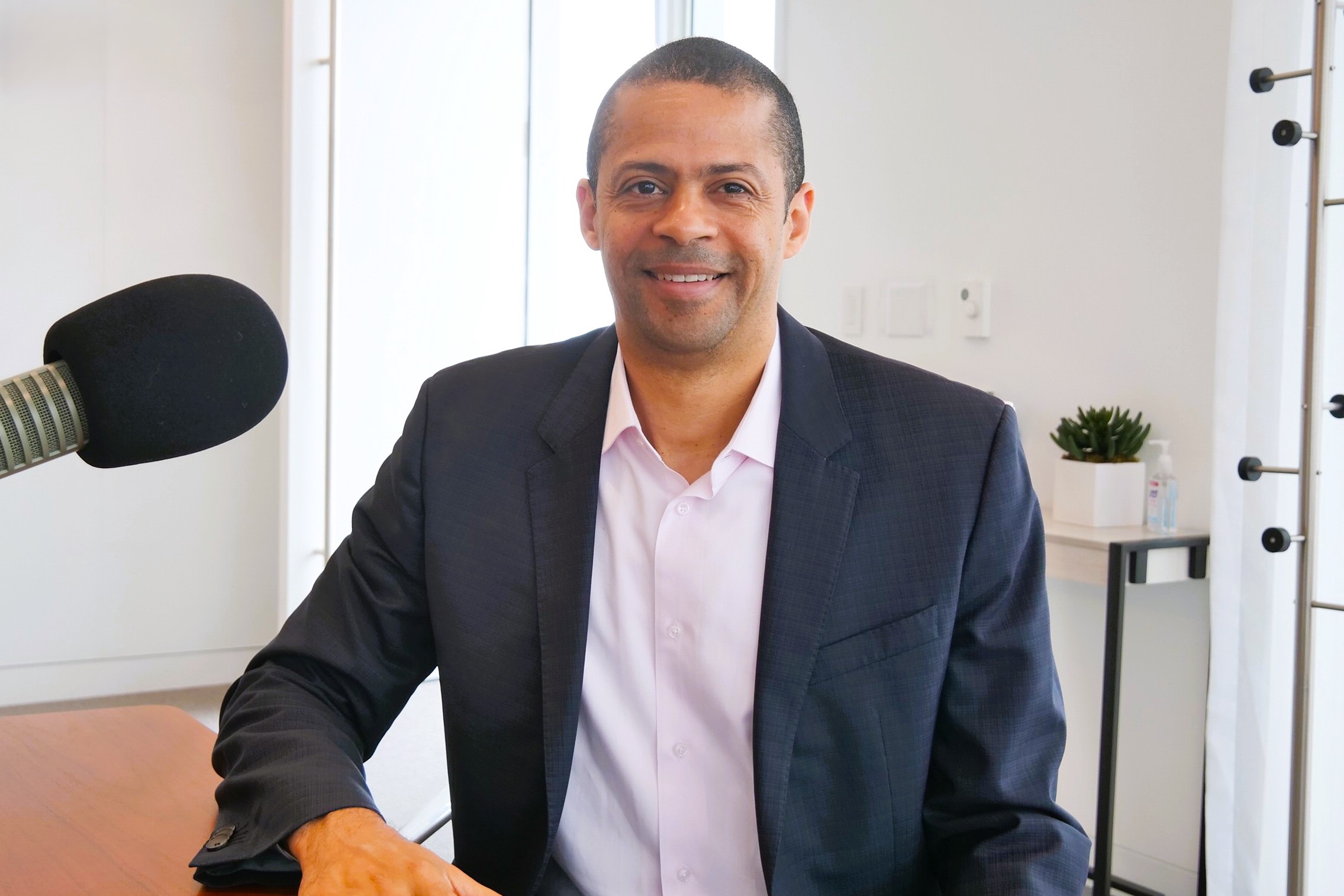
Today, that gamble has matured into a publicly traded powerhouse that quietly keeps the modern digital economy moving. Operating from the soaring heights of the F5 Tower in downtown Seattle, the company now employs approximately 6,500 people worldwide, generates more than $3 billion in annual revenue, and boasts a client list that includes over 80% of the Fortune 500. This massive scale was the focal point of a recent episode of the GeekWire Podcast, where host Todd Bishop sat down with F5’s Chairman, President, and CEO, François Locoh-Donou, to unpack how a company of this magnitude continuously evolves without losing its footing. For millions of people who log into their banking apps, stream media, or complete online purchases daily, F5 is the invisible shield operating behind the scenes, ensuring those applications remain fast, available, and secure. Over the years, the company successfully transitioned from selling physical, rack-mounted hardware appliances to delivering sophisticated, software-defined solutions across complex multi-cloud environments. This transition was not merely a technological upgrade but a complete cultural overhaul, proving that a legacy titan can successfully shed its old skin to remain indispensable to the world’s most demanding enterprises.
Now, as the technology sector stands on the precipice of the artificial intelligence revolution, F5 is aggressively embarking on its newest and perhaps most critical reinvention yet: securing the chaotic frontier of corporate AI deployment. During the podcast, Locoh-Donou illuminated a growing operational crisis that many enterprises are currently facing, which he terms the “AI visibility problem.” As organizations rush to adopt AI, they frequently deploy a dizzying array of autonomous agents, large language models, and external tools that fetch sensitive internal data from disparate, unmonitored silos. This unchecked sprawl makes it monumentally difficult for IT departments to understand which employees are interacting with what AI systems, and exactly what internal data those automated systems are accessing. Recognizing that corporate security teams cannot protect what they cannot see, F5 is building a comprehensive, unified AI security platform designed to handle the discovery, management, testing, and guard-railing of these intelligent systems. A cornerstone of this strategy was F5’s strategic acquisition of SurePath AI, a move designed to replace the fragmented, multi-tool approach that has become a nightmare for modern chief information security officers, bringing a single, cohesive layer of visibility and control to the wild west of corporate artificial intelligence.
The leadership driving this ambitious transformation is deeply rooted in Locoh-Donou’s unique administrative philosophy, which stands in stark contrast to the traditional, high-pressure environments of Silicon Valley. He openly rejects what he calls “north-south pressure”—the conventional management style where executive bosses squeeze their subordinates in a top-down hierarchy to force productivity and output. Instead, Locoh-Donou believes that true high-performance teams are built by first attracting exceptional talent, and then intentionally fostering an environment of psychological safety where employees develop a deep, unshakeable sense of self-belief. By cultivating an atmosphere where team members feel intrinsically valued and empowered to take calculated risks, the pressure to excel becomes an internal desire driven by personal pride and lateral accountability to their peers, rather than a fear of administrative retribution. This human-centric approach to leadership has proven vital as F5 navigates the high-stakes friction of restructuring its product lines and integrating new corporate acquisitions, showing that empathy and business agility can coexist harmoniously in a fast-paced market.
This philosophy is not just something Locoh-Donou read in a management textbook; it is forged from his own deeply personal and often lonely journey from Togo, West Africa, to the topmost echelon of the global tech sector. Reflecting honestly on his early days in the industry, he recalled the overwhelming sense of isolation and imposter syndrome he felt as a young Black engineer entering a corporate landscape where virtually no one looked like him or shared his background. In those formative months of his early career, his professional aspirations were far from climbing the corporate ladder; rather, his daily hope was simply to avoid getting fired, a survivalist mindset born from the heavy silence of feeling entirely out of place. This profound vulnerability makes his current position as the CEO of a multi-billion-dollar enterprise all the more remarkable, serving as a powerful reminder of how much resilience is required to pave a path where none previously existed. By sharing these memories, Locoh-Donou demystifies the executive suite, offering a raw and deeply human perspective on success that values perseverance, identity, and the quiet courage it takes to show up when you feel completely alone.
It was this very journey that fueled Locoh-Donou’s passion during a recent, moving event at the F5 Tower, where the company hosted a group of high school students from underrepresented communities before taking them to a highly anticipated World Cup soccer match. Standing before the young crowd, the CEO delivered a powerful, heartfelt message about belonging, urging them to realize that the technology industry is their home, too, even if they do not spend their days writing code or have family members who work in corporate offices. He wanted them to understand that their unique perspectives, voices, and life experiences are precisely what the tech sector lacks and desperately needs to build a more equitable, innovative future. Navigating the intersection of global business, technological innovation, and social responsibility, F5 is marking its 30th year not just by celebrating historical milestones or predicting sports tournament outcomes, but by actively opening its doors to the next generation. As the company marches into the future, its ongoing legacy will be measured not only by the applications it secures or the AI systems it tames, but by the lives it inspires and the diverse pathways it paves for the future.