


The devastating reality of modern healthcare fraud is rarely just about numbers; it is about the real, vulnerable people left in its wake. Imagine being an elderly citizen or a person living with a disability, opening your mailbox on a quiet afternoon only to find an confusing Explanation of Benefits form from Medicare. The paperwork claims you have received expensive durable medical equipment—such as urinary catheters—that you never requested, never saw, and certainly never needed. For thousands of Americans, this bewildering moment was the first indication of a massive, heartless pipeline of deceit. The Medicare system, designed as a compassionate safety net for the country’s most vulnerable, has long been a target for exploitation. But a recent federal crackdown in New Hampshire has pulled back the curtain on a staggering $3 billion international conspiracy, proving that what begins as a quiet moment of confusion at a kitchen table can lead directly to the shadowy world of global organized crime.
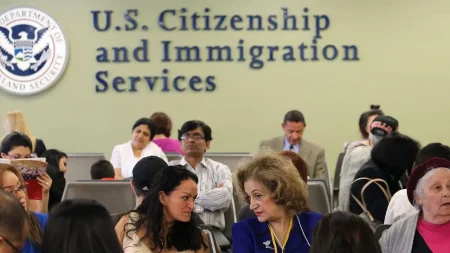
At the most local level, this betrayal of public trust assumed deeply personal and intimate forms. Consider the case of 76-year-old Fructoso de Jesus Gomez Agudelo of Nashua, New Hampshire. For over two decades, Agudelo allegedly lived a completely fabricated life, wearing another U.S. citizen’s identity like a stolen coat. The human toll of identity theft is profound, leaving victims to watch helplessly as their personal histories are hijacked, manipulated, and monetized. Over twenty years, Agudelo is accused of using this stolen persona to siphon more than $500,000 from crucial public assistance programs, including Medicare, Medicaid, housing assistance, and food stamps (SNAP). This was not merely a financial crime; it was a slow, twenty-year erasure of another human being’s identity, exploiting the very systems established to keep the impoverished and sick from falling through the cracks of society.
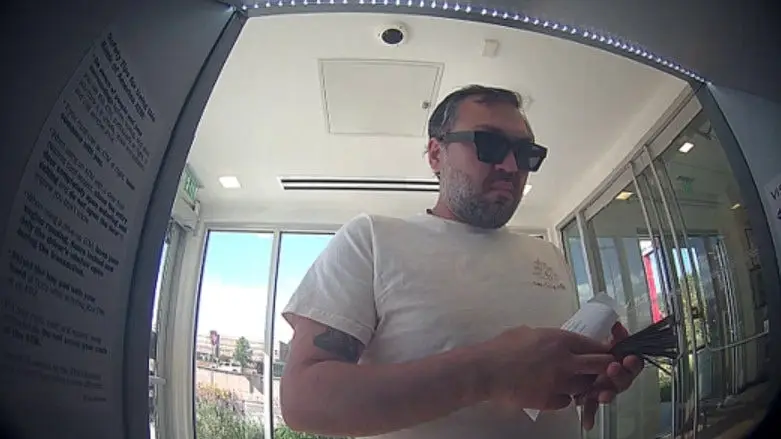
While Agudelo allegedly worked his quiet deception in Nashua, a much larger, highly coordinated transnational pipeline was moving millions of stolen dollars through local bank branches. Federal prosecutors recently charged Kakha Bendeliani, 48, and Goga Danelia, 31, both originally from the country of Georgia, for their roles in laundering the proceeds of this massive $3 billion catheter billing scam. On paper, it is a story of corporate shell companies and international wire transfers, but the human reality of their partnership was one of profound dependency and manipulation. Bendeliani, who spoke very little English and did not know how to drive, was entirely reliant on the younger Danelia. To navigate the complex, unfamiliar landscape of American financial institutions, Bendeliani required Danelia to act as his chauffeur, his translator, and his administrative guide, transforming a global criminal conspiracy into a highly personal, two-man road trip across New England.
Together, the duo allegedly operated as the foot soldiers for a ruthless Russian transnational criminal organization, utilizing a front company called Centennial Med Supply LLC to hide their tracks. Bendeliani acted as the “nominee owner,” allowing his personal information to be used to establish bank accounts across six different American financial institutions. Danelia was by his side every step of the way, helping him open these accounts, draft cashier’s checks, and move stolen fortunes into secondary accounts before wiring them securely offshore. In total, Bendeliani allegedly managed to withdraw and transfer more than $12.5 million in fraudulent Medicare payouts. This stolen money, which was diverted from a fund meant to provide actual medical care to suffering Americans, was quietly sent to overseas accounts, demonstrating how easily international syndicates can exploit local banking systems to fund their operations.
Perhaps the most visceral and immediate betrayal detailed by prosecutors occurred not in a corporate boardroom or a bank lobby, but behind the counter of a local pharmacy. Rima Gerges-Maalouf, a 60-year-old pharmacist from Massachusetts, allegedly turned her position of ultimate trust into a desperate, personal hunting ground for narcotics. While working as a temporary, per diem pharmacist in New Hampshire, Gerges-Maalouf did not simply steal medication; she allegedly engaged in the incredibly dangerous practice of opening prescription capsules, siphoning out the active powder medication inside, and attempting to put them back together. Federal investigators accuse her of consuming these stolen, controlled substances while actively on duty, responsible for dispensing medication to sick patients. By allegedly tampering with 147 doses of medication in a single month, she left unsuspecting, vulnerable patients with diluted or entirely empty treatments, highlighting the devastating intersections of professional malpractice, drug addiction, and patient endangerment.
Today, as federal prosecutors piece together these disparate yet deeply interconnected schemes, the communities involved are left to grapple with the sheer scale of the deception. All four individuals now face the very real prospect of spending the rest of their lives behind bars, with potential prison sentences spanning decades if they are convicted. US Attorney Erin Creegan noted that these charges expose the staggering scale of fraud that transnational organizations are willing to inflict on our healthcare infrastructure. But for the everyday citizens—the confused elderly patients, the victims of identity theft, and the sick patrons who relied on their neighborhood pharmacist for healing—the true cost of these crimes cannot be measured solely in stolen billions. It is measured in the slow, painful erosion of trust in the very institutions, safety nets, and medical professionals that are supposed to keep us safe.