


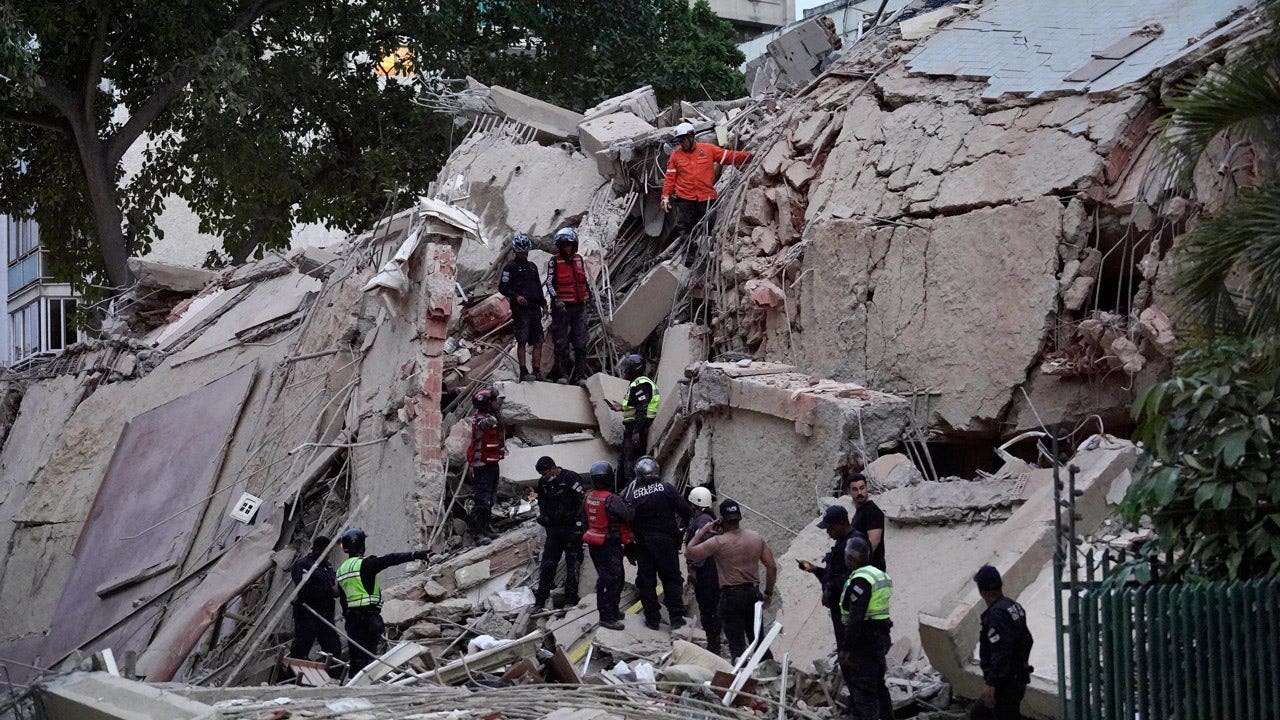
It was a seemingly ordinary Wednesday evening in Venezuela when the earth violently convulsed, shattering the peaceful routines of millions and instantly plunging the nation into a state of profound terror and chaos. At precisely 6:04 p.m. Eastern Time, a massive magnitude 7.2 earthquake tore through the earth’s crust, with its epicenter located roughly 15 miles east-northeast of San Felipe. Before residents could even comprehend the disaster, find shelter, or reach out to grasp the hands of their terrified children, a second, even more catastrophic magnitude 7.5 earthquake struck just 39 seconds later, centered about 14 miles southeast of Yumare. This rapid, unprecedented double-strike unleashed an unimaginable wave of destruction across the country, vibrating deep into the capital city of Caracas and sending shockwaves that would be felt for hundreds of miles. In a vivid testament to the suddenness of the event, a local professional baseball game descended into utter panic as players and thousands of fans fled the stadium in fear for their lives, running onto the open field as the towering stadium lights swayed ominously overhead and the ground beneath them rolled like ocean waves. For a nation historically unaccustomed to seismic events of this sheer magnitude, this was not just a natural disaster; it was a deeply traumatizing collective experience that immediately transformed familiar streets, homes, and public spaces into active zones of survival, dust, and ruin.
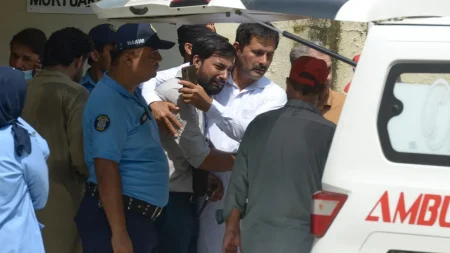
In the agonizing hours that followed, as the dust-choked air began to settle over crumbling high-rises and shattered neighborhoods, the devastating human cost of the twin quakes slowly began to emerge. Interim President Delcy Rodríguez, thrust into the epicenter of a domestic crisis, stepped before national television cameras to officially declare a state of emergency as rescue operations commenced in total darkness. In a highly emotional address, Rodríguez delivered the first official, heartbreaking casualty figures to a grieving nation, announcing that at least 32 people had tragically lost their lives and more than 700 others had sustained severe injuries, with those numbers expected to rise as rescuers dug through the concrete rubble. But these figures, as stark and terrifying as they are, represent a deeply human tragedy—of parents desperately searching for their children in collapsed bedrooms, of neighbors using their bare hands to pull survivors from the wreckage, and of families sleeping on cold sidewalks out of fear that the near two dozen aftershocks would bring down whatever structures remained standing. Rodríguez’s speech was a passionate appeal to the very soul of the country, fiercely urging her traumatized citizens to remain calm, avoid panic, and stand together in a spirit of absolute national unity and mutual support during one of the darkest chapters in modern Venezuelan history.
The profound gravity of the situation in Venezuela quickly captured the attention of the international community, prompting an immediate, highly empathetic response from across the hemisphere, most notably from U.S. President Donald Trump. Reflecting on the disaster via his Truth Social platform, Trump expressed deep sorrow and concern for the affected populace, noting that the “massive” scale of the two powerful earthquakes had resulted in a “devastating number of deaths” among a population he described as the “great people of Venezuela.” In a highly symbolic post, Trump emphatically declared that the United States was entirely prepared, willing, and able to assist Venezuela in its hour of desperate need, revealing that he had already issued directives to all relevant U.S. federal agencies to mobilize resources and move quickly to provide humanitarian relief. “We will be there for our new and great friends,” Trump wrote, signaling a remarkable and compassionate pivot in relations during a period of immense geopolitical transition. His words carried a powerful message of hope and solidarity, reminding the world that when massive natural disasters strike and innocent human lives hang in the balance, political divides and historical grievances must be cast aside in favor of immediate, life-saving international cooperation.
Following this directive from the highest levels of American leadership, the diplomatic and humanitarian machinery of the United States government swung into rapid action to organize a massive relief effort for the stricken South American state. U.S. Deputy Secretary of State Christopher Landau took to social media to reassure both the Venezuelan public and the global community that American officials were in direct contact with local Venezuelan authorities and were actively coordinating life-saving aid, medical supplies, and search-and-rescue assets. At the same time, the State Department’s Bureau of Western Hemisphere Affairs released a formal statement expressing deepest condolences to the victims and their families, reiterating the unwavering commitment of the United States to stand beside the Venezuelan people through every step of this long, arduous path to recovery. Amid the complex logistics of dispatching emergency cargo, water purification systems, and technical experts to a structurally compromised nation, the U.S. government also took swift measures to protect its own citizens currently residing in or traveling through Venezuela, urgently advising them to register with the Smart Traveler Enrollment Program (STEP) and closely monitor embassy social media feeds and communications for critical safety updates in a rapidly evolving post-disaster landscape.
To fully comprehend the sheer scale of the devastation, scientists and emergency planners pointed to the alarming technical data and rare warnings issued by the U.S. Geological Survey (USGS). In a highly unusual move reserved strictly for the world’s most catastrophic seismic events, the USGS issued a “red alert” statement, noting that extremely high casualties and extensive, widespread regional damage were highly probable. The geological mechanics of the twin earthquakes were uniquely destructive: because the magnitude 7.5 quake occurred a mere 39 seconds after the initial 7.2 tremor, buildings, bridges, and critical infrastructure that had already been structurally compromised and weakened by the first massive shock had virtually no time to stabilize before being subjected to an even stronger wave of violence. This catastrophic compounding effect turned sturdy concrete structures into deadly traps, severed vital water lines, collapsed power grids, and cut off key transportation arteries, leaving entire communities isolated from emergency medical services. The scientific data highlights a brutal physical reality: millions of citizens were left without electricity, communication, or shelter, forced to navigate a pitch-black night punctuated by the terrifying, low-frequency rumbles of major aftershocks that regularly sent people running back into the streets in absolute panic.
Ultimately, this catastrophic event is a testament to the enduring strength, resilience, and unyielding spirit of the human heart when confronted with nature’s most destructive forces. As international rescue teams begin to arrive and medical supplies are distributed to overwhelmed hospitals, the story of this disaster is being written by the ordinary citizens of Venezuela: the neighbors who formed human chains to clear heavy debris, the local doctors who worked tirelessly by flashlight to treat the wounded, and the total strangers who shared their meager supplies of food and clean water. The road to physical and emotional recovery will undoubtedly be long, complex, and fraught with immense economic and structural challenges, requiring a sustained, compassionate commitment from the global community to help rebuild shattered neighborhoods and heal a traumatized populace. Yet, amidst the profound grief of losing loved ones and watching their homes turn to dust, the people of Venezuela have shown light in the darkness, demonstrating an inspiring capacity for unity, love, and courage. Supported by the promise of international aid and the warmth of global solidarity, Venezuela begins the monumental task of rebuilding, proving that while earthquakes can shake the very foundations of the earth, they can never shatter the collective resolve of a united people determined to rise again.