


The vibrant, electric atmosphere of Kansas City, Missouri, was supposed to be defined by global unity and athletic celebration as sports fans from across the world descended upon the region for the eagerly anticipated FIFA World Cup matches at Arrowhead Stadium. Instead, a sudden and terrifying wave of violence shattered this festive dream, turning a major regional transit artery into a corridor of pure dread. Along Interstate 70, just a few miles from where thousands of soccer enthusiasts were cheering for their favorite teams, an unseen sniper began targeting unsuspecting motorists in a series of random highway shootings. For those traveling along the highway, the ordinary routine of a daily commute or a rideshare trip was abruptly transformed into a nightmare; in one particularly harrowing incident, an Uber driver transporting soccer fans was struck by gunfire, leaving the vehicle’s occupants terrified, injured, and stranded in a chaotic scene of shattered glass and blood. This wave of half a dozen shootings ultimately claimed one innocent life, left several others with severe injuries, and cast a long, suffocating shadow of fear over the entire metropolitan area, forcing local families and visiting tourists alike to confront the terrifying reality of a random, faceless threat lurking on the very roads they relied upon.
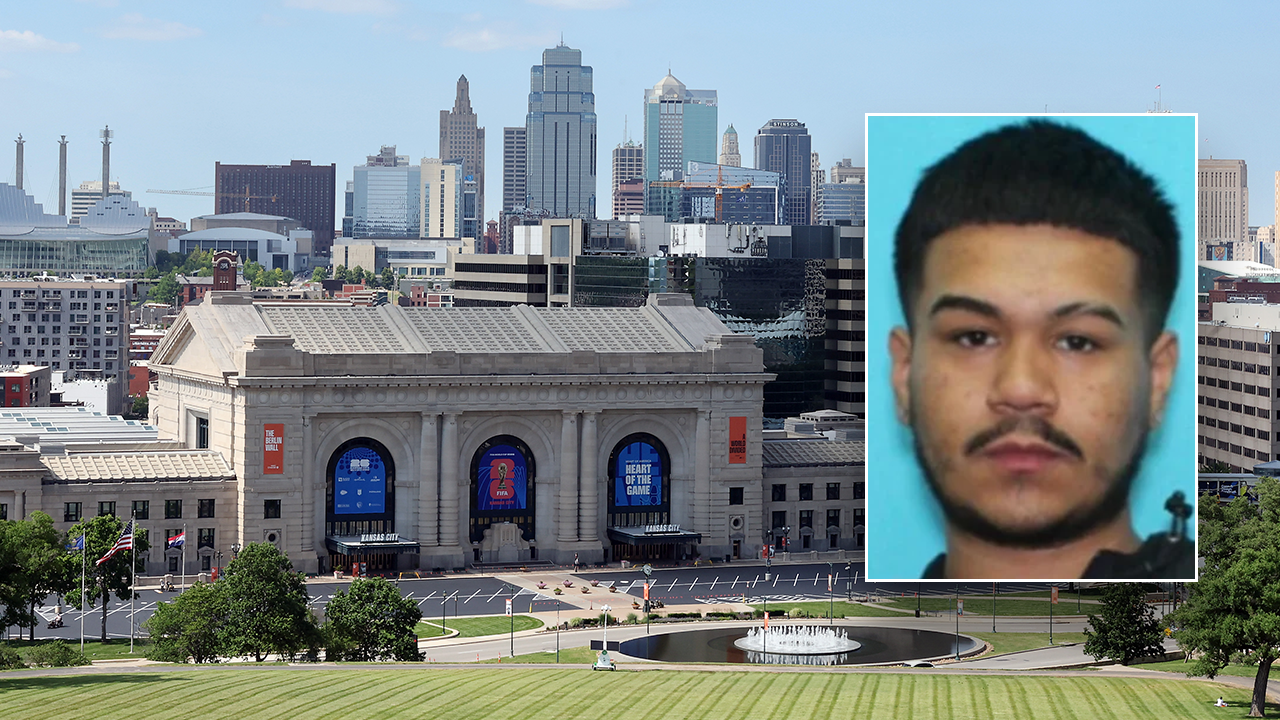
As the scope of the highway attacks became alarmingly clear, law enforcement agencies mobilized a massive, high-stakes manhunt to capture the prime suspect, identified as 22-year-old Oscar Sanchez-Munoz. The sheer scale of the threat prompted an unprecedented level of cooperation among local police departments, state troopers, and federal partners, with the Federal Bureau of Investigation taking a prominent role in the hunt. In an effort to crowdsource critical information and bring an end to the terror, the FBI publicized a substantial $25,000 reward for any tips leading to his arrest, accompanied by urgent, widespread warnings to the public that Sanchez-Munoz was highly unpredictable, heavily armed, and extremely dangerous. For several agonizing days, the suspect’s face was plastered across television screens, social media feeds, and highway billboards, turning Jackson County into a landscape of hyper-vigilance where every driver looked warily at passing vehicles and overpasses. The psychological toll on the community was immense, as the collective anxiety of an active sniper on the loose disrupted normal commerce, altered travel routes, and placed immense pressure on investigators who were working around the clock to prevent another devastating strike.
The pursuit of Sanchez-Munoz reached a dramatic and violent peak in the nearby community of Independence, Missouri, where tactical teams finally tracked the young suspect to a residential home, triggering a tense, hours-long overnight standoff. As armored vehicles surrounded the property and negotiators attempted to coax the suspect out, the situation escalated catastrophically when a fast-moving fire broke out within the structure, engulfing the house in flames and sending thick, black smoke billowing into the night sky. Once the fire was eventually brought under control by emergency crews, the property was left as a charred, structurally compromised ruin, presenting a logistical nightmare for the investigators and K-9 units tasked with searching the debris for any sign of Sanchez-Munoz. In the immediate aftermath, law enforcement teams repeatedly combed through the highly hazardous site, but their efforts were severely hampered by a partial collapse of the building’s infrastructure, an immense accumulation of water from fire hoses that flooded the basement, and a dense, chaotic layer of personal clutter and burnt household items. Despite utilizing advanced search techniques and trained recovery dogs, officials were initially unable to find any physical trace of the suspect, leaving a lingering, agonizing uncertainty over whether he had somehow slipped through the tight security perimeter during the chaos of the fire or was lying dead beneath the rubble.
In a deeply poignant and tragic turn of events, the definitive resolution to this multi-agency manhunt did not come from high-tech police surveillance or specialized search-and-rescue teams, but from the raw, agonizing persistence of Sanchez-Munoz’s own family. Caught in the devastating crosscurrents of maternal and familial love, grief, and the public shame of their relative’s alleged crimes, the family returned to the ruins of the burned Independence home several times in the days following the standoff, driven by a desperate need for answers that the official investigation had yet to provide. On a Wednesday afternoon, as they manually cleared heavy, soot-stained debris and navigated the waterlogged, unstable basement, they were suddenly overwhelmed by a distinct, unmistakable odor of human decomposition. Digging deeper into the piles of clutter and fallen building materials that had successfully shielded the body from police search dogs, they discovered the badly decomposing remains of a young man. At approximately 2:00 p.m., crushed by the weight of their grim discovery, the family made the heartbreaking call to local police, bringing a sorrowful and deeply personal end to a search that had captivated and terrified the entire state.
Following the family’s shocking notification, police officers and forensic investigators rushed back to the Independence property to secure the scene, transitioning the active manhunt into a somber recovery and verification operation. While officials have noted that a formal identification and an official cause of death must still be determined by the regional medical examiner, investigators are currently operating under the firm assumption that the deceased individual is indeed Oscar Sanchez-Munoz, noting that the clothing found on the decomposing body precisely matches the attire worn by the shooter during last week’s highway attacks. This grim discovery posthumously validated the earlier public assessments of acting U.S. Attorney General Todd Blanche, who had openly speculated that the fugitive gunman had likely perished within the burning residence during the chaotic height of the tactical standoff. For the local police department and their federal partners, the discovery brought a complicated mix of relief and solemn reflection, as they had to reconcile how their own exhaustive, repetitive searches of the flooded, cluttered basement had managed to overlook the very suspect they had spent days hunting.
With the recovery of the body and the presumed end of the terrifying highway threat, the community of Kansas City can finally exhale and begin the slow, necessary process of healing and restoring its public sense of security. Authorities have formally assured residents and international visitors that there is no longer any active danger to the public, allowing the shadows of fear that hung over the World Cup festivities and the local interstate system to finally dissipate. Though the physical and emotional scars of this random violence will take a long time to fully fade, there is a profound sense of comfort in the news that all the surviving victims of the shooting spree—including the courageous Uber driver who was caught in the line of fire—are expected to make complete physical recoveries. Ultimately, this harrowing chapter serves as a sobering reminder of the fragile nature of safety in public spaces and the devastating ripple effects of violence, leaving a city to rebuild its peace of mind while a grieving family quietly mourning the tragic, self-destructive end of a young life buried in the ruins of a burned home.