


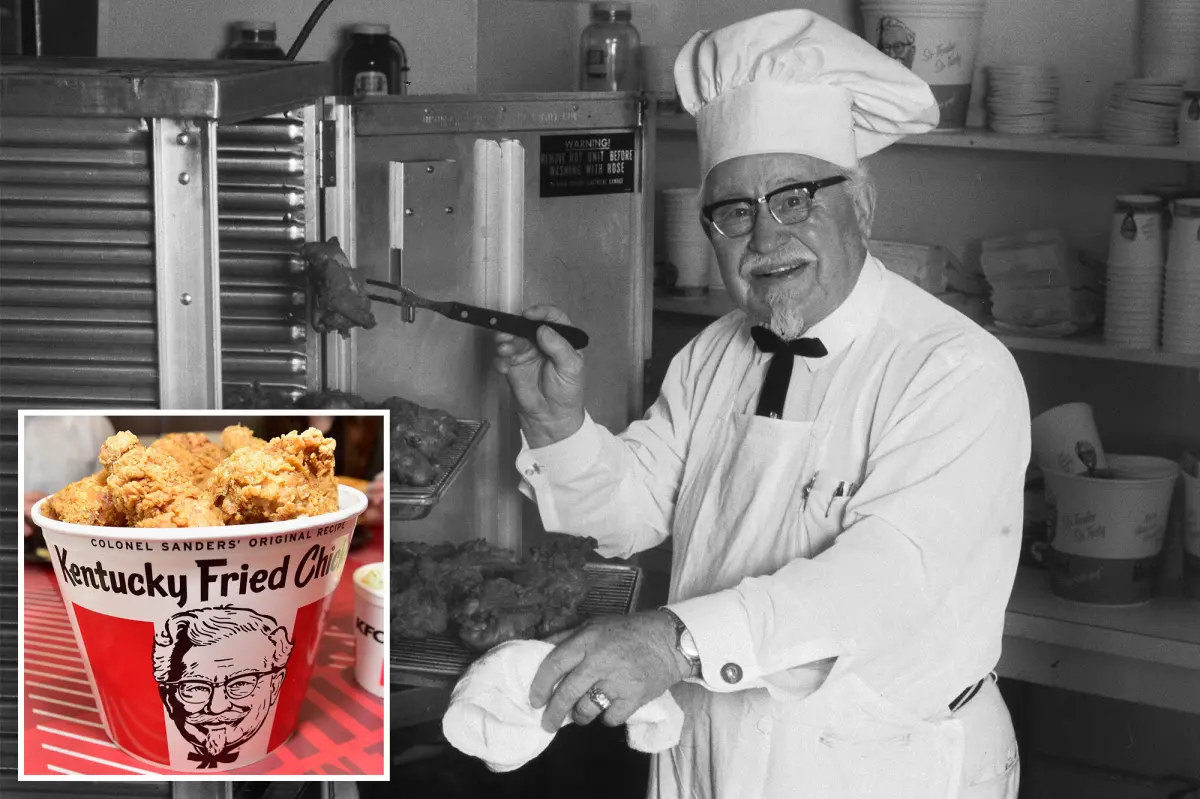
Long before he became an internationally recognized corporate trademark plastering roadside billboards and cardboard buckets around the globe, Colonel Harland Sanders was a real flesh and blood human being who cared passionately about the simple craft of cooking good food. His long journey from a humble gas station kitchen in Corbin, Kentucky, to pioneering one of the most successful franchise empires in history remains a classic American tale. In nineteen sixty four, Sanders made the fateful decision to sell his beloved chicken empire to a group of ambitious investors for two million dollars. It was a massive sum for the era, but for a perfectionist like the Colonel, relinquishing ownership did not mean relinquishing his deep emotional connection to the brand. He remained the public face of Kentucky Fried Chicken, dressed always in his iconic white suit, black string tie, and pristine white goatee. However, this arrangement created a fascinating, high stakes battle of corporate versus culinary philosophies. To the board of directors, the recipe was a highly profitable formula designed for maximal efficiency, high speed output, and low overhead costs. To Sanders, the preparation of food was a sacred covenant between the cook and the ultimate customer. As the new corporate management began to streamline operations and alter preparation methods to save pennies per bucket, the Colonel grew increasingly horrified. He did not retire quietly into the sunset; instead, he traveled the country visiting various franchise locations, acting not as a submissive public relations symbol, but as a fierce, unpredictable, and devastatingly honest food critic of his own namesake restaurants. He made it his personal mission to hold the corporation accountable, refusing to let them tarnish the legendary legacy he spent a lifetime building through hard sweat, long hours, and a relentless commitment to genuine quality. He believed that the food served under his image should always represent the highest standard of hospitality and culinary pride, regardless of who owned the corporate stock or controlled the board of directors in the end.
Of all the operational changes implemented to maximize profit margins, none broke the Colonel heart quite like the systematic ruin of his legendary gravy. To a traditional Southern cook, gravy is not merely an afterthought or a cheap dipping sauce; it is the spiritual soul of the entire meal, requiring patience, slow cooking, and authentic culinary technique. Sanders original recipe was a labor of love that utilized the rich, flavorful drippings left behind in the pressure fryers, combined with cracklings, milk, cream, and a precise seasoning blend. It was thick, complex, and deeply satisfying. Yet, as the franchise expanded exponentially, the corporate executives realized that making authentic gravy from scratch at thousands of individual locations was far too labor intensive and unpredictable; they decided to streamline the process, replacing the traditional preparation methods with a highly standardized, powdered recipe designed to be quickly mixed with boiling water. This corporate pivot represented the ultimate betrayal to Sanders. He viewed the new, chemically modified starch based concoction as a direct insult to the art of cooking, famously comparing the modern texture and taste to wallpaper paste. He lamented that the company was essentially buying cheap tap water for pennies, mixing it with flour and starch, and passing it off as a gourmet side dish to an unsuspecting public. For Sanders, this was a major moral crisis, as he passionately argued that the new industrial formulation possessed absolutely no nutritional value and was a massive disservice to the families who trusted his face on the box. He felt that using his likeness to sell such a compromised item was dishonest, eroding the trust he had established with his customers over decades of hard labor. This deep culinary desecration set him on a collision course with the very brand he had spent his entire adulthood establishing, showing that his love for honest food was far greater than any desire for corporate harmony or financial peace in his remaining days on this earth as a retired pioneer cook.
The direct friction between the legendary founder and corporate executives finally reached its definitive boiling point during nineteen seventy eight in a remarkably candid interview with the Louisville newspaper known as the Courier Journal. Sanders, who was never one to bite his tongue for the false sake of public corporate relations, let loose a scathing critique that sent shockwaves through the fast food landscape. With raw honesty, he famously declared that the gravy was absolutely horrible, signaling to people everywhere that he refused to act as a silent mascot for a product he could no longer support. He walked the interviewer through the cheap steps that had replaced his slow cooked masterpiece, explaining how they made a bland, pasty imitation of his original vision. This public denunciation was completely unprecedented in business history. Here was the living, breathing icon of a massive global brand telling the public they were buying an inferior, nutritionless product. His blunt, fearless words transformed him from a simple commercial character into a genuine folk hero for food quality, proving that his personal values were not for sale at any price. He passionately argued that the new chemical formulation possessed no real health benefits and that a company should not even be legally allowed to sell such a diluted shadow of his authentic recipe. To Sanders, the gravy had become a symbol of corporate greed, where quality was systematically traded for higher profit margins, leaving customers with nothing but a packet of warm starch. This interview cemented his reputation as a rebel who cared more about the digestion of his patrons than the stock price of the company, showing the world that even in old age, his sharp wit and high standards remained fully intact and dangerous to the executive offices who sought only to exploit his name without honoring the actual standards of excellence he had spent decades carefully developing in his small kitchens across the heartland of America for the working class citizens of this vast nation.
This public crusade against his own brand was not without serious, real world consequences, culminating in an extraordinary legal showdown that highlighted the deep modern chasm between raw corporate interests and personal freedom of expression. Horrified by the negative economic publicity generated by the founder comments, a specific Kentucky Fried Chicken franchise based in Bowling Green, Kentucky, took the extreme step of filing a million dollar defamation lawsuit against Sanders and the newspaper publisher that dared print his scathing remarks. The local franchise owners passionately argued that the Colonel harsh comparisons directly damaged their business reputation, confused local consumers, and alienated their loyal regional customer base who had previously enjoyed the convenient side dish. Yet, this aggressive legal attempt to silence the colorful founder ultimately collapsed in court. The initial lawsuit was promptly dismissed, a decision which was later firmly validated by the Kentucky Supreme Court. The high court ruled that the Colonel colorful criticisms were directed at the parent corporation and general corporate menu decisions rather than targeting the specific local operations of the small Bowling Green franchise. This supreme legal victory was a profound emotional triumph for Sanders, legally confirming that even after selling his brand, he retained the absolute right to voice his honest feelings regarding the nutritional decline of his life food legacy. This historical courtroom battle perfectly illustrated the bittersweet irony of Sanders golden years. He had become a legendary creator legally estranged from his own beloved creation, compelled to fight in a court of law just to voice the truth about the fast food that carried his name. It showed everyone that corporate contracts might buy a kitchen, but they could never purchase the soul of a true chef who refused to lie to the eating public about the quality of their meal, and who valued his own culinary reputation far more than any artificial peace with a modern corporate giant designed to mass produce things without an ounce of genuine care or rustic old love.
In the decades that have passed since Sanders raised his historic voice in protest, this problematic gravy has maintained a remarkably complex and divided legacy across the globe. Despite his intense efforts to discredit it, this thick brown sauce continues to enjoy an incredibly dedicated and loyal following among fast food patrons. This enduring popularity speaks directly to the modern psychology of convenience dining and the nostalgic comfort it brings to people everywhere. To millions of regular customers, the gravy served today is not judged by the strict standards of classical Southern cooking, but is instead embraced as a familiar childhood indulgence that evokes warm memories. On digital spaces like Reddit, vibrant communities continue to engage in passionate debates surrounding the quality of this side dish. Some online users fiercely defend the warm gravy as a perfect comforting treat, pointing out that its unique taste is ideal for fast food dipping. Meanwhile, others fully agree with the founder original assessment, lamenting that modern commercial gravy has indeed become a cheap shadow of genuine culinary craftsmanship. This ongoing digital chatter perfectly highlights a major cultural shift in our dining habits: while some modern eaters actively crave raw ingredients and slow, traditional methods, a massive portion of the population has developed a deep, sentimental love for the predictable consistency of highly processed options. It reveals that taste is highly subjective and intensely linked to memory, allowing a product the original cook despised to blossom into a cherished comfort tradition for generations of families who never had the chance to experience the authentic version. Ultimately, the survival of this side dish shows how memory can triumph over culinary logic, transforming even cardboard flavors into prized memories of home and family dinners, which are passed down through successive generations who define happiness not by the biological purity of an ingredient, but by the pure feeling of belonging and comfort that is experienced around a shared dinner table filled with cheap and easy fast food items today.
Ultimately, the enduring legacy of Colonel Harland Sanders serves as a powerful testament to the timeless value of culinary integrity in an era increasingly dominated by corporate cost cutting and mass industrialization. Today, the digital world has witnessed a beautiful and passionate grassroots rebellion, as home cooks and culinary preservationists utilize modern channels to bypass corporate standardization entirely. On interactive food forums and online sharing platforms, dedicated home chefs work together to systematically reconstruct the authentic, pre nineteen sixty four gravy recipe that Sanders defended so fiercely throughout his lifetime. These modern home cooks swap detailed instructions and culinary advice regarding how to reclaim the real flavors of the past, swapping ideas on sourcing genuine chicken cracklings, utilizing authentic fryer pan drippings, and adding real milk and sweet cream to replicate the incredibly rich, velvety texture of the classic era. Through these collaborative online efforts, the true culinary spirit of the real Colonel thrives outside of the franchise walls, showing that while a distant corporate entity can purchase a man name, image, and trademarked recipes, they can never fully eradicate the public deep seated desire for authentic, slow cooked home meals. The fascinating tale of Sanders and his relentless war against modern wallpaper paste gravy remains an inspiring, cautionary story for the entire food industry. It is a vivid reminder that food represents much more than just a source of calorie fuel or corporate profit; it is an intimate art form, a sensory memory, and a direct expression of human care. Even though our modern fast food landscape continues to prioritize maximum speed and low overhead, the ongoing efforts to recreate the Colonel original gravy recipe ensure that his passionate, uncompromising standards of culinary hospitality will never be completely forgotten by those who truly love honest kitchen craft in the end of their culinary journeys through this world of manufactured dining habits, because they know that authentic flavor is always worth finding, even if it requires some extra cooking and dedicated work today.