



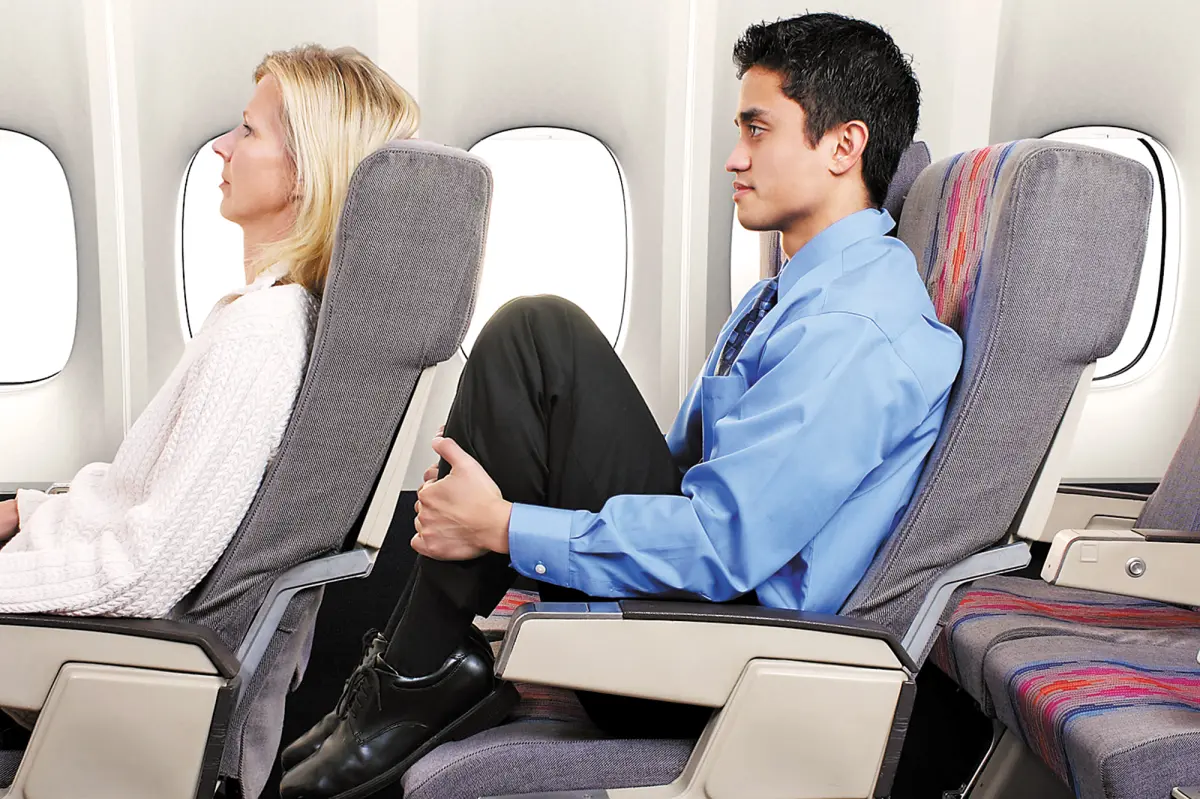
The sudden, yellow-hued collapse of Spirit Airlines into Chapter 11 bankruptcy marks the dramatic end of a thirty-four-year era of hyper-accessible American aviation, leaving a massive, budget-sized void in the skies. For over three decades, Spirit was hated by many but quietly relied upon by millions of price-sensitive families, students, and working-class commuters who simply needed to get from point A to point B without taking out a second mortgage on their homes. Now, as these everyday travelers look to legacy carriers like Delta, United, American, and JetBlue, they are realizing that the commercial aviation landscape has undergone a profound psychological and physical shift: mainstream airlines simply do not view the bargain hunter as their target demographic anymore. Instead, the industry is embroiled in a massive, high-stakes arms race to cultivate upper-class loyalty, dedicating precious aircraft real estate to higher-revenue premium cabins at the expense of traditional economy seating. Delta Air Lines, the industry’s clear financial powerhouse, is leading this charge by aggressively filling its brand-new planes with lavish, multi-thousand-dollar business suites and pricey premium economy rows, effectively shrinking the footprint of the standard coach cabin. United Airlines is expanding its Polaris business class while quietly experimenting with “basic business” menus to offer middle-class aspirational travelers a fleeting taste of luxury without the full-fare corporate budget. Even JetBlue is inserting a new “Mini Mint” hybrid premium section into its domestic routes, and American Airlines is re-allocating its cabins to prioritize its elite Flagship Suite experience. Perhaps the clearest indicator of this shifting tide is Southwest Airlines, a brand built on the egalitarian promise of open seating and low fees, which has recently abandoned its beloved single-class roots to design luxury airport lounges and extra-legroom premium rows. For the modern passenger, the message is unmistakable: airlines are spending fortunes on upscale champagne, spa-like lounges, and closed-door suites, leaving the average, back-of-the-plane flier to wonder if they are being structurally squeezed out of the skies.
However, industry analysts warn that before we accuse the major airline boards of starting a literal class war, we must look at the broader economic fractures occurring on the ground. The reality is that the aviation industry is merely holding up a mirror to a deeply divided post-pandemic American economy, where everyday costs of living have dramatically shifted who can afford a plane ticket in the first place. Prominent airline industry analysts, including Henry Harteveldt of the Atmosphere Research Group, point to a startling demographic decline: far fewer people earning under $100,000 annually are boarding commercial flights today compared to before the COVID-19 pandemic. Even households in the $100,000 to $150,000 bracket are scaling back their travels, ground down by the exhausting realities of soaring rent, high-interest mortgages, elevated credit card rates, and bloated grocery bills that leave very little discretionary room for spontaneous weekend getaways. Across our entire economic landscape, the top ten percent of earners now command roughly half of all consumer spending in the United States, forcing retailers, hotels, and airlines alike to recalibrate their business models to cater exclusively to those who are insulated from these inflationary forces. For airlines, the traditional economy seat has increasingly become a loss leader—much like a supermarket’s cheap rotisserie chicken—designed merely to fill the aircraft shell while the real profits are harvested from the wealthy. Consumers earning over $175,000 a year have proven not only remarkably resilient in their desire to travel, but actively eager to pay substantial premiums to escape the uncomfortable realities of modern life back in coach class. As a result, the commercial passenger cabin has become a highly visible, physically enclosed microcosm of the widening wealth gap, segregating travelers by domestic zip code and financial security before they even leave the runway.
Adding to this anxiety is the cold reality that the cost of fly-by-night economy fares could soon climb significantly higher, largely because the budget safety net that once disciplined the legacy carriers has been systematically dismantled. For decades, low-cost carriers like Spirit functioned as a vital consumer watchdog, pioneering unbundled fare models that stripped out free bags and snacks to offer rock-bottom base prices, forcing giants like American, Delta, and United to lower their own fares in competitive matching. To beat Spirit at its own game, these premium networks introduced stripped-down “Basic Economy” options, which effectively matched the budget carrier’s prices but offered a slightly more decent passenger experience, such as actual seat padding and more reliable operations. Trade publications, like Brian Summers’ The Airline Observer, note that this predatory pricing strategy was incredibly effective, as everyday passengers realized they could pay the same price as a budget ticket but receive vastly more humane treatment, ultimately driving Spirit to its financial breaking point. But now that Spirit is filing for bankruptcy and removing its aggressive downward pressure on ticket prices, the industry faces the very real danger that major airlines will grow “fat and happy” with a captive audience of budget fliers who no longer have alternative options. Without the threat of an aggressive discounter waiting in the wings to steal price-conscious travelers, legacy carriers will have less financial incentive to keep their basic economy fares affordable. The long-term threat is that the working-class traveler is losing their ultimate buffer, paving the way for an era where flying could once again become a luxury privilege reserved only for corporate travelers and the affluent.
Despite these ominous developments, aviation historians and travel experts argue that the narrative of a completely degraded economy experience is somewhat of a historical illusion, masking a complex reality that includes genuine improvements. Gary Leff, the respected mind behind the popular aviation blog View from the Wing, points out that while modern economy seats undoubtedly offer less physical legroom and narrower cushions than they did fifteen years ago, the overall safety, technological maturity, and baseline affordability of flight have reached unprecedented heights. Statistically, there are roughly ten times as many people flying today as there were prior to the landmark deregulation of the airline industry in 1978, proving that air travel is more accessible to the general public than at any other point in human history. When adjusted for inflation and the unbundling of auxiliary fees, the actual cost of a baseline ticket remains remarkably affordable, debunking the romanticized nostalgia of a “Golden Age” of flight when flying was deeply exclusionary and limited only to high society. What has truly changed, however, is the subjective, crowded sensory experience of being on a modern aircraft: commercial airlines have become highly efficient machines, routinely packing airplanes to maximum capacity with very few empty seats left over. Twenty years ago, it was common to fly on an aircraft with a third of the cabin empty, giving everyday economy travelers a physical sense of elbow room and psychological comfort that made up for the lack of onboard amenities. Today, the loss of that empty middle seat, combined with the visible luxury of those sitting behind curtains in the front of the cabin, creates an acute psychological claustrophobia that makes flying feel far more degrading than the physical reality of the ticket price would suggest.
Yet, in a bizarre twist of capitalist irony, the high-altitude luxury wars in the front of the plane are starting to yield unexpected, trickle-down benefits for the exhausted travelers sitting in the very back of the bus. Because legacy carriers must constantly upgrade their technological offerings and soft amenities to win the business of highly demanding luxury and business-class travelers, these high-end upgrades are inevitably bleeding down into the main cabin. High-speed, streaming-quality Wi-Fi is perhaps the most glaring example of this trend, as airlines like Delta and JetBlue invest heavily in building robust, satellite-connected networks for their elite fliers, which they then make free and available to every single passenger onboard to ensure seamless operations. Similarly, after nearly a decade of tearing out seatback entertainment screens to save on weight and fuel, airlines like United and American are singing a different tune, systematically retrofitting their domestic fleets with high-definition displays at every seat to mimic the premium experience. Even the humble complimentary inflight snack, which was once a casualty of post-9/11 cost-cutting measures, has made a triumphant return to standard domestic flights, largely as a way to keep semi-premium customers happy and standard travelers marginally cooperative. This means that while a passenger might be traveling in the absolute cheapest, most physically restricted seat on a modern narrow-body jet, they still get to enjoy the exact same high-speed internet, extensive movie selection, and quality snack options as the person who paid double for extra legroom. It is a rare, welcomed silver lining: the premium class’s insatiable demand for a seamless digital lifestyle has forced airlines to elevate the technology baseline for everyone onboard, making the low-cost coach experience infinitely more bearable than it was just a few years ago.
Ultimately, this shift toward premium experiences reveals a fundamental strategic pivot in how major airlines view their customers: no longer are they merely trying to fill empty seats; instead, they are attempting to build long-term, emotional relationships with their passengers. With highly profitable premium cabins anchoring their balance sheets, network airlines have a genuine and urgent business reason to ensure that even the most frugal travelers in the back of the plane leave with a positive memory. Economizers, after all, are not static demographic statistics; they represent a highly dynamic pipeline of future affluent travelers whose financial capabilities and travel desires will naturally grow, mature, and evolve over their lifetimes. If an airline can cultivate deep, genuine brand loyalty with a university student flying basic economy today, they are dramatically increasing the statistical likelihood that this same individual will willingly purchase a premium economy or business-class seat when their career takes off a decade down the line. By ensuring that the foundational, low-cost flight experience feels dignified, technologically superior, and reasonably comfortable, airlines are essentially creating an upscale gateway designed to gently coax travelers forward into the cabin over time. As commercial aviation moves past the hyper-inflationary post-pandemic transition, this long-term marketing strategy might just be the saving grace for the everyday commuter, proving that making passengers feel respected and happy is not just a moral luxury, but a highly profitable business model.