



On an otherwise ordinary Thursday afternoon, the global video game industry was shaken to its core by a double blow of devastating news regarding Bellevue, Wash.-based developer Bungie, laying bare the painful reality behind the scenes of one of the world’s most beloved digital playgrounds. What began as a solemn, yet expected, announcement about the natural end of Destiny 2’s active development cycle quickly spiraled into a grim story of corporate vulnerability, broken promises, and devastating human cost. Early in the day on May 22, 2026, Bungie posted a clinical, carefully polished blog update stating that it would release its final content drop for the landmark multiplayer shooter on June 9, assuring fans that steps would be taken to ensure the game remains online and playable for the foreseeable future. The massive community had barely begun to process the grief of saying goodbye to a universe they had inhabited for nearly a decade when, just eight hours later, Bloomberg’s veteran investigative reporter Jason Schreier dropped a bombshell report that shattered any remaining illusions of a peaceful transition. Schreier revealed that behind the scenes, Bungie was actively preparing to execute a massive, sweeping wave of layoffs slated to hit the studio the moment Destiny 2’s development officially ceased. The jarring contrast between Bungie’s corporate public relations jargon—which spoke optimistically of moving beyond the current franchise and turning eagerly toward “a new beginning”—and the terrifying reality of hundreds of passionate developers facing sudden unemployment highlights the cold, transactional nature of the modern gaming landscape. For the visionary writers, artists, audio designers, programmers, and systems engineers who poured their hearts and souls into crafting this vibrant sci-fi mythos, June 9 has abruptly transformed from a historic milestone of creative achievement into an impending professional guillotine, leaving a global community of millions mourning not just the death of a game, but the immediate jeopardy of the human beings who breathed life into it.
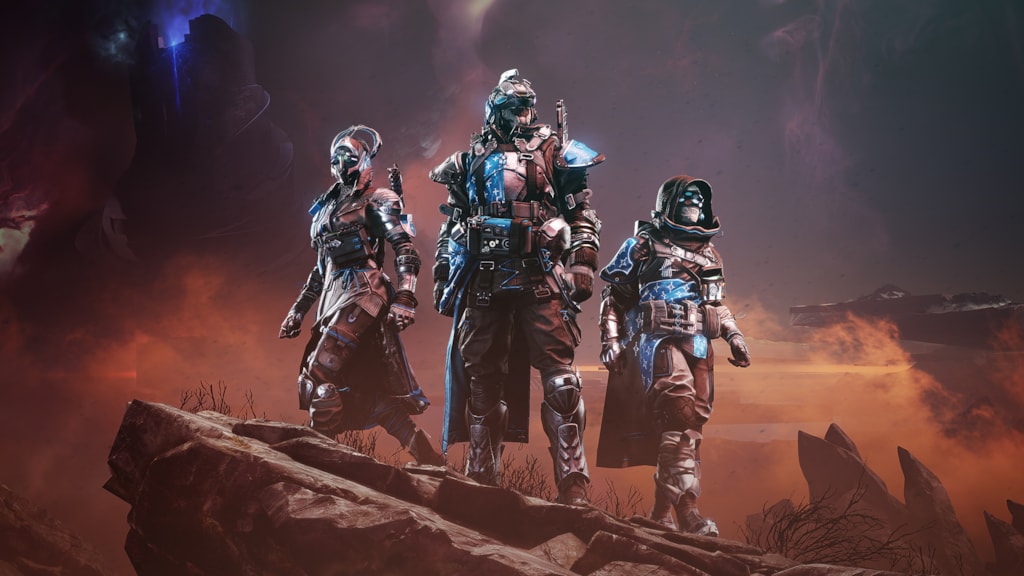
To fully appreciate the gravity of this impending closure, one must trace the remarkable thirty-five-year lineage of Bungie, a studio that has repeatedly redefined how humanity interacts with technology, digital storytelling, and collective play. Founded in 1991, Bungie first etched its name into the permanent annals of entertainment history by creating the legendary Halo franchise, a series that single-handedly proved first-person shooters could not only survive on home consoles but actively drive the success of entire media ecosystems. After a dramatic and high-stakes split from Microsoft in 2007 to reclaim their fiercely guarded independence, the studio’s developers set their sights on an even more ambitious, uncharted horizon: a grand, mythic space opera called Destiny, which launched in 2014, followed by its monumental sequel, Destiny 2, in 2017. For nearly a decade, Destiny 2 transported players to a visually breathtaking, war-torn 28th-century solar system, inviting them to step into the boots of “Guardians”—resurrected, immortal defenders blessed with cosmic elements, tasked with protecting the fragile, last remnants of human civilization from encroaching alien empires. Underneath the complex, decade-long lore of cosmic proxy wars fought between the primordial forces of Light and Darkness, the game served as a profound metaphor for perseverance, unity, and hope in the face of seemingly absolute despair. Over its historic run, Destiny 2 evolved from a mere piece of entertainment software into a sprawling cultural touchstone, acting as a virtual sanctuary where millions of players separated by vast physical distances could gather, build genuine real-world friendships, and find a sense of shared purpose in a beautiful, ever-changing digital universe. It was a sweeping epic whose massive narrative architecture, despite its unavoidable complexities, captured the imaginations of a generation of gamers who found a home away from home among the stars of Earth’s solar system.
At the absolute peak of its popularity, Destiny 2 was a juggernaut that commanded the daily attention of millions of players worldwide, largely due to its masterclass fusion of disparate gaming genres. The core appeal of the franchise lay in its revolutionary blend of persistent massively multiplayer online (MMO) role-playing mechanics and the incredibly satisfying, razor-sharp kinetic gunplay that Bungie had spent decades perfecting. Players could venture alone into mysterious extraterrestrial landscapes or form tight-knit squads of friends to tackle punishingly difficult cooperative raids and competitive matches, all driven by the addictive allure of obtaining rare, powerful weapons and armor to conquer progressively greater cosmic threats. Often affectionately described as a hybrid of Diablo’s obsessive loot hunt and Halo’s legendary combat design, Destiny 2 became the definitive pioneer of the “looter shooter” genre, standardizing a business and design model that countless other high-budget studios have tried, and largely failed, to replicate. Yet, the game’s structural journey was just as dramatic as its sci-fi storyline; originally published under the corporate oversight of Activision Blizzard, Bungie made a stunning, unprecedented leap in early 2019 by buying out their contract, reclaiming the rights to the IP, and choosing to self-publish the game under a daring free-to-play model. This historic transition was hailed as a triumphant victory for creative freedom over publisher-mandated monetization, reinforcing Bungie’s reputation as a fiercely independent, player-first studio that was daring enough to forge its own path in an industry dominated by monolithic, risk-averse corporations. This bold declaration of autonomy galvanized the player base, cementing a deep, mutual trust between the community and the creators. It was a golden era where developers freely conversed with their fans, constantly iterating on feedback, and proving that a massive, live-service game could thrive on mutual respect and shared artistic passion rather than clinical profit extraction.
However, the romantic dream of absolute independence eventually collided with the harsh, inescapable realities of modern corporate consolidation in 2022, when Sony Interactive Entertainment acquired Bungie for a staggering $3.6 billion. This monumental acquisition was not an isolated event; it was the crown jewel in Sony’s ambitious, high-stakes strategic pivot to aggressively shift its creative output away from the critically acclaimed, single-player cinematic blockbusters that defined the PlayStation brand—such as The Last of Us and God of War—and toward the highly lucrative, perpetually monetized realm of “games as a service.” Unfortunately, this aggressive gold rush into the live-service market has proved to be a highly volatile, often ruinous gamble for everyone involved, leaving a trail of shuttered studios, canceled projects, and broken creative spirits in its wake. The broader industry has watched with growing alarm as Sony’s cost-cutting measures took a toll across its portfolio, highlighted by the heartbreaking closure of long-time subsidiary Bluepoint Games, and the catastrophic, immediate cancellation of Bellevue-based Firewalk Studios’ highly anticipated multiplayer shooter Concord shortly after its release. Bungie’s current existential crisis is deeply intertwined with this tumultuous landscape, serving as a sobering cautionary tale about the perils of corporate acquisitions where artistic vision is ultimately subordinated to the unyielding pressures of quarterly earnings reports and shifting corporate mandates. As rumors of severe studio reorganization or outright dissolution circulate online, it becomes painfully clear that even the most legendary developers are not safe from the destructive waves of executive mismanagement and hyper-financialization that continue to plague the medium. The acquisition, once celebrated as a partnership that would secure Bungie’s financial future and fund their loftiest dreams, instead chained the studio to unrealistic growth metrics and corporate expectations. The delicate balance between player satisfaction and corporate profit demands was shattered, dragging the developers into a grueling cycle of meeting aggressive financial benchmarks under the watchful, unforgiving eye of a parent company desperate to justify its multi-billion dollar investment.
The artistic and narrative climax of this decade-long journey arrived in 2024 with the launch of The Final Shape, the eighth major expansion for Destiny 2, which was widely lauded by critics and players alike as a narrative masterpiece that beautifully concluded the saga’s light-and-darkness storyline. Tragically, what was meant to be a triumphant new beginning instead served as the game’s glorious swan song, as the studio struggled to maintain its dizzying momentum in an increasingly exhausted market. Despite valiant efforts to keep the flame alive with subsequent mechanical systems and ambitious expansions like 2025’s The Edge of Fate, independent player metrics from tracking sites like SteamDB revealed a stark, undeniable trend: Destiny 2’s active player numbers were steadily, irreversibly dwindling. While the game still comfortably occupies a place within the top twenty most-played online titles globally, the cracks in its foundation have become impossible for the community to ignore. In the months following The Final Shape, player forums have been flooded with mounting exhaustion over persistent technical glitches, server instability, and an over-reliance on repetitive, uninspired gameplay loops designed to maximize player engagement at the expense of genuine fun. Compounding this fatigue was the introduction of increasingly aggressive, intrusive monetization strategies, a desperate corporate effort to offset declining player numbers that ended up alienating the very same die-hard fans who had stood by the franchise through its darkest hours over the last ten years. The vibrant, reciprocal relationship between the developer and the community began to erode, replaced by a growing cynicism as players realized that their beloved virtual sanctuary was being slowly hollowed out to feed a corporate engine. The joy of exploration, the thrill of unlocking a rare weapon, and the camaraderie of tackling hard content was overshadowed by the looming sense that the game they loved was dying a slow death of a thousand microtransactions, a tragedy of creative exhaustion and executive pressure.
As the June 2026 deadline looms, the future of Bungie hangs in a precarious, deeply unsettling balance, with the legendary studio possessing no solid, public plans for their next major creative endeavor. Instead, the remnants of the studio’s workforce are reportedly being consolidated to prop up Marathon, a highly anticipated revival of their classic 1990s intellectual property reimagined as a modern, high-stakes extraction shooter. Yet, even this pivot is fraught with tension; despite a relatively warm critical reception when it launched in March, reports indicate that Marathon has failed to meet Sony’s demanding, perhaps unrealistic, internal sales expectations, leaving the studio with very little financial leverage or safety net. The imminent end of Destiny 2 is not just the closing chapter of a massive live-service video game; it feels like the end of an era for the medium itself, a stark warning of what happens when creative passion is forced to bend to the uncompromising, short-sighted demands of corporate conglomerates. As fans brace themselves for the final update and prepare to say a quiet, bittersweet goodbye to the digital worlds they called home, the true tragedy remains the human cost—the brilliant creators whose lives are being upended by forces entirely beyond their control. Ultimately, the legacy of Destiny will not be remembered by the cold charts of executive slideshows, the corporate restructuring plans, or the fleeting stock values of its parent company, but by the laughter shared in voice chats, the hard-fought victories achieved in the dark, and the enduring humanity of the people who built a universe worth fighting for. The digital campfires that burned so bright for a decade in Earth’s simulated solar system may soon go dark, but the friendships forged and the memories made remain entirely real, reminding us that games are, and always will be, a human medium. As the developers prepare to walk out of the Bellevue studio for the last time, their impact on the cultural landscape of gaming remains indelible, an enduring testament to what can be achieved when humans dare to dream of the stars, even as the corporate shadows close in around them.