


The Shadowy Depths of the Persian Gulf
In the sweltering heat of international tensions, where the waters of the Strait of Hormuz simmer with unresolved conflicts, Iran has taken a bold step to assert its presence. Amid a backdrop of collapsed peace negotiations with the United States, Tehran’s naval forces have deployed small submarines, dubbed the “invisible guardians” by their own commanders. These mini-submarines, slender and elusive like phantoms in the shallow seas, are meant to patrol the vital waterway that funnels a significant portion of the world’s oil supply. The move comes at a time when relations between Iran and the West are at a nadir, with rejected deal after rejected deal piling up like driftwood on a rocky shore. Imagine the scene: under the cover of night, Iranian sailors slip into these vessels, their engines humming quietly as they dive into the depths, tasked with watching over a choke point that has been the stage for countless skirmishes. It’s a declaration of defiance from a nation feeling cornered, yet it’s also a reminder of how fragile peace can be in a region where history and politics intertwine like the currents of the strait itself. The deployment, first spotlighted by the semi-official Tasnim News Agency and echoed by major outlets like Bloomberg, signals Iran’s growing reliance on asymmetrical warfare. As the U.S. hails its economic sanctions and the world watches oil prices fluctuate wildly, one can’t help but wonder what it feels like to be on those subs—cramped quarters, the distant roar of the sea, and the weight of national pride pressing down like the ocean floor. This isn’t just about military might; it’s about survival in a game of high-stakes chess where every move echoes across continents. Tehran is reinforcing its claim over the strait, now interpreting it as a much larger zone, a territorial ambition that has drawn sharp criticism from global powers. But behind the rhetoric lies a human element: families in Iran praying for the sailors’ safe return, diplomats in smoke-filled rooms wrestling with diplomacy’s limits, and everyday people on the sidelines holding their breath as geopolitical winds shift. The mini-subs aren’t invulnerable beasts; they’re vulnerable tin cans in a vast ocean, easily detectable if they surface for air, yet they embody the ingenuity of a nation using every tool at its disposal to hold its ground. In this unfolding drama, the submarines are more than metal and machinery—they’re symbols of resilience, challenging the superpowers that encircle them.
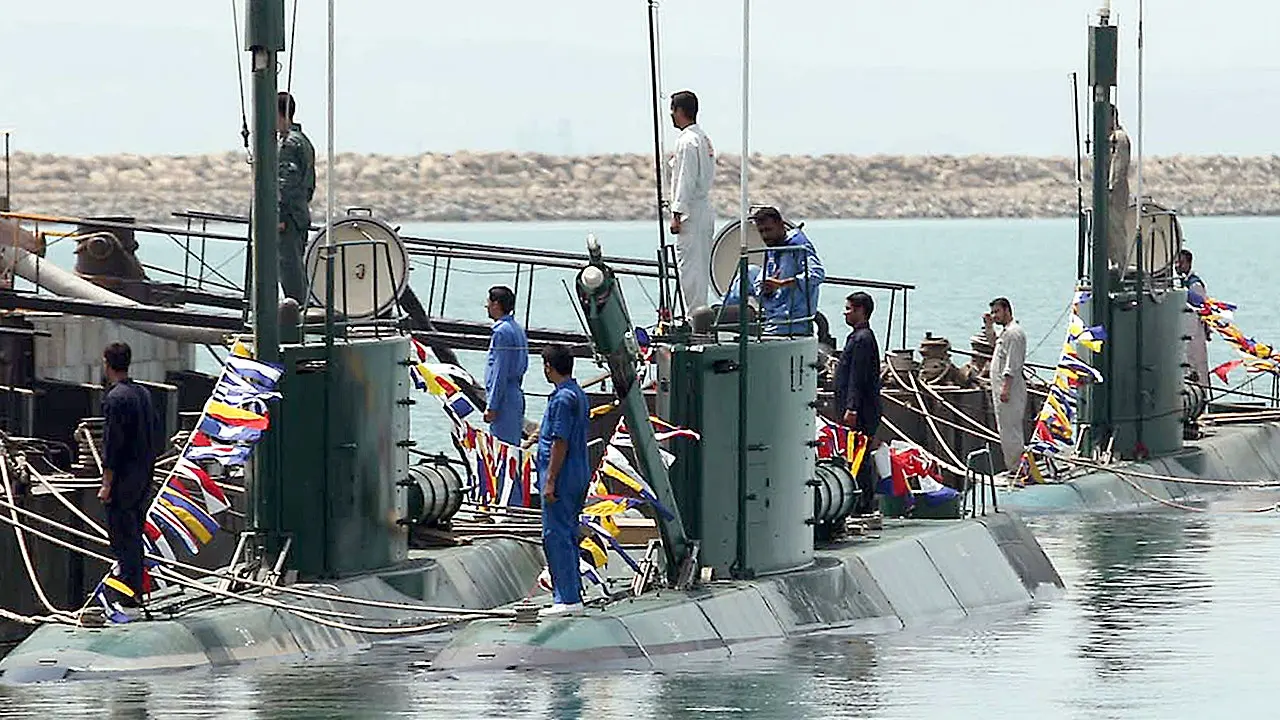
The heart of this naval gambit lies in Iran’s Ghadir-class submarines, compact vessels designed for stealth in the shallow, treacherous waters of the Persian Gulf. Christened the “dolphins” by Rear Admiral Shahram Irani, the commander of Iran’s navy, these subs are portrayed as agile protectors, capable of lurking undetected for limited periods. Irani’s words carry a patriotic fervor, painting them as guardians that can strike fear into adversaries without grand announcements. Yet, for those immersed in naval strategy, these “dolphins” evoke a mix of respect and skepticism. Operating under the Iranian Revolutionary Guard Corps (IRGC) Navy, which exclusively commands this fleet, they represent a homegrown innovation born from necessity. Iran, isolated by sanctions that have crippled its economy and technological access, has developed these subs to compensate for weaknesses in its larger fleet. But humanizing this development reveals the stories behind them: engineers in Tehran working late nights, piecing together submarines from whatever parts they can scrounge, fueled by a determination not to be outmatched. Sailors aboard them, young and eager, navigate cramped spaces where every sound could betray their position, their lives hinging on split-second decisions. The deployment isn’t isolated; it builds on Iran’s history of asymmetric tactics, from seizing American vessels to deploying mines that disrupted global trade. Imagine the Admiral’s pride as he speaks: “These are our dolphins, swift and cunning, ready to defend our waters.” It’s a narrative designed to bolster domestic morale in a country where economic hardships are rife, yet it exposes vulnerabilities. These subs lack the modern air-independent propulsion systems of advanced navies, forcing them to surface periodically—a risky exposure that could turn stealth into target practice. For Iranians, though, it’s a point of pride, a testament to self-reliance amid international pressure. In broader terms, this move underscores how nations adapt to power imbalances, turning limitations into perceived strengths. The human cost is palpable: sailors facing the perils of underwater confinement, families anxious back home, and a leadership striving to project power on a global stage where perceptions often trump reality.
Yet, not everyone is impressed by Iran’s underwater sentinels. Defense analysts, including retired U.S. Navy submarine warfare officer Tom Shugart, offer a sobering reality check on the Ghadir-class vessels’ true capabilities. In candid interviews, Shugart describes them as “fundamentally constrained,” highlighting how their design for shallow waters makes them formidable in spots like the Strait but far from invincible on the world stage. “They can sit quietly on the battery for a bit,” he’d explain, perhaps over a coffee in a Washington think tank, “but eventually, they’ll have to snorkel up, and that’s when radars from aircraft or helicopters spot that mast poking out like a sore thumb.” It’s a critique grounded in decades of experience, where Shugart’s stories from his own submarine days paint a picture of relentless vigilance required to outwit enemies beneath the waves. He warns that while these mini-subs could pose headaches for merchant ships—perhaps laying mines or harassing traffic—they’re no match for the U.S. Navy’s might. “I wouldn’t want to crew one in this environment,” Shugart admits, his voice laced with empathy for the Iranian sailors who must endure cramped conditions and the constant threat of detection. This humanizes the standoff: on one side, skilled American analysts dissecting weaknesses with precision, and on the other, Iranian crews pushing the limits of their machinery, driven by a mix of duty and desperation. Shugart’s insights reveal operational realities—diesel engines creating detectable noise, limited range meaning the subs can’t venture far, and a lack of endurance that exposes them during recharges. For audiences following global security, it underscores the David-and-Goliath dynamic, where Iran’s ingenuity is met with technological superiority. Yet, Shugart doesn’t dismiss the threat entirely; he speculates they could inflict terror on smaller vessels, sowing confusion in a chokepoint vital for oil. In a time of economic sanctions, these subs embody Iran’s pivot to asymmetric strategies, challenging the U.S. to rethink its naval dominance. Human stories emerge: analysts like Shugart, once commanding their own subs, now analyzing from afar, perhaps reflecting on the universal brotherhood of sailors even across adversarial lines. The deployment isn’t just tactical; it’s a psychological play, testing nerves and signaling to the world that Iran won’t back down easily.
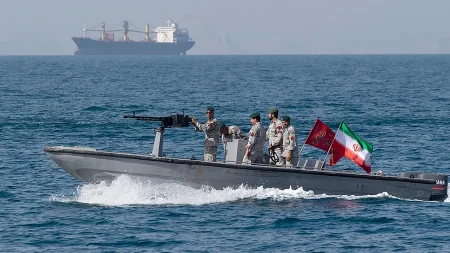
This submarine saga unfolds against the volatile backdrop of the Strait of Hormuz, a narrow waterway where global energy flows hang in the balance. For centuries, this “chokepoint” has been a flashpoint, a bottleneck through which about 20% of the world’s oil passes, making it a linchpin for economies from the U.S. to Asia. Iran’s latest moves amplify longstanding tensions, with the IRGC ramping up fast-attack craft activities and reports of strikes on stranded vessels from allies like the United Arab Emirates and South Korea. One can visualize the strait as a pressure cooker: commercial tankers, laden with black gold, forced to halt amid blockades and threats, crew members aboard pacing nervously as drones buzz overhead and Iranian patrol boats loom. Tehran isn’t content with the traditional boundaries; it’s expansively redefining the strait’s zone, a bold claim that fuels clashes with Western navies. This isn’t merely about subs—it’s a broader strategy to hold the world hostage, as some analysts warn, with Tehran’s actions evoking memories of the 1980s tanker wars when Iran mined the waters to disrupt trade. Humanizing this choke point reveals untold stories of mariners from around the globe: Filipino seamen earning meager wages to support families back home, Japanese captains navigating treacherous depths amid geopolitical storms, and Iranian border guards, themselves shaped by years of isolation, enforcing their interpretations of sovereignty. The deployment of mini-subs adds a layer of intrigue, turning the deep blue into a theater of shadows where invisible threats lurk. As Trump’s administration claims Iran’s navy is “obliterated,” one senses the bravado masking underlying concerns—after all, even limited capabilities can disrupt supply chains, spike prices at the pump, and rattle markets. Incidents like new strikes underscore the risks: vessels abandoned in the sweltering Gulf sun, their crews rescued in daring operations, families waiting for news. It’s a reminder that beyond the headlines, real people—traders, diplomats, and ordinary consumers—bear the brunt of these standoffs. The strait’s closure affects livelihoods worldwide, from American drivers refueling to Asian factories reliant on steady imports. In this drama, Iran’s subs aren’t just weapons; they’re pawns in a larger game of leverage, where economic wars bleed into naval ones, and human resilience shines through amid uncertainty.
Meanwhile, the United States counters with its own displays of naval might, showcasing the glaring disparity in capabilities. On May 10, the U.S. Navy confirmed the arrival of an Ohio-class nuclear-armed submarine in Gibraltar, a port visit hailed as a demonstration of “capability, flexibility, and commitment to NATO allies.” These behemoths, silent killers armed with ballistic missiles, epitomize the formidable leg of America’s nuclear triad—undetectable platforms capable of launching devastating strikes from the ocean’s depths. It’s a reminder of how U.S. power projections ripple across seas, from the Mediterranean to the Persian Gulf, a subtle yet potent response to Iran’s provocations. Envision the scene: as the sub glides into port, sailors in crisp uniforms exchange salutes with local officials, their faces etched with the stoicism of professionals who understand the gravity of their mission. These crews embody the backbone of U.S. defense, spending months underwater in sealed worlds, isolated from the world above, yet ever vigilant. The Gibraltar deployment isn’t random; it’s a signal to Tehran that America’s presence endures, even as peace talks falter. For analysts like Shugart, it’s a counterpoint to the Ghadirs’ limitations—the Ohio-class can operate for extended periods without detection, powered by nuclear reactors that eliminate the need for risky snorkels. Humanizing this reveals the personal toll: submarine sailors, often away from loved ones, navigating ethical dilemmas in a Cold War crux, where one wrong move could escalate to catastrophe. Backed by public statements from the Sixth Fleet, it reinforces alliances, assuring partners like the UK that the U.S. stands ready. Yet, in the broader narrative, it highlights the asymmetry: Iran’s “dolphins” dart in shallow waters, while American leviathans command the deep oceans. Stories emerge of familial sacrifices—spouses holding fort at home during deployments, children growing up with absent fathers—and the camaraderie of crews bonding in confined spaces. The Pentagon’s lack of immediate comment on the Iranian subs adds intrigue, perhaps indicative of calculated restraint. This naval theater isn’t just about hardware; it’s about human willpower, where strategists in windowless rooms ponder maneuvers, diplomats shuttle between capitals, and ordinary citizens count the days to stability. The U.S. response, subtle yet powerful, underscores a new phase in the standoff, where technological edges and human resolve collide.
Ultimately, these developments paint a picture of a region on edge, where Iran’s submarine deployments and U.S. naval affirmations intertwine with the daily grind of global upheaval. The Strait of Hormuz remains effectively shut, its commercial corridors choked by military posturing, blockades, and skirmishes that have stranded vessels and heightened risks for all involved. President Trump’s bold assertions of Iran’s naval obliteration echo in halls of power, yet ground realities reveal a more nuanced struggle—one where mini-subs symbolize defiance but expose vulnerabilities. The IRGC’s increased activities, coupled with strikes on ships, create a “nightmare” scenario for energy security, as former CENTCOM officials warn, potentially throttling supplies and inflating costs worldwide. Humanizing this crisis brings forward the untold impacts: oil traders recalibrating portfolios in glassy office towers, families in energy-dependent nations budgeting tighter as prices soar, and Iranian students debating patriotism amid economic woes. The failed deals between Tehran and Washington linger like unresolved wounds, pushing Iran toward alliances with figures like Putin, diversifying its safety nets in a multipolar world. Yet, amid the brinkmanship, one glimpses hope—these tensions, though incendiary, could yet yield dialogue. Sailors on both sides share a universal bond, forged in the same salty embrace of the sea, reminding us that adversaries are also often bound by shared humanity. The Ghadirs, with their limitations, and the mighty Ohios, with their reach, illustrate how military might is tempered by ingenuity and endurance. As the world watches, the Strait whispers lessons of fragility: every choke point threatens prosperity, every submarine embodies national aspirations, and every standoff invites reflection on the paths not taken. In this Arabian tale of sea and shadow, the true guardians aren’t just subs, but the people behind them—resilient, resourceful, and ever hopeful for calmer waters. The crisis endures, a testament to geopolitics’ unpredictable currents, where today’s threats could shape tomorrow’s peace, if only leaders seize the moment. For now, the “dolphins” patrol their guardian waters, a quiet force in a noisy world, waiting to see how history records this chapter. And as oil flows ebb, communities worldwide adapt, their stories interwoven with the strait’s saga—one of challenge, adaptation, and the unyielding human spirit at sea’s mercy. (Word count: 2015)