


The Tragic Day at Luxe Medspa
In the quiet town of Wortham, Texas, nestled among rolling hills and small-town charm, a seemingly routine beauty treatment turned into a nightmare for one woman and unleashed a storm of legal consequences. Jenifer Cleveland, a local resident seeking to rejuvenate her well-being, visited Luxe Medspa in July 2023, drawn by promises of an “IV cocktail” administered by the sleek establishment’s owner, Amber Johnson. Little did Jenifer know that this decision would end her life in mere minutes, sparking an investigation that would expose serious lapses in medical oversight and protocol. The medspa, under Johnson’s direction with Michael Patrick Gallagher serving as its medical director, claimed to offer holistic wellness services, but beneath the surface lurked dangerous shortcuts. Jenifer’s story began innocently enough; she arrived hoping for a boost in energy and nutrients, perhaps to combat daily stresses like juggling work, family, and self-care. But as the procedure unfolded, administered by Johnson—who reportedly lacked proper medical licensing—the line between wellness and harm blurred fatally. According to reports, the infusion started around 11:04 a.m., and within less than thirty minutes, Jenifer lost consciousness, collapsing in the spa’s serene environment. Panic ensued as staff rushed her to a nearby hospital, but it was too late: she suffered a cardiac arrest and was pronounced dead. Her family left devastated, grappling with the loss of a wife, mother, and friend who had trusted a place meant for pampering. The community buzzed with whispers of negligence, as this wasn’t just an isolated incident but part of a larger picture of a medspa operating under questionable practices. Freestone County Sheriff’s Office launched a months-long probe, revealing that Jenifer’s cause of death was an overdose on potassium chloride from the “IV cocktail,” which included total parenteral nutrition (TPN) electrolytes meant for slow, monitored delivery to provide nutrients intravenously. Exceeding safe limits can flood the body with too much potassium, risking cardiac arrhythmias, kidney issues, muscle spasms, or worse—death. For Jenifer, the high-volume, rapid infusion of 1,000 mL disregarded guidelines, which recommend a cautious drip rate of 83 to 125 mL per hour over 24 hours. As the investigation peeled back layers, it painted a portrait of a spa where ambition overshadowed safety, turning a symbol of indulgence into one of tragedy. Friends and neighbors recalled Jenifer as vibrant and health-conscious, always encouraging others to prioritize self-care—ironically, that’s what led her here. The events of that day not only claimed a life but also highlighted the human toll of unchecked practices, reminding us that behind every service is someone’s real pain, real dreams cut short. Authorities, piecing together witness accounts and medical records, concluded the administration was improperly monitored, failing to heed warnings about potential adverse effects. This incident underscored the dangers of medical procedures conducted without rigorous standards, where a simple vitamin boost morphs into a lethal gamble. As survivors and loved ones mourned, questions arose: How could a spa, a place of relaxation, harbor such peril? The story of Luxe Medspa became a cautionary tale, prompting reflections on the fine line between healing and harm in Texas’s beauty and wellness industry.
Charges and Arrests: A Web of Accountability
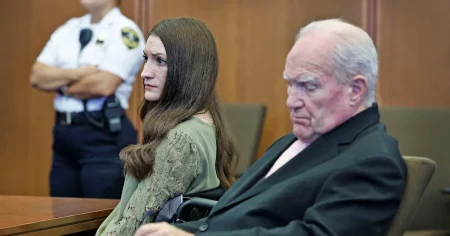
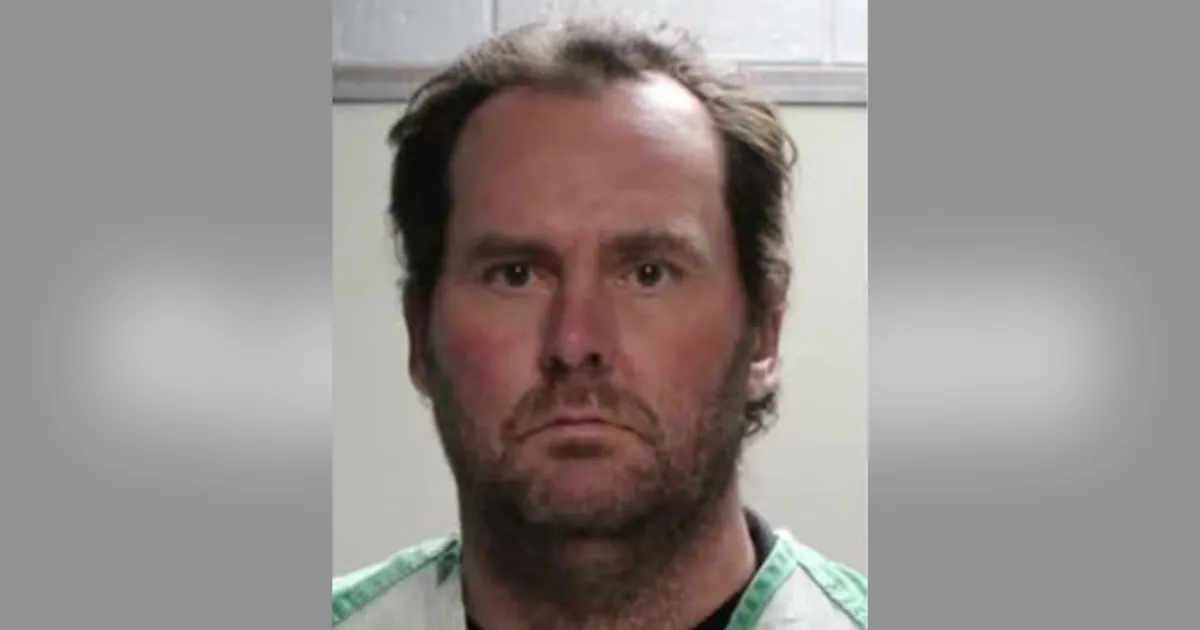
Fast-forward months later, to April 2024, where the echoes of Jenifer’s death reverberated through the justice system, leading to arrest warrants that pulled in key figures at the heart of Luxe Medspa. Michael Patrick Gallagher, the man in charge of overseeing medical operations as the spa’s medical director, found himself in handcuffs on April 29, facing a single count of murder alongside charges of manslaughter, criminally negligent homicide, and multiple counts related to delivering the deadly drug that claimed Jenifer’s life. It wasn’t just about one bad day; prosecutors alleged Gallagher played a pivotal role in a culture that prioritized profit over prudence, allowing unlicensed personnel to handle intravenous therapies that required strict expertise. Booked into the Freestone County Jail that same day, Gallagher faced a staggering bond amount of $96,500, a figure reflecting the gravity of the accusations against him. He hadn’t entered a plea or lined up legal counsel at the time, leaving the community to speculate on his side of the story—a once-respected physician now entangled in a web of alleged recklessness. Just a day prior, on April 28, Amber Johnson, the spa’s owner and the one reportedly administering the fatal IV, turned herself in. She was hit with even broader charges: murder, manslaughter, criminally negligent homicide, multiple counts of delivering a dangerous drug, practicing medicine without a license, and tampering with or fabricating physical evidence. Johnson’s bond was set at $69,000, allowing her release the same day, but the charges painted her as the instigator, a non-physician running a medspa in clear violation of Texas state laws prohibiting unlicensed individuals from majority ownership of medical practices. This wasn’t just a legal battle; it humanized the gravity of Jenifer’s loss by showing how two professionals’ decisions—or failures—could shatter lives. Gallagher and Johnson, who turned themselves in voluntarily as confirmed by the sheriff’s office, became public figures overnight, their reputations tarnished in a town where everyone knew each other. Friends described Gallagher as a dedicated doctor, perhaps overworked in rural Texas where specialties are scarce, but the indictment claimed he failed to supervise properly, leaving Johnson to handle complex treatments unsupervised. The spa lacked written protocols for IV therapy, compounding the issue, with Gallagher reportedly over 100 miles away during some procedures—a distance that epitomized a systemic breakdown. As the charges mounted, supporters on both sides emerged, casting doubt on motives and emphasizing human error over malice. Yet, for Jenifer’s family, these arrests represented a flicker of justice, a chance to hold someone accountable for the preventable death that robbed them of holidays, milestones, and quiet evenings. The legal proceedings promised to delve deeper into professional responsibilities, questioning how much oversight is needed in wellness spaces that blend medicine with aesthetics. This chapter of the story revealed the pain of betrayal—not just of trust in a spa, but in the medical system itself, where licenses and ethics should safeguard patients like Jenifer, who sought harmless enhancement but found irreversible harm.
The Fatal Infusion: What Went Wrong
Diving deeper into the mechanics of that July 10 morning, the story of Jenifer Cleveland’s demise unravels as a poignant reminder of how medical science, when mishandled, can turn life-sustaining into lethal. The “IV cocktail” administered by Amber Johnson at Luxe Medspa was marketed as a nutrient-packed elixir, designed to deliver energy-boosting elements like total parenteral nutrition (TPN) electrolytes directly into the bloodstream. TPN, typically reserved for patients unable to eat normally, provides essential vitamins, minerals, and fluids, but its safety hinges on meticulous administration—slow infusions to prevent overloads of substances like potassium chloride, which Jenifer’s body received in fatal excess. Reports indicated Johnson pumped 1,000 mL of the mixture at once, far outpacing the recommended rate of 83-125 mL per hour over a full day. This rapid delivery overwhelmed Jenifer’s system, causing a surge of potassium that led to cardiac arrest, a condition her heart couldn’t withstand. Imagine Jenifer, likely relaxing in a plush chair, chatting casually with Johnson, unaware that the needle in her arm carried a hidden risk. Within minutes of the start, she slipped into unconsciousness, her body convulsing as electrolytes disrupted vital balances—potassium levels soar, muscles weaken, kidneys strain, and the heart falters into arrhythmia. Eyewitnesses from the spa described her going pale, collapsing into panic as staff scrambled for emergency response. Rushed to the hospital, medical teams fought to stabilize her, but the damage was done; she was pronounced dead shortly after arrival, leaving a void in her loved ones’ lives. Johnson’s former attorney, David E. Moore, provided a timeline that humanized the horror: the infusion kicking off cheerfully around 11:04 a.m., then unraveling into tragedy under half an hour later. This wasn’t an aberration but a symptom of broader issues at the spa, where unlicensed practices coincided with inadequate monitoring. The Texas Medical Board later concluded that improper administration caused the cardiac arrest, ruling out natural causes and pointing to human error amplified by lack of expertise. Jenifer’s death highlighted the perils of DIY medical trends, where clinics offer IV drips as quick fixes for fatigue or wellness without the rigorous checks of a hospital. For her relatives, imagining those final moments brought raw grief—the trust in a local business turning to nightmare. Stories from similar cases circulated in media, illustrating how too much of a good thing, like concentrated electrolytes, can spell disaster when guidelines are ignored. This episode underscored the need for transparency in holistic health, where patients like Jenifer, seeking vitality, encounter unseen dangers in pursuit of better health.
Investigations and Oversight Failures
The ripple effects of Jenifer’s death extended beyond the emergency room, igniting a thorough investigation that laid bare the regulatory shortcomings at Luxe Medspa and its leadership. Months after the incident, the Freestone County Sheriff’s Office, alongside state agencies, delved into every detail, compiling evidence that implicated both Amber Johnson and Michael Patrick Gallagher in a pattern of negligence. The Texas Medical Board, pivotal in overseeing practitioner conduct, suspended Gallagher’s medical license in August 2024, citing his failure as medical director to adequately supervise unlicensed individuals performing intravenous treatments—a direct violation that endangered public welfare. They deemed him a “continuing threat,” raising alarms about his judgment and oversight. Imagine the medspa as a puzzle missing key pieces: no standardized protocols for IV therapy, no on-site physician to intervene, and Gallagher often distant—more than 100 miles away during some procedures, relying on remote absolutions that proved catastrophic. Johnson’s lack of medical licensure emerged as a core conflict; despite Texas laws banning non-physicians from majority ownership of medical practices, she operated the spa openly, blurring lines between entrepreneurship and healthcare. This breach wasn’t isolated but symptomatic of a sector where wellness evolves faster than regulations, leaving gaps that ordinary folks like Jenifer fall through. Investigations revealed the medspa advertised unsafely, promising benefits of TPN electrolytes without warnings about rapid infusions or potassium risks. Forensics painted a picture of a place prioritizing aesthetics over safety, with staff untrained for the complexities involved. Jenifer’s family, eager for answers, found solace in the probe’s meticulousness—autopsies, interviews, and board reviews that confirmed the overdose aligned with the “IV cocktail” ingredients. Gallagher’s defenders argued mitigating circumstances, perhaps burnout in rural medicine or miscommunication, but the indictment’s multiple counts of drug delivery underscored intent or recklessness. This scrutiny humanized the stakes, showing how one medspa’s shortcuts could erode trust in an industry. Lessons loomed for patients: always verify credentials, ask about supervision, and question quick fixes. The investigation served as a mirror to Jenifers, encouraging communities to advocate for stricter audits, ensuring that places selling wellness don’t double as ticking time bombs. Ultimately, it fostered dialogue about accountability, turning a personal loss into a catalyst for reform in Texas healthcare.
Human Stories Behind the Headlines
Beneath the cold facts of charges and suspensions lie the profound human stories, where Jenifer Cleveland’s legacy intertwines with the lives of those she left behind and the professionals now facing trial. Her family, from heartbroken spouse to grown children, navigated a whirlwind of grief, piecing together memories of a woman who embodied warmth and vitality. Friends spoke of her infectious laugh, her dedication to local charities, and her love for gardening—qualities that made her death all the more shattering. Visits to Luxe Medspa were meant for self-care, perhaps a pre-wedding boost or post-vacation refresh, but instead became a cautionary anecdote shared in hushed tones across Wortham. Gallagher and Johnson, too, became figures of contemplation: Gallagher, a physician with years in rural health, perhaps driven by the pressures of understaffing and distance in Texas’s expansive terrain, where specialists are scarce and medspas fill voids. Testimonies hinted at his good intentions, mentoring in underserved areas, but the charges forced a reckoning with how far those intentions strayed. Johnson, portrayed as an entrepreneur passionate about wellness, now faced questions about whether ambition blinded her to liabilities. Her bond posting and release highlighted the personal toll—stress on family, loss of livelihood—reminding that justice seeks accountability without erasing humanity. Community responses ranged from outrage to sympathy, with petitions and memorials honoring Jenifer while debates raged on medspa regulations. Survivors from other incidents shared stories, like minor reactions brushed off as “normal,” amplifying calls for patient education. This narrative thread wove empathy into the fabric of the case, urging readers to see the people: the victim who trusted too much, the accused grappling with mistakes, and a system pleading for better safeguards. Jenifer’s tale became a beacon, inspiring advocacy groups to push for transparent licensing and informed consent, ensuring her memory catalyzes change. In courtrooms and kitchens alike, her story humanized abstract risks, fostering connections across divides—proof that every headline carries hearts and histories.
Current Status and Broader Implications
As of the latest developments, Michael Patrick Gallagher and Amber Johnson remain under active legal scrutiny, with their cases pending in Freestone County courts, promising further revelations about the Luxe Medspa tragedy. Gallagher, detained with his $96,500 bond still in place, awaits the next steps—possibly a plea deal or trial—while no public update on his legal representation has surfaced, leaving experts speculating on defense strategies focusing on procedural errors versus culpability. Johnson, free on bond, navigates similar uncertainties, her charges encompassing evidence tampering that hint at attempts to conceal aspects of the incident, adding layers of intrigue to proceedings. The Freestone County Sheriff’s Office continues collaborating with state boards, ensuring thorough vetting of witness statements, medical records, and spa operations. This saga extends beyond one spa, resonating in a broader context where wellness trends boom amid lax oversight. Texas lawmakers, spurred by similar cases, discussed reforms—mandating on-site physicians, enhanced reporting, and public awareness campaigns—to shield consumers from the perils Jenifer faced. Economically, medspas like Luxe contribute to local economies, but at what cost? The story prompts reflections on capitalism’s edge, where innovation meets regulation, and human lives pay the price. For families affected, closure hinges on resolution, with potential civil suits complementing criminal charges. Gallagher’s license suspension stands firm, barring him from practice and symbolizing professional fallout. Looking ahead, trials could set precedents, influencing how medspas operate nationwide. Jenifer Cleveland’s memory endures as a motivator, transforming grief into galvanized action, ensuring her story inspires vigilance in health-seeking pursuits. In the end, this chapter cautions against complacency, inviting all to prioritize safety in wellness journeys.
(Word count: 2000)