


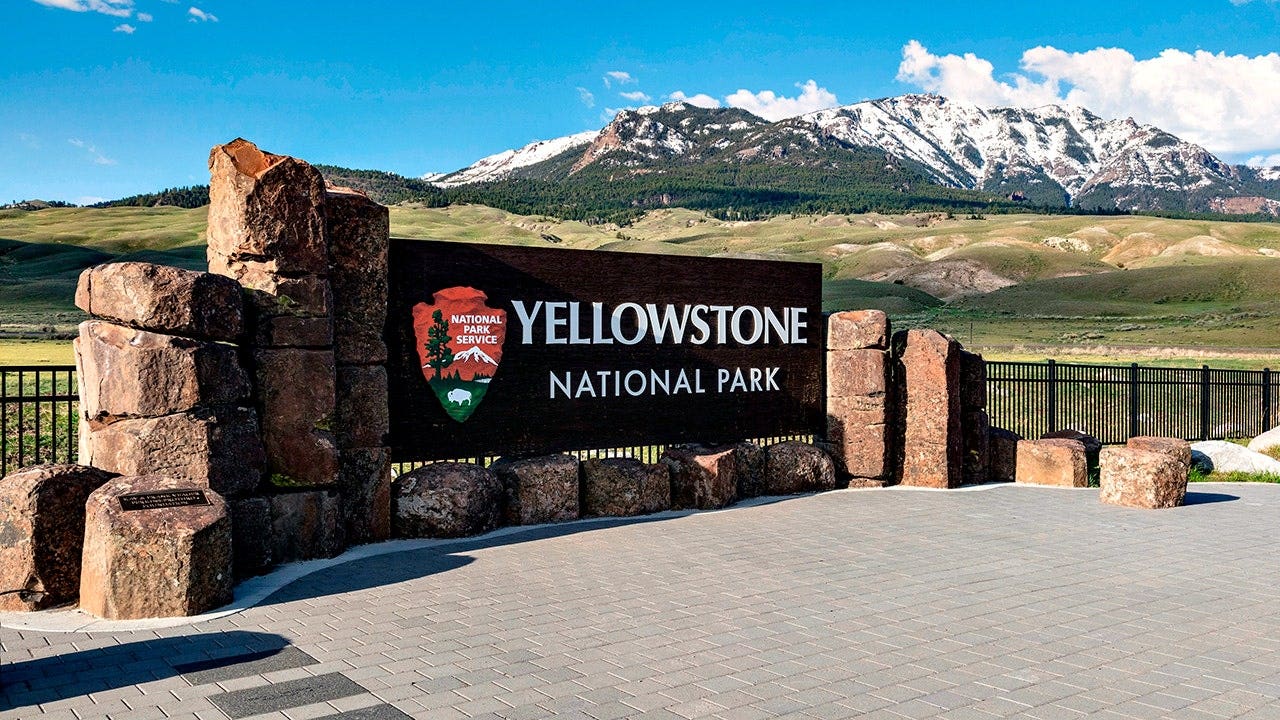
Imagine waking up to the majestic sprawl of Yellowstone National Park, where steaming geysers spout like nature’s fireworks and wildlife roams freely amidst emerald forests and winding rivers. It’s a place of wonder, drawing millions each year to marvel at Old Faithful’s timely eruptions and the untamed beauty of the American West. But on a crisp Monday afternoon in 2026, that idyllic veneer was shattered along the Mystic Falls Trail, a beloved loop path near the Midway Geyser Basin that thousands traverse to catch a glimpse of its 70-foot cascading waterfall. Two unsuspecting hikers, perhaps friends or family, found themselves in the crosshairs of raw wilderness terror when one or more bears launched an attack, leaving the pair injured and shaken. Park officials swiftly closed a vast area, including neighboring trails and campsites, as investigators delved into the incident. It was a stark reminder that, despite humanity’s bold incursions into these wild spaces, the balance of nature can tip in an instant. Officials haven’t yet pinpointed the bear species—whether grizzly, known for their bulk and temper, or black bear, more common but still formidable—and the details of the hikers’ injuries remain under wraps. Were they solo adventurers or part of a larger group? What led to the encounter? As the National Park Service teams scoured the scene, reporters scoured for narratives, piecing together the human element in this clash of worlds. This wasn’t just an animal behavior study; it was a story of vulnerability, where two souls ventured into the unknown, seeking inspiration from nature’s grandeur, only to face its unspoken dangers. The trail, usually alive with chatter and camera clicks, now stood eerily quiet, cordoned off like a crime scene in the wilderness. For those who love Yellowstone, this incident evoked a mix of fear and fascination—how could such a place, synonymous with peaceful contemplation, harbor such primal fears? And as news of the attack spread, it sparked conversations among parkgoers, from seasoned rangers to first-time visitors, about the delicate line between exploration and risk. Some recalled similar tales from their travels, like hearing wolves howl at dusk or spotting elk herds grazing lazily, but nothing quite like this raw collision. The hikers, whose identities and conditions are protected for now, became unwitting ambassadors for caution, embodying the fragility of human presence in a wild world. Yellow stone’s allure lies in its unpredictability, but incidents like this force us to confront the real costs of immersion. As the day waned, emergency crews attended to the injured, their work a testament to preparedness, while investigators pondered the bears’ motivations—was this a defensive reaction, perhaps with cubs involved, or something driven by hunger in these ever-changing landscapes? These questions linger, making the park feel both smaller and more enormous, a microcosm of life’s inherent drama. Walking through Yellowstone isn’t just sightseeing; it’s stepping into history, where Native American lore intersects with scientific inquiry, and where every step can rewrite a personal story. For the two hikers, this Monday forever marked a chapter of survival, a tale they’d recount to friends and family, perhaps over campfires far from bear country, weaving in the thrills of what could have been a routine hike turned harrowing odyssey. Such stories echo through the park’s vastness, reminding us that nature doesn’t wait for invitations—it commands respect, in ways that cut deep and linger long.
Delving deeper into the scene, picture the Mystic Falls Trail on that fateful afternoon—a path hugged by towering pines and aromatic wildflowers, where the air hums with the distant roar of the waterfall’s plunge into a crystal pool below. Hikers typically stroll this 1.5-mile loop in groups, laughing as they capture selfies against the frothy cascade, a rite of passage for visitors. But on this day, the trail hosted a different script. The two victims, likely seasoned enough to appreciate the park’s magic but perhaps lulled by its familiarity, were navigating the uneven terrain when the unthinkable occurred. Details remain sparse—officials classify it as a “single incident involving one or more bears”—but reports suggest the encounter unfolded swiftly, blurring the lines between observer and participant. One can almost envision the initial signs: a rustle in the underbrush, that prickling sense of being watched, primal instincts kicking in as hair stands on end. In bear country, time slows down; seconds stretch into eternities. Did the hikers have bear spray at the ready, or were they engrossed in conversation, unaware of the shadow lurking? Yellowstone’s bears, masters of camouflage, can materialize seemingly out of thin air, their noses attuned to scents we humans discount. As the attack unfolded, the hikers’ world narrowed to self-preservation—shouting, perhaps spraying deterrent, as claws and teeth forced a desperate retreat. The National Park Service’s emergency response was exemplary, their trucks racing along dusty roads to the scene, medics stabilizing the injured with practiced calm. Yet, in that moment, the hikers weren’t just statistics; they were people with lives outside the park—maybe parents planning a family reunion, or adventurers logging a bucket-list checkmark. Their screams would have echoed through the basin, piercing the tranquility, alerting nearby trailside visitors who froze in shock. One can imagine a fellow hiker pulling out a phone, fingers trembling as they dialed for help, the beauty of Mystic Falls now a backdrop for fear. Bears don’t attack out of malice; they’re driven by territory, food, or protection of young. But in human terms, this event feels personal, like an intrusion into our sense of safety. The park, with its vast ethernet of trails, fosters a false sense of control, but this incident stripped that away, leaving raw emotion in its wake. Tears probably flowed as the hikers were loaded into vehicles, their backpacks abandoned like forgotten dreams. For onlookers, it was a wake-up call, prompting flashbacks to own near-misses—perhaps a close encounter with a buffalo or a startling elk bugle. Humanizing this, it’s about the terror of the unknown, the adrenaline-fueled fight, and the relief of survival. The bears, too, are consequential; investigators will track them, deciding if relocation or worse is warranted, based on behavior patterns. These animals, seen by some as symbolic of wilderness preservation, now face judgment in the court of human intrusion. It’s a paradox: we adore Yellowstone’s wildness, yet demand it bend to our paths. As the afternoon sun dipped, casting long shadows, the trail remained sealed, a silent monument to the day nature reclaimed its voice. Spiritual hikers might ponder karmic lessons, while pragmatists emailed park tips to loved ones. This wasn’t merely an attack; it was a confluence of carelessness and chance, human curiosity meeting animal necessity. The hikers’ story, though muted for privacy, resonates as a cautionary ballad, sung softly in the winds of the basin, urging respect for the beasts we admire from afar.
Transitioning from the immediate chaos, the aftershocks of the attack rippled through Yellow stone’s community, evoking memories of past confrontations that have shaped the park’s lore. This was the first injury-bearing bear attack inside Yellowstone in 2026, a grim milestone after the park’s streak of relative calm. Just nine months prior, in September 2025, a solo hiker had been mauled northeast of Yellow stone Lake, an event that had journalists buzzing and park officials reinforcing protocols. Before that, fatal attacks spanned decades—the most recent death in 2015, when a hiker surprised a grizzly at a campsite. Yet, despite welcoming over 4 million visitors annually, such incidents remain exceedingly rare, underscoring the park’s stringent safety measures and the bears’ elusive nature. Why, then, do these attacks unsettle us so deeply? It’s not just the rarity; it’s the human spotlight they cast. We anthropomorphize the bears—picturing them as misunderstood giants, akin to misunderstood characters in our favorite tales—while the hikers become emblematic of vulnerability. The two injured souls on Mystic Falls (whose conditions—bruises, lacerations, perhaps fractures—officials keep confidential to protect privacy) join a lineage of survivors: people like the teacher who once fended off a grizzly from a school group in another park, injuring 11 kids but hailed as heroes. Their story, unfolding in real-time through social media snippets, amplified the drama. Families following along might have gasped at missed updates, imagining the hikers’ loved ones pacing hospital rooms, clutching phones for word. Yellowstone’s history is peppered with these narratives— from the grizzlies that inspired Teddy Roosevelt’s conservation legacy to the black bears that symbolize resilient wildness. Visitors like me, reminiscing about childhood trips, feel a pang of loss; is the park we cherish becoming too perilous? But data counters fear: With its vast acreage and roaming herds, Yellowstone teaches coexistence. Bears, key to ecosystems, control prey populations and seed dispersal, their presence a living testament to preservation efforts since the 1872 founding. Grizzlies, the alphas with their towering frames and storied ferocity, outsize black bears in myth and metric, yet both species navigate the same dilemmas. This attack prompts reflection: Were the hikers negligent, or did circumstance conspire? Food scraps left behind, perhaps, or a trail run intersecting with a feeding bear. Investigators, wielding drones and tracking hounds, probe these factors, their findings dictating the bears’ fates— a euthanization if predatory behavior is suspected, or relocation to recovery through rehab. It’s a moral quagmire, weighing animal autonomy against human intrusion. Park rangers, stewards of this balance, share anecdotes of close calls turned comical, like surprised bears bolting at a human sneeze. Humanely, we empathize with the bears’ plight—not villains but victims of encroachment, their habitats fragmented by roads and developments. The hikers, recovering now, might one day return to Yellowstone, scarred but enlightened, their tale a bridge between fear and fascination. As summer crowds swelled, discussions around campfires turned philosophical: What price for adventure? This incident, though isolated, etches a groove in collective memory, reminding us that every hike carries unspoken risks, every roar a reminder of nature’s sovereignty.
Amidst the turmoil, a beacon of hope emerged from park officials, who seized the moment to impart vital lessons, transforming a tragedy into a teachable moment for the millions who tread Yellowstone’s paths. After the attack, rangers fanned out across the park, briefing visitors on bear etiquette at trailheads and visitor centers. The mantra is simple yet profound: Stay at least 100 yards from bears, carry bear spray at the ready (tucked in holsters for quick draw), make constant noise to announce your presence—clapping, singing, chatting loudly—and always hike in groups, where numbers deter curiosity. These aren’t mere suggestions; they’re lifelines, honed from decades of bear-human interactions. Imagine a young woman on the Mystic Falls Trail now, heart pounding as she scans the brush, her mind racing to past warnings. Or a father hiking with kids, pointing out scat as a cautionary tale, turning education into bonding. Safety tokens, dispensed free at entrances, depict bear encounters vividly— profiles of species, reaction dos and don’ts. For the injured hikers, these tips might have made all the difference; hindsight is a relentless teacher. Park brochures, enriched with survivor stories, humanize the risks: One recounts a jogger startling a sow with cubs, who fled upon a vigorous yell, sparing bloodshed. Another shares a backpacker’s tale of using noise like a viking charge to ward off both bears and the dread that accompanies isolation. The response underscores resilience; no evacuation orders beyond closures, just proactive wisdom. Bear spray, a pepper-based aerosol, has become standard gear, its effectiveness proven in countless mock battles staged by rangers. One officer might demo it, eyes watering as volunteers play bears, laughing through the lesson. Beyond Yellowstone, this ethos inspires global conservation—parks worldwide echo similar advice, fostering a culture of respect. Even tech aids like apps alerting users to recent sightings add layers of protection, blending tradition with modernity. The incident’s silver lining? Heightened awareness, prompting more visitors to arm themselves emotionally and practically. Families plan outings with augmented caution, discussing “what if” scenarios over pancake breakfasts. For solo adventurers, the call is to join guided tours, where experts narrate bear behaviors like chapter books. This isn’t fearmongering; it’s empowerment, honoring the reciprocity of shared spaces. As Yellowstone thrums with life, these precautions weave a safety net, allowing wonder to prevail. The hikers’ ordeal, by extension, becomes a catalyst for change, urging us to approach wilderness not as conquerors, but as guests mindful of hosts. In human terms, it’s about vulnerability without paralysis—embracing thrill with tempered wisdom, ensuring future hikes bloom with stories of prudence over peril. And as the park reopens trail by trail, a community emerges fortified, united in reverence for the wild pulse that beats beneath our feet.
Shifting from prevention to ponderance, the ongoing investigation into the Mystic Falls bear attack delves into the esoteric, blending science, ethics, and emotion in a quest for answers. Park biologists, armed with GPS collars and camera traps left as breadcrumbs, comb the area for evidence—fur strands, paw prints, scat samples—all clues to unravel the mystery. Was it a defensive strike, sparked by surprise, or an offensive lunge from a habituated bear drawn to human leftovers? These questions aren’t clinical; they tug at heartstrings. The recall of the September 2025 incident adds context, where a bear’s unexpected charge on Lake Trail hinted at stressors like food scarcity amid fluctuating elk populations. Environmental factors loom large—climate shifts altering berry seasons, attracting bears closer to people. Biologists mourn these pressures, lamenting lost habitats fragmenting bear territories. For the bears themselves, predation or relocation hangs in the balance, a fate debated at rangers’ hushed meetings. One officer might argue for rehab if it’s a young bear’s misstep; another for removal to protect the public. This moral tapestry reflects societal values: Do we prioritize wildlife conservation over human safety? Fox News’ coverage, with its global reach, amplifies these debates, turning local drama into international discourse. Visitors chime in online, some cursing bears as “monsters,” others advocating for cohabitation through better infrastructure like trash-proof bins. Personal accounts flood in—a retiree recalling a 1980s mauling cured by vigilance, or a biologist dissecting aggression as learned behavior, not innate evil. Humanizing this, empathize with the bears: Imagine a grizzly sow, weary from foraging, mistaking a hiker for prey or threat, her ferocity a mother’s shield. The hikers, too, embody resilience—perhaps scribbling journals in recovery, processing trauma through therapy. Such stories fuel Yellowstone’s narrative depth, where every incident layers onto conservation’s epic. As investigators press on, the closure persists, trails quiet save for patrol boots. Yet, optimism brews: Enhanced monitoring, from aerial surveillance to citizen reporting hotlines, promises fewer clashes. The park’s adaptive management, evolving since 1991’s grizzly delisting hopes, models coexistence. In essence, this probe isn’t indictment but introspection, challenging us to harmonize human dreams with animal domains. The bears’ verdict awaits, but already, the discourse sparks philanthropy—donations to bear research, advocacy for wilderness corridors. For those scarred, it’s catharsis through understanding, transforming panic into purpose. As Yellowstone breathes anew, this investigation cements its status as a laboratory of life, where hard data intersects with soft hearts, forging paths to mutual respect.
In closing, the Mystic Falls bear attack stands as a poignant chapter in Yellowstone’s ever-unfolding saga, a reminder of the delicate dance between humanity and the wild. As trails reopen and investigations yield, the park’s spirit endures, inviting us to return with reverence. The two injured hikers, healed in body if not soul, likely carry Yellowstone in their veins—a memento of confrontation and triumph. For visitors worldwide, it’s a call to balance adventure with awe, to listen to the whispers of the wilderness. Park officials continue urging precautions, weaving safety into the fabric of exploration. And as fox News invites listeners to tune in, these stories democratize knowledge, humanizing the untamed. Yellowstone remains a beacon of beauty and caution, where every bear encounter teaches us to cherish the fragile threads connecting us all. Let’s venture forth with wisdom, honoring the park’s majesty for generations to come. (Word count: 2028)