


In the heart of San Francisco, a place often celebrated for its vibrant culture and compassionate communities, a tragic event unfolded that has shaken the city to its core. On December 4, within the sterile walls of Zuckerberg San Francisco General Hospital, 51-year-old Alberto Rangel, a dedicated social worker known for his kindness and tireless efforts to help the marginalized, was brutally attacked. The perpetrator, Wilfredo Jose Tortolero-Arriechi, a Venezuelan national, allegedly grabbed Rangel in Ward 86 while being escorted out and stabbed him multiple times in front of horrified hospital staff. This wasn’t just a random act of violence; it was a brutal takedown of a man who had spent his life breaking down barriers for those in need. Imagine the fear in the eyes of the witnesses, the chaos erupting in a place meant for healing. Rangel, who had poured his empathy into supporting communities facing hardship, succumbed to his wounds two days later on December 6, leaving behind a legacy of unwavering service that touched countless lives. His absence is felt acutely, as friends and colleagues recall a man who embodied compassion in a world that often feels divided. In those final moments, as medical teams fought desperately to save him, one can only imagine the pain he endured and the shattered dreams of those who loved him. This incident isn’t isolated; it’s a stark reminder of how vulnerabilities in our systems can lead to devastating outcomes. The hospital, a sanctuary for the sick and vulnerable, became the scene of unimaginable horror, forcing staff to relive that day repeatedly. Officials describe Tortolero-Arriechi as someone who had a history of instability, having threatened his doctor and hospital staff in the weeks leading up to the attack. This builds a picture of a man whose presence was unsettling, whose actions escalated from threats to deadly violence. Rangel, on the other hand, was a pillar—someone who approached every interaction with open-hearted generosity. His work involved navigating complex social issues, often putting himself in challenging situations to advocate for patients. Loss like this isn’t just a statistic; it’s the erasure of a human life filled with purpose. Families and loved ones are left grappling with grief, wondering what could have been prevented. The community rallies around his memory, sharing stories of his quiet heroism and the lives he transformed. Yet, beneath the tragedy lies a layer of outrage and frustration, as authorities scramble to understand how such a dangerous individual ended up in this position. The attack prompts deeper questions about safety in public spaces, especially those frequented by vulnerable populations. It’s a story that humanizes the fragility of life, showing how a single act of violence can ripple through families, friends, and a city that was already straining under pressures.
Tortolero-Arriechi is now officially considered to be in the United States illegally, a status that has ignited a firestorm of criticism directed at federal policies. Border Patrol first encountered him in 2023, under the administration’s oversight, and he was released into the country—a decision that DHS officials now bitterly regret. Acting Assistant Secretary Lauren Bis issued a sharply worded statement, laying blame squarely on the Biden administration’s “reckless open-border policies,” arguing that without them, Alberto Rangel might still be alive today. Imagine the anguish in those words, a high-ranking official confronting the human cost of what they see as systemic failures. Bis didn’t hold back, painting a picture of policies that prioritize leniency over security, potentially dooming innocent people like Rangel to preventable fates. This isn’t just bureaucratic critique; it’s a personal reckoning with lives lost. DHS emphasizes how such releases allow individuals with potential for violence to roam freely, endangering communities. The statement highlights the emotional toll on families, like Rangel’s, who are left to mourn senseless deaths. Officials point out that in the weeks before the stabbing, Tortolero-Arriechi had already shown signs of aggression, threatening medical professionals who were merely trying to care for him. It’s heartbreaking to think that those warnings weren’t heeded sooner, perhaps trapped in a system overwhelmed by larger immigration crises. The blame extends to how these individuals are processed, often slipping through cracks that expose broader inadequacies. Bis’s call for accountability resonates with ordinary Americans who feel powerless against forces they can’t control, amplifying feelings of frustration and disenfranchisement. Stories like this make immigration debates deeply personal—it’s not about abstract numbers, but real families torn apart.
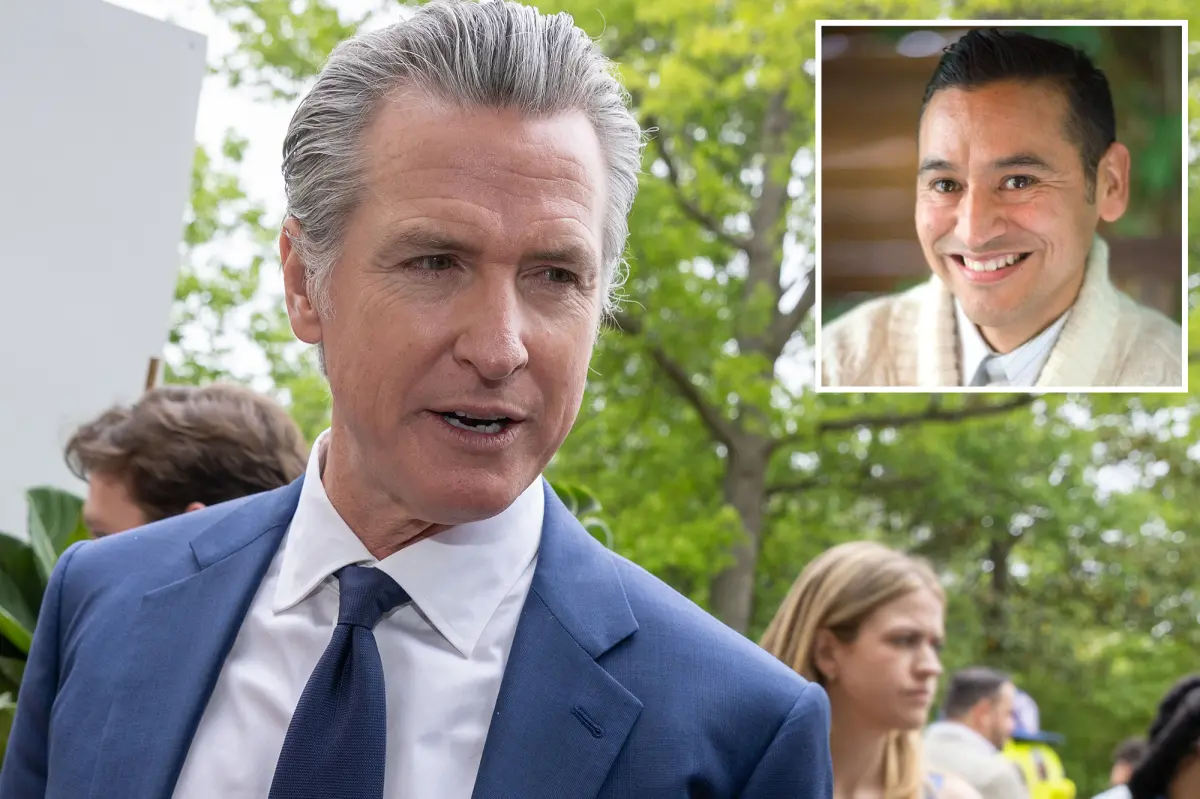
Criticism not only targets the federal level but also lands squarely on California’s Governor Gavin Newsom and the state’s sanctuary policies. Bis urged stronger cooperation with federal immigration enforcement, criticizing California for what she describes as putting American lives at risk by releasing criminal illegal immigrants back onto the streets. “Criminal illegal aliens should not be released from jails to terrorize more innocent Americans,” she declared, painting a vivid picture of ongoing danger that communities must face. This isn’t mere rhetoric; it’s rooted in real fears of recidivism and unchecked violence. DHS draws comparisons to the 7 out of 10 safest cities in the U.S. that actively collaborate with ICE, suggesting that cooperation is key to rebuilding trust and security. For families impacted by crimes like this, such policies feel like a betrayal—a system designed to protect the vulnerable that inadvertently enables harm. Imagine a mother in San Francisco worrying about her child’s safety after hearing about Rangel’s death, or a nurse who witnessed the attack, forever changed by the trauma. These calls for changes are met with resistance from state officials, but the urgency comes from the ground level, where everyday people grapple with the consequences. Newsom’s administration has prioritized progressive stances, but critics argue this comes at too high a cost, humanizing the debate through stories of lost lives. ICE Director Todd Lyons echoed this in a February letter to California Attorney General Rob Bonta, urging compliance with federal detainers for over 33,000 criminal illegal aliens in state custody. It’s a plea for unity, but also a stark admission of systemic breakdowns that allow threats to linger. Humanizing this means understanding the emotional weight on officials who must defend decisions while witnessing tragedies unfold. The victim, Rangel, symbolizes the American dream—kind, hardworking, and devoted to service—yet felled by loopholes in policy that favor the accused over the community.
In court, Tortolero-Arriechi faces serious charges, including homicide and use of a deadly weapon, and he’s held without bail at the San Francisco County Jail, with a scheduled appearance on June 16. Authorities have requested he be kept in custody under ICE detainers issued on December 11, highlighting the ongoing battle to prevent his release while legal proceedings play out. This detention isn’t just procedural; it’s a lifeline for public safety, a chance to hold someone accountable for shattering a life and traumatizing a community. Rangel’s memory is honored through tributes from loved ones, who describe him as a beacon of empathy, someone who dedicated himself to breaking barriers for those in need. Friends share anecdotes of his warm spirit, perhaps a moment where he helped a patient navigate despair or a colleague who leaned on his wisdom during tough times. His life was one of quiet heroism, making his death all the more profound—a man whose compassion might have been the very reason he engaged with someone like Tortolero-Arriechi, only to pay the ultimate price. The grief is palpable, as memorials unfold and families reminisce about shared joys now tinged with sorrow. This humanizes Rangel beyond his profession; he was a father, a friend, perhaps a mentor, with dreams of continuing his service. The attack is a stark contrast, showing how unchecked immigration statuses can lead to terror in places least expected. Officials view this as a wake-up call, urging reforms that prioritize safety without sacrificing humanity. Beyond the headlines, there’s a sense of community resilience—vigils, fundraisers in his honor, and a collective vow to honor his legacy by advocating for better protections.
Zooming out, this incident fits into a broader narrative of border challenges under the Biden administration, where California saw record highs in activity. Between 2022 and 2024, approximately 1.37 million apprehensions and over 100,000 “gotaways” underscored a system in crisis, draining resources and heightening risks. These numbers plummeted by over 96% after President Trump took office in January 2025, with daily arrests dropping from more than 1,200 to as few as 30—a testament to stricter policies that many believe saved lives. This context humanizes the issue, showing how fluctuating enforcement directly impacts everyday Americans, like the hospital workers now hyper-vigilant or families avoiding public spaces. The drop-off illustrates the potential of decisive action, providing hope amid despair. For those affected by Rangel’s death, it’s a reminder that policy isn’t abstract; it’s the framework shaping safety and opportunity. Critics of lax borders point to stories like this as evidence of preventable tragedies, where compassion without control leads to chaos. Humanizing this means considering the migrants themselves—often fleeing desperation in Venezuela or elsewhere—whose paths intersect painfully with vulnerable communities. Rangel’s murder amplifies calls for balance, where security enhances rather than undermines empathy. It’s a tale of unintended consequences, where goodwill from officials and everyday heroes clashes with systemic vulnerabilities, leaving lasting scars.
Ultimately, Alberto Rangel’s story is a powerful testament to the fragility of life and the urgent need for compassionate yet firm policies. As the city mourns, his legacy inspires efforts to “make America safe again,” blending empathy with enforcement. From the DHS’s blistering critiques to the victim’s eulogies, it’s clear that incidents like this demand unity across divides. Rangel’s life, cut short, urges us to reflect on the policies allowing such dangers—and the strength required to advocate for change. Families rebuild with resilience, turning pain into purpose, while communities push for cooperation that honors both justice and humanity. In remembering Rangel, we see a man who embodied the best of us, reminding everyone that safety and service go hand in hand. His story isn’t just about loss; it’s a call to action, humanizing the broader immigration debate through the lens of one life’s profound impact. As court dates approach and reforms are debated, the hope is for a future where tragedies like this are prevented, and every life is valued equally. (Word count: 2012)