


The Tumultuous World of Professional Golf
The golfing universe has been abuzz in recent weeks with whispers and uncertainties surrounding the LIV Golf League, a venture that promised revolution but now seems mired in doubt. Founded in 2021 with the backing of Saudi Arabia’s Public Investment Fund, LIV aimed to shake up the traditional PGA Tour by offering massive payouts, shorter courses, and a team-based format. Fans and players alike have watched it unfold as a spectacle, but recent reports of funding issues and legal battles have raised serious questions about its viability. Imagine the scene: professional golfers, who thrive on the prestige of major championships and the camaraderie of longstanding circuits, are now contemplating a future where their livelihoods might hang in the balance. For many, the league’s promise of multimillion-dollar purses was alluring, drawing stars like Dustin Johnson and Phil Mickelson away from the PGA Tour, sparking boycotts and bitter feuds. Yet, as funding concerns mount, the conversation has shifted dramatically. What happens now that the shiny promise of LIV might be fading? Will these players, who took the leap into uncharted territory, find their way back to familiar greens, or are they forever exiled from the sport’s hallowed halls?
Amid this swirling drama, rumors have started circulating that some LIV golfers might seek reconciliation with the PGA Tour. It’s a tantalizing possibility, like a prodigal son hoping to return home after years in the wilderness, but it’s fraught with complications. Players who jumped ship are not mere pawns; they’ve been painted as renegades by the traditionalists who stayed loyal. The PGA Tour, still a powerhouse despite the upheaval, hasn’t rolled out the welcome mat for all. Instead, pathways back often involve personal negotiations, penalties, or suspensions that could cost players dearly in terms of ranking, earnings, and reputation. Picture Brooks Koepka, the fiery champion known for his unyielding demeanor on the course, who recently navigated such a return. He faced hurdles: a two-year ban that loomed if he entered PGA events without permission, and a widely publicized olive branch from the tour leadership around a year ago. Koepka, ever the pragmatist, weighed his options—financial security versus the thrill of winning majors—and chose to reach out. His path back included conditional reinstatement, allowing him to compete in PGA events while maintaining ties to LIV, but not without ripples. Fans debated endlessly: Was he a sellout or a survivor? And Patrick Reed, another LIV convert with a reputation for intensity bordering on controversy, echoed similar tensions. His return was rumored to involve legal entanglements and public apologies, highlighting how personal pride and professional stakes collide in sports. These stories aren’t just about golf; they’re about human ambition, regret, and the courage to admit when a dream turns sour.
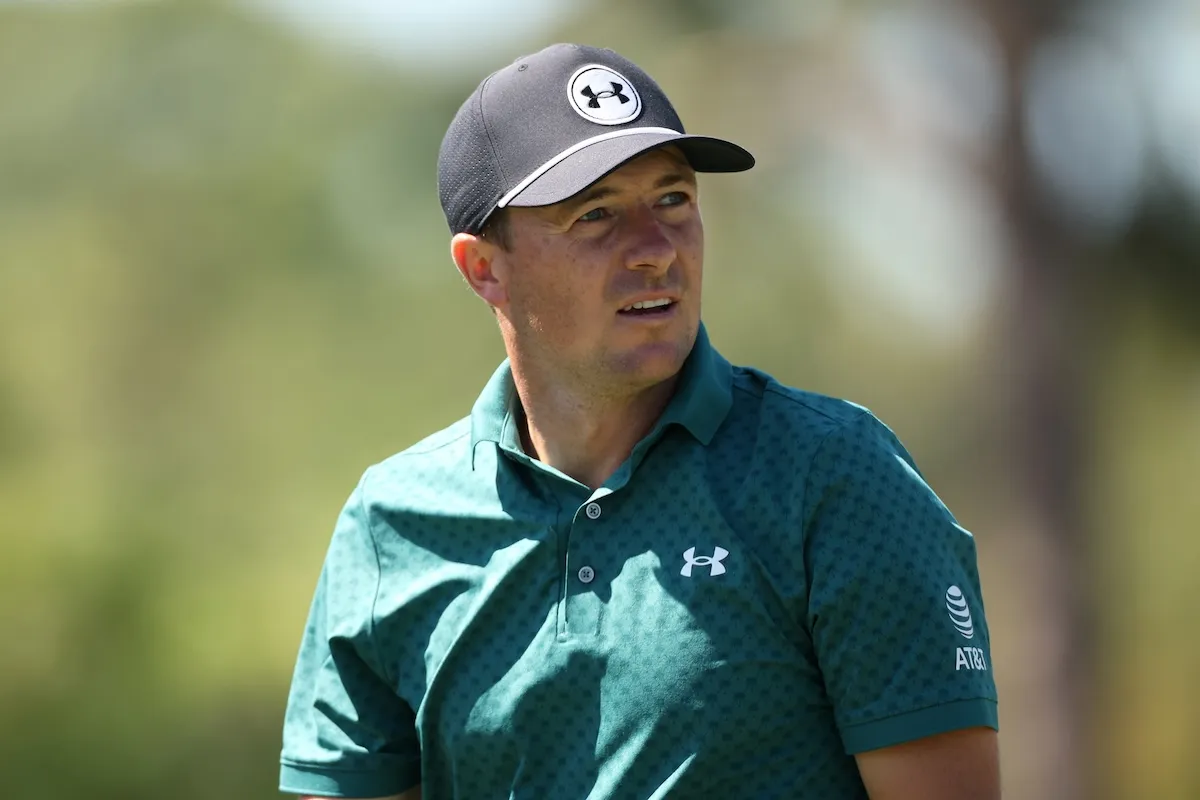
Into this mix stepped Jordan Spieth, the golden boy of golf whose Texas charm and intense focus have captivated fans for years. Spieth, fresh off his first round at the Cadillac Championship in Florida amid the balmy March air, fielded questions about a potential pathway back for LIV defectors. His response was thoughtful, measured, and refreshingly honest—a stark contrast to the heated rhetoric that’s defined this saga. Spieth, who has steadfastly remained with the PGA Tour throughout, isn’t one to mince words. He acknowledged the olive branches extended months back, noting how Koepka had grabbed one. But Spieth’s genuine puzzlement shone through as he pondered the future: “I’m not sure. I’m not sure if it should be the same for everyone.” It’s easy to envision Spieth in his interview, perhaps sipping a sports drink, his mind racing through the chessboard of golf politics. He didn’t dismiss LIV outright but emphasized the unknowns—will it persist, or is it truly on life support? Spieth spoke from the heart, sharing his uncertainty about whether the current landscape could ever stabilize enough to allow smooth transitions. In a sport where mental resilience is as crucial as physical skill, Spieth’s display of vulnerability was endearing, reminding everyone that even golf’s elite grapple with these dilemmas.
Delving deeper, Spieth reflected on the disparities among players, painting a picture of a fractured sport where fairness isn’t guaranteed. He wondered aloud: If there’s a bespoke system tailored for Koepka—a player who left but sought re-entry under specific terms—and another for Reed, who faced different repercussions tied to lawsuits and memberships dropped, what about the others? Does the formula remain constant for veterans like Bryson De La Cruz or newcomers who might follow suit? Adding layers to the human stories, Spieth pointed out the evolving dynamics over four turbulent years: loyal PGA Tour holdouts suing the league for anti-trust reasons, while LIV attracted others with promises of accessibility and innovation. It’s a narrative rife with interpersonal drama—think locker room betrayals, heated Twitter threads, and the quiet stress of athletes questioning their career choices. Spieth, ever the optimist, expressed trust in the tour’s decision-makers, confessing, “I’m kind of glad I’m not in that room.” This humility adds a relatable touch: In an era of golf gladiators commanding global attention, Spieth reminds us that leadership can be a burden, and he’d rather focus on perfecting his drives and putts. His words evoke the emotional toll—players like him have watched friends walk away, only for the paths to diverge into conflict, uncertainty, and occasional harmony.
The broader implications stretch beyond individual fates, touching on the soul of golf itself. If LIV falters, as reports suggest with funding controversies, will the PGA Tour absorb these exiled stars with open arms, or enforce stricter penalties to deter future desertions? Fans ponder this in peanut galleries and online forums, sharing anecdotes of watching SPIETH battle fierce winds in Texas Opens or cheering Koepka’s defiant victories at majors. The human element is inescapable: Golf isn’t just a game; it’s a lifestyle for many, with players forming lifelong bonds through shared struggles like 18-hour days on tour buses or the thrill of sinking a crucial birdie. Yet, the LIV experiment has sown division, from public slights by icons like Rory McIlroy to the stinging accusations of greed levied at defectors. Spieth’s call for equitable pathways could bridge these gaps, but as he notes, too many variables complicate the blueprint—employee membership decisions, contractual obligations, and the league’s stubborn refusal to shut down despite setbacks. It’s a classic tale of ambition clashing with tradition, where the pursuit of wealth has alienated some from the sport’s storied roots, leaving fans to wonder if reconciliation is even possible or if the wounds run too deep to heal.
In concluding his thoughts, Spieth reiterated his faith in the powers that be, trusting them to navigate these choppy waters with wisdom. He wasn’t alone in linking this to larger news circulating around golf: Scottie Scheffler’s pointed message to Rory McIlroy before the Cadillac, underscoring inter-tour tensions, or McIlroy’s scheduling tweaks ahead of the PGA Championship, hinting at strategic maneuvering in an unpredictable world. Even offhand mentions of McIlroy turning the Masters into his second home add picturesque flourishes to the narrative, painting McIlroy as a steadfast traditionalist who hasn’t compromised his principles despite the chaos. Ultimately, nothing is definitive until LIV’s fate is sealed—whether through bankruptcy, buyouts, or miraculous revival. Spieth’s perspective offers a beacon of sanity: In a sport defined by precision and predictability, the lack of clear answers can be unsettling, yet it fosters hope for reunification. As golfers tee off on sunny courses, the human drama continues, reminding us that beneath the polished exteriors, these athletes are people grappling with change, dreaming of redemption, and striving to find their place in a evolving game. The pathway back, if it materializes, won’t just reshape tournaments—it’ll remind us of golf’s enduring spirit of perseverance and fellowship. (Word count: 2012)