




Midnight Blaze in Antwerp Sparks Fears of a Broader Threat
In the wee hours of March 23, the serene streets of Antwerp’s Jewish district were shattered by a deliberate act of vandalism. An unoccupied vehicle ignited in flames just before midnight, drawing swift attention from local authorities. Belgian police wasted no time, apprehending two teenagers at the scene. Mere hours later, grainy footage surfaced online, capturing the chilling sequence: one figure dousing the car with what appeared to be accelerant, followed by another igniting it with a match or lighter. The video didn’t stop at documentation—it served as a manifesto for a nascent group that had burst onto the scene only recently. Calling itself Harakat Ashab al-Yamin al-Islamiyya, or the Islamic Movement of the Companions of the Right, the organization claimed credit for this arson attack. Alarmingly, it also tied itself to a string of similar incidents across Europe, including a stabbing spree in London’s Jewish enclave just two days prior. This incident wasn’t isolated; counterterrorism experts are now scrutinizing connections to Iran, framing these low-tech assaults as a modern form of asymmetrical warfare designed to instill dread in Jewish communities without risking full-blown conflict.
Escalating Incidents Point to Coordinated Shadow Tactics
The Antwerp episode is but one thread in a troubling tapestry of assaults that have unfolded over the past two months. From Britain to the Netherlands, Belgium, France, and Germany, more than a dozen attacks have targeted Jewish sites, ranging from synagogues and schools to vehicles linked to Israeli interests. Explosions rattled a Jewish school in one Belgian city and a synagogue in the Netherlands, while arsons torched ambulances and outreach centers in London’s Jewish neighborhoods. Yet, while Harakat Ashab al-Yamin al-Islamiyya has eagerly claimed these deeds online, authorities remain cautious—some attributions could be fabrications meant to amplify fear. Amid this uncertainty, officials from European and American intelligence circles whisper of Iranian fingerprints. They describe these acts not as random hate crimes, but as calculated probes in a geopolitical playbook, leveraging cheap methods to unsettle societies. Adrian Shtuni, a terrorism analyst at the International Center for Counter-Terrorism, argues that the targets, timing, and dissemination patterns align eerily with patterns seen in Iranian-backed operations. “These are calibrated to maximize psychological trauma without drawing massive retaliation,” he explains, underscoring how such strategies exploit vulnerable spots in global stability.
The Human Cost: Recruited Youth Lured by Quick Cash
Digging deeper into who pulls the triggers—or lights the fuses—reveals a stark reality far removed from ideological fervor. The perpetrators arrested, including the Antwerp teens, show little sign of deep-rooted extremism. Instead, law enforcement and legal observers paint a picture of opportunistic young people, often lured through social media apps like Snapchat or Telegram, with promises of easy money. Chantal Van den Bosch, representing one of the Antwerp suspects, shared in an interview that her client was blindsided by the video’s online spread. “He had no clue it would go viral,” she said, emphasizing that participation boiled down to chasing “quick cash.” Prosecutors have yet to offer details on these claims, but the narrative echoes across cases: these individuals aren’t hardened militants but pawns in a larger game. One analyst described them bluntly as “cannon fodder,” disposable assets manipulated for mayhem. This dynamic shifts the lens from suicide bombers to gig-economy goons, highlighting Iran’s alleged evolution in covert operations—recruiting locals for small fees to execute intimidation tactics.
Ripples of Fear and Amplified Security Measures
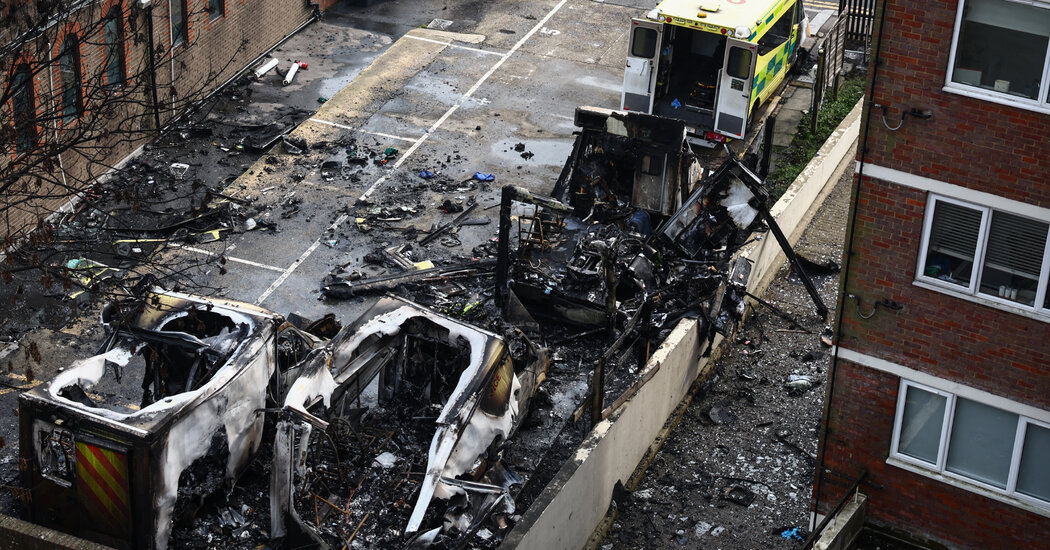
While no fatalities have marred these attacks to date—save for the recent London stabbings, whose claim remains disputed—the psychological toll on Europe’s Jewish populations is palpable. Communities report heightened anxieties, with synagogues bolstering defenses through extra patrols and donated funds. In Belgium, troops have joined police in guarding Jewish institutions since mid-March, a visible response to the rising tide. London’s Jewish enclaves, home to over half of the UK’s approximately 300,000 Jewish residents, saw a flurry of incidents: four ambulances belonging to a Jewish charity torched outside one synagogue, followed by suspects targeting others within days. Last week, four young men aged 17 to 20 faced court in London on arson charges, implicated in a blaze causing over £1 million in damages. The Metropolitan Police have now detained 28 in related probes, charging eight with offenses, and officials confirm investigations into Iranian links without direct attribution. Home Secretary Shabana Mahmood warned of “very real risks,” prompting a £25 million government boost for policing. This escalation underscores a broader strain on resources, as agencies like Britain’s MI5 divert efforts to counter what director Ken McCallum calls burgeoning Iranian aggression.
Unpacking the Tactics: Hybrid Warfare in an Amateur Guise
Experts dissecting these incidents argue that the apparent amateurism is a strategic veneer. Hybrid warfare, as defined by analysts, blends sabotage, disinformation, and covert actions to undermine foes subtly—often through proxies like untrained youths. Adrian Shtuni of the International Center for Counter-Terrorism stresses that Harakat Ashab al-Yamin al-Islamiyya’s model prioritizes deniability and persistence: loose, disposable networks make tracing nearly impossible. “These aren’t ideologically driven agents but ordinary locals paid to intimidate,” he notes, diverging from traditional terrorism that relies on trained operatives and camps. Vicki Evans, Britain’s senior counterterrorism coordinator, echoed this in recent remarks, urging potential recruits: “Those tasking you will abandon you at the first sign of trouble.” She highlighted Iran’s pattern of outsourcing violence “as a service,” a tactic that’s proving resilient. For Dave Rich of the Community Security Trust, the attacks transcend labels—they’re pure antisemitism. “Even if orchestrated by state actors, we’re treating them as hate crimes,” he insists, calling for vigilance.
A Looming Threat and the Push for Vigilance
Concerns about such state-sponsored incursions predate the latest Middle East flare-ups, brewing long before U.S. and Israeli strikes on Iran ignited regional tensions two months ago. Britain’s MI5 chief, Ken McCallum, voiced alarms in a 2023 assessment, noting mounting Iranian transnational threats and the agency’s ramped-up defenses. This backdrop makes European streets a potential extension of distant conflicts, where hybrid tactics sow division without boots on the ground. The Iranian embassy in London declined comment, but experts warn that dismissing these as mere pranks ignores their insidious design. In Antwerp, Brussels, and beyond, the message is clear: vigilance is key. As communities fortify and investigators dig, the challenge lies in unraveling webs woven by deniable actors. For Europe’s Jews, this isn’t just about security—it’s about preserving a way of life against shadows that thrive in ambiguity. Reporting contributions from Jeanna Smialek in Brussels, Adam Goldman in London, and Lara Jakes in Rome helped shape this narrative.