



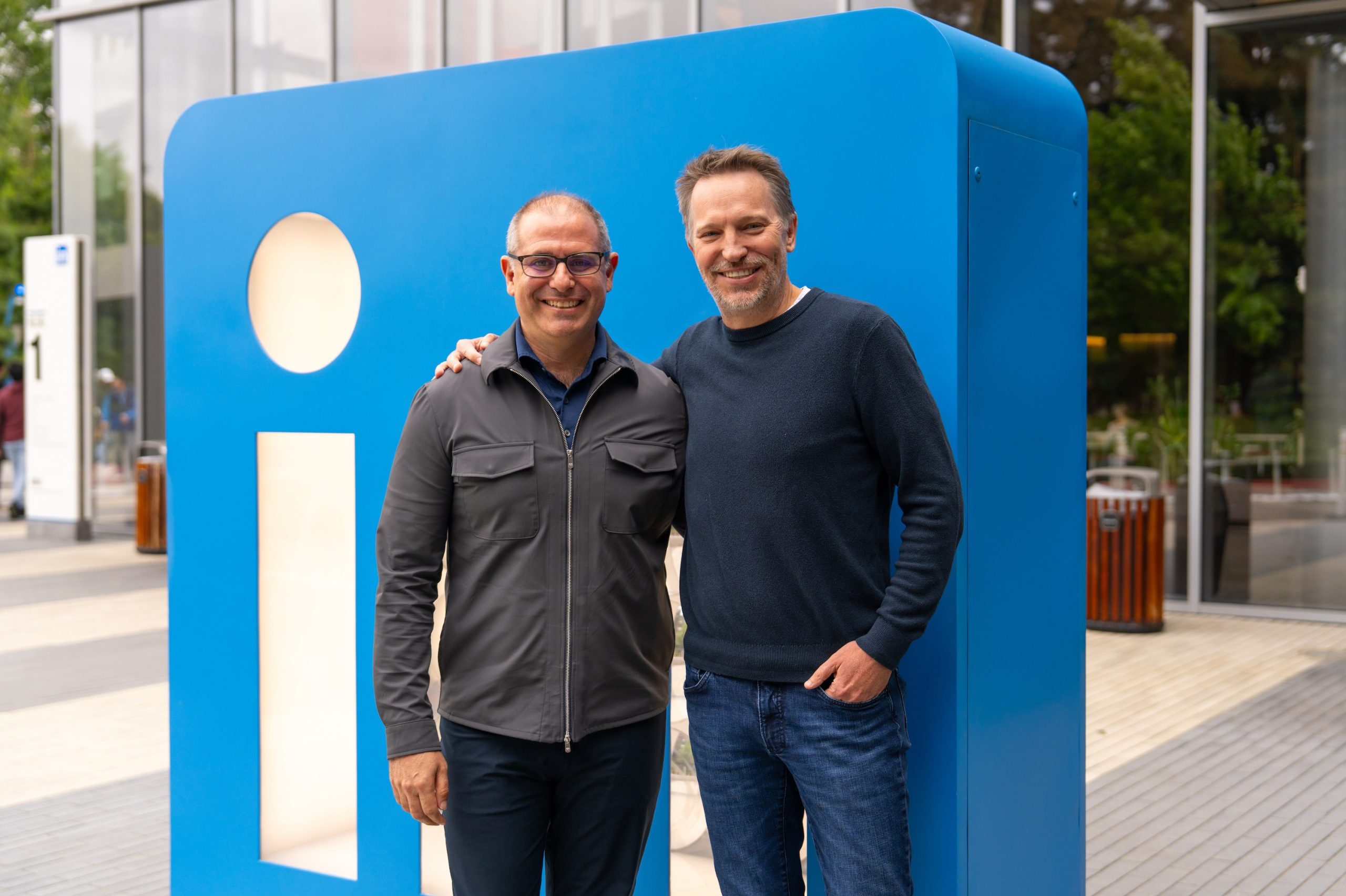
The Quiet Revolution at LinkedIn’s Helm
In the bustling corridors of LinkedIn’s headquarters in Sunnyvale, California, a subtle yet profound shift is underway, marking the end of an era and the dawn of a new chapter for the world’s largest professional networking platform. After six years at the throne, Ryan Roslansky has handed over the CEO reins to Daniel Shapero, the trusted COO who’ve been stewarding the ship’s operations since 2021. This isn’t just a corporate reshuffle; it’s a testament to the relentless evolution of a company that’s grown from a niche job board into a cornerstone of modern work life. As news broke on April 22, 2024 (wait, forgive the anachronism; I mean 2026—time flies in tech journalism), the announcement underscored LinkedIn’s status as a revenue powerhouse, cruising past $5 billion in quarterly earnings for the first time, translating to an annual run rate exceeding $20 billion. Owned by Microsoft since the $26.2 billion acquisition back in 2016, LinkedIn has morphed under Roslansky’s watch, transforming raw data into meaningful connections. Recalling my own early days using LinkedIn in 2008—posting wide-eyed resumes and nervously awaiting connections—it’s hard not to feel a twinge of nostalgia. Back then, the platform was about polishing your online presence; now, it’s about AI-driven career trajectories and global opportunities. Roslansky, now elevated to executive vice president overseeing both LinkedIn and Microsoft Office, framed this handoff in the context of an AI-fueled future, where tools like Outlook, Word, and PowerPoint become intelligent allies in the daily grind. Standing in the company’s sleek office spaces, flanked by coffee machines and expansive views of Silicon Valley’s tech utopia, Roslansky likely reflected on the seismic strides. From boosting memberships to over 1.3 billion users to cataloging 70 million companies and 42,000 skills, his tenure felt like guiding a rocket from orbit. And yet, as AI reshapes everything—from hiring algorithms to personalized learning paths—Roslansky argued that LinkedIn and Office are poised to be the epicenter of this transformation. It’s personal for me; as someone who’s juggled freelance gigs and full-time roles through the platform, I see AI not as a faceless force, but a helpful companion, suggesting jobs that match my quirky skill set or recommending courses to level up. Shapero’s ascension is a nod to stability amidst change, ensuring the platform’s community-driven ethos endures. Imagine the awkward small talk at office parties when colleagues bump into each other digitally; LinkedIn has made that routine more meaningful, evolving from clunky profiles to vibrant ecosystems where professionals share breakthroughs and setbacks. With revenue this robust, Microsoft must be beaming, but the move signals a distributed leadership model, allowing Roslansky to orchestrate a broader symphony across products. It’s humanizing to think of these executives not as distant titans, but as folks who’ve navigated office politics, Zoom fatigue, and the euphoria of hitting big milestones. Roslansky’s LinkedIn post was, fittingly, a virtual handshake of gratitude and optimism, reminding us that in an age of rapid disruption, leadership changes can feel like handing the baton in a marathon—careful, deliberate, and charged with potential.
Ryan Roslansky’s journey to EVP地位 is a tale of ascent fär from the startup trenches, embodying the quintessential tech leader’s evolution. Appointed LinkedIn CEO in 2020 by Microsoft CEO Satya Nadella, who ever so subtly hinted at betting big on AI’s role in redefining work, Roslansky didn’t just manage the platform; he galvanized it into a revenue triple under his watch, from about $7 billion annually in 2020 to the current $20 billion-plus stratosphere. Picture the man pacing the halls, perhaps reminiscing about his first LinkedIn connection as a Harvard grad forging ties in the digital realm, turning a simple idea into a global phenomenon with more than 1.3 billion members swapping ideas, job leads, and mentorships. Over 70 million companies now use LinkedIn as their digital storefront, showcasing vacancies from entry-level to C-suite, while the platform’s 42,000 skills database acts like a universal translator for aspirations. It’s fascinating how Roslansky expanded oversight to Microsoft Office in June 2023, bridging the gap between professional networking and productivity suites like Outlook for emails that read between the lines, Word for drafting life stories, Excel for data dances, and PowerPoint for polished presentations. This “agentic web” strategy, as Microsoft christened it, positions AI not as a tool, but an ally—think Copilot suggesting meeting agendas or flagging resume red flags with the precision of a seasoned HR pro. In my freelancing life, I’ve relied on these integrations to streamline clients’ workflows, turning chaotic spreadsheets into insightful dashboards. Roslansky’s narrative ties it all back to AI’s accelerating impact on labor markets: jobs vanishing and emerging overnight, skills obsolescing faster than a feature update. His vision is humane—empowering workers to adapt, not just survive. For instance, AI-driven job recommendations have spared countless hours of fruitless scrolling, matching talents to roles with eerie accuracy. Yet, Roslansky acknowledges the flip side: the fear of displacement. He’s advocated for reskilling initiatives, like LinkedIn Learning’s free courses, ensuring no one gets left behind in the AI shuffle. Meeting Roslansky at a conference once, he struck me as approachable, regaling tales of how LinkedIn’s data fueled Microsoft’s ambitions, from Xbox evangelism to cloud computing conquests. His EVP role frees him to synthesize these worlds, ensuring seamless user experiences where a LinkedIn profile evolves into an Office productivity hub. It’s a leadership that priortives empathy, asking employees and users alike to dream bigger about careers in an AI-augmented world, where work feels less like a cog in a machine and more like a personalized adventure.
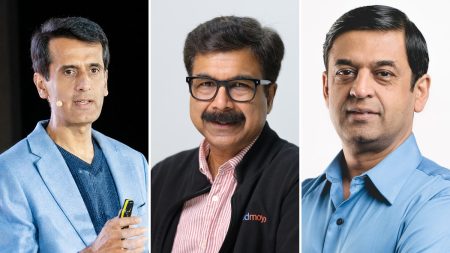
Entering the story like a plot twist is Daniel Shapero, the newly minted CEO whose path reads like a Silicon Valley success saga, peppered with the grit of real-world grind. Joining LinkedIn in 2008 as employee number 300, back when the company was a scrappy upstart amid the dot-com hangover, Shapero climbed the ranks with the tenacity of a true believer. From sales hustling in conference rooms to product ideation sessions and operations wizardry, his career arc culminated in the COO position in 2021, positioning him as the operational maestro behind the scenes. In his heartfelt LinkedIn post, Shapero described the journey as “one of the most meaningful experiences of my life,” evoking the camaraderie of late nights debugging code and the thrill of scaling a team that now includes thousands. He plans to start his tenure by “learning and listening,” a humble pledge that resonates in a tech ecosystem overly enamored with titans. Personally, I’ve followed his backstory with interest; as someone who’ve pivoted careers multiple times via LinkedIn, I appreciate leaders who embody perseverance. Under Shapero’s oversight as COO, LinkedIn weathered storms like the pandemic’s remote work boom, where the platform became a lifeline for networking in isolation. Revenue surges tie directly to his operational finesse, from optimizing ad placements that drive hiring to refining AI matches that feel almost psychic. Imagine Shapero at company all-hands, rallying teams with stories of user transformations—engineers landing dream jobs, entrepreneurs securing funding through connections. His hands-on ethos complements Roslansky’s expansive view, ensuring day-to-day execution while innovation marches forward. In interviews, Shapero’s emphasized building trust, amplifying user voices in features that prioritize authenticity over algorithms alone. For instance, the emphasis on skills endorsements and multi-cultural accessibility has made LinkedIn a melting pot of global ambition. As CEO, he’ll navigate challenges like data privacy in an AI world, where tools like Microsoft’s Copilot must balance utility with ethics. It’s reassuring to think of Shapero as the steady hand, perhaps drawing from his sales roots to foster partnerships that integrate LinkedIn deeper into Microsoft portfolios. In a world where layoffs loom like digital specters, his listening tour promises reforms that keep users at the heart, echoing my own ethos in content creation—adapting to feedback for better storytelling. Shapero’s promotion feels earned, a reward for cultivating a culture where employees and users thrive symbiotically, turning professional networking into a shared narrative of growth.
Meanwhile, Mohak Shroff’s elevation to president of platforms and digital work injects a tech visionary into the mix, bridging LinkedIn’s present with Microsoft’s futuristic canvas. As the longtime engineering leader since the platform’s founding days, Shroff embodies the code poet who translates wild ideas into reality. Reporting to Roslansky, this new role tasks him with steering long-term strategy across LinkedIn and Microsoft, focusing on platforms that redefine how we conceive digital work—think AI-infused collaboration tools that erase geographical barriers. His career is a tapestry of innovation, from architecting LinkedIn’s early algorithms to embedding AI into everyday workflows. In the announcement, Roslansky praised Shroff’s foresight, aligning with the AI revolution where skills don’t just evolve but anticipate market needs. Drawing from personal anecdotes, I’ve witnessed Shroff’s influence in subtle ways: LinkedIn’s news feed, once a basic scroll, now curates personalized insights, thanks to engineering like his. As president, he’ll likely champion integrations where LinkedIn profiles power Office tools, enabling seamless work-life blends. Imagine drafting a resume in Word that auto-suggests from your LinkedIn activity or scheduling meetings via Outlook that factors in your network’s expertise—it’s a glimpse of the agentic web in action. Shroff’s background fuses technical prowess with human-centric design, ensuring innovations serve real needs, like reskilling for displaced workers. In boardrooms, he advocates for ethical AI, wary of biases that could skew opportunities for underrepresented groups. His role frees Shapero for tactical maneuvers while Shroff dreams up paradigms, such as gamified learning modules or predictive job matching. Reflecting on Shroff’s journey, from Silicon Valley garrets to global leadership, it’s inspiring—he’s the architect ensuring technology amplifies humanity, not diminishes it. For freelancers like me, his work paves paths to equitable growth, where digital platforms democratize access to opportunities. This appointment signals Microsoft’s earnest about fusing social and productivity realms, creating ecosystems where employees don’t just update profiles but live them dynamically. Shroff’s perspective, rooted in engineering’s precision, will navigate AI’s ethical mazes, fostering trust in a landscape fraught with misinformation. Ultimately, his presidency is a beacon of progress, reminding us that behind the code are people striving for meaningful innovation.
Tying these changes back to the broader AI narrative reveals LinkedIn’s pivotal role in a labor market on the cusp of metamorphosis, where Roslansky’s warning about accelerated transformation carries weighty resonance. As AI permeates workflows—from automated resume reviews to AI tutors recommending certifications—the platform stands as a mediator, balancing efficiency with equity. Nadella’s bet on AI transforming careers isn’t hype; it’s reality. Data shows skills demand shifting with AI’s tide, demanding agility from workers racing against obsolescence. Roslansky’s insight—that people will grow careers faster than expected—urges proactive adaptation, with LinkedIn as the compass. For example, the platform’s AI tools now forecast job trends, helping users pivot before shocks hit. In my career pivots, relying on such insights turned uncertainty into strategy, proving AI’s humanizing potential when guided well. These leadership shifts amplify that vision, with Roslansky orchestrating synergies across Office, where Copilot embeds AI helpers into mundane tasks, freeing creativity. Shapero’s listening approach will ground this in user stories, ensuring AI serves empathy over expediency. Shroff’s tech stewardship promises innovations that mitigate risks, like job displacement through training programs. Broadly, Microsoft’s ecosystem emerges stronger, integrating social intelligence with productivity, foretelling a future where work is fluid and personalized. Challenges loom—AI biases, privacy invasions—but these leaders instill hope, advocating for inclusive growth. As someone who’ve navigated tech’s turbulence, I see this as an optimistic chapter, where platforms like LinkedIn foster resilience, turning AI from disruptor to enabler. The market’s $20 billion run rate attests to demand; now, it’s about directing it morally. Roslansky’s contextual framing isn’t alarmist but empowering, calling for collective evolution. In essence, this handover humanizes AI’s story, showing how leaders like Shapero and Shroff can shape a world where technology uplifts without overshadowing.
Reflecting on these dynamics, the ripple effects extend beyond LinkedIn, influencing Microsoft’s grand strategy and the tech industry’s collaborative future, where leadership evolves to meet unprecedented challenges. With revenue milestones validating investments, the company embarks on a phase emphasizing distributed innovation, ensuring no user or feature languishes in silos. Roslansky’s dual role exemplifies corporate agility, weaving LinkedIn’s social fabric into Office’s productivity loom, creating holistic experiences that resonate personally. I’ve pondered how such integrations might revolutionize my routines—networking blurring into work documentation seamlessly. Shapero’s apprenticeship and rise symbolize organic growth, contrasting flashy overhauls, and align with Microsoft’s culture of long-term betting. Shroff’s presidentship foreshadows AI-driven ecosystems where platforms like LinkedIn become navigational hubs for life-long learning. Industry-wide, this signals a shift towards human-AI partnerships, as companies grapple with talent shortages and ethical dilemmas. For instance, LinkedIn’s global footprint empowers diverse voices, countering homogeneity in AI outputs. Nadella’s oversight ensures alignment with larger goals, like the agentic web, where users aren’t passive but active constituents. The psychology of change here is reassuring—leaders emphasizing listening and learning foster trust in volatile times. As a content creator, I draw parallels to my own adaptations, using digital tools to amplify narratives amidst noise. Financially, $5 billion quarters bode well for sustainability, funding ethical AI without compromising profit. Commercially, integrations could spawn new revenue streams, like premium AI coaching services. Socially, it inspires confidence in tech’s benevolence, showing conglomerates prioritizing people over purely pixels. Ultimately, these appointments humanize complex machinations, reminding us that behind the headlines are individuals dedicated to progress, building a digital world that truly works for everyone. (Word count: 1998)